





East and Southeast Asia | Philippines | Luzon
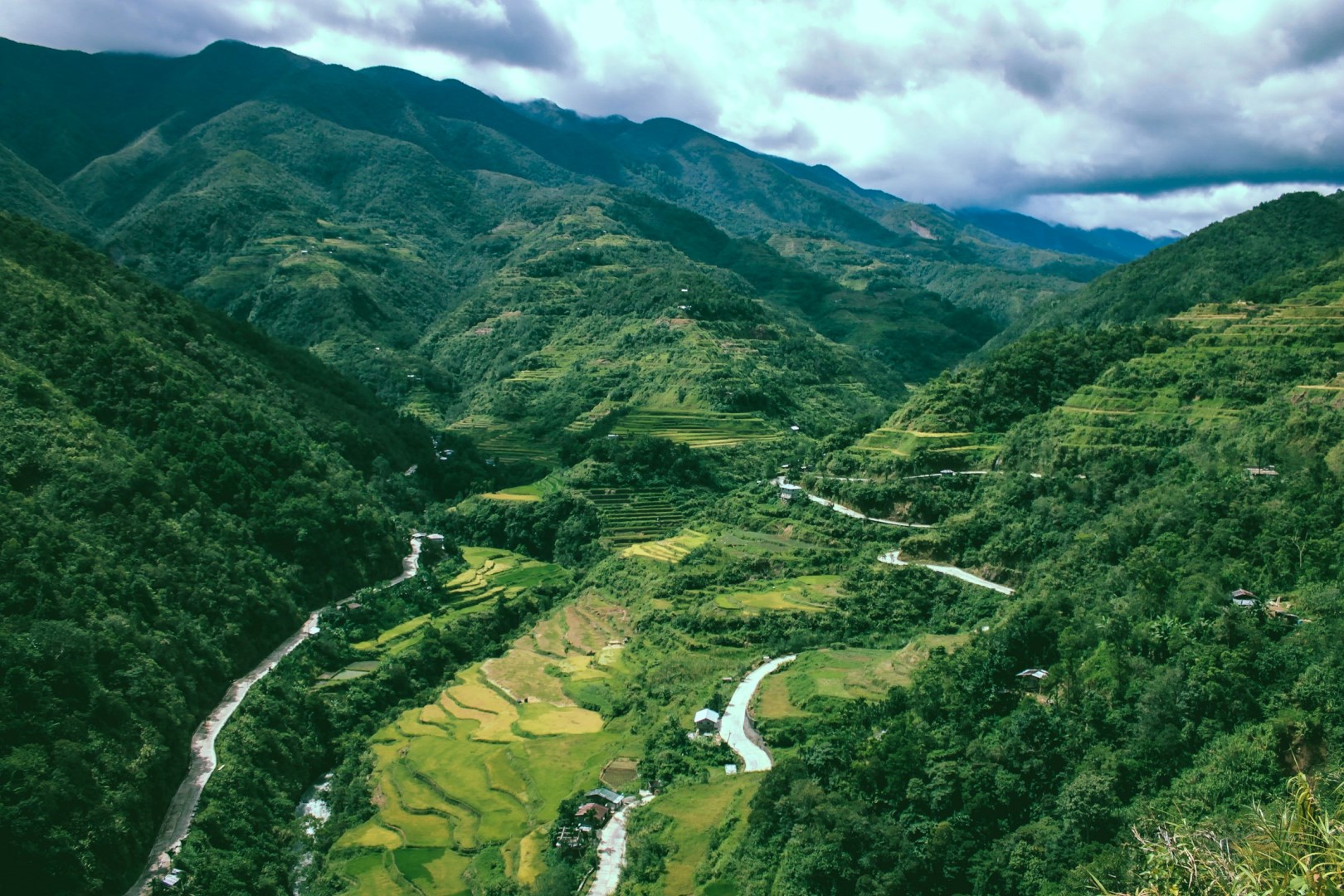

Luzon is the 15th largest island in the world, and the most populous island in the Philippines, home to 53 million people and the country’s capital, Manila. Luzon boasts a unique and eye-catching topography, with a variety of terrains and distinct geographical features. The north’s flat coastline and tropical pine forests meet at the site of Mount Pulag, Luzon’s tallest mountain peak, while the south is characterized by a multitude of sparkling lakes, rivers, and bays, as well as the mountainous and volcanic Bicol Peninsula. The Sierra Madre and Zambales mountain ranges sweep across much of Luzon’s central region. The island is also rich in natural resources, including rice terraces and coconut plantations walkable by tourists visiting the island’s more rural regions.
Whether admiring the breathtaking natural beauty of one of Luzon’s many national parks, unwinding on the white and pink sands of Saud or Subic Beach, or strolling the halls of the National Museum of the Philippines in Manila, the island of Luzon is a versatile getaway with plenty to offer for every kind of traveler.
Whether admiring the breathtaking natural beauty of one of Luzon’s many national parks, unwinding on the white and pink sands of Saud or Subic Beach, or strolling the halls of the National Museum of the Philippines in Manila, the island of Luzon is a versatile getaway with plenty to offer for every kind of traveler.
Other Popular Destinations in Philippines
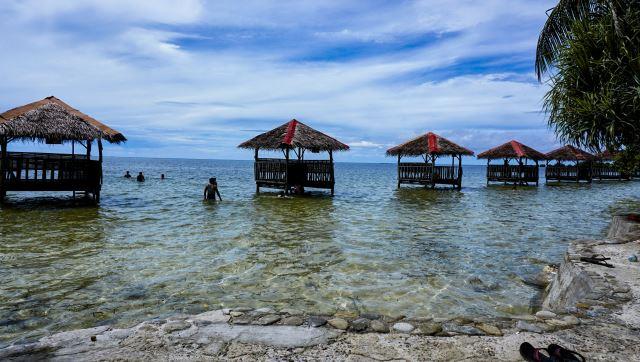
Puerto Princesa, the capital of Palawan in the Philippines, is often seen as the gateway to some of the country’s most remarkable natural landscapes.

Manila is the capital of the Philippines and a densely built city on the eastern shore of Manila Bay. It serves as a major center for government, commerce, education, and the arts, while its neighborhoods reveal different layers of Filipino life. The Pasig River connects the city to the wider metropolitan area, and the waterfront remains an important part of its setting. Manila is especially known for Intramuros, the walled historic district at the heart of the city.
