


South America | Falkland Islands | Saunders Island
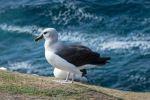
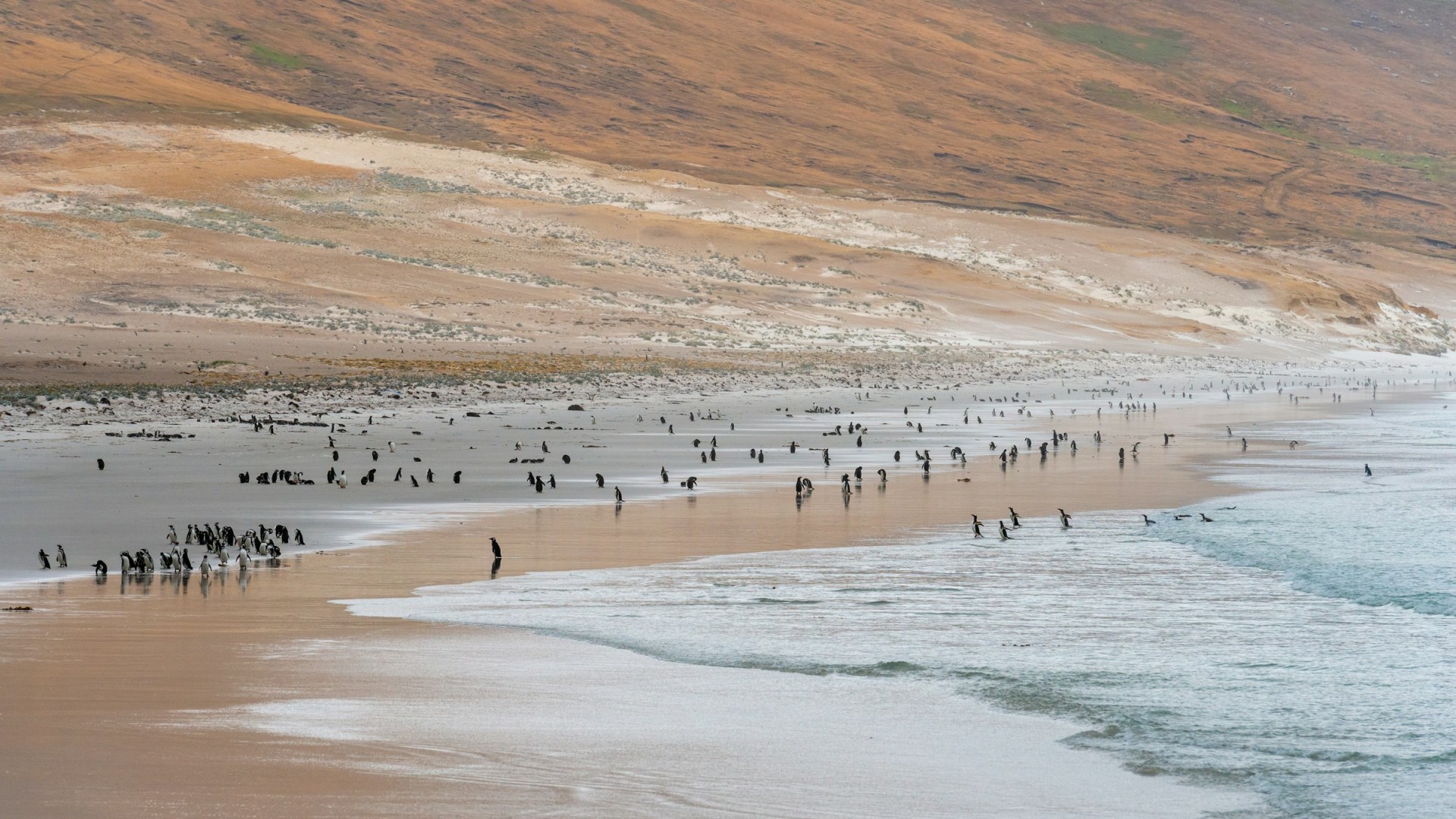
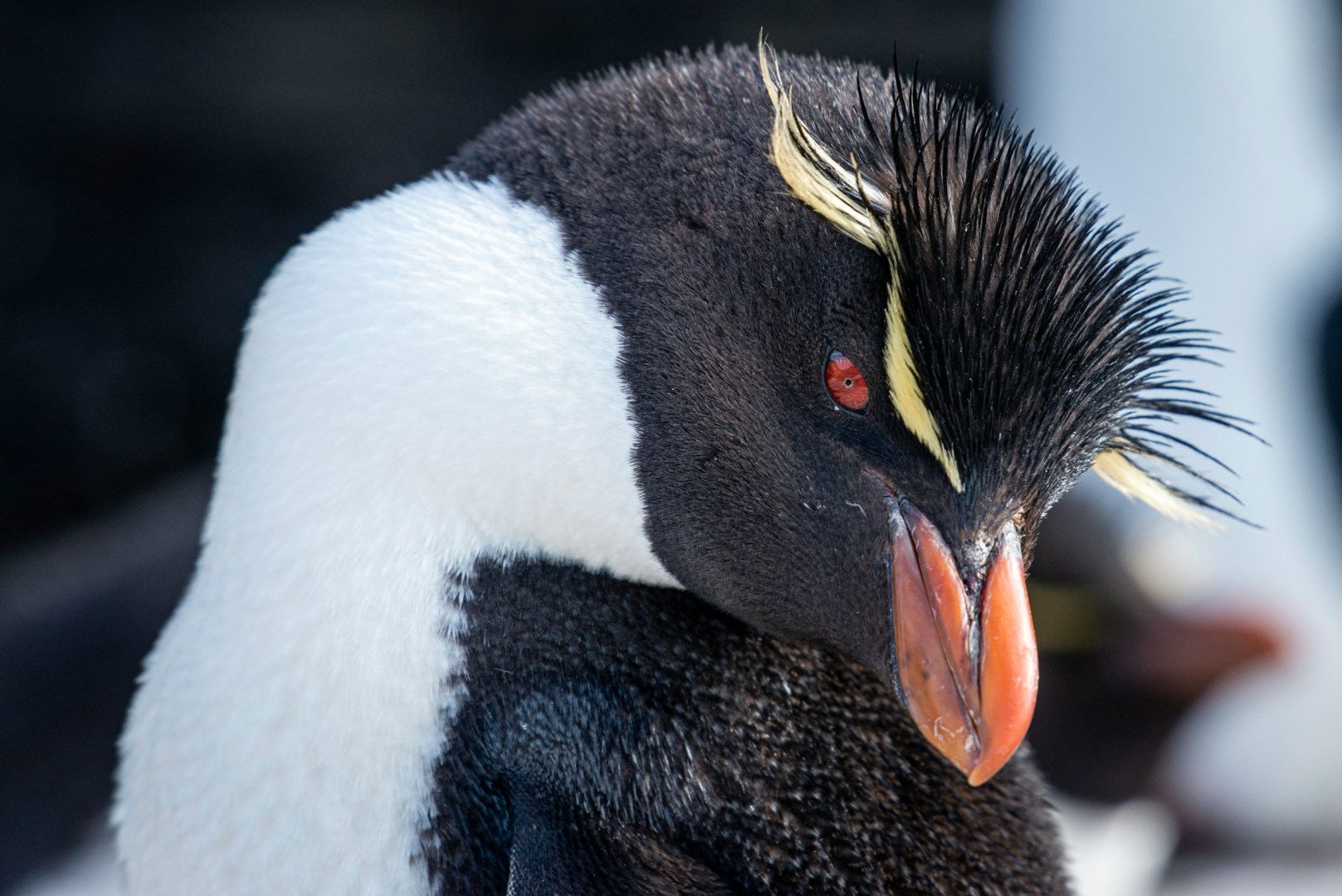
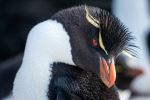
Saunders Island, located in the northwestern part of the Falkland Islands, is a haven for wildlife enthusiasts and history buffs alike. This remote and rugged island, covering over 49 square miles, offers visitors the chance to experience nature at its most pristine. Saunders Island is one of the few places in the world where you can observe five species of penguins, Gentoo, King, Magellanic, Rockhopper, and the occasional Macaroni, all in one location. The island's varied landscapes, from white sandy beaches to rolling hills and dramatic cliffs, provide the perfect backdrop for wildlife photography and leisurely hikes.
The island holds historical significance as well. It was one of the first areas in the Falklands to be settled by Europeans, with a history dating back to the late 18th century. Visitors can explore the remains of these early settlements, gaining insight into the challenging life of the island's early inhabitants. The island is still privately owned and operated as a sheep farm, adding to its rustic charm.
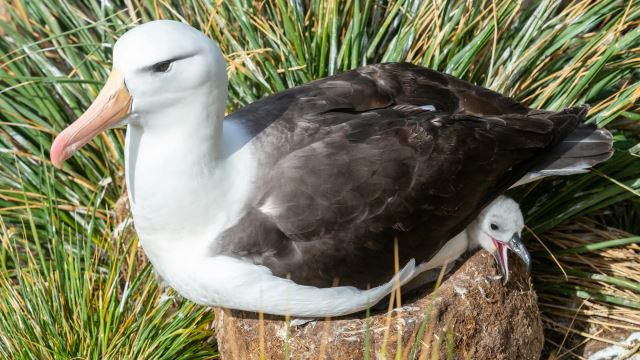
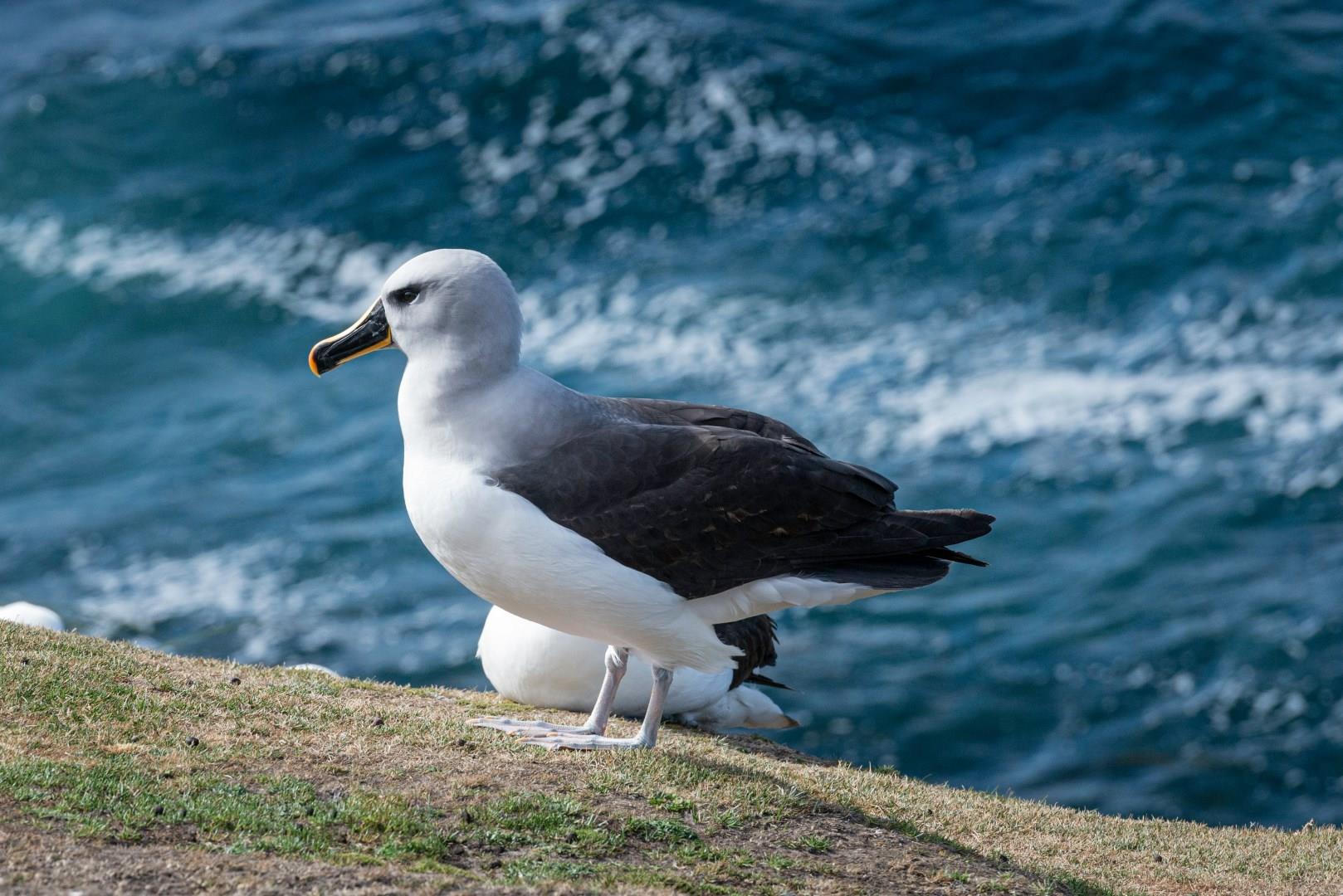
Fun fact: Saunders Island is home to the "Neck," a narrow isthmus that connects two parts of the island and is a favorite spot for photographers. This area is particularly known for its abundance of birdlife, including the striking black-browed albatross, which nests here in large numbers .
The island holds historical significance as well. It was one of the first areas in the Falklands to be settled by Europeans, with a history dating back to the late 18th century. Visitors can explore the remains of these early settlements, gaining insight into the challenging life of the island's early inhabitants. The island is still privately owned and operated as a sheep farm, adding to its rustic charm.
Fun fact: Saunders Island is home to the "Neck," a narrow isthmus that connects two parts of the island and is a favorite spot for photographers. This area is particularly known for its abundance of birdlife, including the striking black-browed albatross, which nests here in large numbers .
Other Popular Destinations in Falkland Islands

Stanley, the charming capital of the Falkland Islands, offers an enchanting glimpse into life at the edge of the world. Located on East Falkland, this quaint town is known for its picturesque harbor and colorful Victorian architecture. The town's rich maritime history is evident at the Falkland Islands Museum, which displays fascinating exhibits about the islands' past.