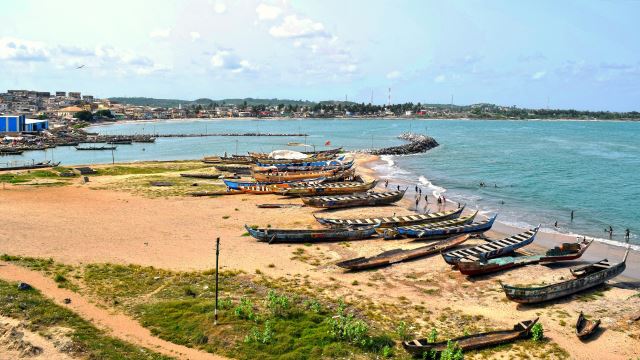



Sekondi-Takoradi, often referred to as the Western Region's commercial hub, is a dynamic urban area brimming with both historical charm and modern vibrancy. The twin cities, Sekondi and Takoradi, offer a unique blend of traditional culture and contemporary development. As Ghana's second-largest port city, Takoradi is a gateway to the region’s rich maritime heritage and booming oil industry, while Sekondi adds a historical touch with its colonial architecture and cultural significance.
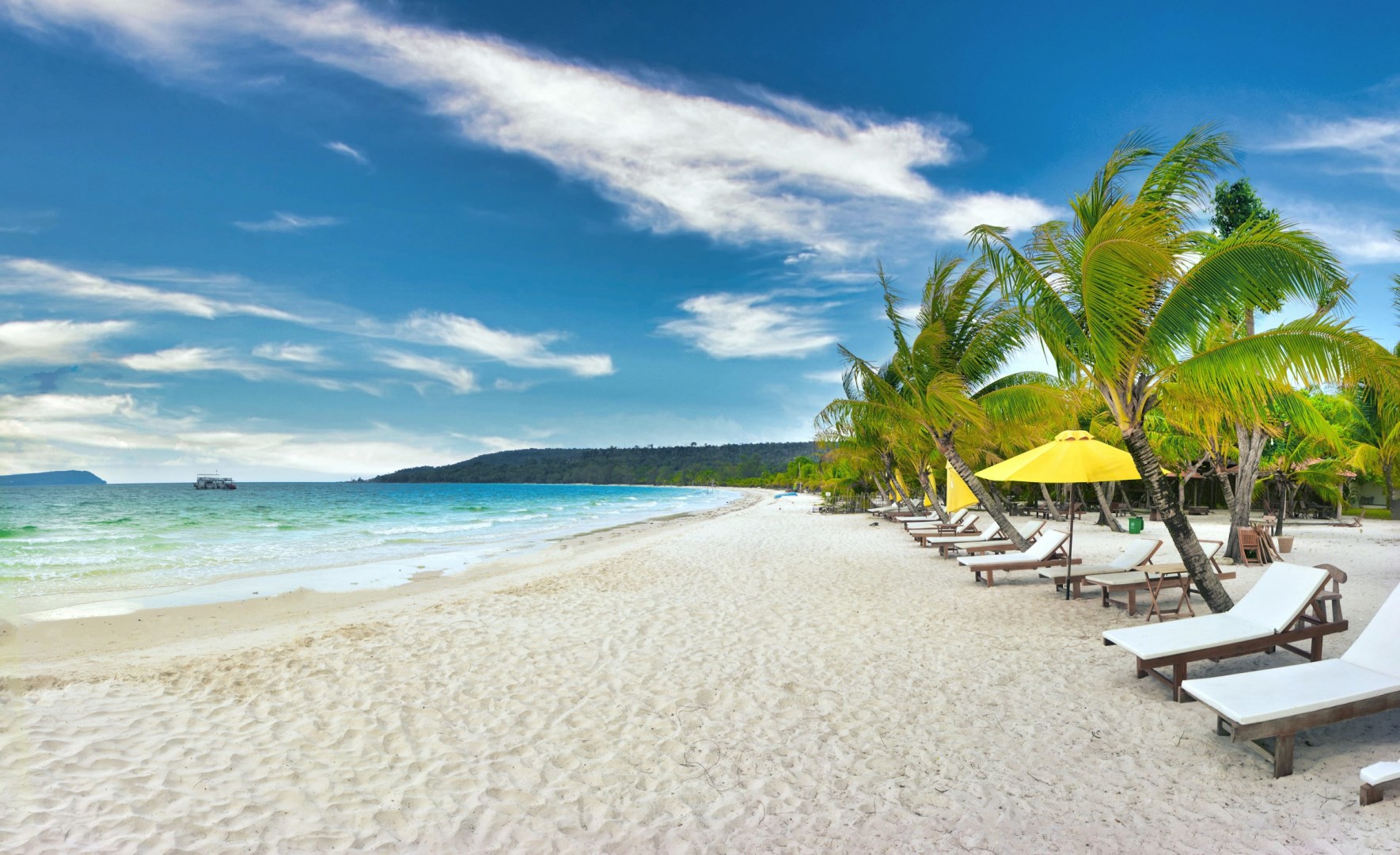
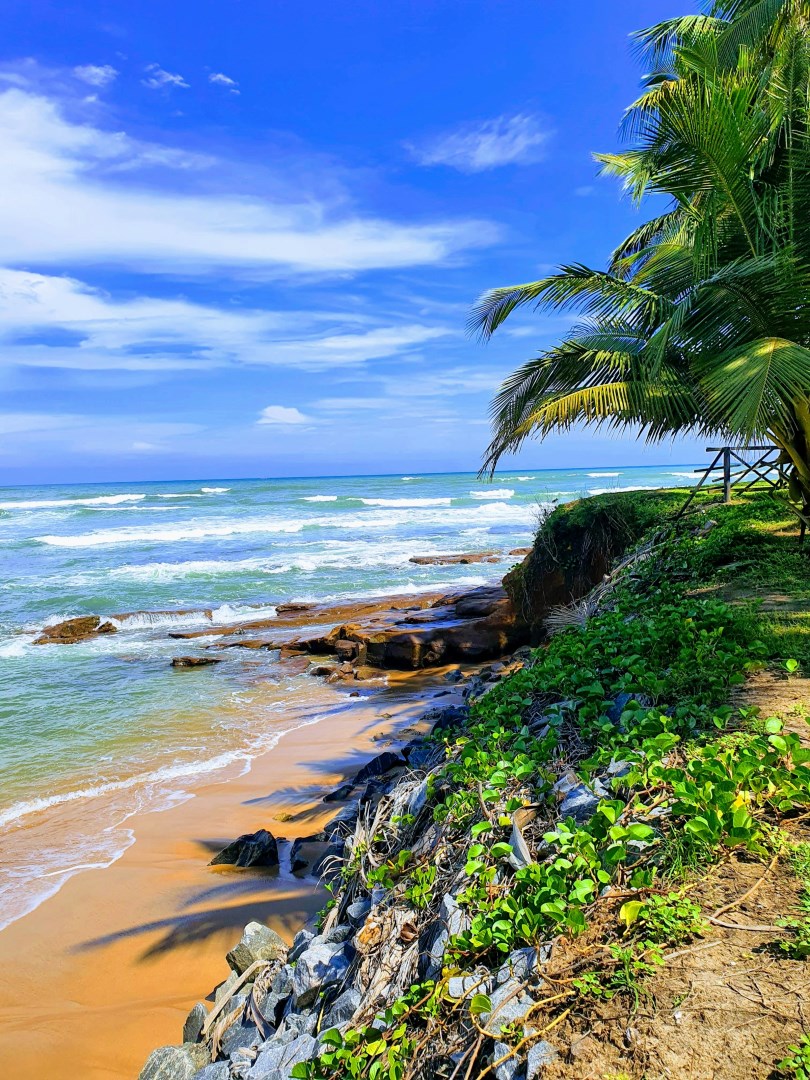
The Takoradi Harbor is a major attraction, where visitors can witness the bustling activities of one of West Africa’s most significant ports. Nearby, the vibrant Market Circle in Takoradi offers a sensory feast with its array of local goods, spices, and crafts, providing an authentic Ghanaian market experience. The beach resorts along the coastline offer pristine sands and a perfect spot to unwind after exploring the city's lively streets.
Sekondi-Takoradi is also home to the Fort Orange, a historic fort built by the Dutch in the 17th century. This fort, now a museum, gives visitors insight into the colonial past of the region and its significance in the trans-Atlantic trade.
For the best experience, plan your visit between November and March, when the weather is pleasant and the city buzzes with various festivals and events.
The Takoradi Harbor is a major attraction, where visitors can witness the bustling activities of one of West Africa’s most significant ports. Nearby, the vibrant Market Circle in Takoradi offers a sensory feast with its array of local goods, spices, and crafts, providing an authentic Ghanaian market experience. The beach resorts along the coastline offer pristine sands and a perfect spot to unwind after exploring the city's lively streets.
Sekondi-Takoradi is also home to the Fort Orange, a historic fort built by the Dutch in the 17th century. This fort, now a museum, gives visitors insight into the colonial past of the region and its significance in the trans-Atlantic trade.
For the best experience, plan your visit between November and March, when the weather is pleasant and the city buzzes with various festivals and events.
Other Popular Destinations in Ghana
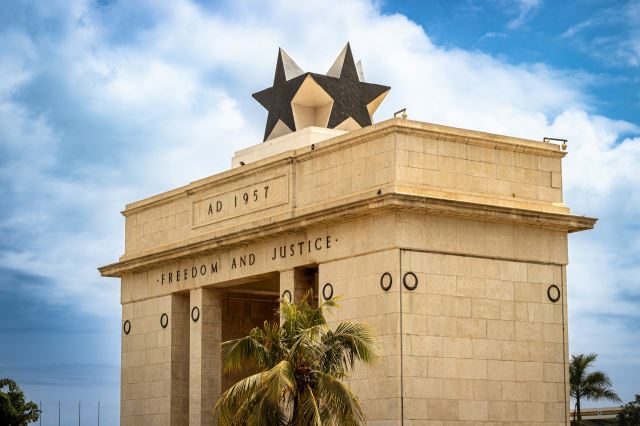
Accra, Ghana’s vibrant capital, blends coastal charm with an energetic urban atmosphere. Situated along the Atlantic Ocean, the city is a hub for arts, culture, and history, offering travelers a lively introduction to the country.