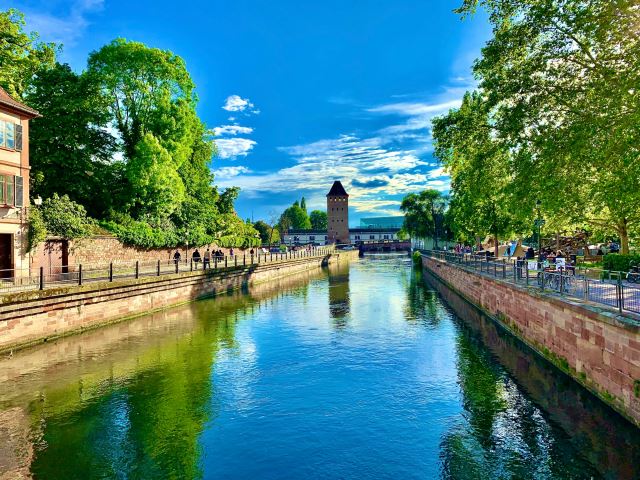



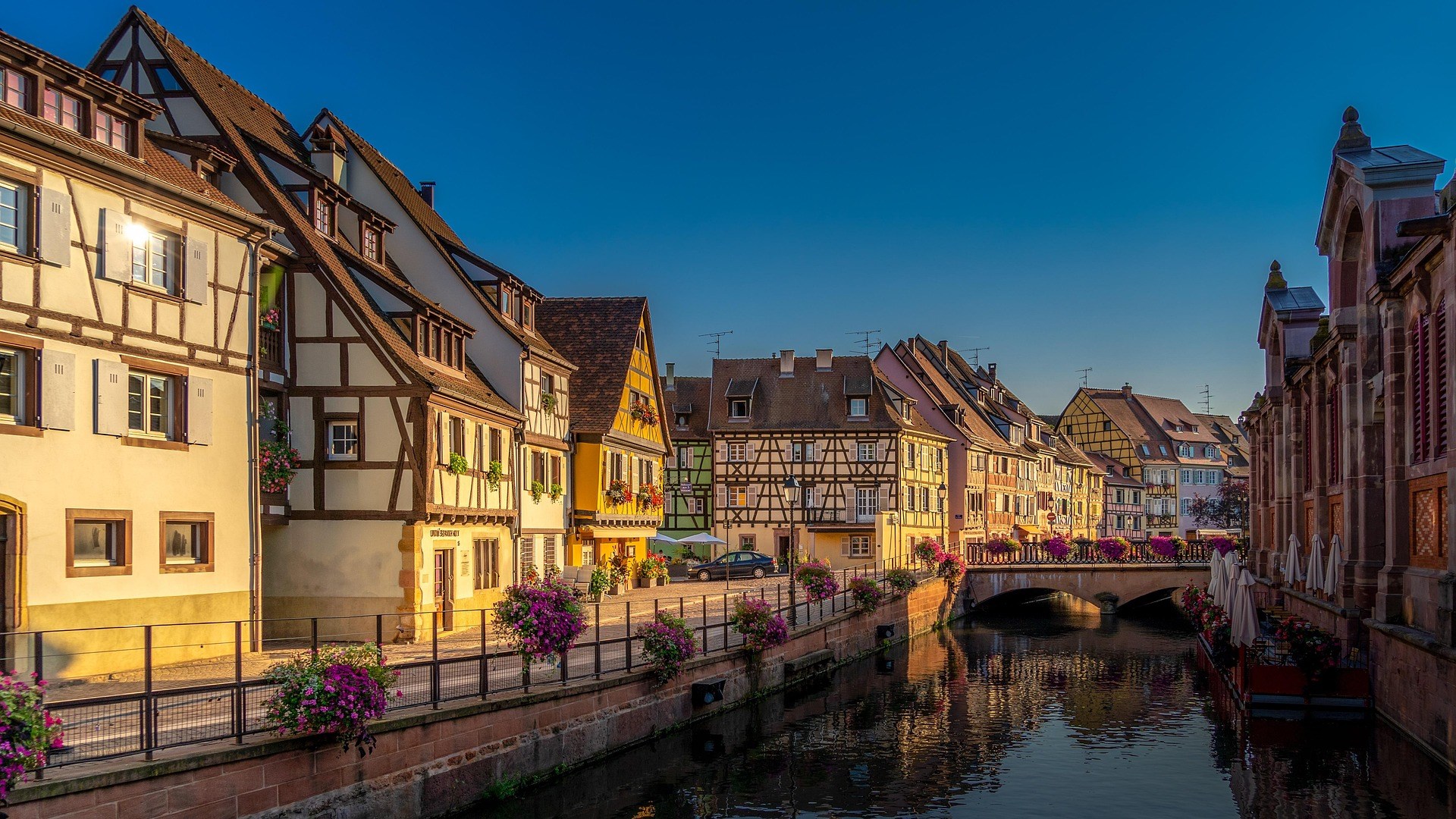

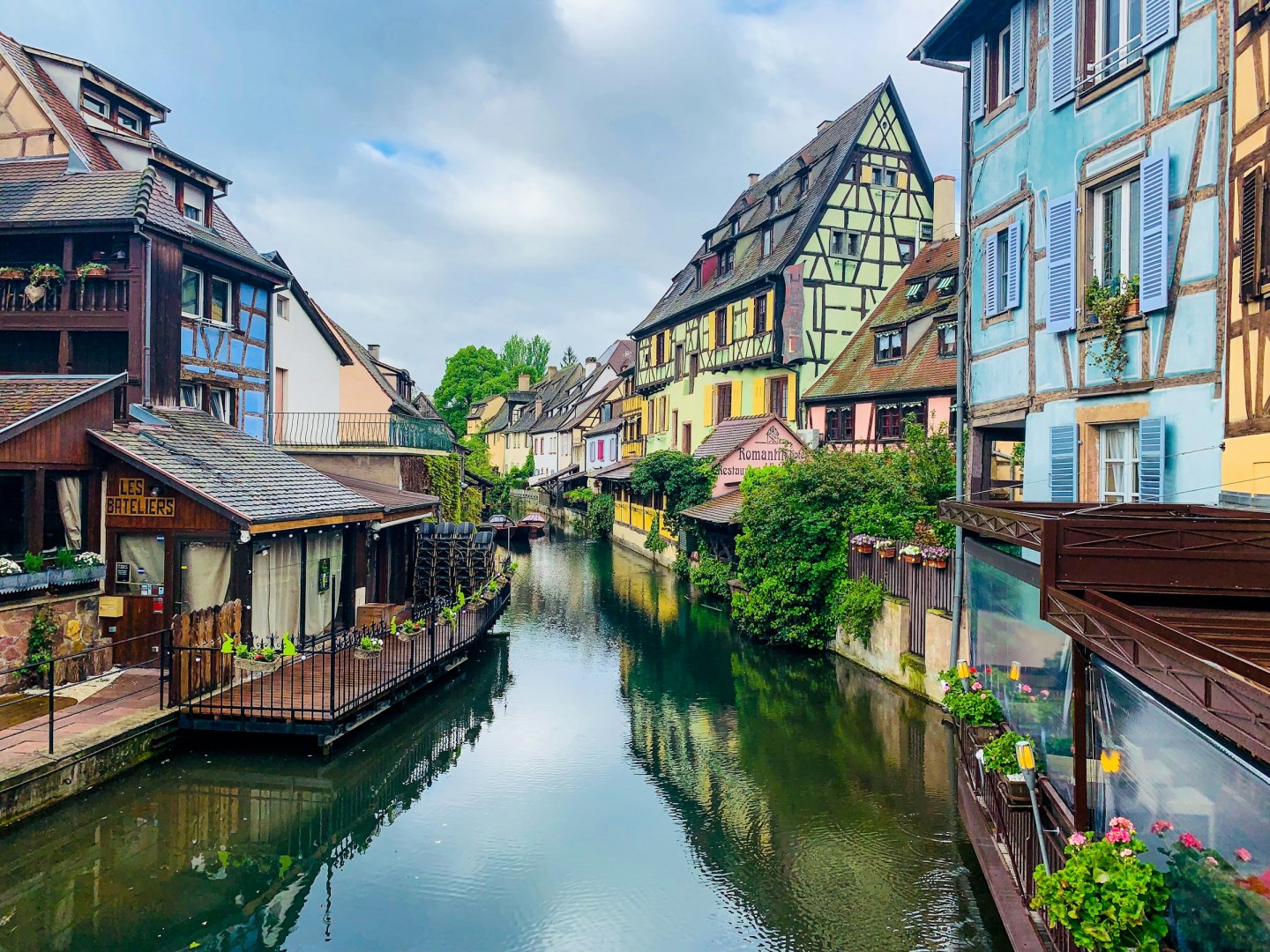
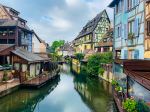
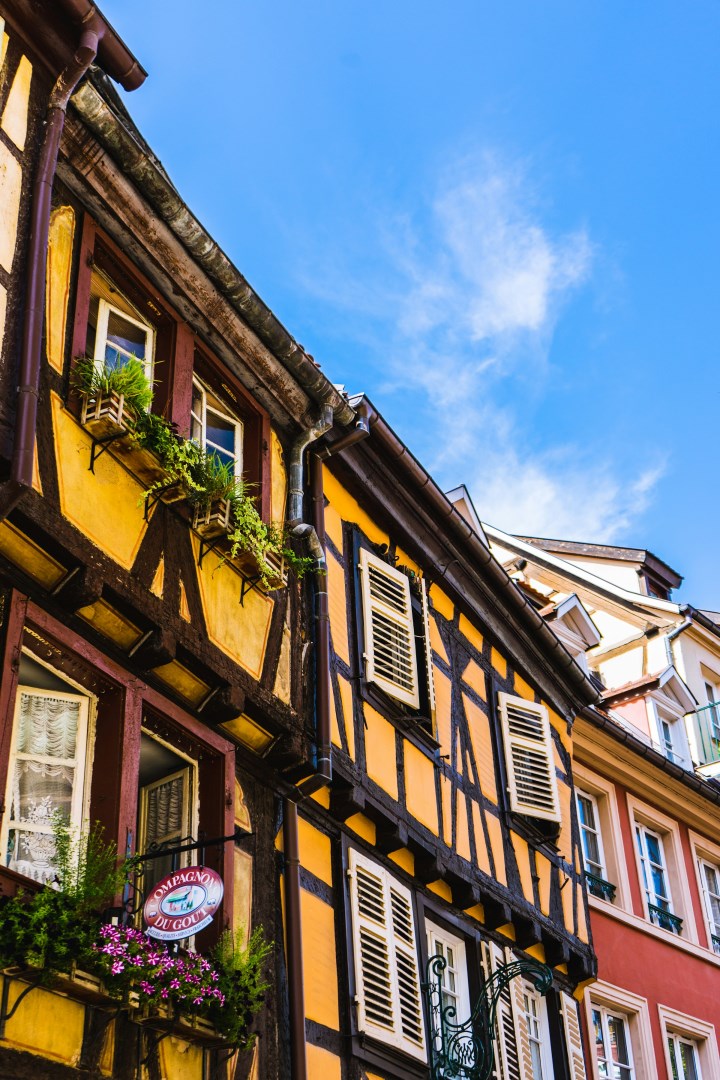

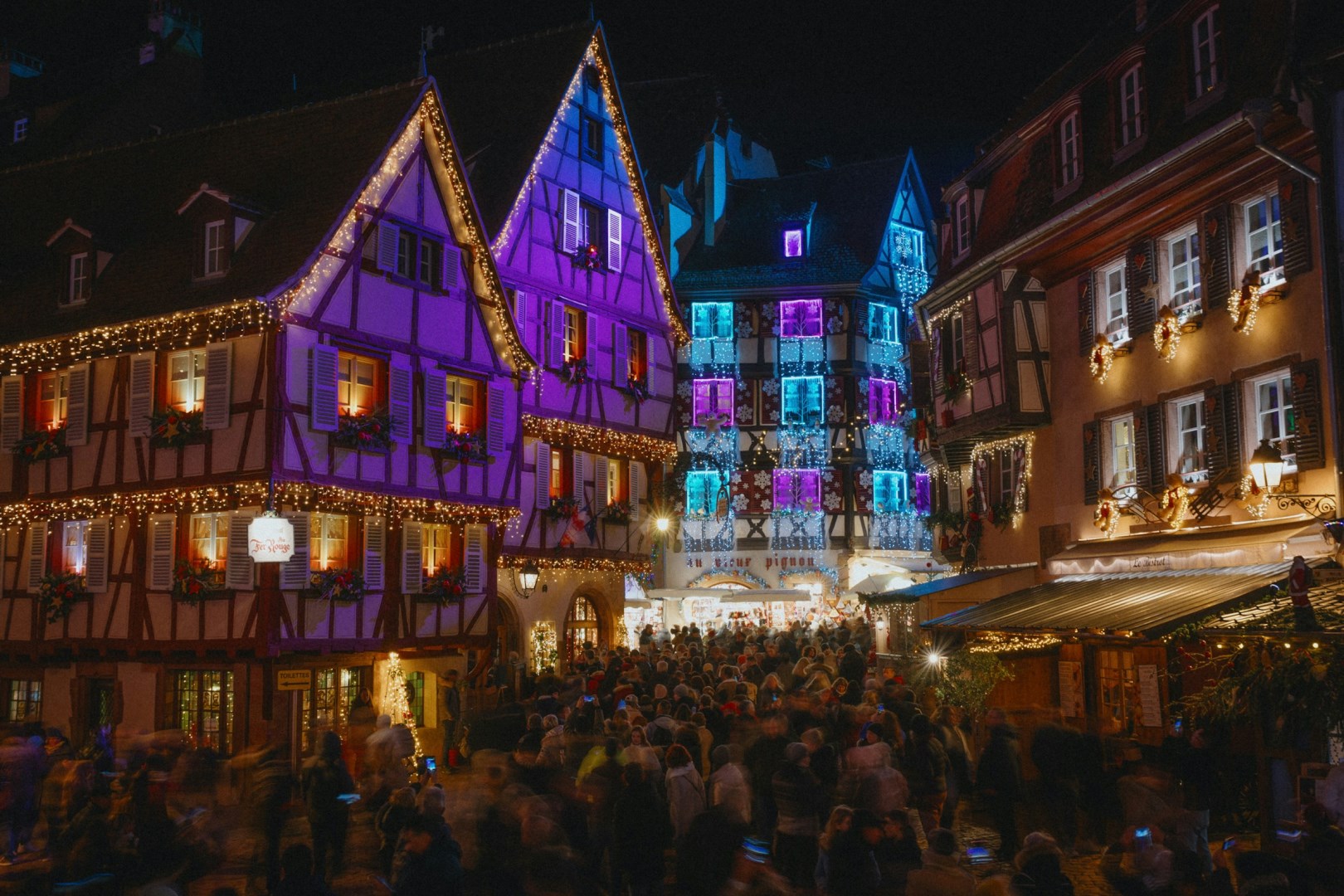
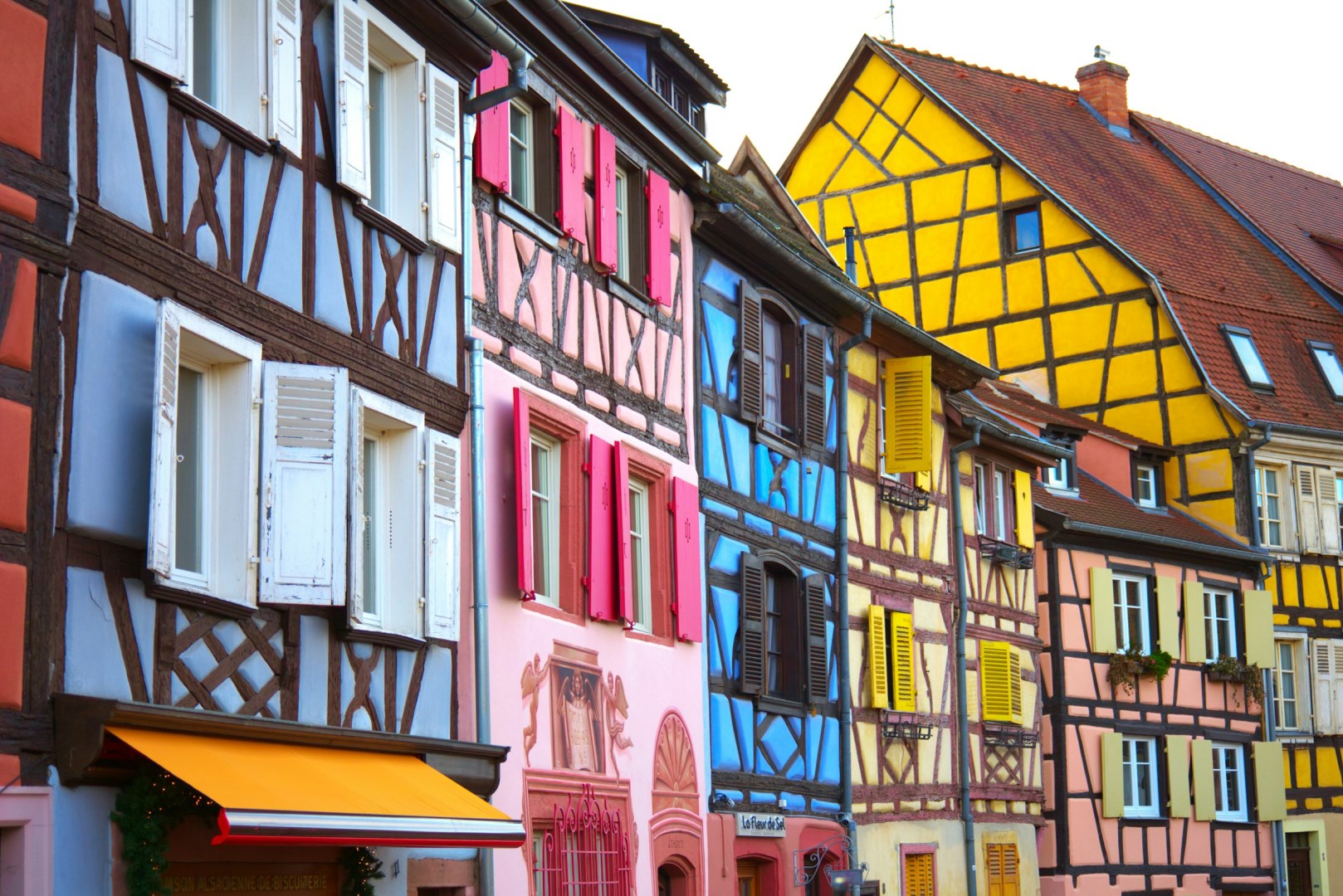
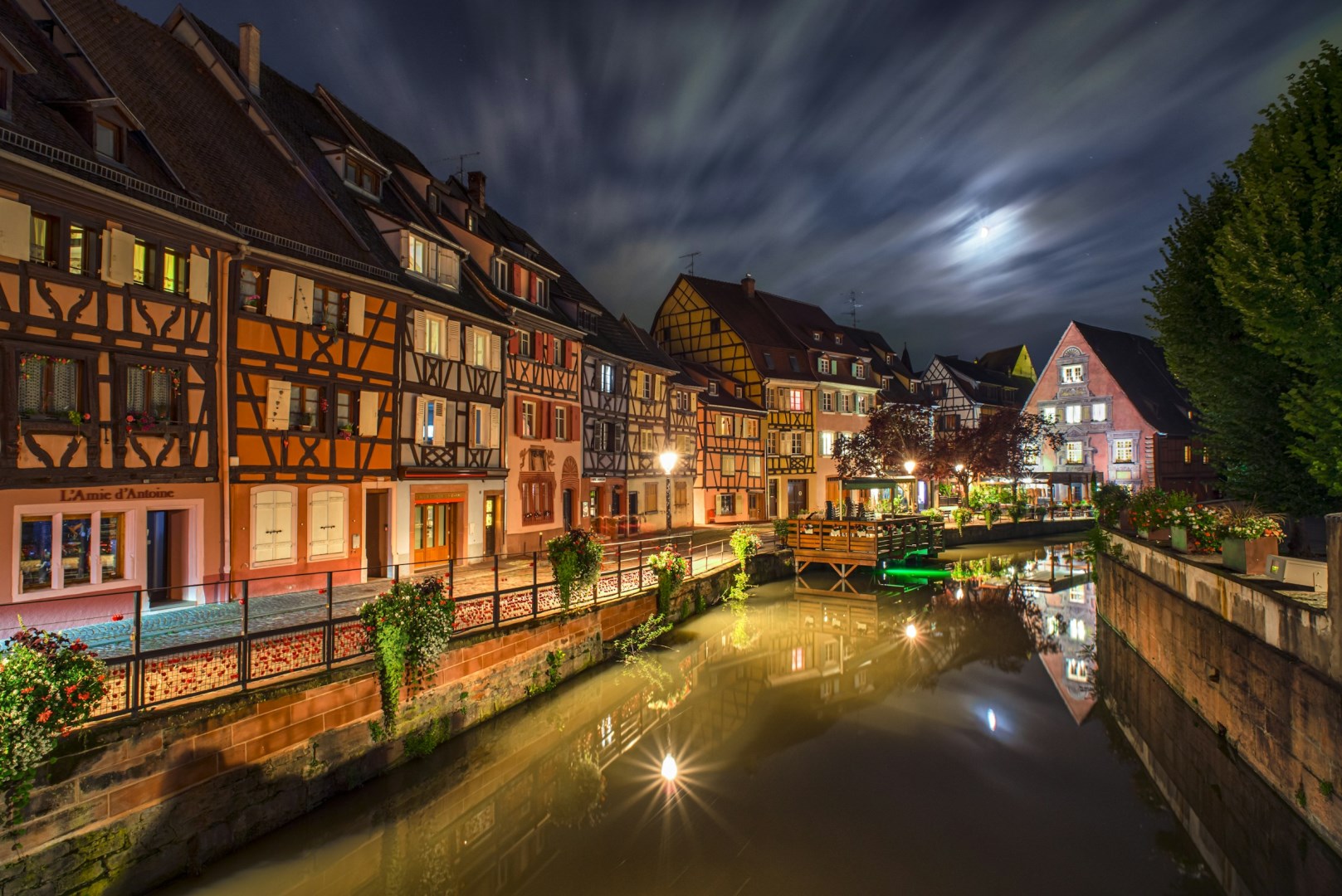
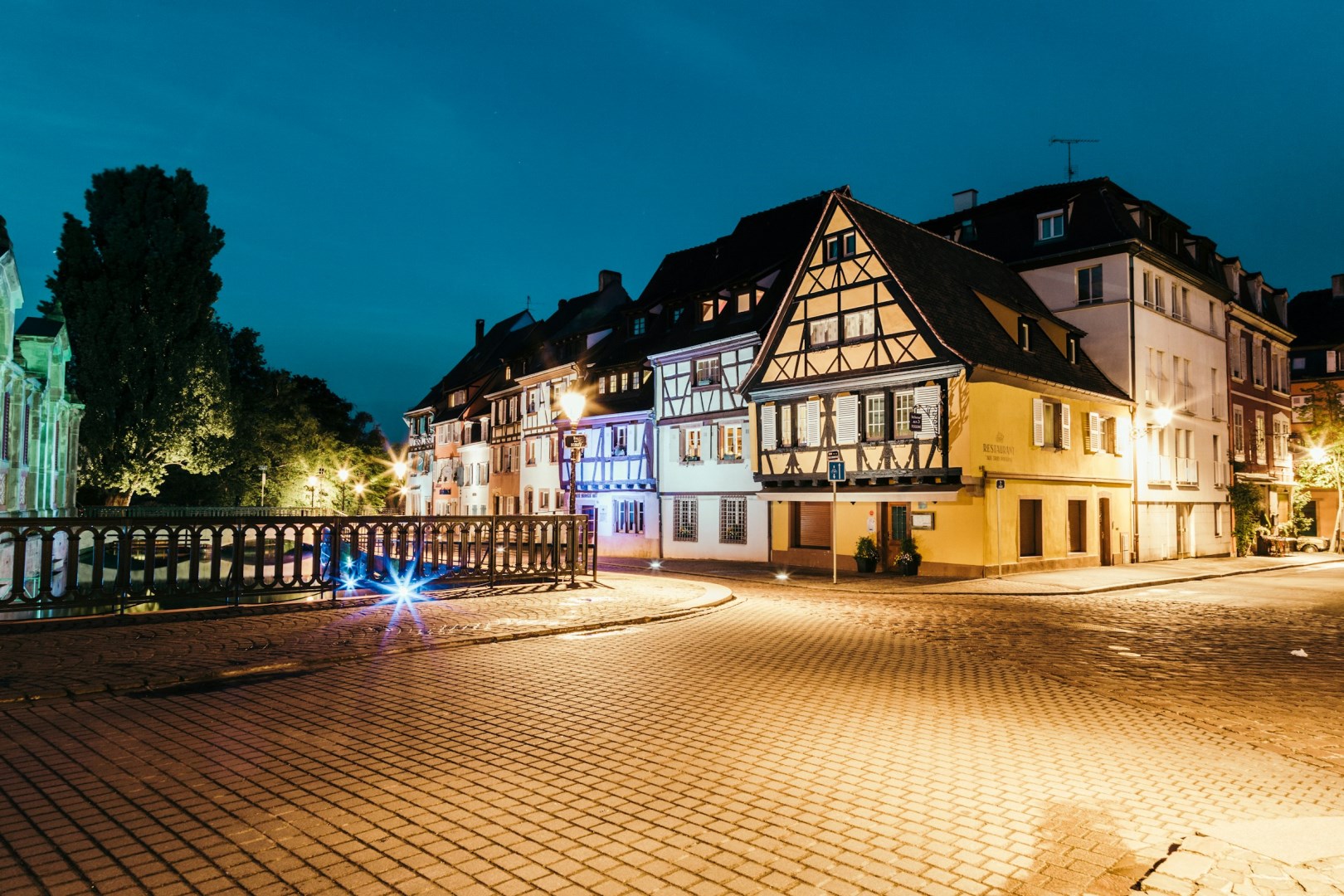

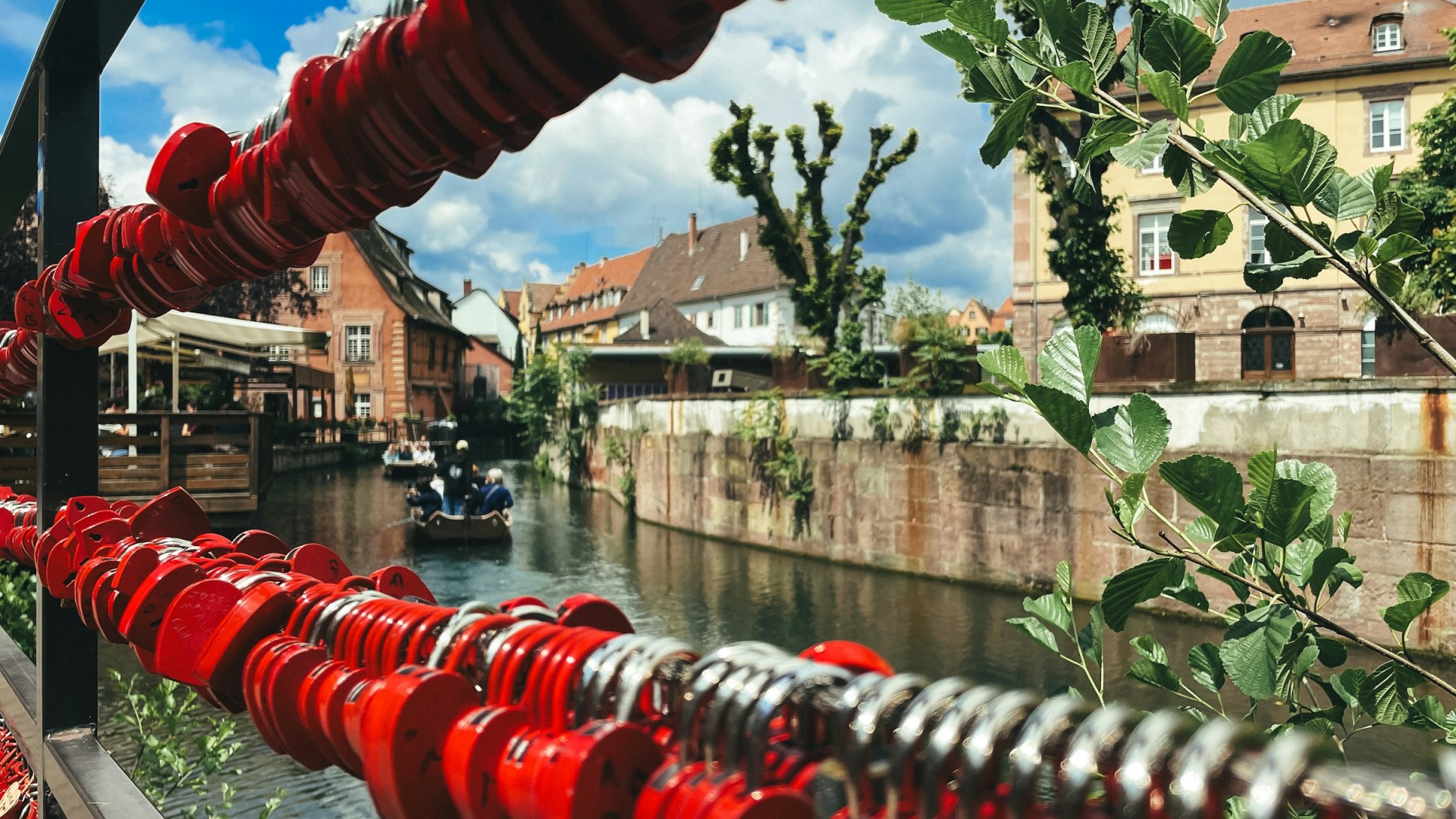

Colmar is a city in Alsace, northeastern France, situated between the Vosges Mountains and the Rhine plain. Its historic centre is known for canals, narrow streets, colourful timber-framed houses, and buildings with carved details that reflect the region's Germanic and French influences. The Lauch River passes through the district known as Little Venice, while the covered market, old customs house, and former merchant houses add to the architectural variety. Colmar is also surrounded by vineyards, making it an important centre for exploring the Alsace Wine Route and nearby villages.
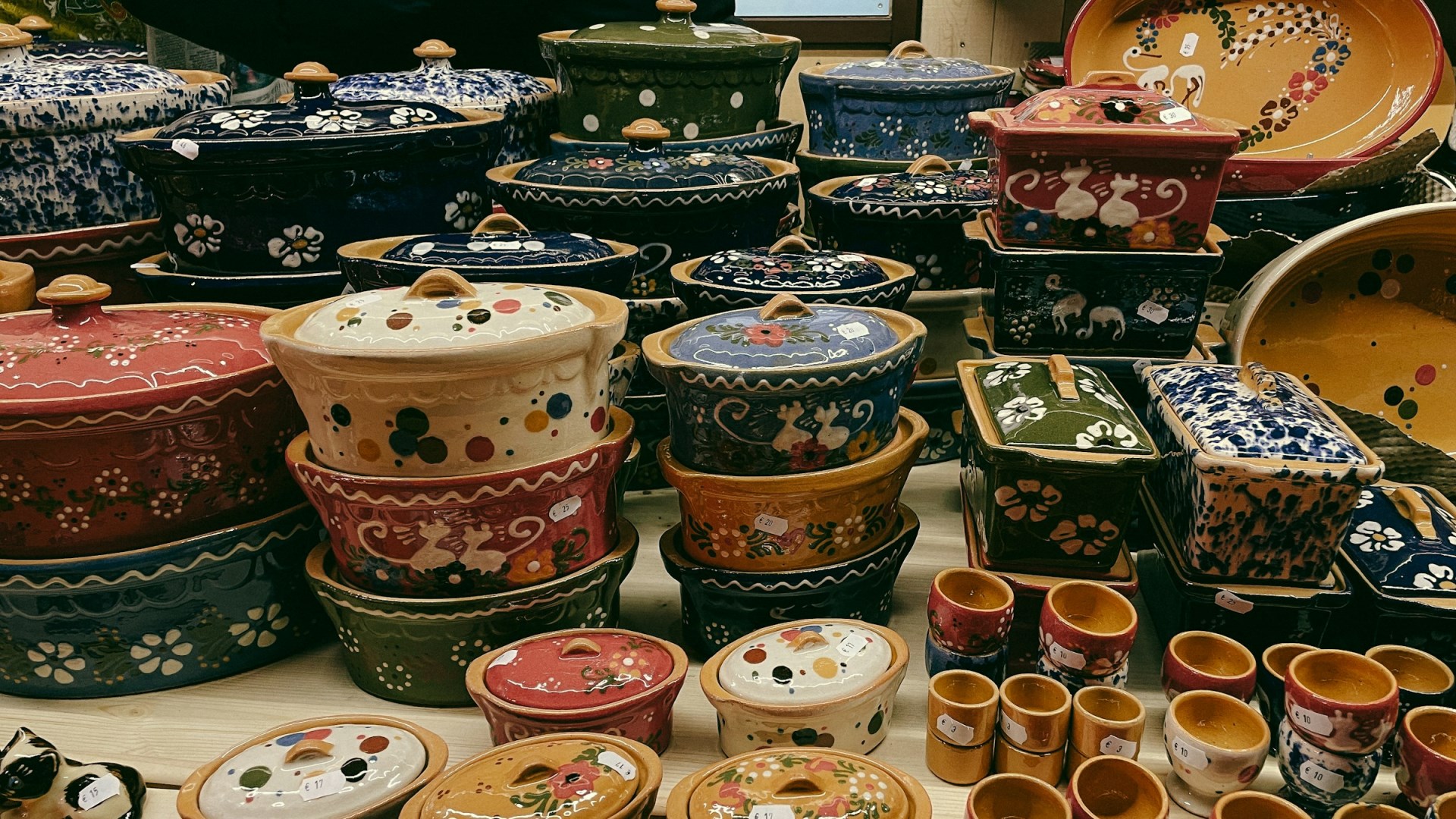
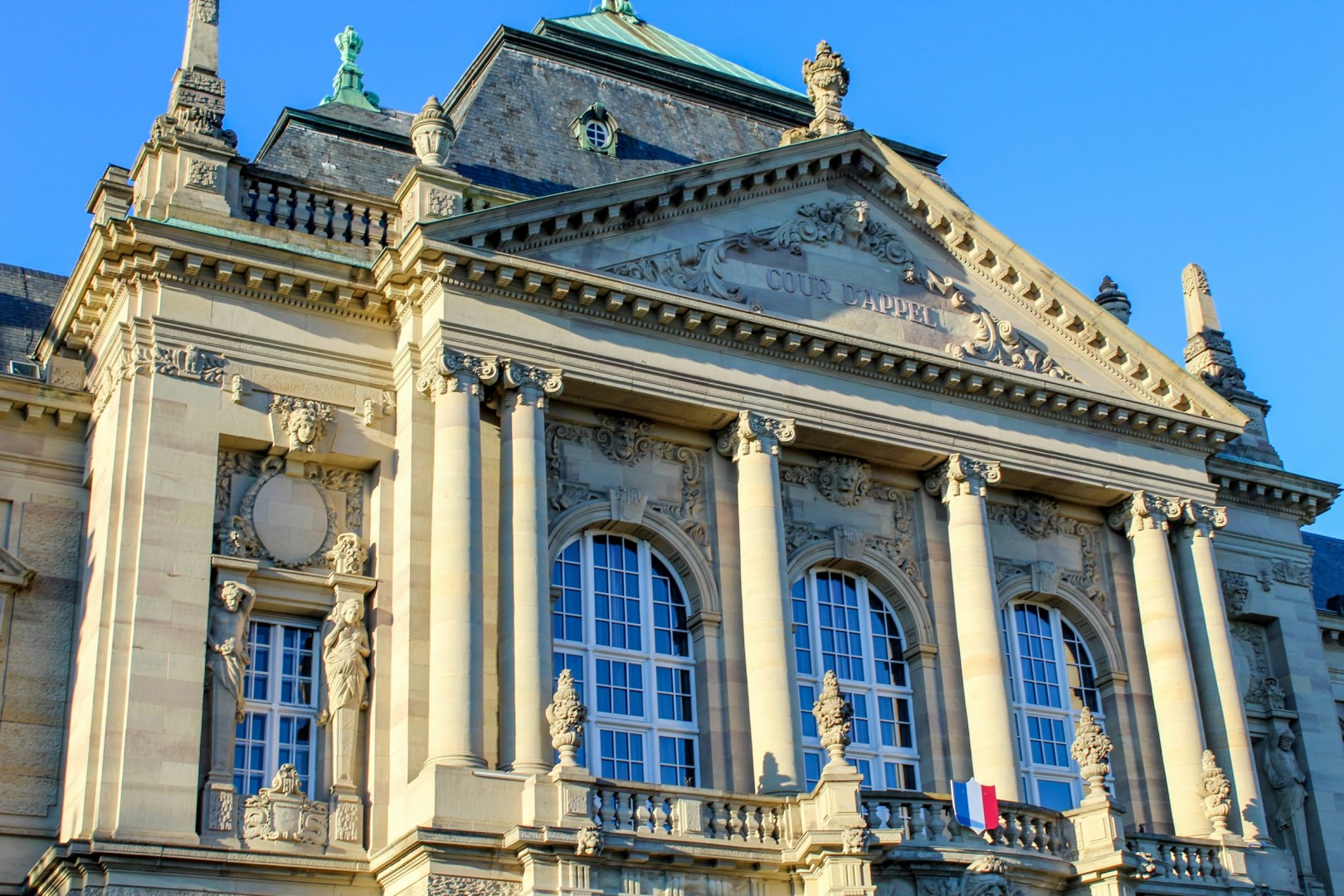
Colmar's history reflects its position at a cultural crossroads. The city contains churches, merchant houses, and public buildings representing several architectural periods, including the Gothic Collégiale Saint-Martin and the former Dominican convent. The Unterlinden Museum occupies a former convent and is particularly known for the Isenheim Altarpiece, while the Bartholdi Museum commemorates Frédéric Auguste Bartholdi, the sculptor born in Colmar who created the Statue of Liberty. Alsatian traditions remain visible in local architecture, festivals, crafts, and cuisine, with both French and Germanic influences evident in everyday life.
The old town is the main focus for visitors, with walking routes along the Lauch, through Little Venice, and around the medieval and Renaissance streets. The Pfister House, Koïfhus, and Maison des Têtes are among the city's notable historic buildings, while the Unterlinden Museum provides a major collection of European art. Outside Colmar, the surrounding vineyards lead toward villages such as Eguisheim, Kaysersberg, and Riquewihr. The Vosges Mountains rise west of the city, offering forests, ridges, lakes, and walking routes that contrast with the vineyards and cultivated plain around Colmar.
Colmar's food reflects Alsace's mixture of French and Germanic culinary traditions. Local specialities include choucroute garnie, baeckeoffe, tarte flambée, and kougelhopf, while Munster cheese is produced in the nearby Vosges. Alsace is also known for white wines made from varieties such as Riesling, Gewürztraminer, and Pinot Gris, and Colmar sits within the region's main wine-growing area. A distinctive local detail is the city's relationship with vineyards: the surrounding hillsides are planted with narrow rows of vines, and many villages along the nearby wine route combine wine cellars with traditional half-timbered architecture.
Other Popular Destinations in France