
Africa | South Africa | Manyeleti Game Reserve
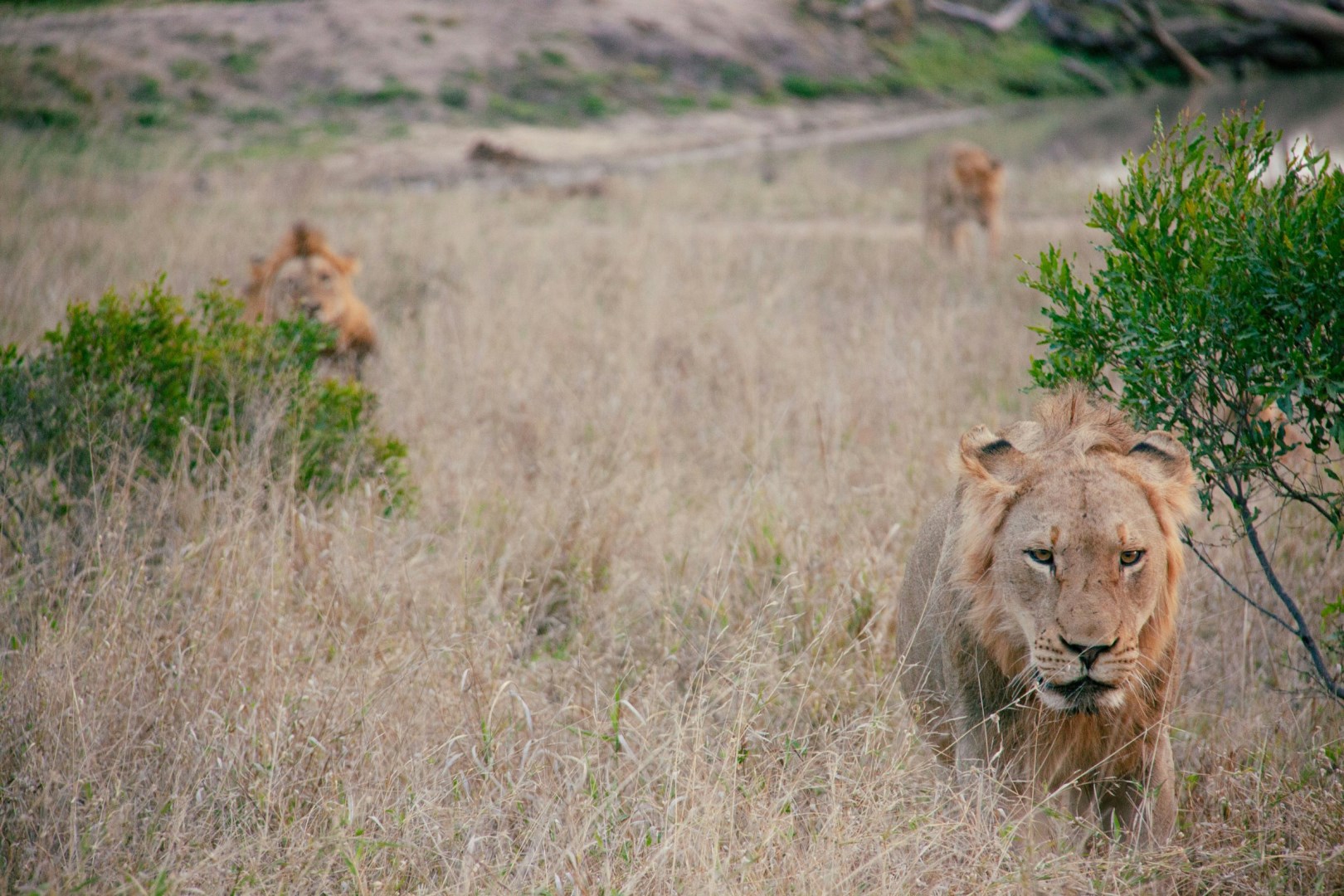
Manyeleti Game Reserve is a protected wildlife area in Mpumalanga, forming part of the Greater Kruger ecosystem. It covers about 23,000 hectares and shares unfenced boundaries with Kruger National Park, Timbavati Game Reserve, and Sabi Sand. The name Manyeleti comes from the local Shangaan language and means “place of stars,” reflecting the clear night skies of the Lowveld. Its landscape consists of open grassland, mixed woodland, riverine vegetation, and seasonal watercourses. The reserve is known for its relatively small number of lodges and its connection to a much larger landscape through which wildlife can move freely.
Manyeleti has an important history connected with South Africa’s apartheid era and the communities of the Lowveld. It was established as a game reserve specifically for Black South Africans at a time when access to many other reserves was restricted. The area has long-standing connections with Shangaan communities, and land ownership and community participation remain important aspects of its modern conservation story. The reserve is managed through a combination of public conservation and tourism interests, with surrounding communities benefiting from employment, tourism activity, and infrastructure linked to the protected area.
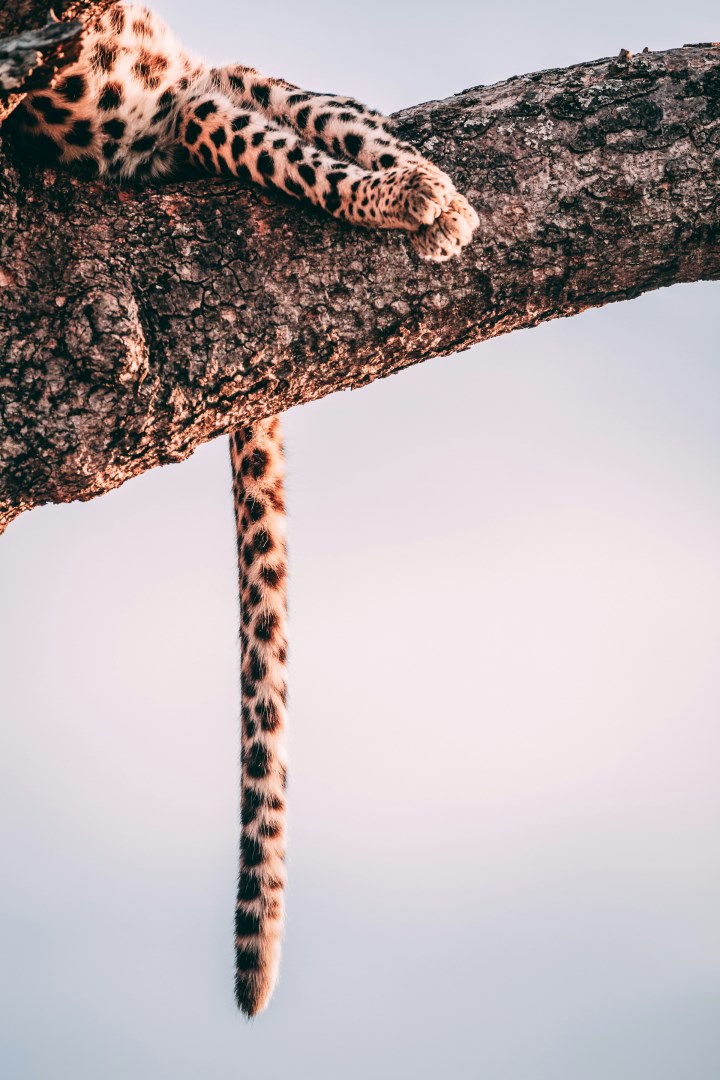
Manyeleti supports the African Big Five: elephant, lion, leopard, rhinoceros, and buffalo. Leopards are particularly associated with the reserve, while cheetahs, hyenas, African wild dogs, giraffes, zebras, wildebeest, kudu, nyala, and sable antelope may also be encountered. More than 300 bird species have been recorded in the wider area, including raptors and woodland species. Visitors can explore the reserve on guided open-vehicle game drives, walking safaris, and self-drive routes. The unfenced boundary with Kruger allows animals to cross between protected areas, creating a much larger habitat than the reserve’s own boundaries suggest.
The Lowveld environment influences the food served at lodges and camps, where South African dishes commonly feature grilled meat, stews, seasonal vegetables, and locally sourced produce. Traditional braai-style meals are also associated with outdoor safari dining. Manyeleti’s clear skies make nighttime an important part of the experience, with the reserve’s name highlighting its connection to stargazing. Another distinctive feature is its historical role in providing access to a protected wildlife area for Black South Africans during apartheid, giving the reserve significance beyond its wildlife. Today, conservation, tourism, and community interests remain closely connected within the Manyeleti landscape.
Other Popular Destinations in South Africa