

USA | California | Channel Islands National Park
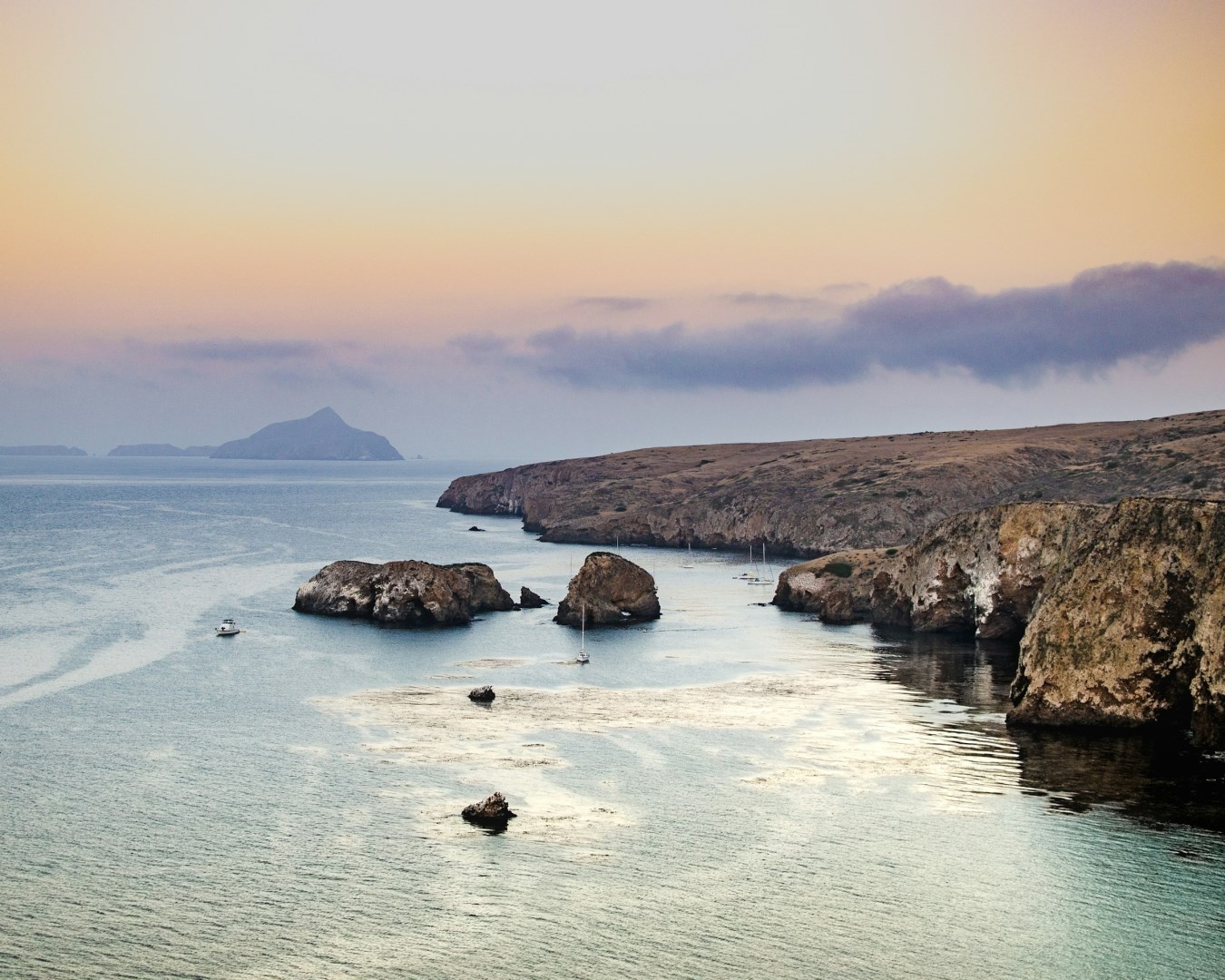

Channel Islands National Park protects five islands and the surrounding waters off the coast of Southern California: Anacapa, Santa Cruz, Santa Rosa, San Miguel, and Santa Barbara Island. Separated from the mainland by the Santa Barbara Channel, the islands contain steep cliffs, sea caves, beaches, grasslands, and rugged hills shaped by wind and ocean conditions. The park is accessible only by boat or aircraft, and there are no roads connecting its islands. Its isolation has helped preserve ecosystems that differ from those found on the nearby mainland.
The islands have deep cultural connections to the Chumash and Tongva peoples, who lived along the Southern California coast and traveled to the islands by plank canoe. Archaeological sites provide evidence of long-term Indigenous occupation, while the islands later became associated with ranching, fishing, farming, and commercial activities. Santa Cruz Island contains historic ranch buildings that reflect its agricultural past. The National Park Service and its partners now protect both cultural resources and natural habitats, recognizing that the islands' human history is closely connected to their surrounding marine environment.
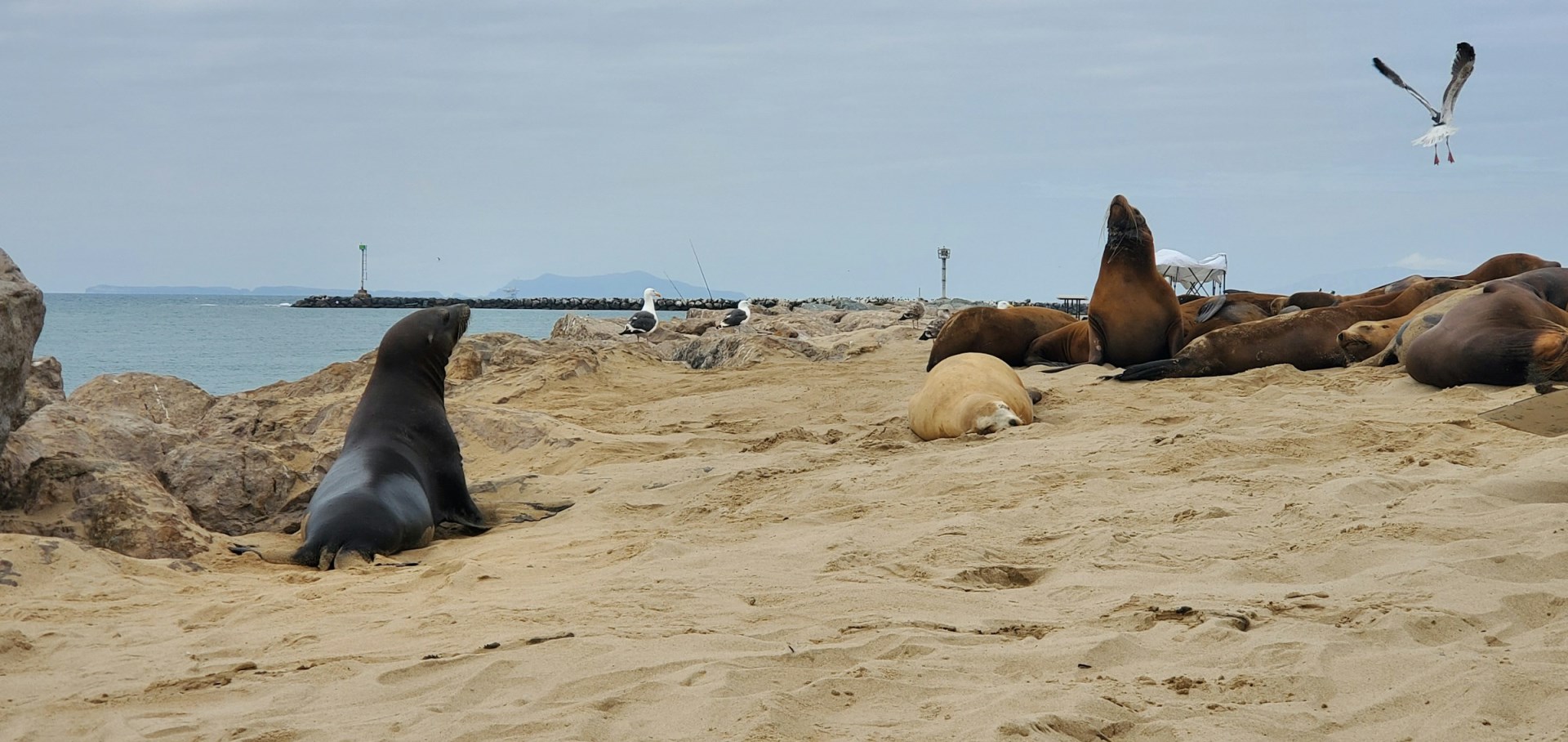
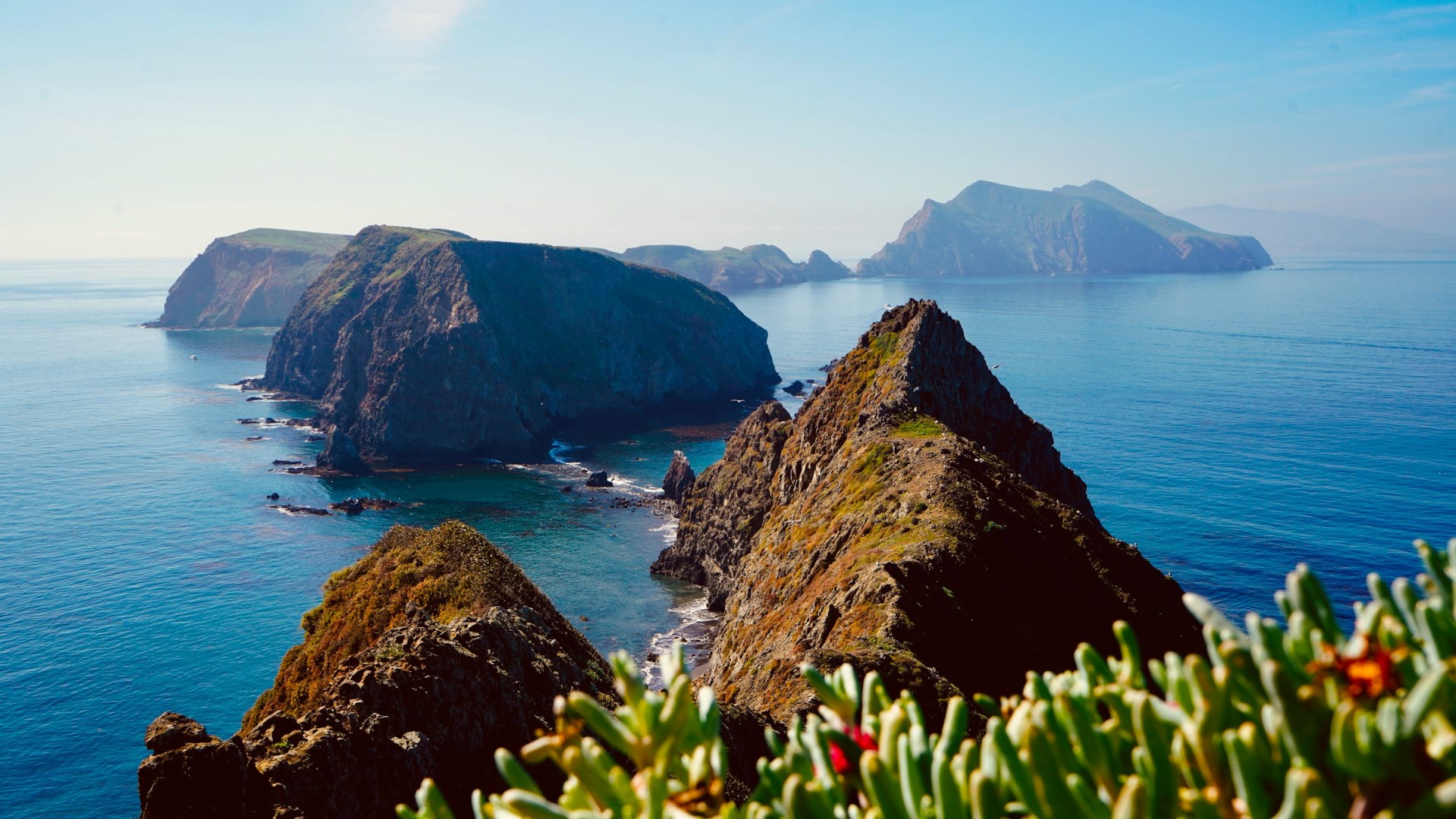
The park's landscapes and wildlife are its defining attractions. Visitors can hike across island trails, explore beaches and sea caves, kayak along the coast, snorkel in kelp forests, and observe seabirds and marine mammals. Anacapa Island is known for its dramatic cliffs and offshore rock formations, while Santa Cruz Island contains rugged mountains, canyons, and extensive coastal habitat. The surrounding waters support sea lions, seals, dolphins, whales, and colorful fish. The kelp forests are particularly important marine habitats, providing shelter and food for a wide variety of species.
Channel Islands National Park is also notable for its endemic species, which evolved in isolation from mainland populations. The island fox is perhaps the best-known example, with distinct subspecies found on several islands. Island scrub-jays occur only on Santa Cruz Island, while the Santa Cruz Island silver lotus and other plants are also restricted to the archipelago. Visitors may encounter these species while hiking or exploring the islands, but access is carefully managed to protect fragile habitats. The combination of isolation, endemic wildlife, archaeological sites, and rich coastal waters makes the Channel Islands a distinctive part of California's natural heritage.
Other Popular Destinations in California