

South America | Ecuador | Cotopaxi National Park
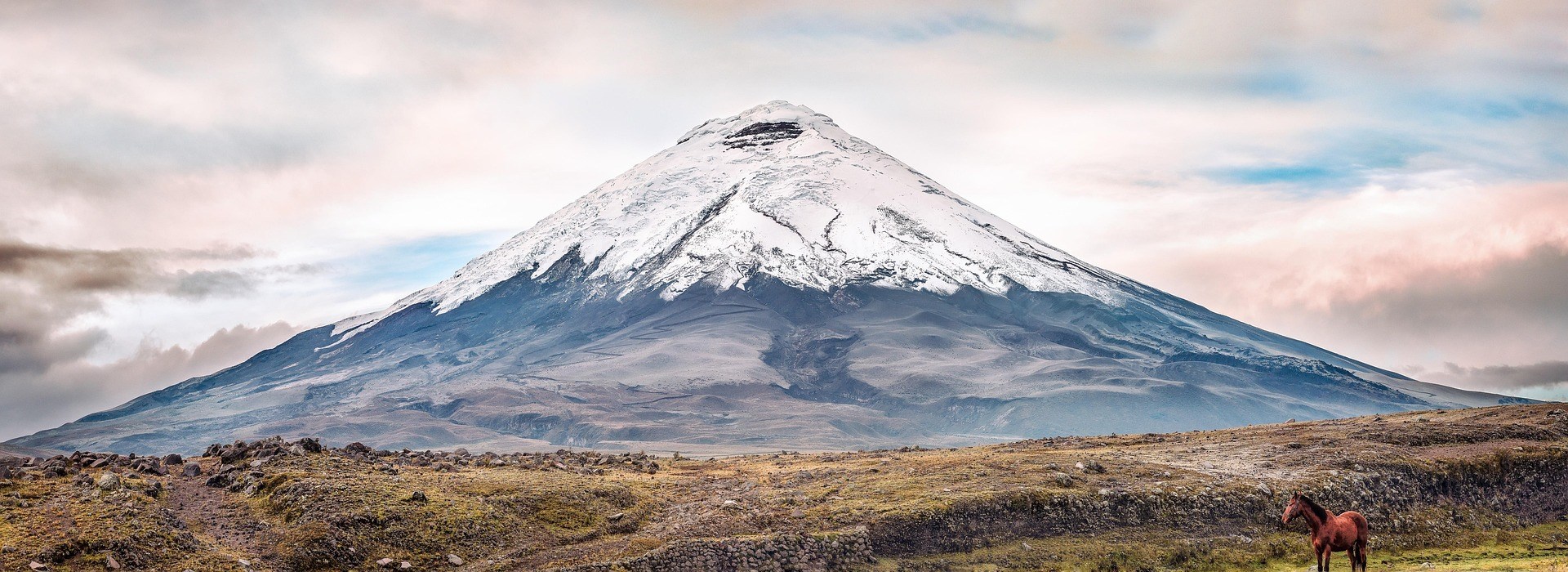

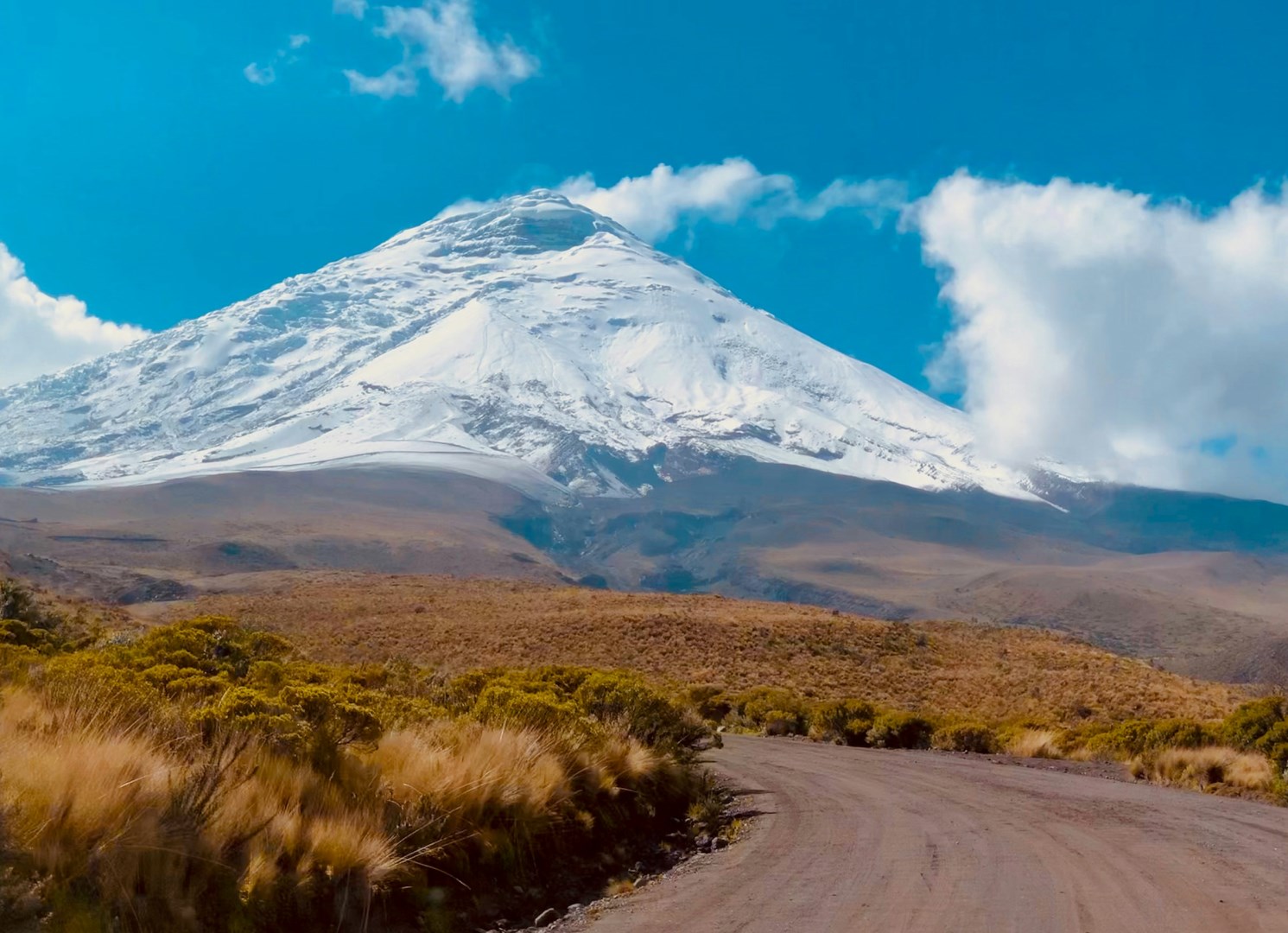
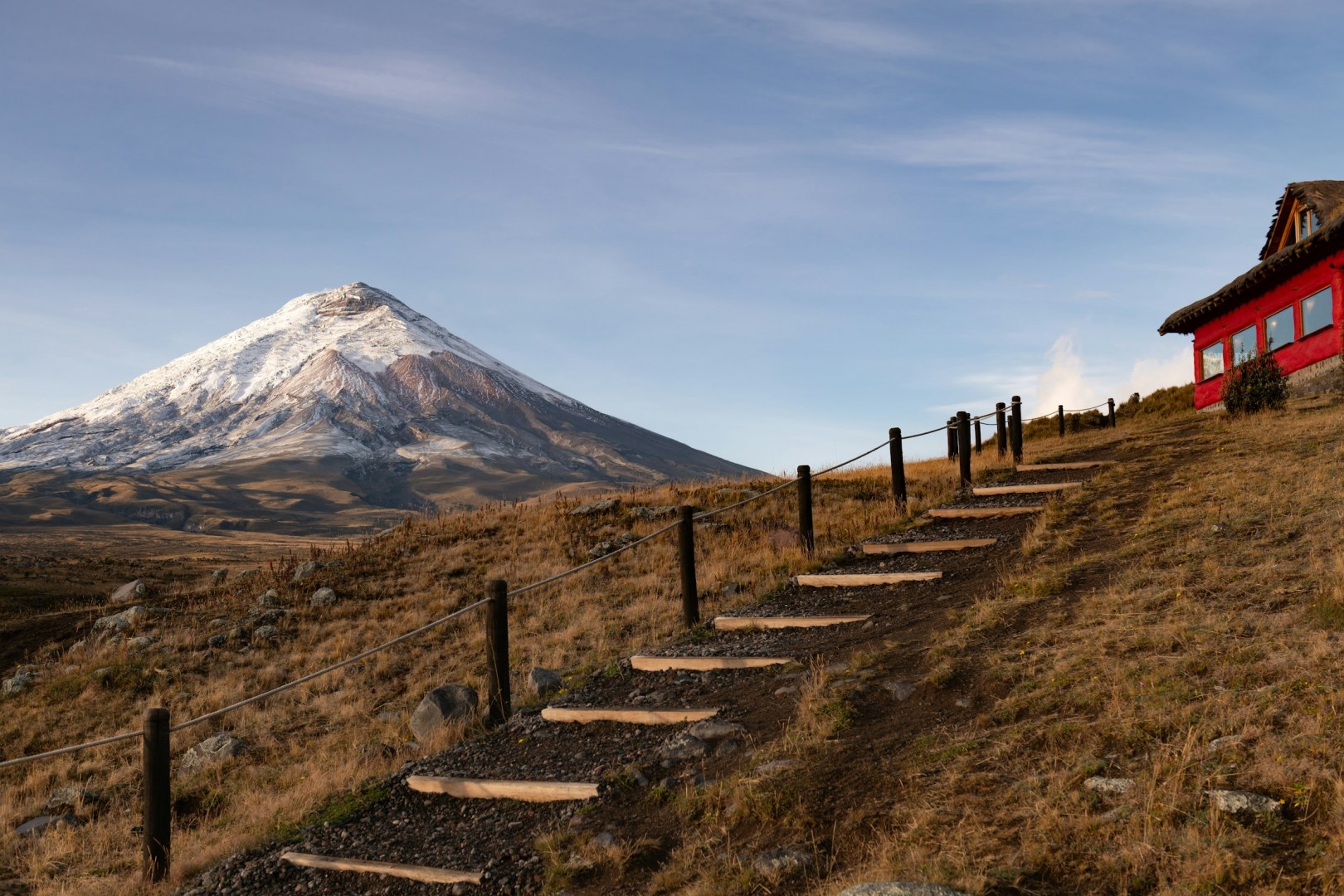

Cotopaxi National Park is a protected Andean landscape in Ecuador, located around the snow-capped Cotopaxi volcano and extending across the provinces of Cotopaxi, Pichincha, and Napo. Its high-altitude terrain includes volcanic plains, grasslands, wetlands, and rugged mountain slopes. Cotopaxi, one of the world's highest active volcanoes, dominates the park and rises above the surrounding páramo. The park's elevation creates a cool, often windy environment, with vegetation adapted to intense sunlight, low temperatures, and limited oxygen.
The park's cultural importance is connected to the Indigenous communities and rural populations that have long lived around the Ecuadorian Andes. Cotopaxi has a prominent place in regional traditions and is associated with Indigenous beliefs concerning mountains and the natural world. The park also contains remnants of the Inca road system and historic structures linked to travel across the highlands. The Limpiopungo Visitor Center provides information about the area's volcanic geology, wildlife, ecosystems, and conservation efforts, helping explain the relationship between the mountain and surrounding communities.
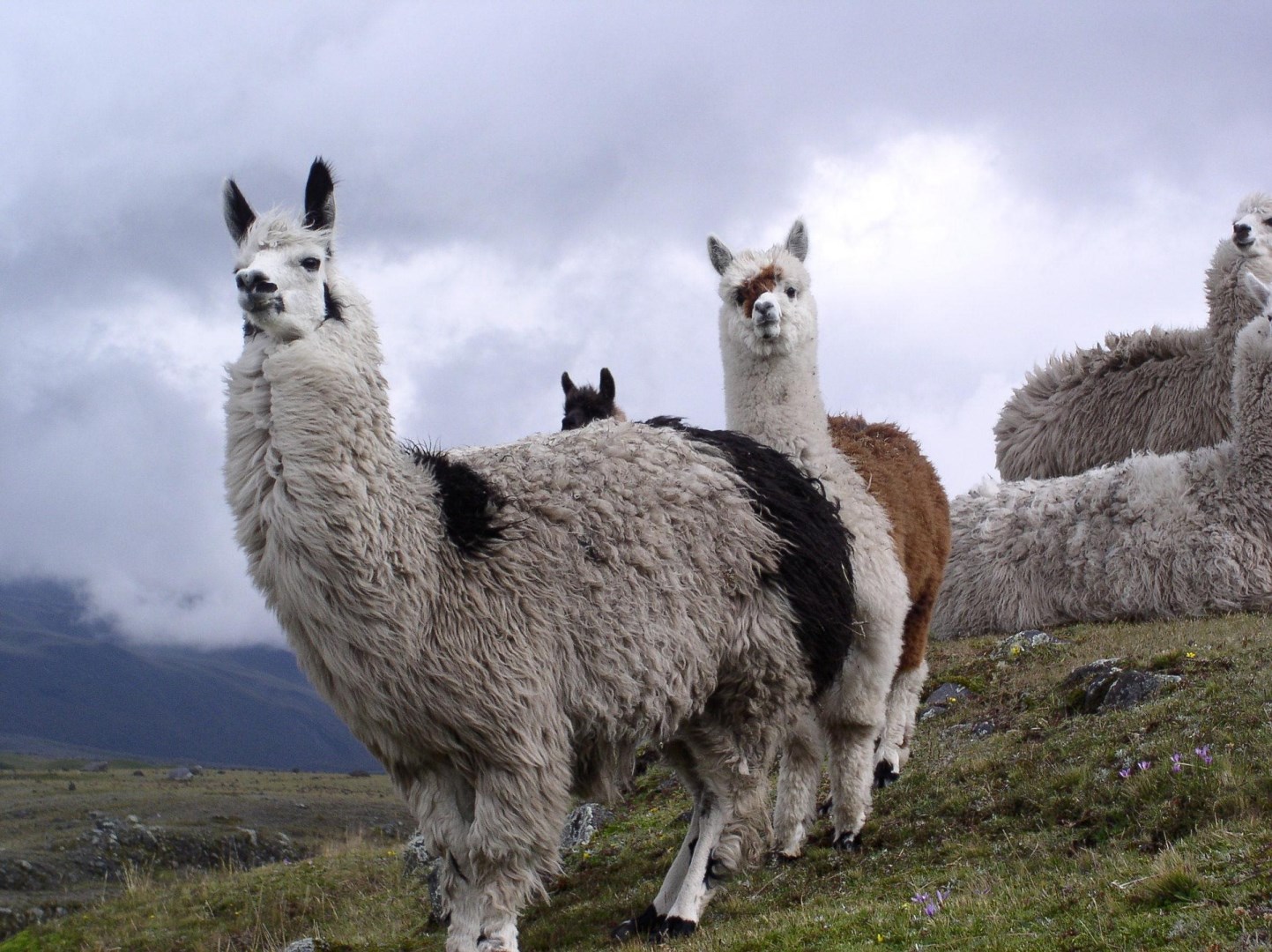
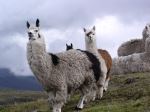
Cotopaxi volcano is the park's defining landmark, with its near-symmetrical cone and permanent snow and ice visible from the surrounding highlands. Limpiopungo Lagoon is one of the most accessible natural attractions, providing views of Cotopaxi and habitat for high-Andean birds. The park's páramo supports species such as Andean foxes, llamas, wild horses, deer, and numerous birds. Hiking routes cross open grasslands and volcanic terrain, while higher trails lead toward the Cotopaxi refuge and mountain climbing routes. Weather can change rapidly, particularly at higher elevations.
The park has little conventional food infrastructure, so visitors generally bring provisions or eat before or after entering the protected area. Meals in nearby communities and towns reflect highland Ecuadorian cooking, with dishes such as locro de papas, llapingachos, hornado, and grilled meats commonly available. Quinoa, corn, potatoes, and other Andean crops are important regional ingredients. A distinctive feature of the landscape is the abundance of chuquiragua, a flowering páramo plant adapted to harsh mountain conditions. The combination of volcanic terrain, high-altitude grasslands, wetlands, and specialized wildlife gives Cotopaxi National Park its distinctive ecological character.
Other Popular Destinations in Ecuador