



Africa | Madagascar | Antsirabe
Antsirabe is a highland city in central Madagascar, known for its cool climate, broad streets, thermal springs, and distinctive cycle rickshaws called pousse-pousse. Located in a fertile agricultural region, it serves as an important center for farming, crafts, and local trade. The surrounding landscape includes rice fields, volcanic hills, and cultivated countryside, while the city itself has a more orderly layout than many other Malagasy towns. Antsirabe's thermal waters have contributed to its long-standing reputation as a spa destination. Its combination of highland agriculture, local crafts, and distinctive urban traditions gives the city a character of its own.
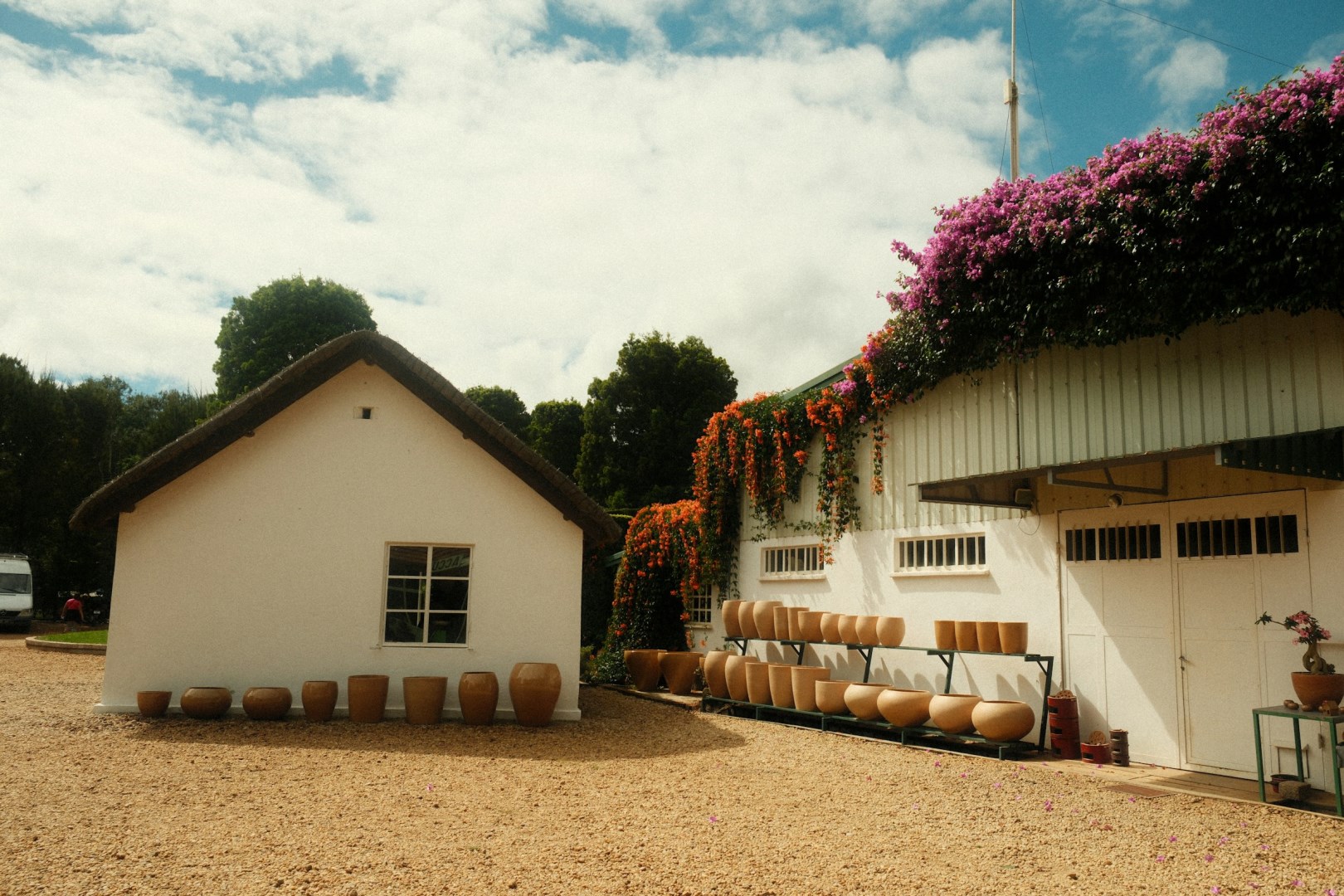
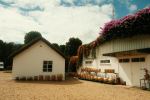
Antsirabe reflects the cultural traditions of Madagascar's central highlands, particularly those associated with the Merina and Betsileo peoples. Rice farming, family ties, ancestral customs, and craftsmanship remain important elements of local identity. The city is also known for its workshops producing embroidered goods, textiles, carved objects, and miniature artworks. Pousse-pousse have become closely associated with daily transportation and are a familiar sight along the city's streets. Traditional highland architecture can also be seen in and around Antsirabe, with brick houses and buildings reflecting the area's long connection with rice farming, clay, and skilled local construction.
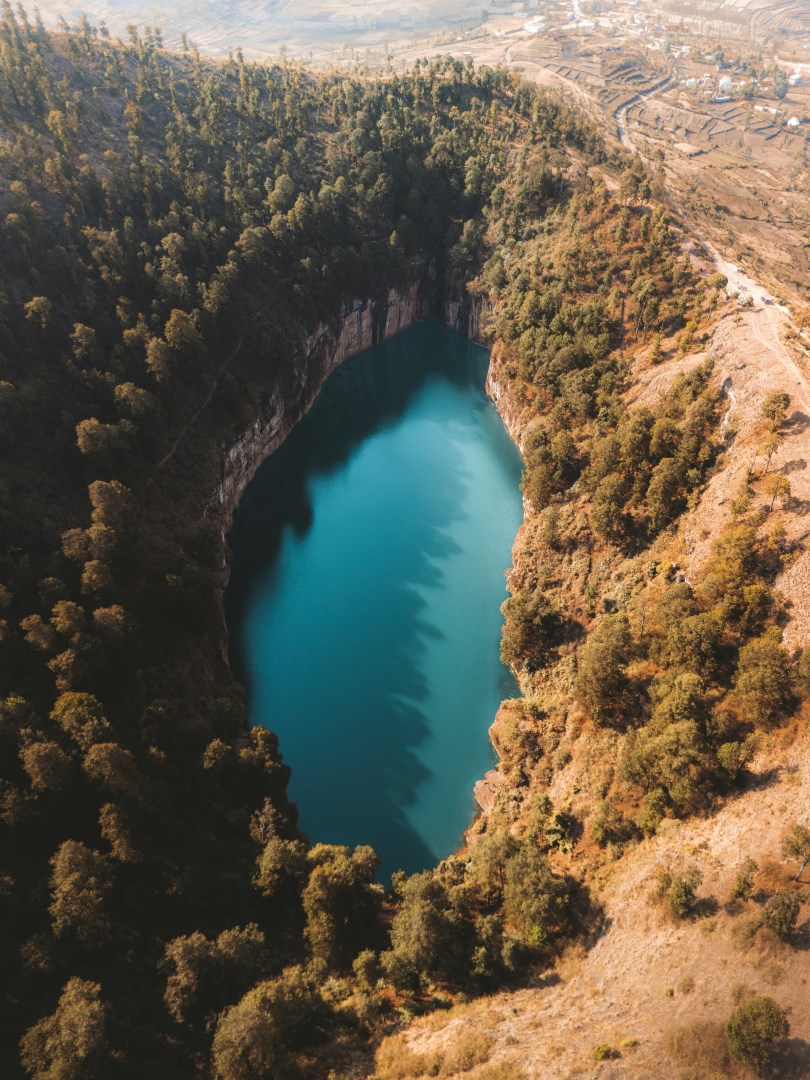
Several landmarks make Antsirabe an interesting base for exploring the surrounding highlands. The thermal baths are among its best-known attractions, while Lake Tritriva, a volcanic crater lake southwest of the city, is a notable natural site surrounded by steep rock and agricultural land. The nearby Andraikiba Lake is another popular recreational area. Within the city, the Cathedral of Antsirabe and the historic Hotel des Thermes are prominent buildings. Guided excursions into the countryside reveal volcanic landscapes, rice terraces, vegetable farms, and villages, while the region's roads are frequently traveled by brightly decorated pousse-pousse.
Antsirabe's fertile surroundings support the production of rice, vegetables, fruit, dairy products, and other agricultural goods. The city is also known for locally produced cheese and yogurt, reflecting the importance of dairy farming in the highlands. Madagascar's famous gemstones are traded and worked in Antsirabe, and small workshops produce polished stones and jewelry. Thermal water is another defining feature, with mineral springs contributing to the city's spa tradition. The combination of agricultural production, handicrafts, gemstone workshops, thermal waters, and the everyday presence of pousse-pousse gives Antsirabe a distinctive place within Madagascar's central highlands.
