




Central Asia | India | Kanha Tiger Reserve
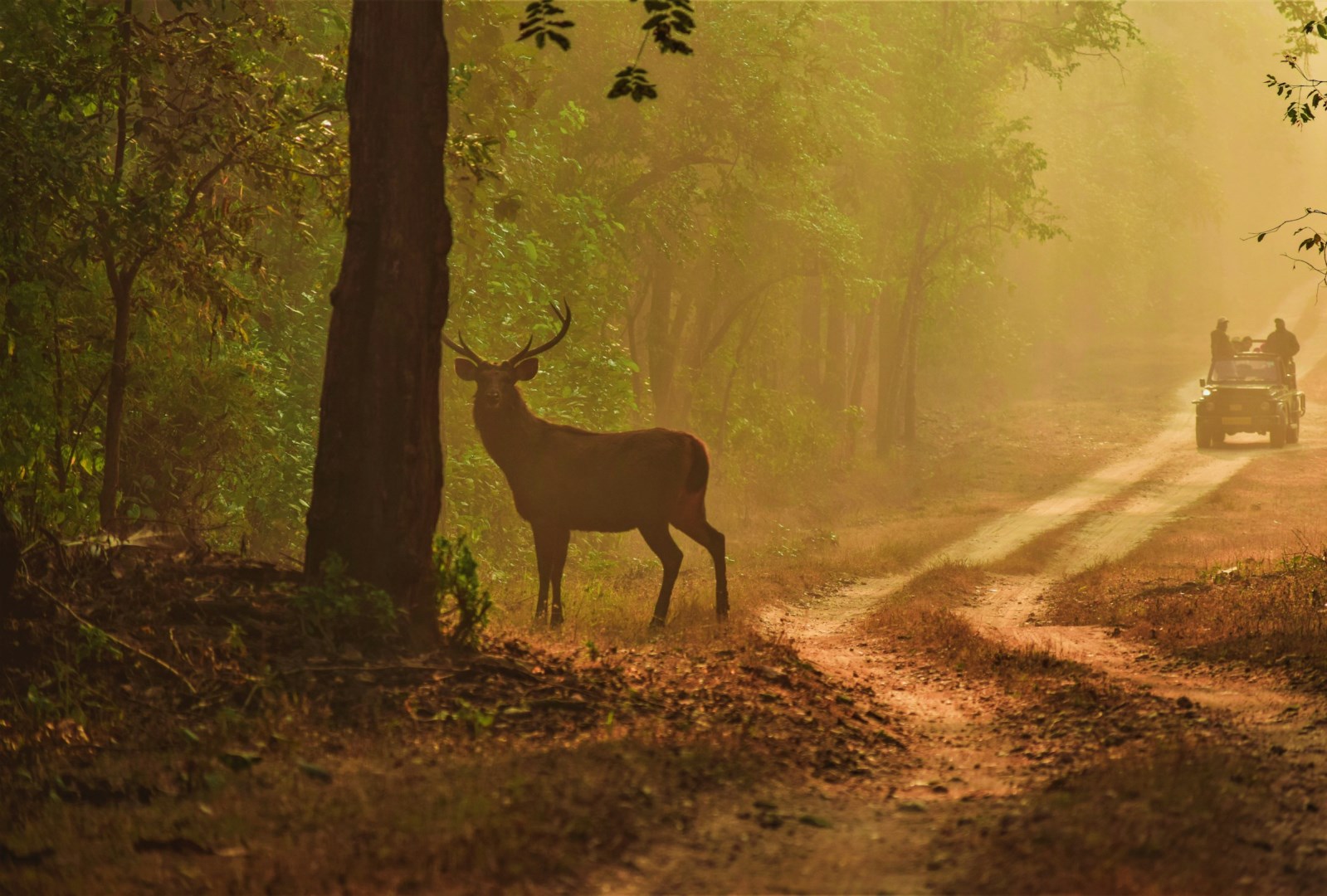
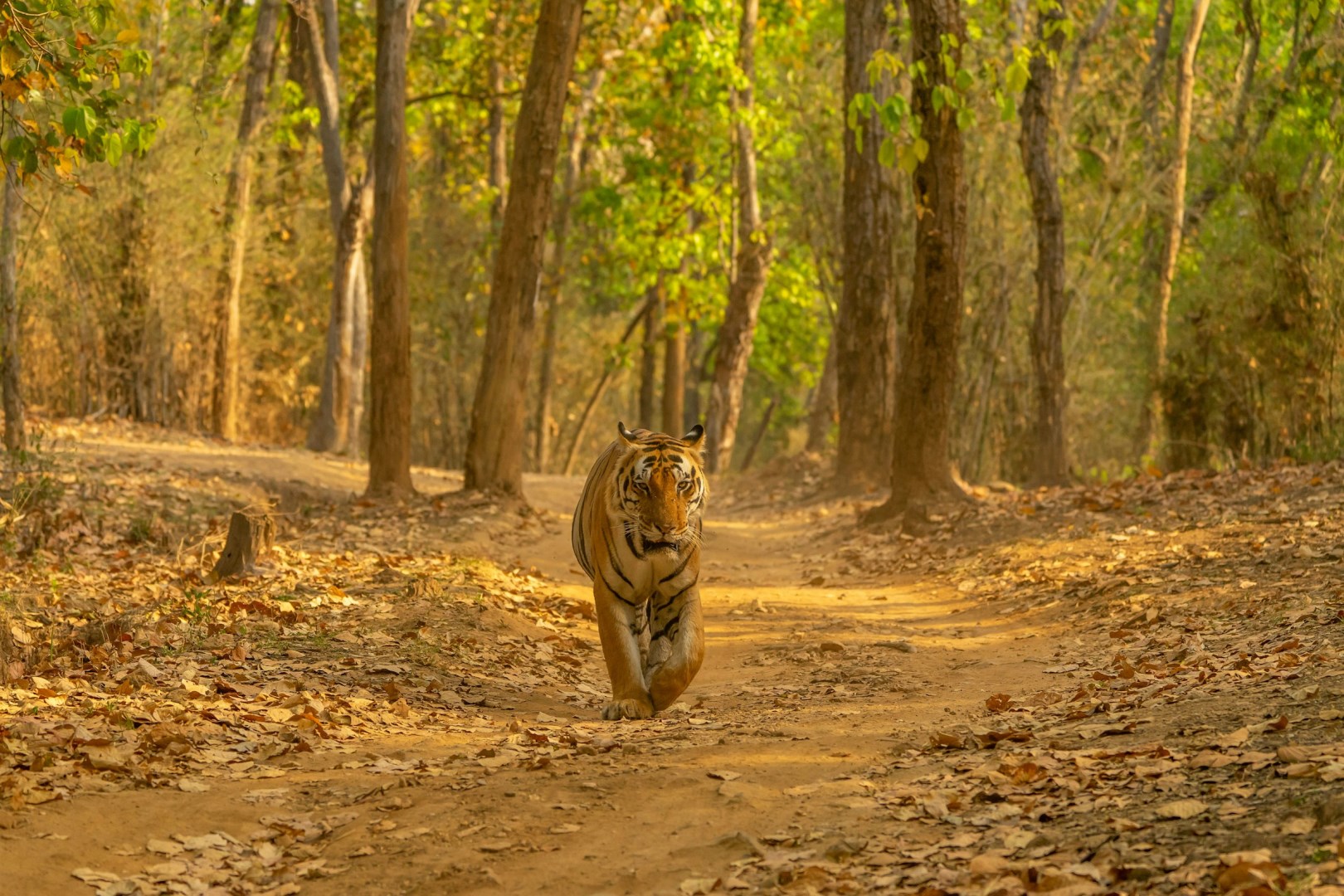
Kanha Tiger Reserve lies in the Maikal ranges of the Satpura hills in Madhya Pradesh, extending across the districts of Mandla and Balaghat. The reserve is known for its broad sal forests, bamboo groves, open meadows, streams, and diverse wildlife. The national park covers about 940 square kilometres within the larger tiger reserve. Bengal tigers are a major attraction, but Kanha is equally significant for its population of hard-ground barasingha, a subspecies of swamp deer that became closely associated with the reserve’s conservation work. The varied terrain creates a distinctive Central Indian forest landscape.
Kanha’s conservation identity is strongly connected with the recovery of the hard-ground barasingha, which was once close to extinction. Careful habitat management and protection helped the deer population recover, and the species is now the state animal of Madhya Pradesh. The reserve also supports conservation programs involving nearby communities and environmental education. Its official mascot, Bhoorsingh the Barasingha, reflects the importance of this deer to Kanha’s identity. The surrounding region is also home to Baiga communities, whose traditional knowledge, crafts, music, and relationship with the forest form an important part of the wider cultural landscape.
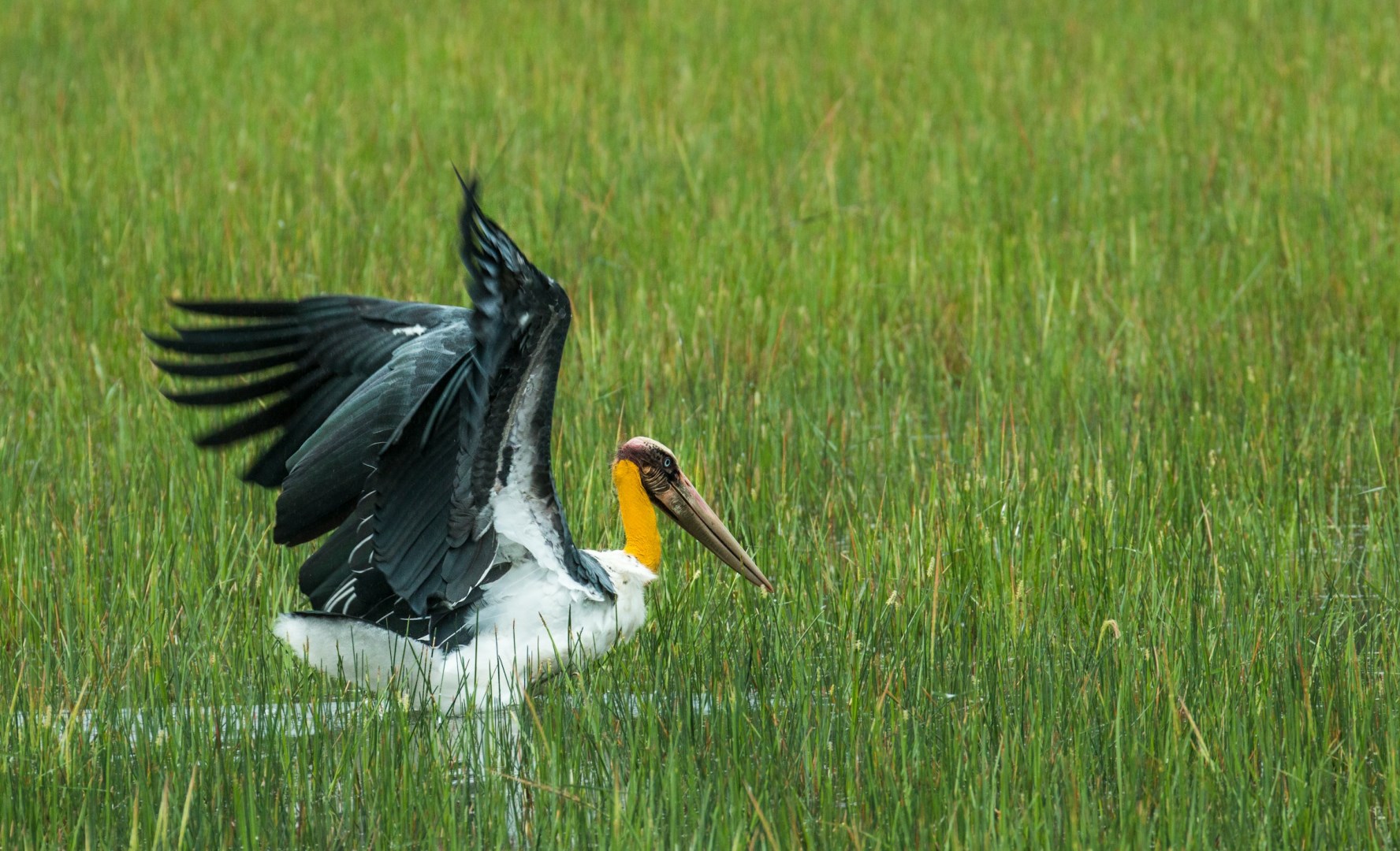
Safari routes pass through the Kanha, Kisli, Mukki, and Sarhi zones, each offering different combinations of forest and grassland habitat. Visitors may encounter Bengal tigers, leopards, dhole, sloth bears, gaur, chital, sambar, nilgai, and several other mammals. Birdlife is also diverse, with species ranging from Indian rollers and crested serpent eagles to forest and wetland birds. Bamni Dadar, commonly known as Sunset Point, provides an elevated view across the forest and meadows. The Banjar and Halon river systems and numerous smaller water sources add to the reserve’s ecological variety.
Other Popular Destinations in India


