



Africa | Mozambique | Bazaruto Archipelago
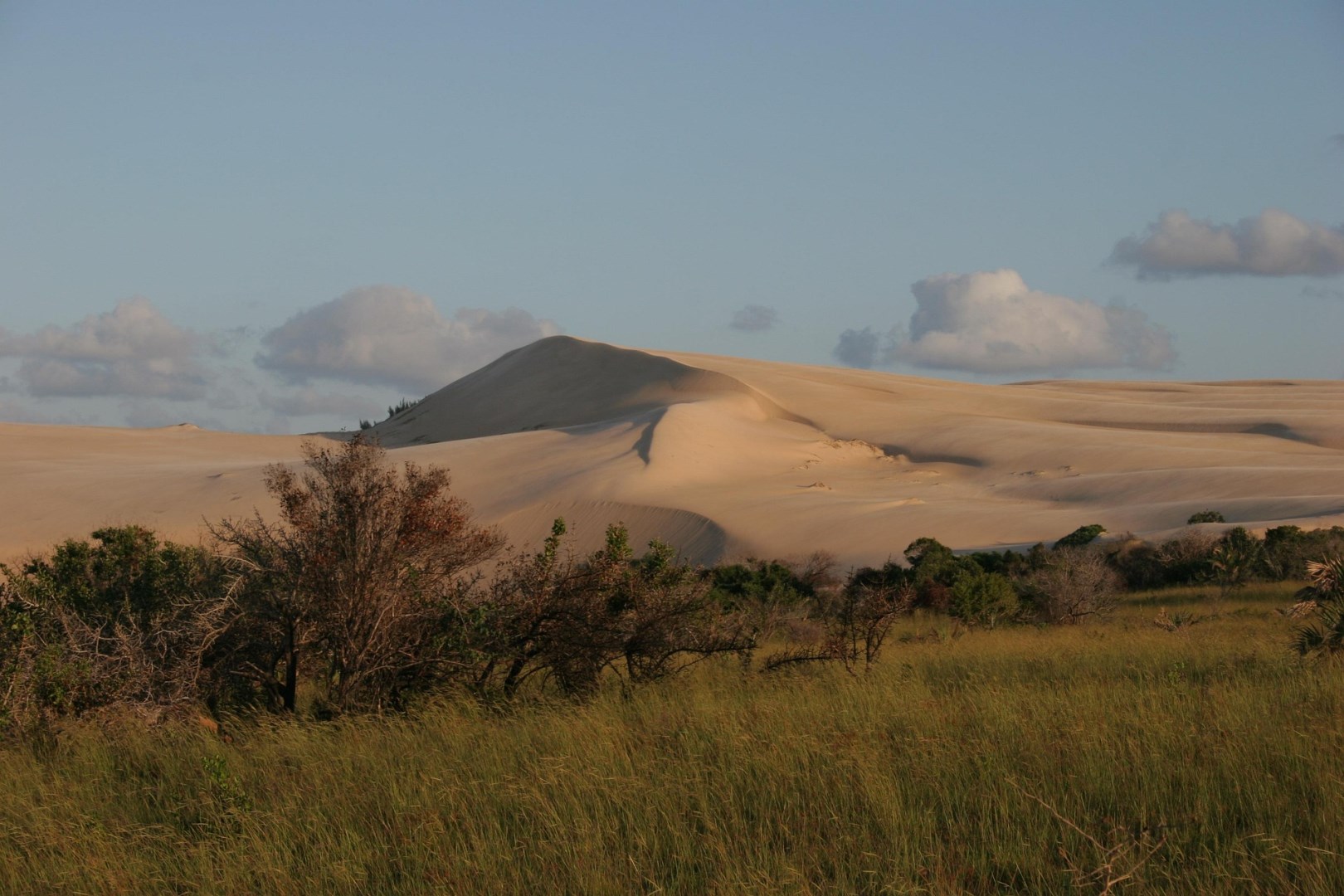
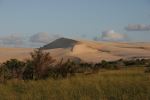
Bazaruto Archipelago is a group of five islands off the coast of Inhambane Province in southern Mozambique: Bazaruto, Benguerra, Magaruque, Santa Carolina, and Bangué. The islands are known for broad white-sand beaches, shifting dunes, clear Indian Ocean waters, and extensive marine habitats. Much of the archipelago lies within Bazaruto National Park, which covers both land and sea around the islands. Vilankulo and Inhassoro serve as the main mainland access points, with boats connecting the coast to the islands and their beaches, reefs, lagoons, and fishing grounds.
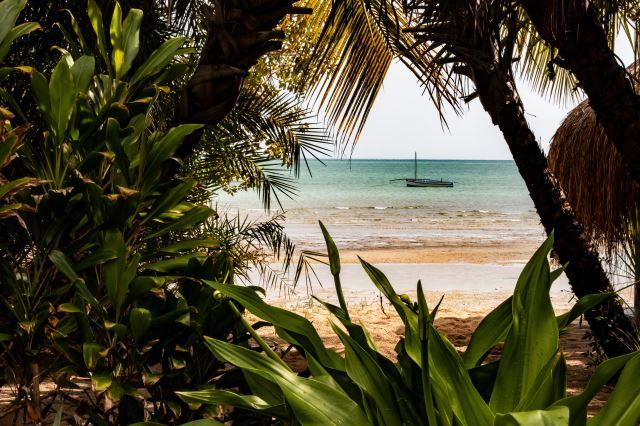
The islands have long been connected to coastal communities whose livelihoods include fishing and small-scale trade. Traditional dhow boats remain part of the maritime landscape, linking island and mainland communities across the archipelago. Local culture reflects the wider coastal heritage of Inhambane Province, where African, Swahili, and Indian Ocean influences have shaped food, language, music, and commerce. Fishing remains particularly important, although conservation programs increasingly involve local communities in managing marine resources. The relationship between island residents, traditional fishing practices, and protected waters is an important part of the archipelago's identity.
Bazaruto National Park protects a varied coastal and marine environment that includes coral reefs, seagrass beds, mangroves, sand dunes, freshwater and saltwater lagoons, and open beaches. The waters support dolphins, sea turtles, rays, sharks, and the region's important population of dugongs. Flamingos can gather around some of the island lagoons, while humpback whales may be seen offshore during their seasonal movements. Diving and snorkeling provide access to coral reefs, while boat trips, dhow cruises, fishing, and walks across the dunes reveal different parts of the archipelago's island landscapes.
Seafood is central to the cuisine of the Bazaruto region, with locally caught fish, crab, prawns, and other shellfish commonly appearing in meals. Coconut is also widely used in southern Mozambican cooking, adding flavor to seafood dishes and sauces. The archipelago is especially notable for its dugongs, which depend on the seagrass meadows protected within its marine environment. Bazaruto also contains one of the country's important nesting areas for marine turtles. The combination of extensive dunes, seagrass habitats, coral reefs, and traditional fishing communities makes the archipelago an important conservation and cultural landscape in Mozambique.
Other Popular Destinations in Mozambique