
Porto Santo Stefano features two main ports which serve as gateways to the nearby Tuscan Archipelago. Visitors can enjoy the crystal-clear waters and pristine beaches, perfect for swimming and snorkeling.
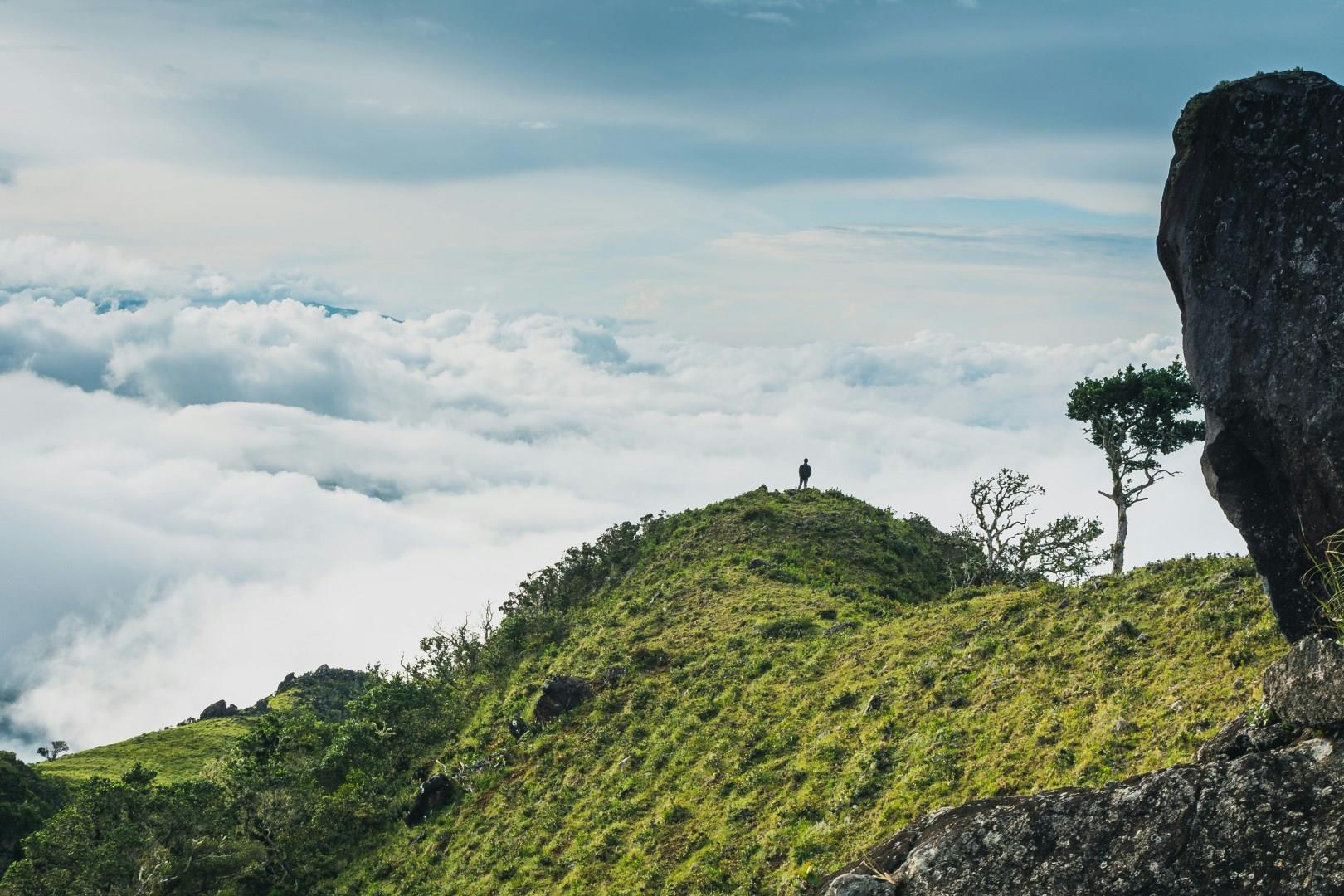
Boquete Valley, nestled in the highlands of Panama near the Baru Volcano, is a lush retreat known for its cool climate, verdant hills, and coffee plantations.
Kootenay National Park occupies 1,406 square kilometres of the Canadian Rockies in southeastern British Columbia, extending from the Continental Divide toward the Columbia Valley. The park is known for its contrasts, with glaciers and alpine terrain giving way to dry grasslands, narrow canyons, and forested valleys. Highway 93 South crosses the park, providing access to many of its landscapes and viewpoints.
Portland, Oregon, is a city where natural beauty and urban innovation coexist harmoniously. Nestled between the Columbia and Willamette Rivers and framed by volcanic mountains, Portland offers an array of outdoor adventures alongside its renowned cultural scene. Visitors can explore the lush expanses of Forest Park, one of the largest urban forests in the U.S., or take a leisurely stroll through the Portland Japanese Garden, which showcases exquisite traditional Japanese landscape design.
Saint Augustine, Florida, is a charming tapestry of history and coastal beauty. As the oldest continuously inhabited European-established settlement in the continental United States, this historic city offers a fascinating glimpse into early American life. Founded by Spanish explorers in 1565, Saint Augustine boasts an array of colonial architecture and historic landmarks.
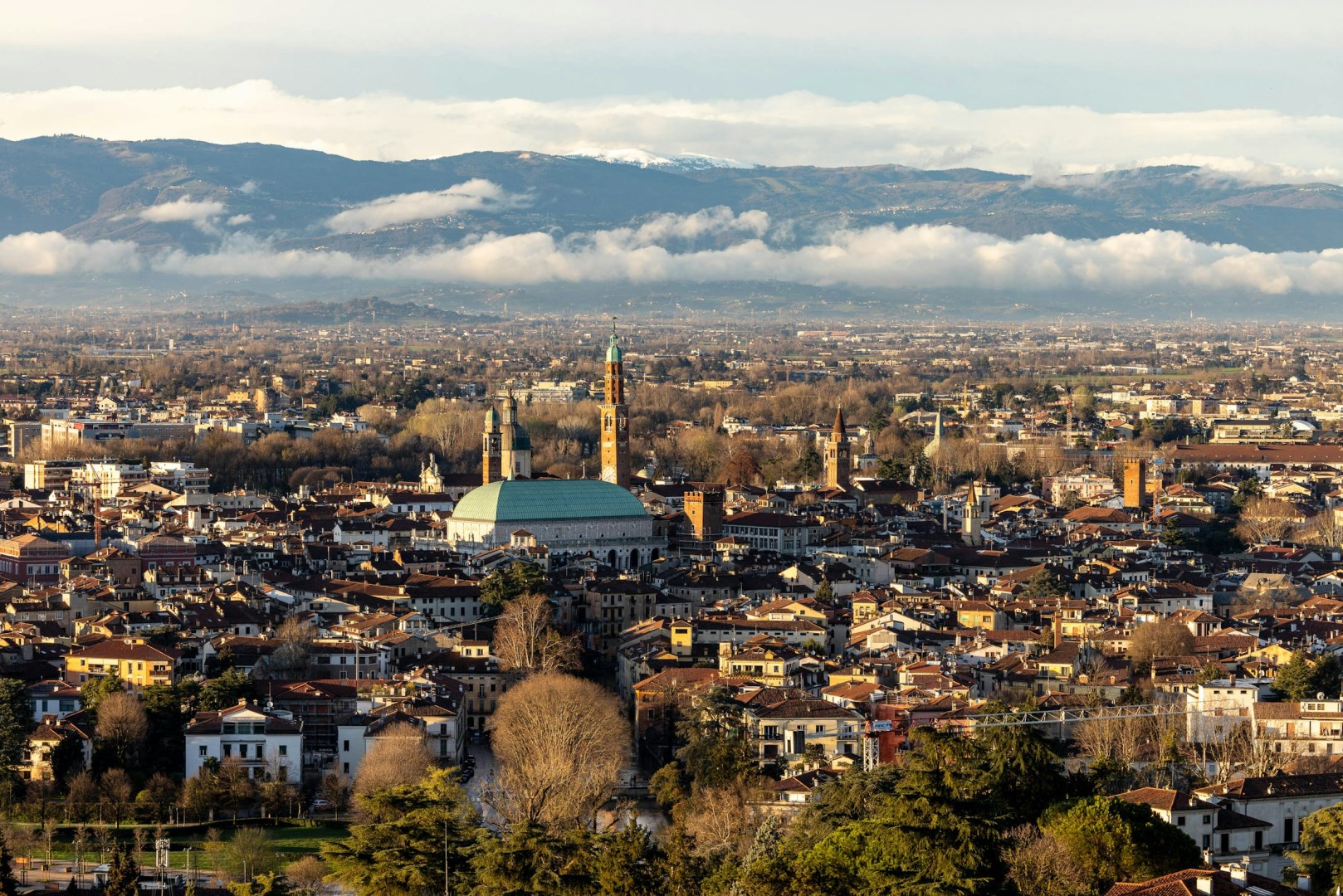
A little overshadowed by its close vicinity to such cities as Venice and Verona, Vicenza is known as a provincial city, tied up to the secular tradition of religiosity and conservatism, but also animated by an industriousness that has favored the development of great industries and innovative productive trends.
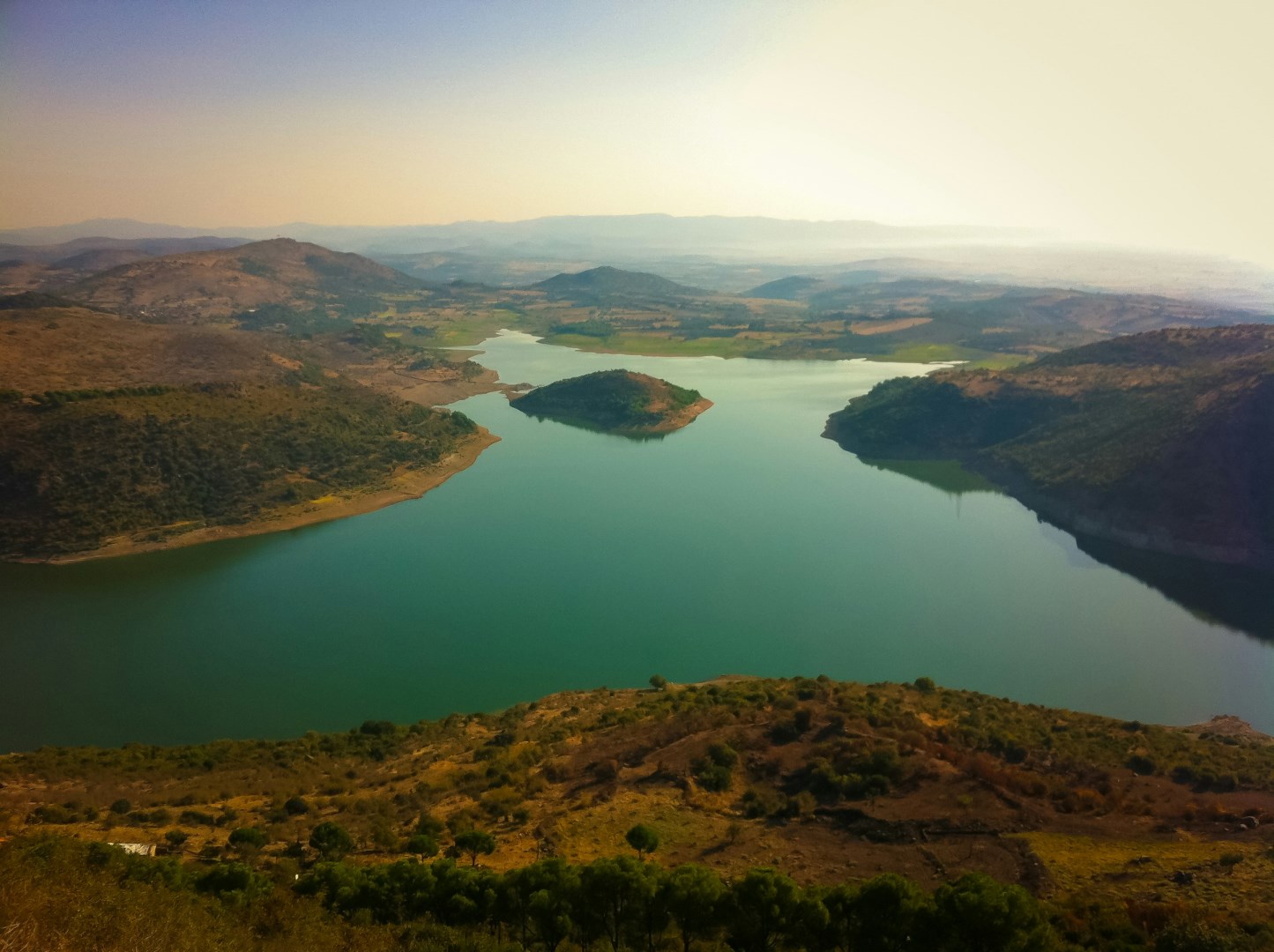
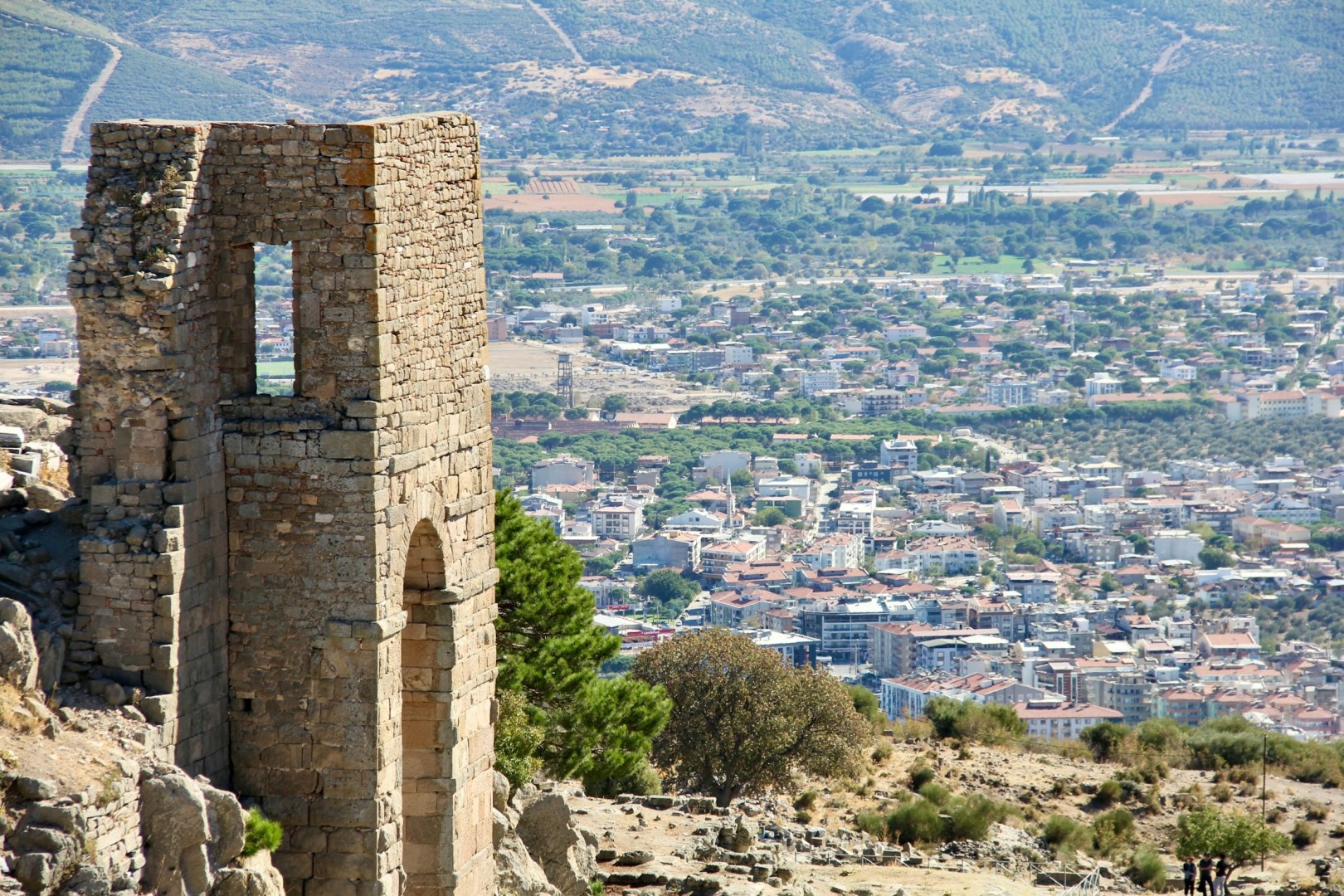
Photo Credit: Photo by Ahmet Demiroğlu on Unsplash
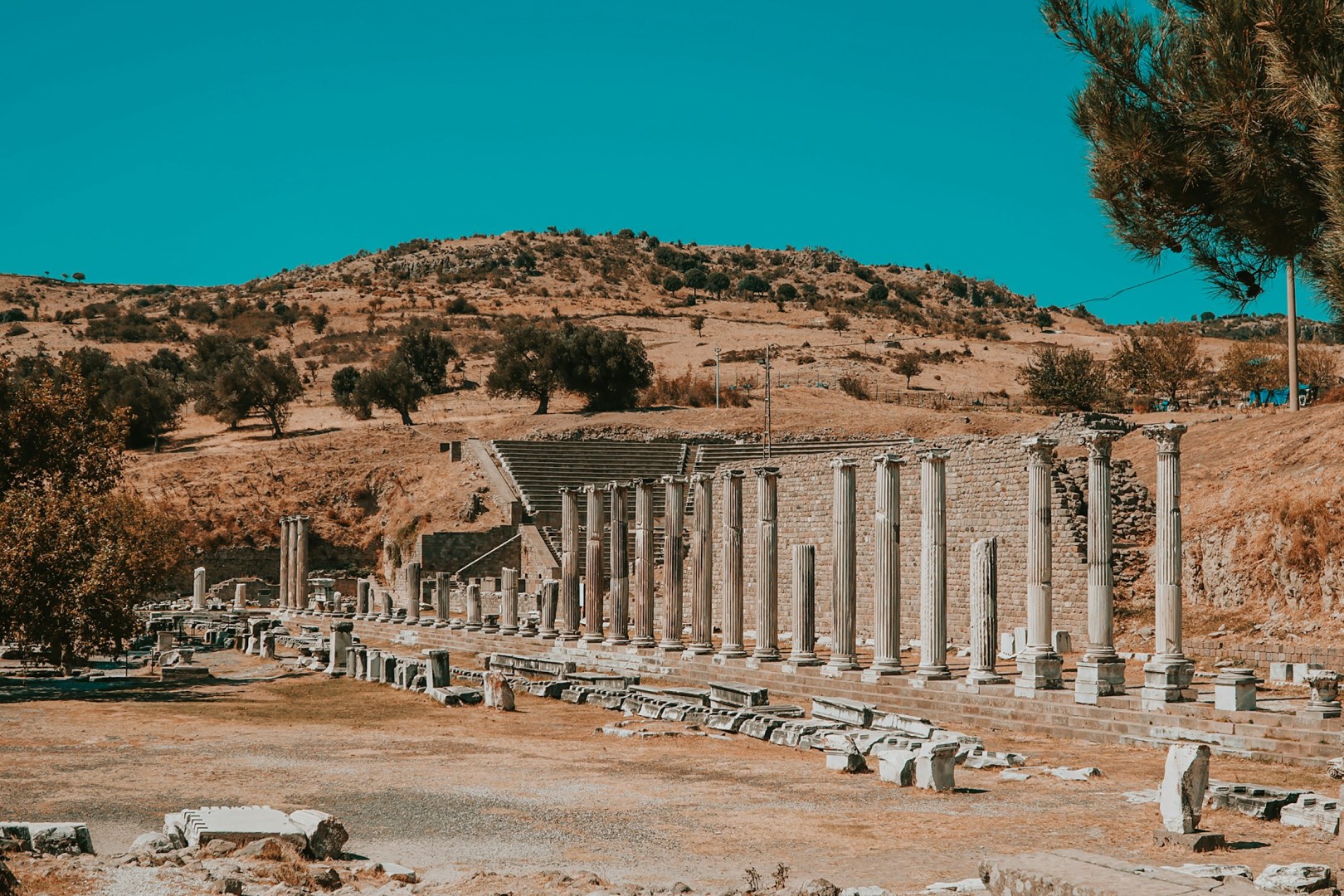
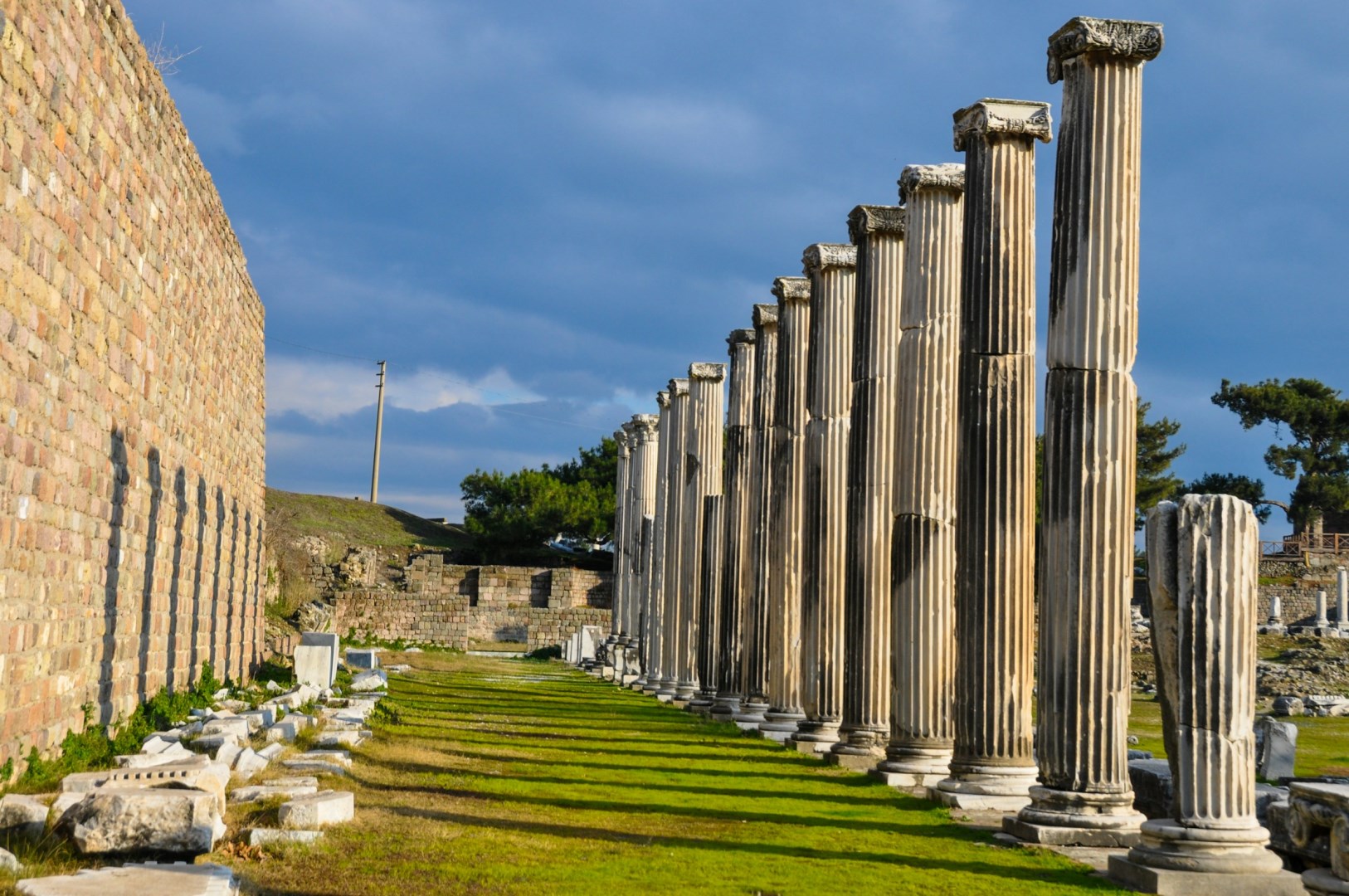
Photo Credit: Photo by Burak Oskay on Unsplash
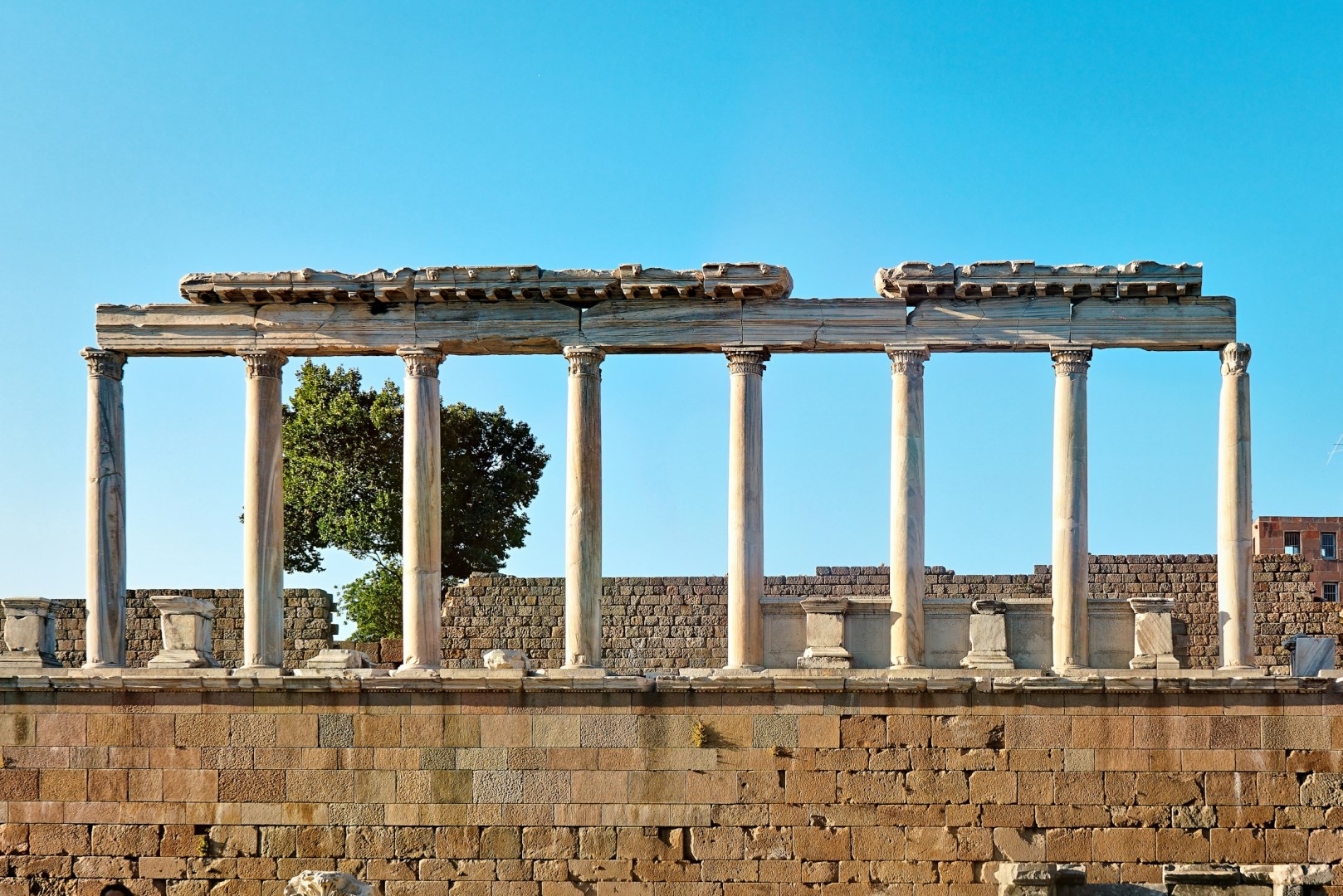
Pergamum, or Bergama, was a Hellenistic city state that once rivaled Athens and Alexandria as a cultural center. It is the site of one of the Seven Churches mentioned in the Book of Revelation. It became an important missionary center after the adoption of Christianity.
Pergamum is best known for its famous library, believed to have a capacity of 17,000 volumes at the height of its prosperity around 200 BC. The Egyptians banned the export of papyrus when they got word of the growing library. This led to the use of parchment, and the production of paged books.