
Winnipeg sits at the meeting point of the Red and Assiniboine rivers, a location that has shaped its role as a gathering place for thousands of years. Long before it became a modern city, the area was central to Indigenous trade networks, a legacy that remains visible today through institutions like The Forks and the Canadian Museum for Human Rights.
The Cape of Good Hope, located at the southwestern tip of South Africa, is a destination of striking natural beauty and historical significance. This iconic landmark, part of the Cape Peninsula, offers breathtaking views where the Atlantic and Indian Oceans meet.
The biggest volcano in Europe - and still very active. Drive up to the 6,000 foot level, travel along roads that run over layers of hardened lava, created in ancient and modern times. Enjoy the magnificent view of the Tyrrhenian and lonian coasts.
Nestled within the Colorado Rockies, Keystone is a popular ski resort destination west of Denver. The perfect spot for a variety of outdoor adventures, Keystone offers ample opportunity to ski, snowboard, hike, or golf.
In the walled city of Siena we stand firmly planted in the Middle Ages. Siena preserved its original character more markedly than any other city in Italy.
Lucca, a Tuscan city surrounded by remarkably intact Renaissance walls, offers more than just postcard views. Known for its quiet streets and grand piazzas, Lucca stands apart with its circular street layout, still following the lines of a Roman amphitheater from centuries ago. The walls, now repurposed as a 4-kilometer tree-lined park, are a favorite route for locals and visitors who explore them on foot or by bike, passing old bastions and panoramic viewpoints along the way.
Photo Credit: Photo by Ahmet Demiroğlu on Unsplash
Photo Credit: Photo by Burak Oskay on Unsplash
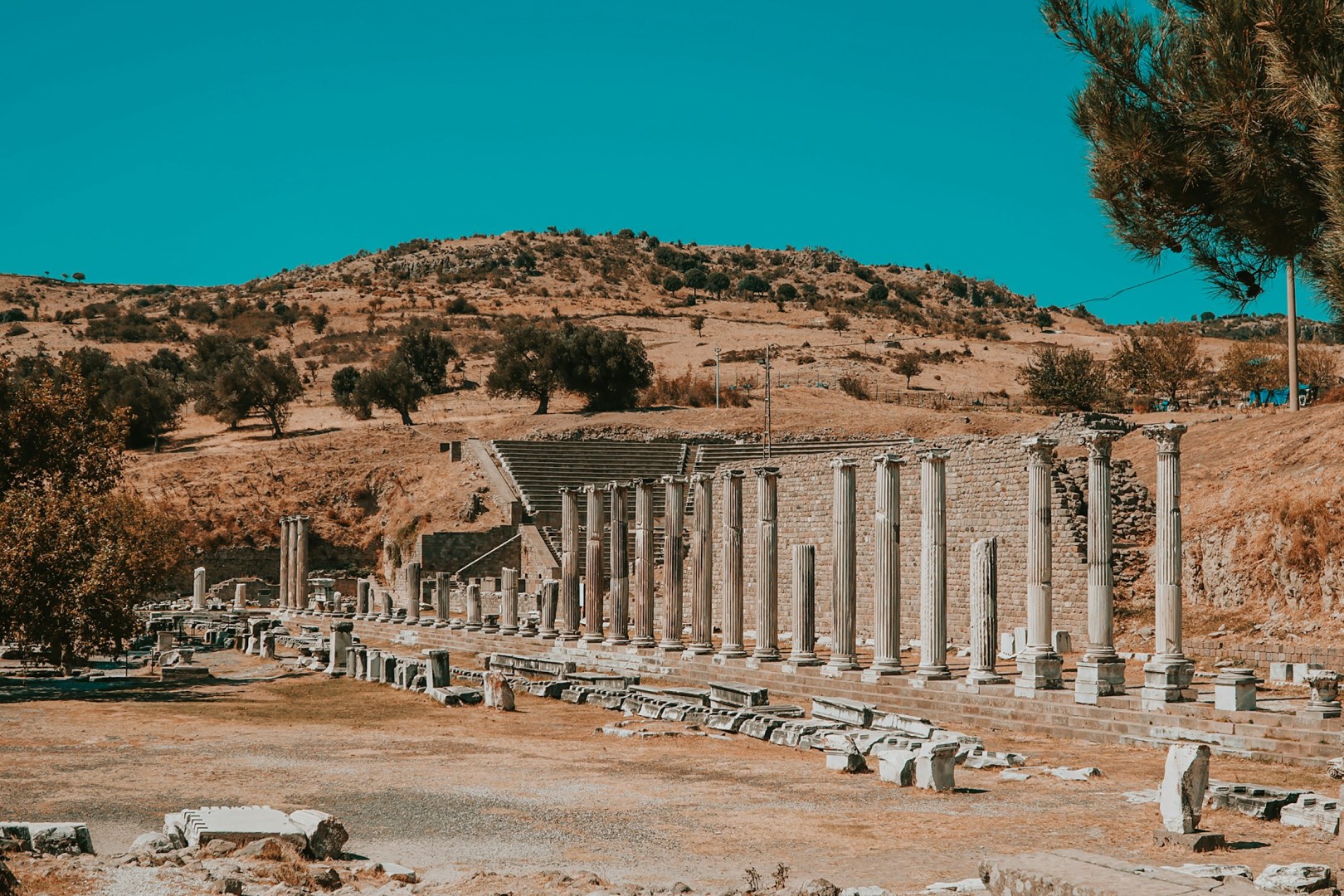
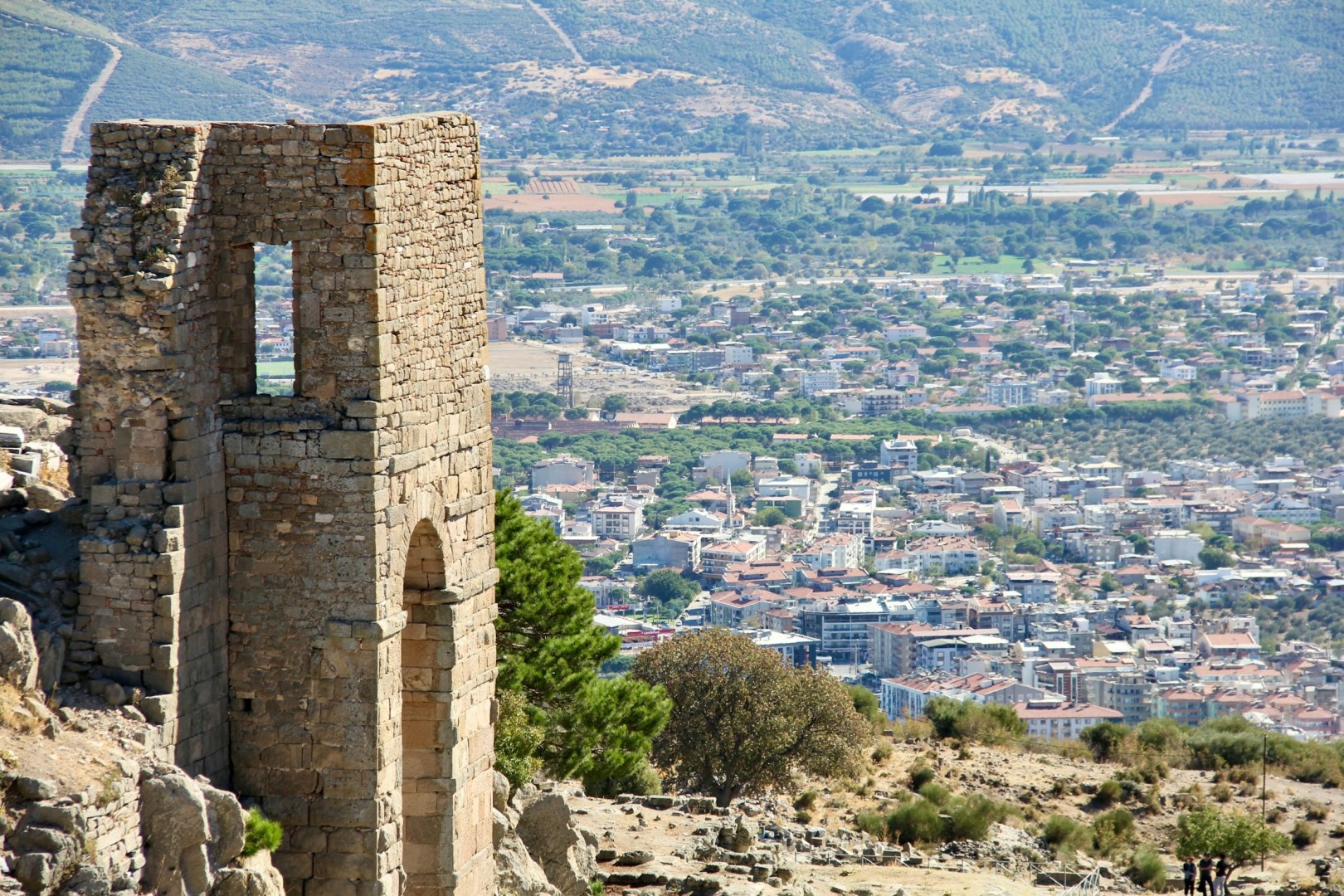
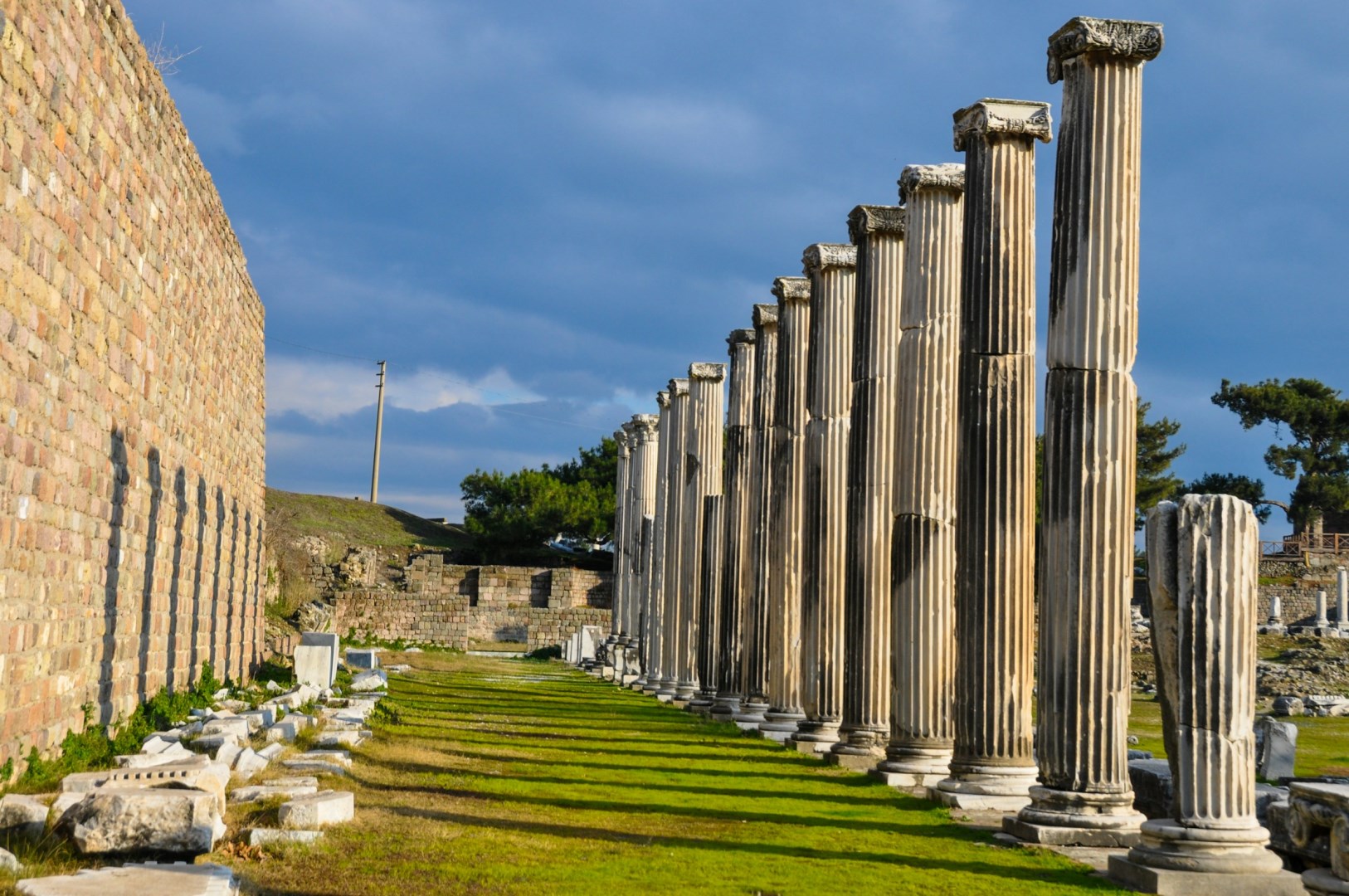
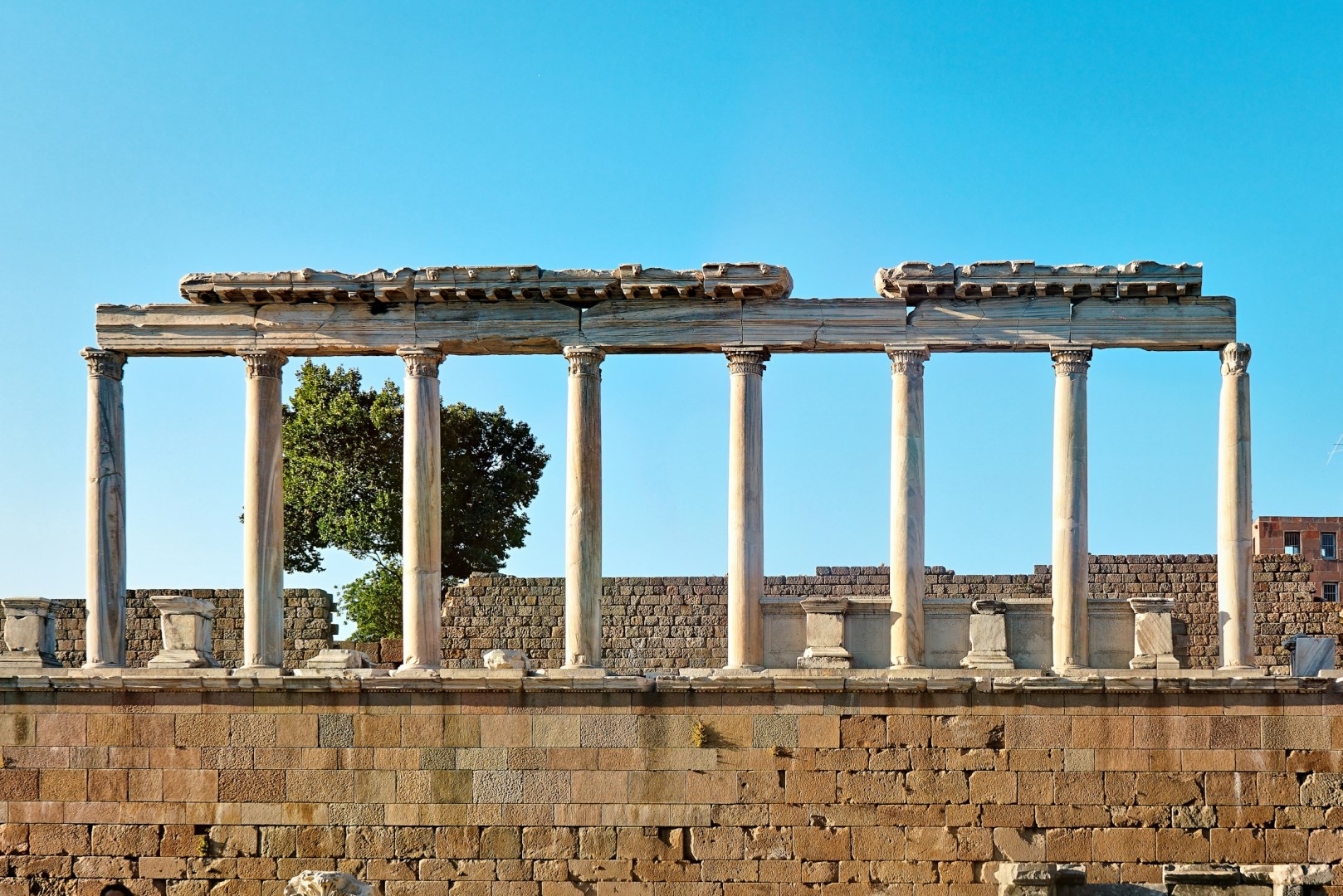
Pergamum, or Bergama, was a Hellenistic city state that once rivaled Athens and Alexandria as a cultural center. It is the site of one of the Seven Churches mentioned in the Book of Revelation. It became an important missionary center after the adoption of Christianity.
Pergamum is best known for its famous library, believed to have a capacity of 17,000 volumes at the height of its prosperity around 200 BC. The Egyptians banned the export of papyrus when they got word of the growing library. This led to the use of parchment, and the production of paged books.