Denmark is a country shaped by water, wind, and centuries of human ingenuity. In places like Roskilde, visitors can see five original Viking ships at the Viking Ship Museum and even try rowing a replica longboat across the fjord. In Copenhagen, the harbor once used by merchants and sailors now welcomes swimmers, kayakers, and ferries, with historic warehouses repurposed into restaurants and museums.
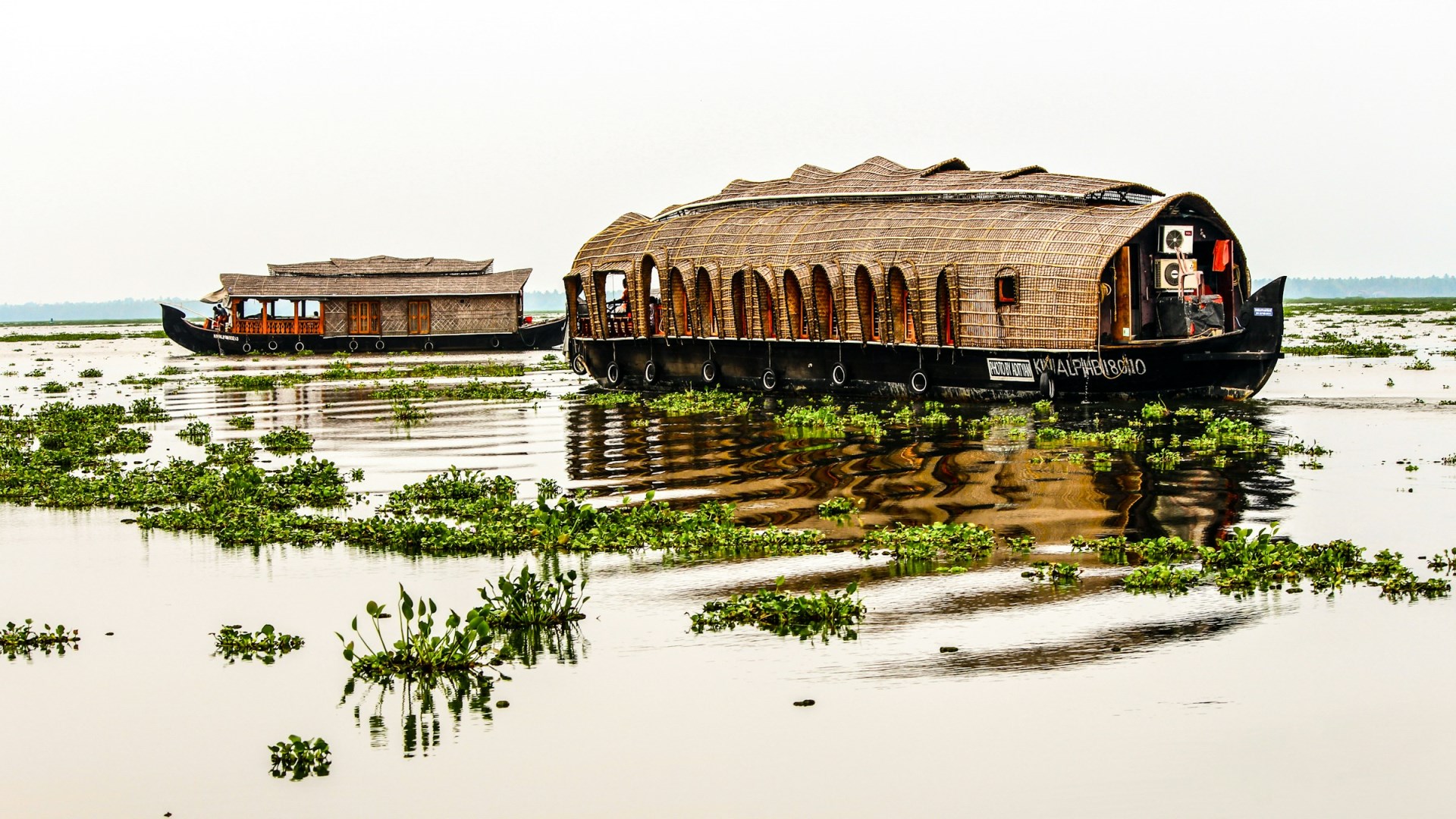
Alleppey, officially known as Alappuzha, is a coastal city in Kerala renowned for its interconnected backwaters, canals, lagoons, and low-lying paddy fields. The city sits between the Arabian Sea and the extensive waterways of Kerala, with coconut palms and villages lining many of the canals. Traditional houseboats, known as kettuvallams, are a defining feature of the area and cruise through waterways linked to Vembanad Lake. Alleppey also has a long connection with maritime trade, coir producti
Pokhara, nestled in central Nepal, sits at the base of the Annapurna mountain range and has long served as both a rest stop for trekkers and a destination in its own right. What sets Pokhara apart is the rare opportunity to see 8,000-meter peaks like Machapuchare (Fishtail) and Annapurna I reflected in the calm waters of Phewa Lake. Early mornings are often the clearest, with boat rides offering peaceful views of snow-capped peaks mirrored in the lake.
Kenya, a jewel of East Africa, is a tapestry of vibrant cultures, breathtaking landscapes, and incredible wildlife. Nairobi, the bustling capital, offers a gateway to numerous adventures, from visiting the Giraffe Centre, where you can feed endangered Rothschild’s giraffes, to exploring the Nairobi National Park, where lions roam against a backdrop of city skyscrapers.
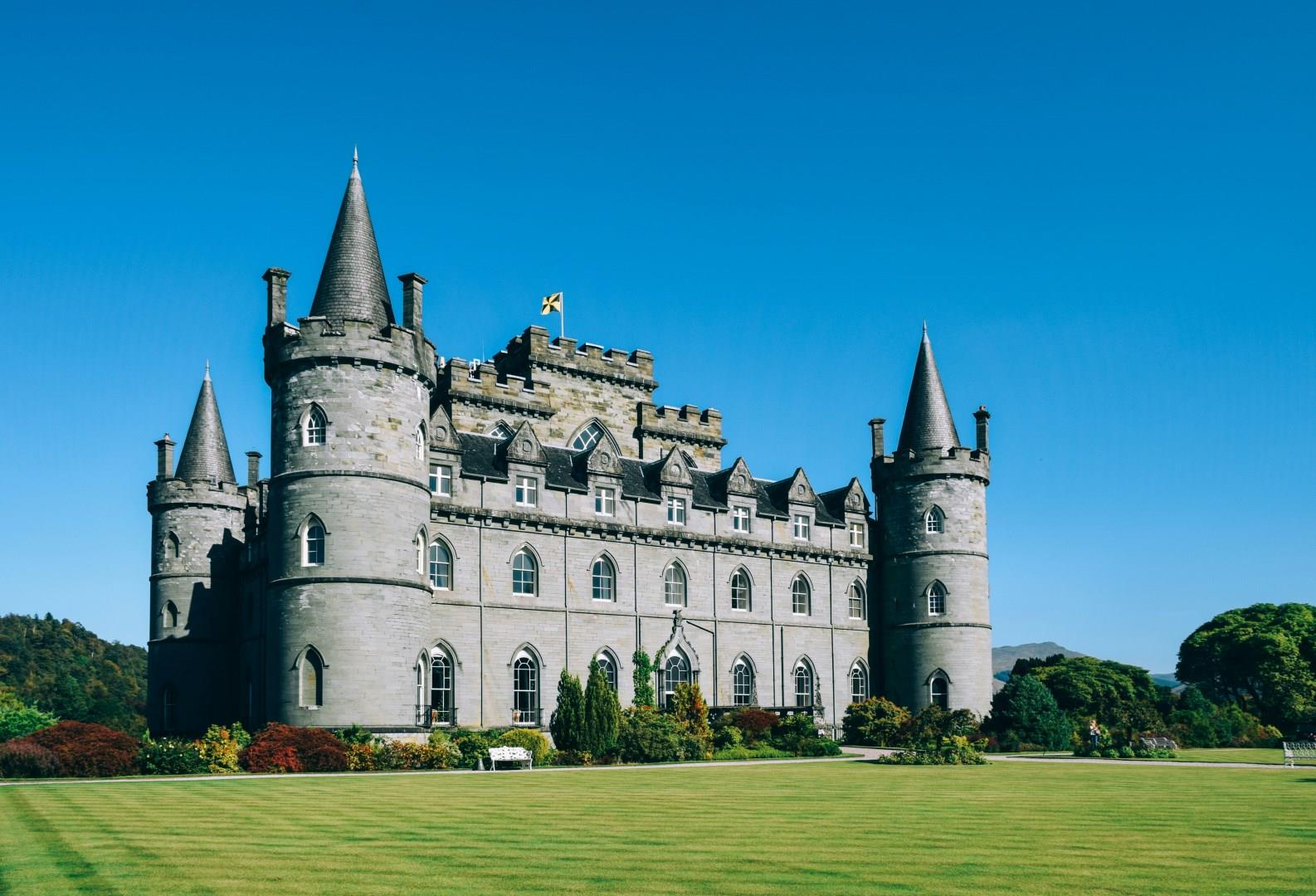
Inveraray, a small town on the western shore of Loch Fyne in Argyll and Bute, Scotland, offers visitors a glimpse into 18th-century planning and Highland heritage. Built largely in the mid-1700s under the direction of the 3rd Duke of Argyll, the town features Georgian architecture, wide streets, and an unusual level of symmetry for a rural Scottish settlement. The main street, lined with whitewashed buildings, leads down to the loch’s edge, where fishing boats and leisure vessels come and go.
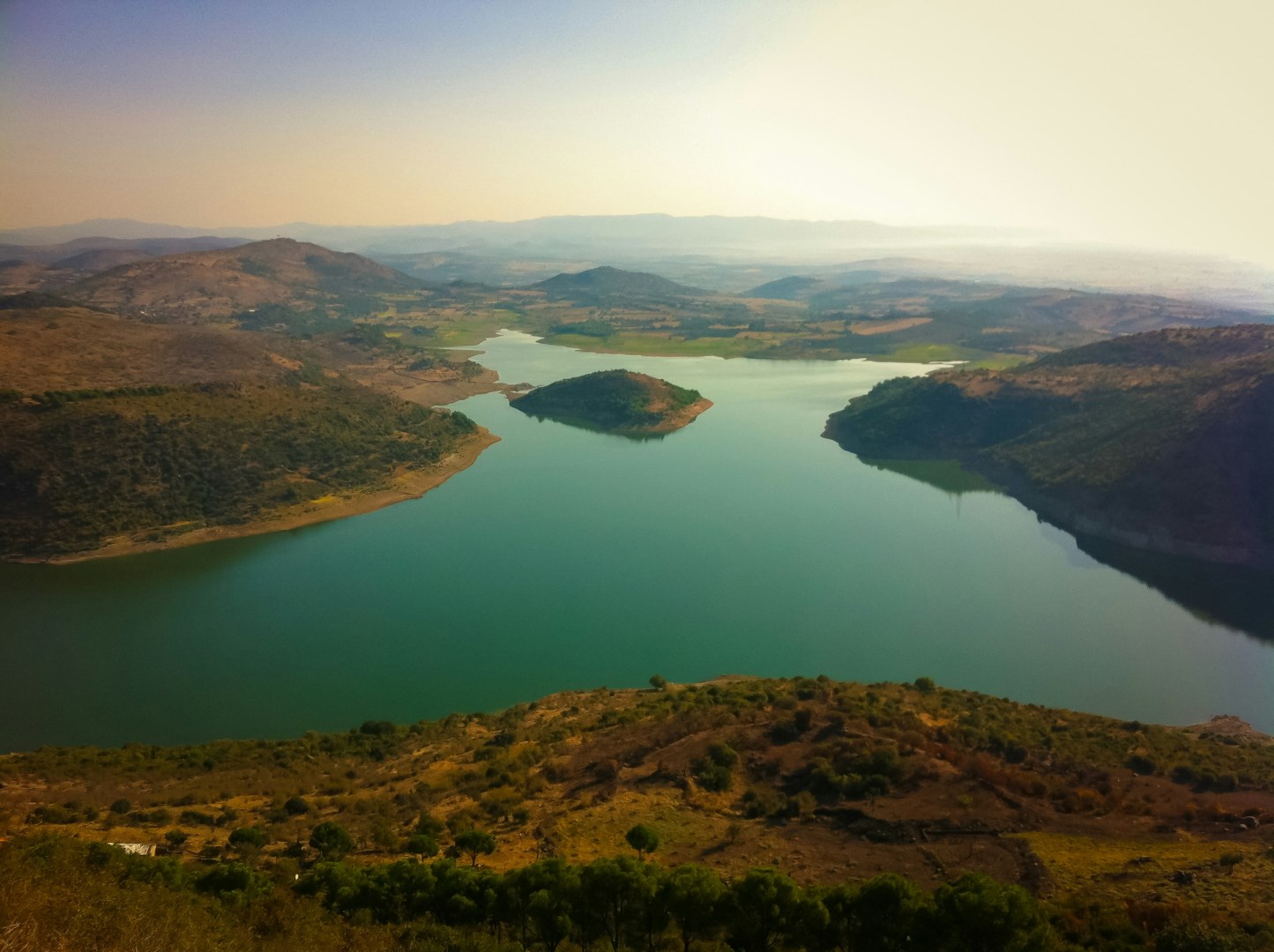
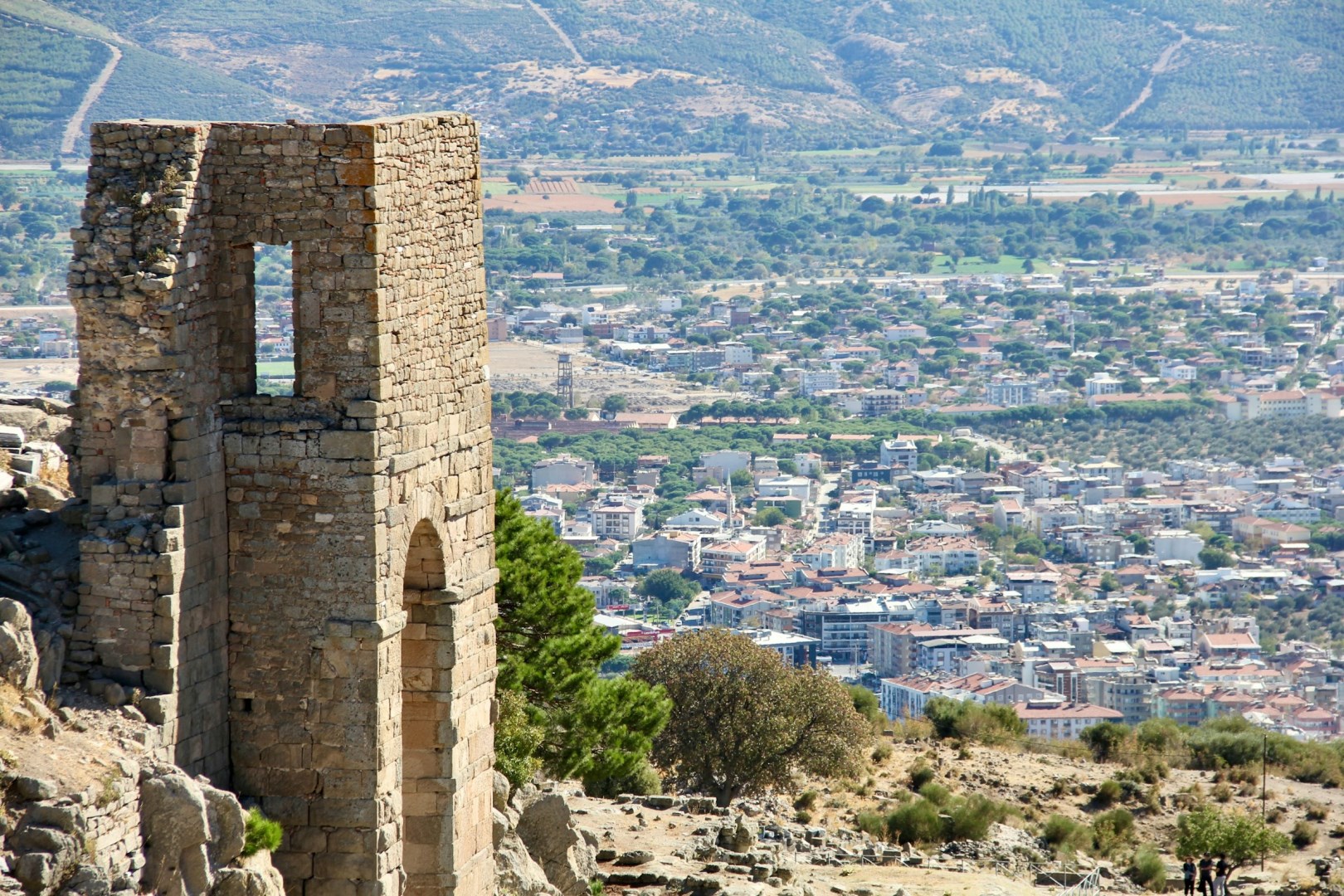
Photo Credit: Photo by Ahmet Demiroğlu on Unsplash
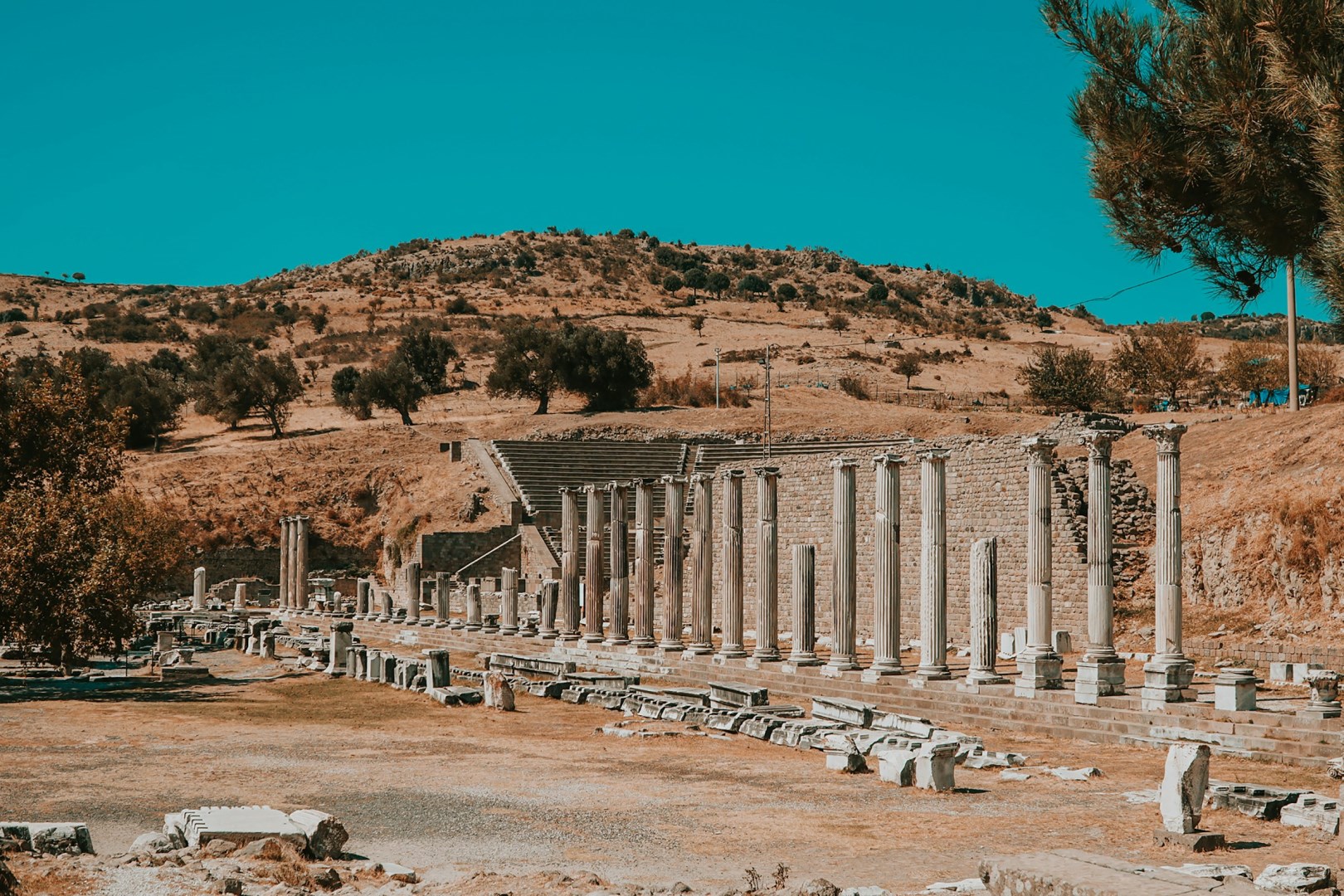
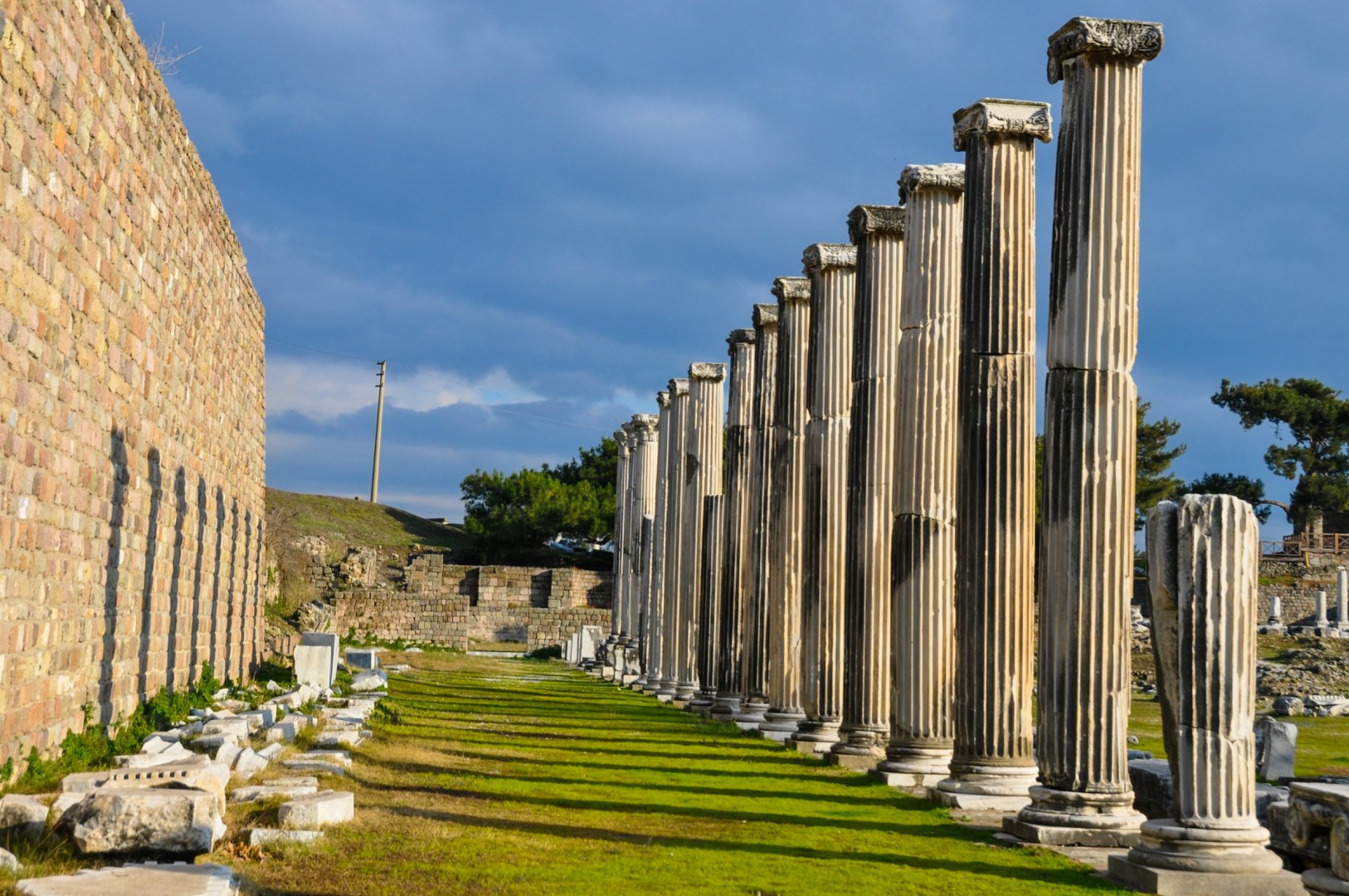
Photo Credit: Photo by Burak Oskay on Unsplash
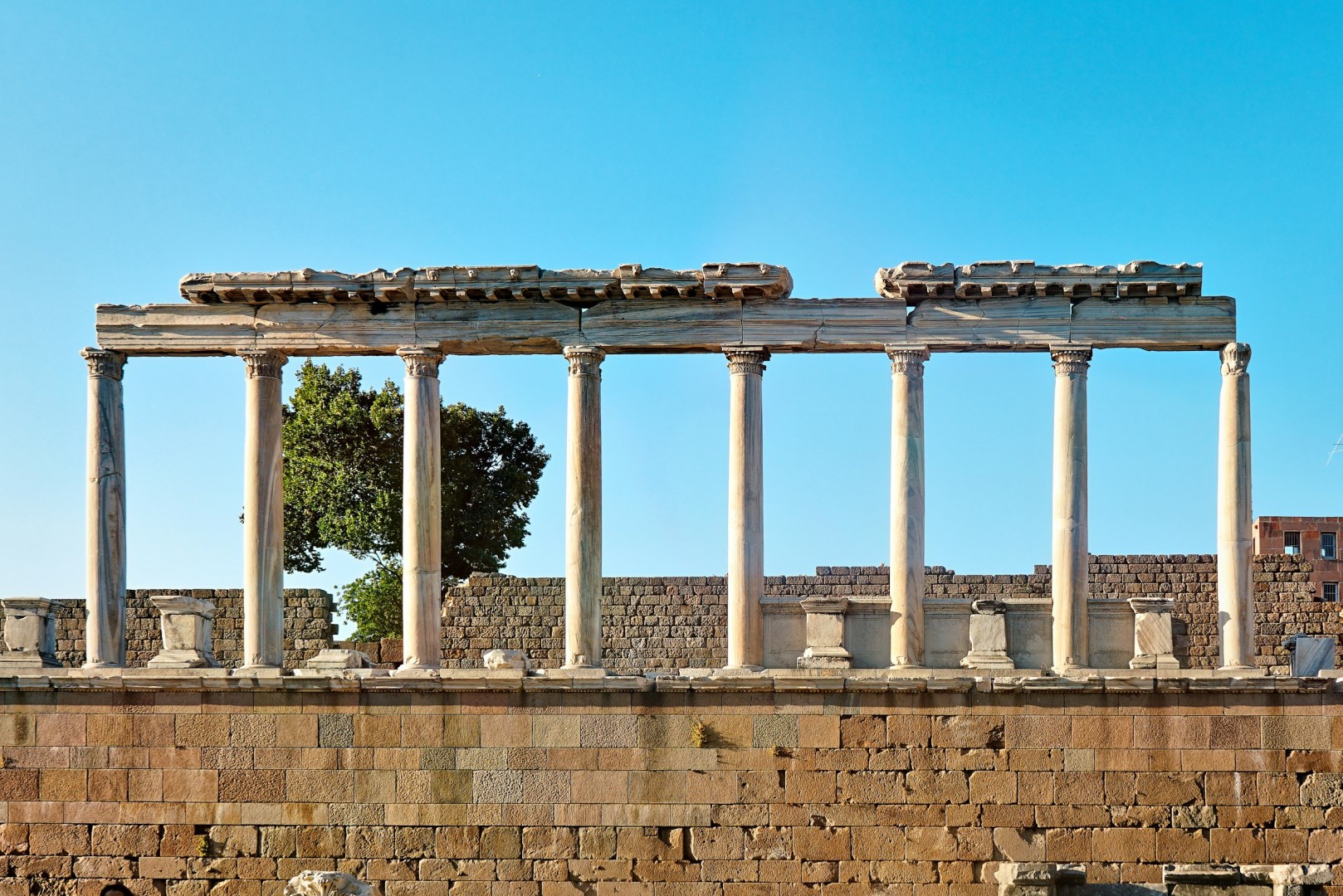
Pergamum, or Bergama, was a Hellenistic city state that once rivaled Athens and Alexandria as a cultural center. It is the site of one of the Seven Churches mentioned in the Book of Revelation. It became an important missionary center after the adoption of Christianity.
Pergamum is best known for its famous library, believed to have a capacity of 17,000 volumes at the height of its prosperity around 200 BC. The Egyptians banned the export of papyrus when they got word of the growing library. This led to the use of parchment, and the production of paged books.