

East and Southeast Asia | Indonesia | Raja Ampat



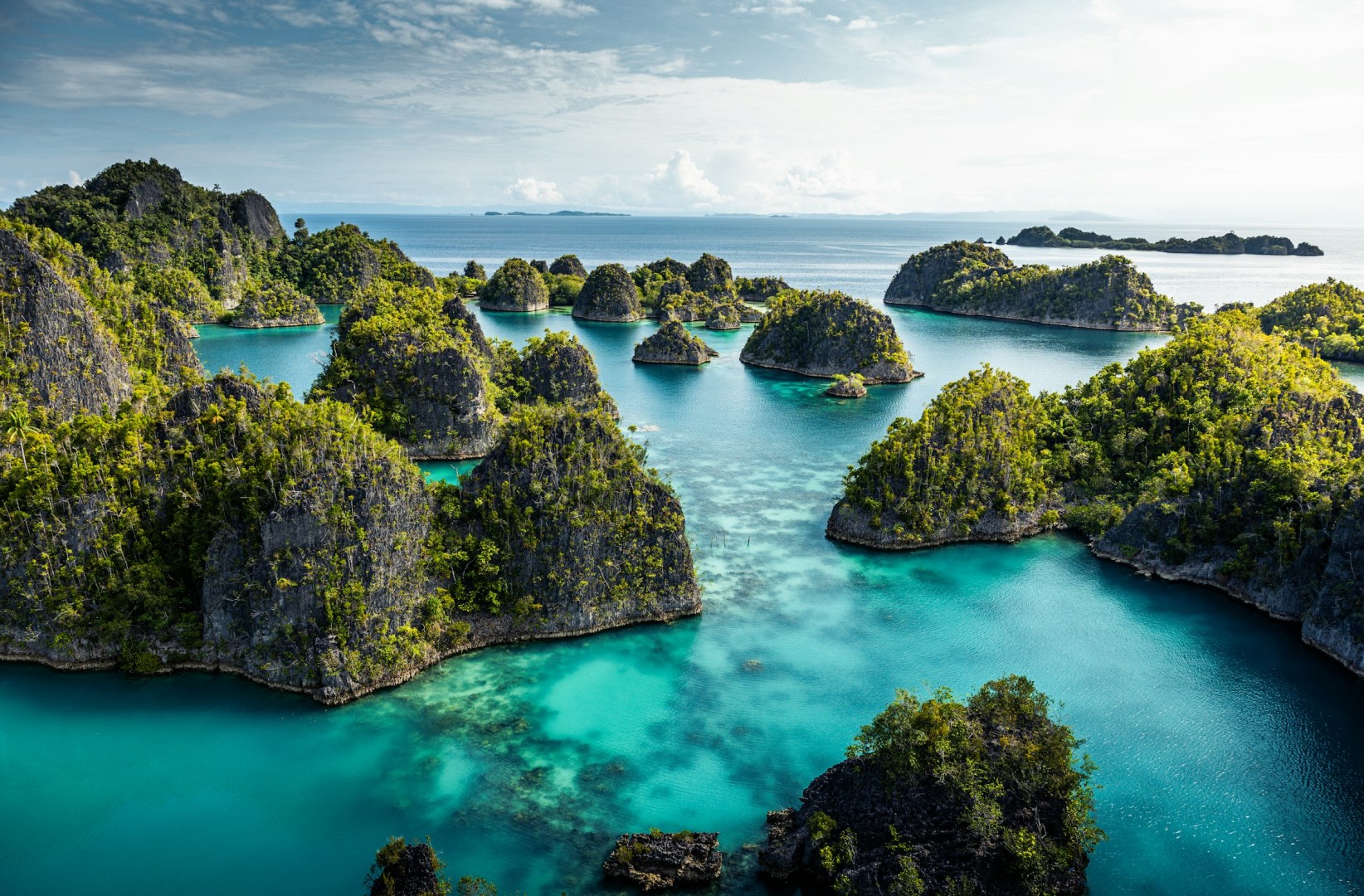






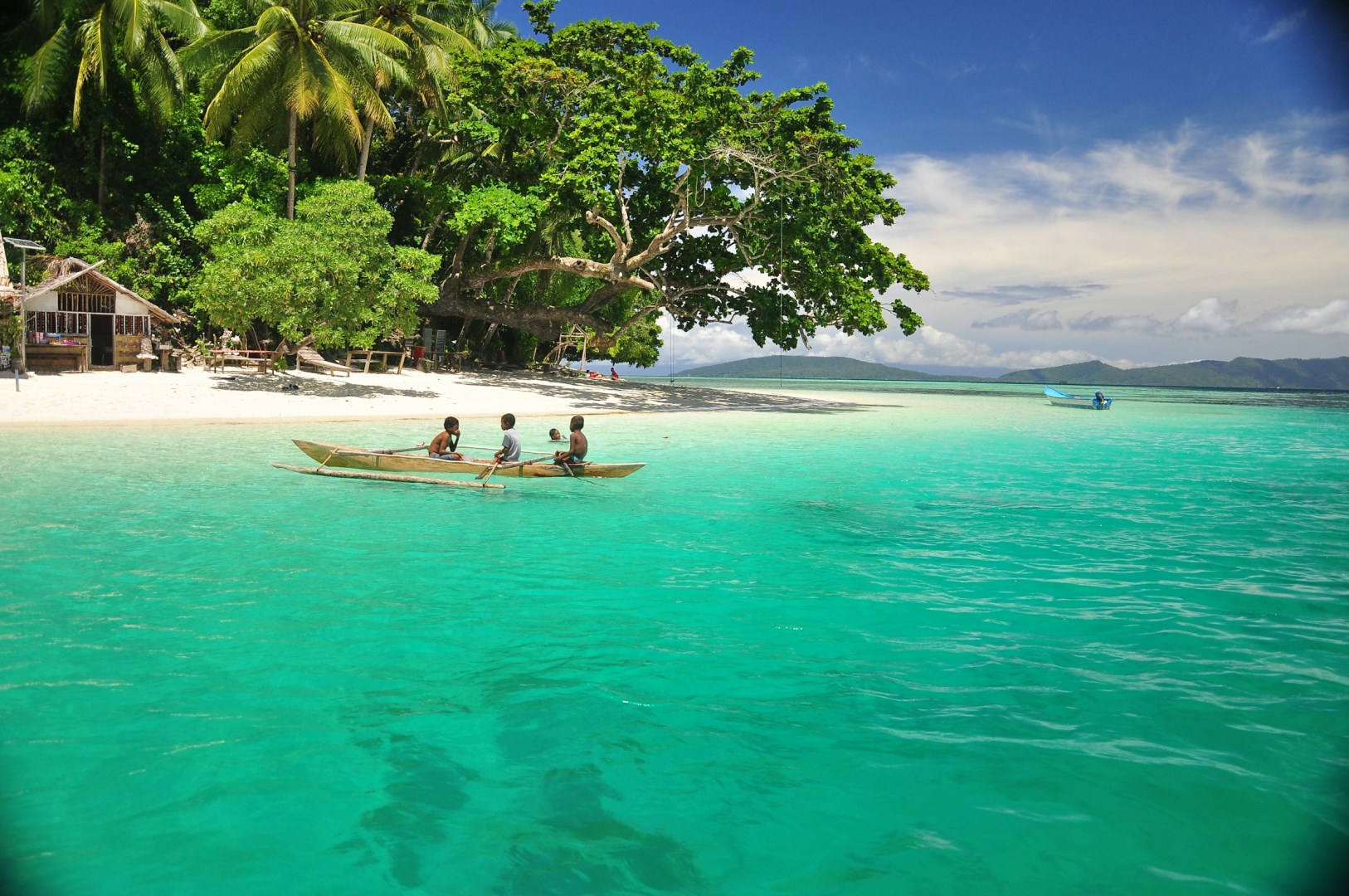



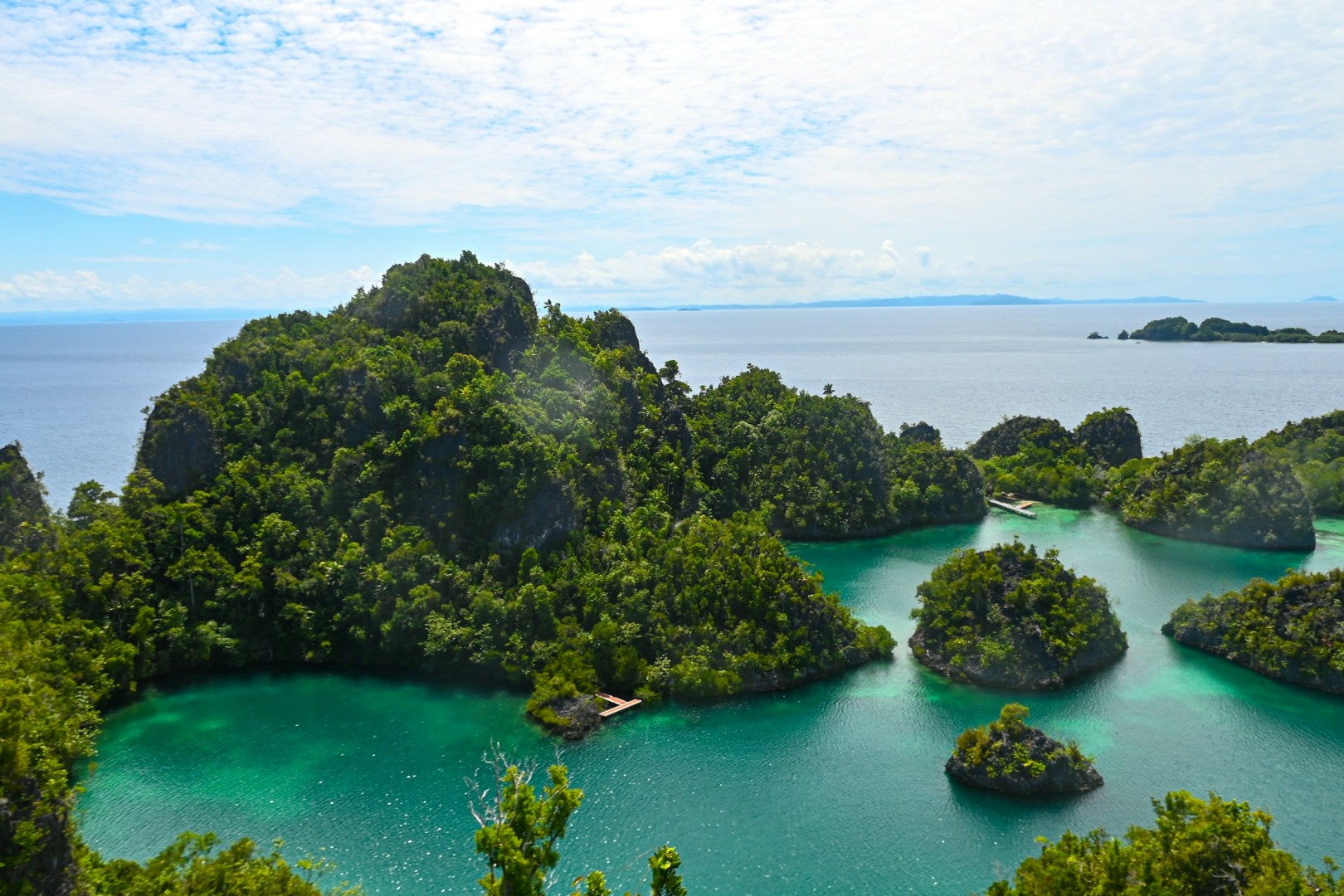
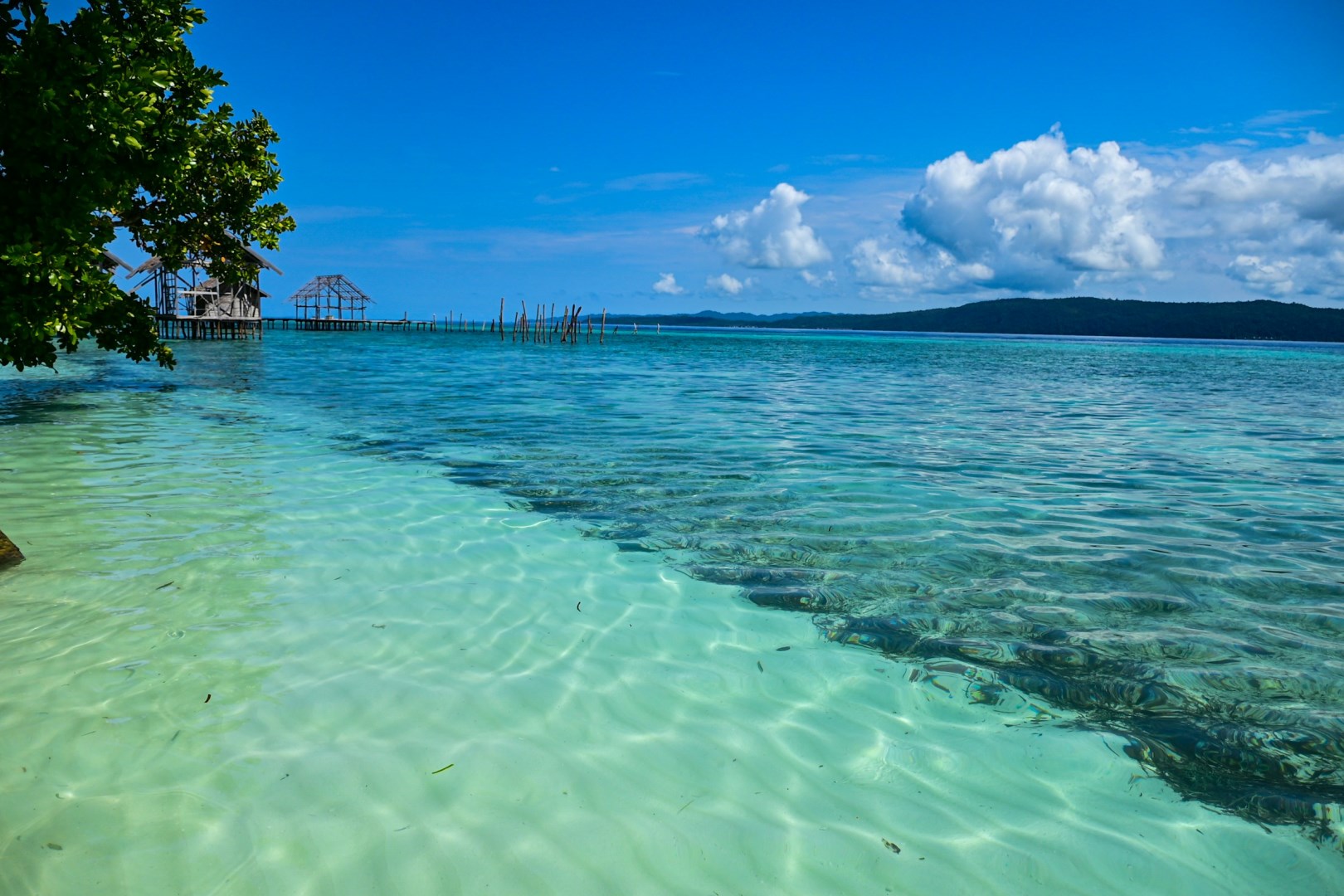



Raja Ampat is an archipelago in Southwest Papua, Indonesia, centered around the four major islands of Waigeo, Batanta, Salawati, and Misool. More than 1,500 smaller islands, cays, and reefs surround these larger islands, creating a landscape of forested hills, limestone formations, sheltered bays, and clear tropical waters. Waisai on Waigeo serves as the capital of Raja Ampat Regency and an important gateway to the surrounding islands. The region is particularly known for its exceptional marine biodiversity and the close relationship between coastal communities and their island environment.
Raja Ampat has a rich cultural identity shaped by Indigenous Papuan communities and their longstanding relationship with the sea. Traditional customs include sasi, an Indigenous system that restricts the collection of marine or forest resources for designated periods to support sustainable use. Villages such as Arborek provide opportunities to see local traditions, handicrafts, music, and community life. Oral traditions also remain important, including the legend of the four kings associated with Waigeo, Batanta, Salawati, and Misool. Traditional knowledge of fishing grounds, reefs, tides, and coastal resources continues to influence life across the islands.
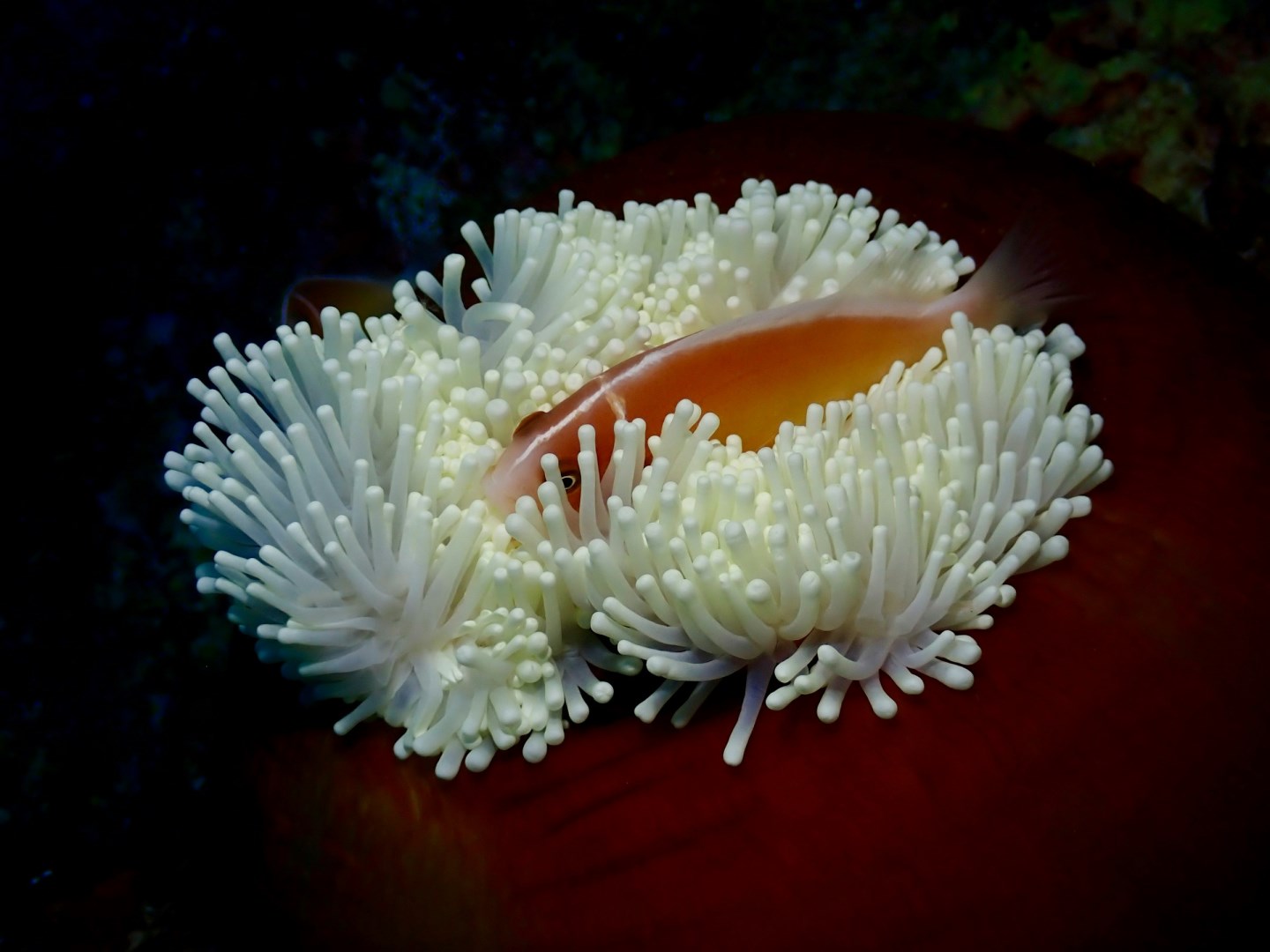
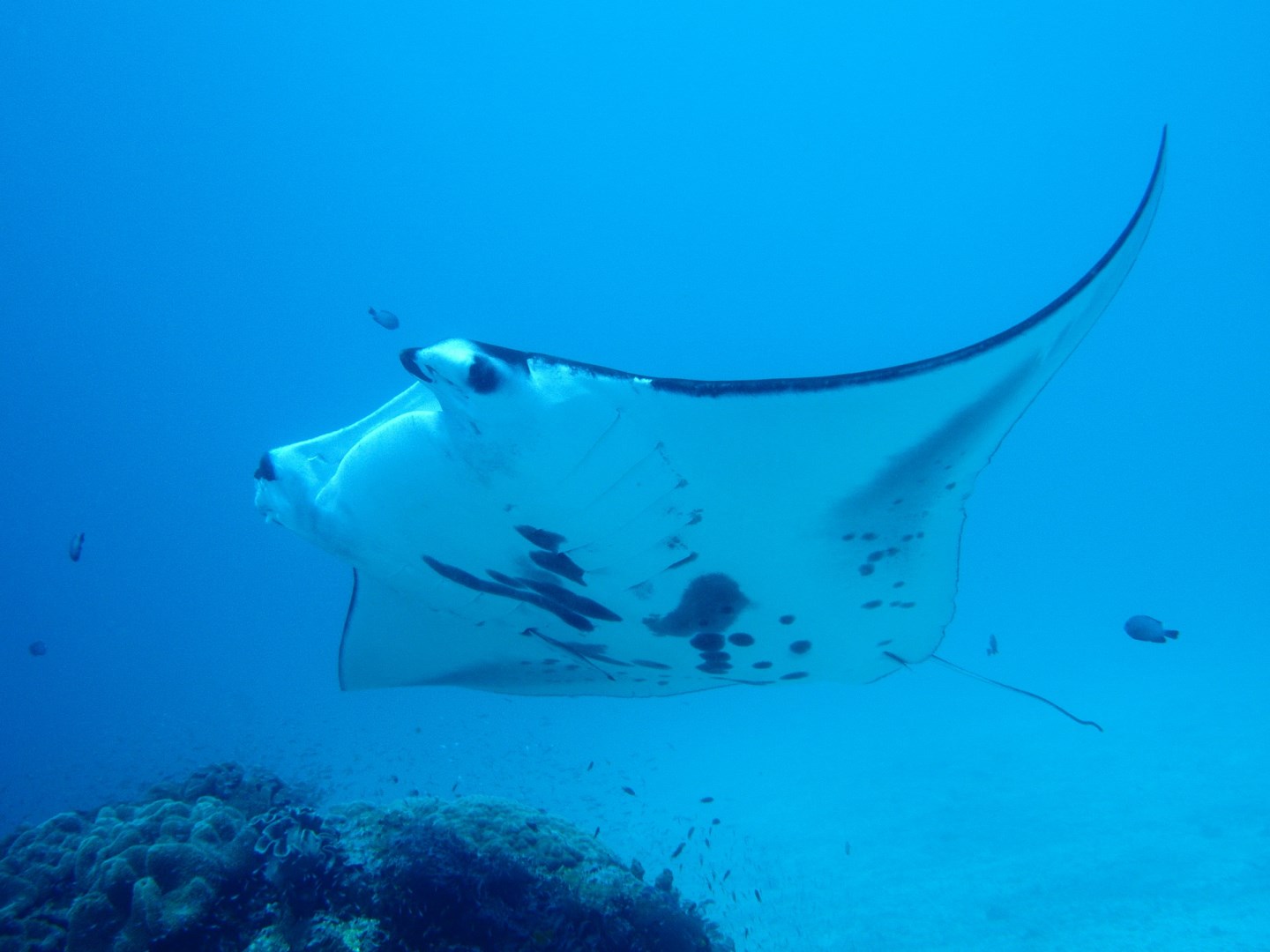
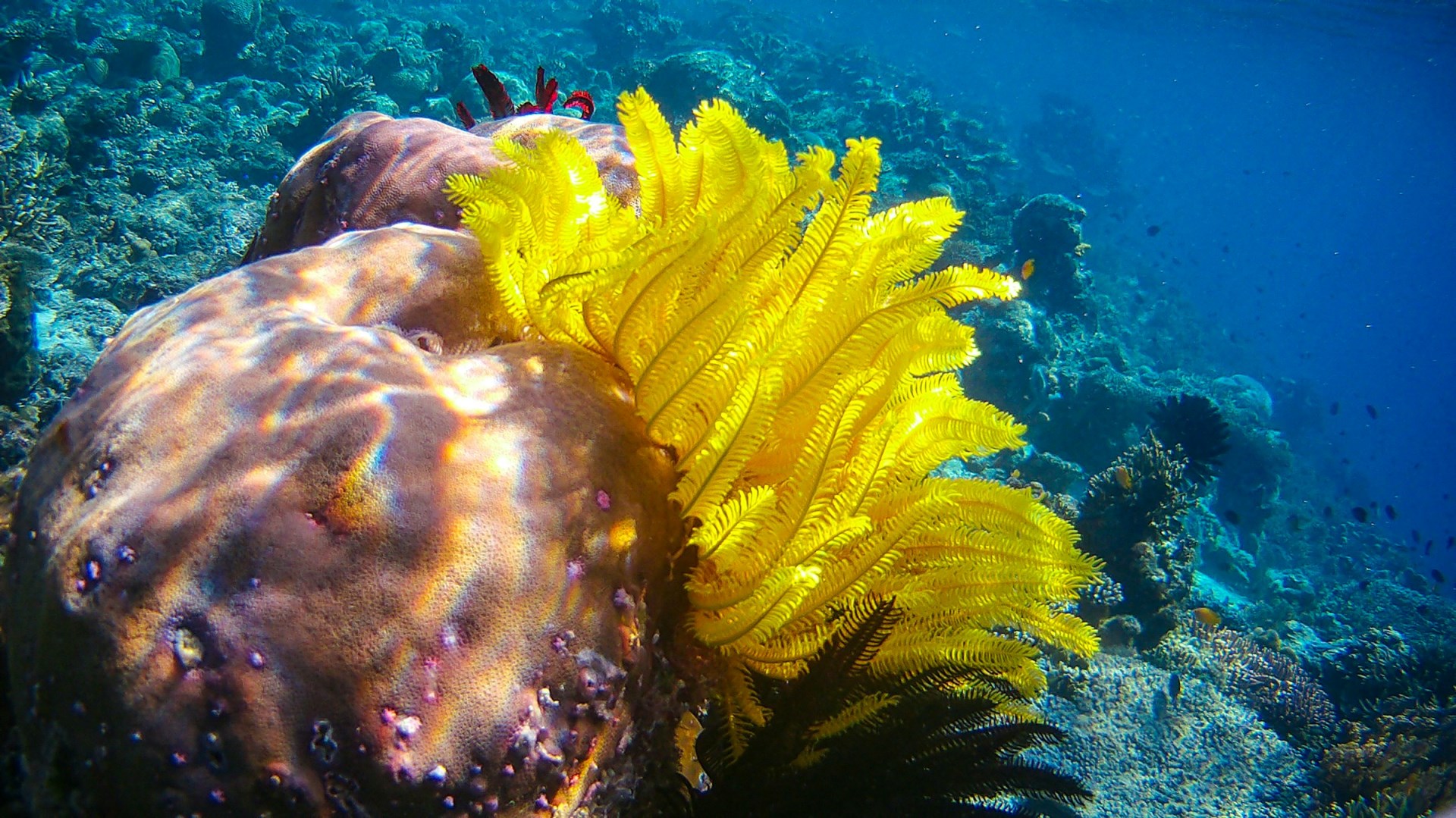
The marine environment is the defining feature of Raja Ampat, with coral reefs supporting an exceptionally diverse range of fish, mollusks, sea turtles, reef organisms, and other marine species. Popular areas include the karst formations of Wayag, the viewpoints and lagoons of Piaynemo, and the sheltered waters of Kabui Passage. Misool is known for limestone islands, reefs, lagoons, and underwater habitats, while Waigeo combines forested landscapes with coastal bays and diving sites. The region is also home to birds of paradise and other wildlife, making its terrestrial ecosystems an important part of the wider landscape.
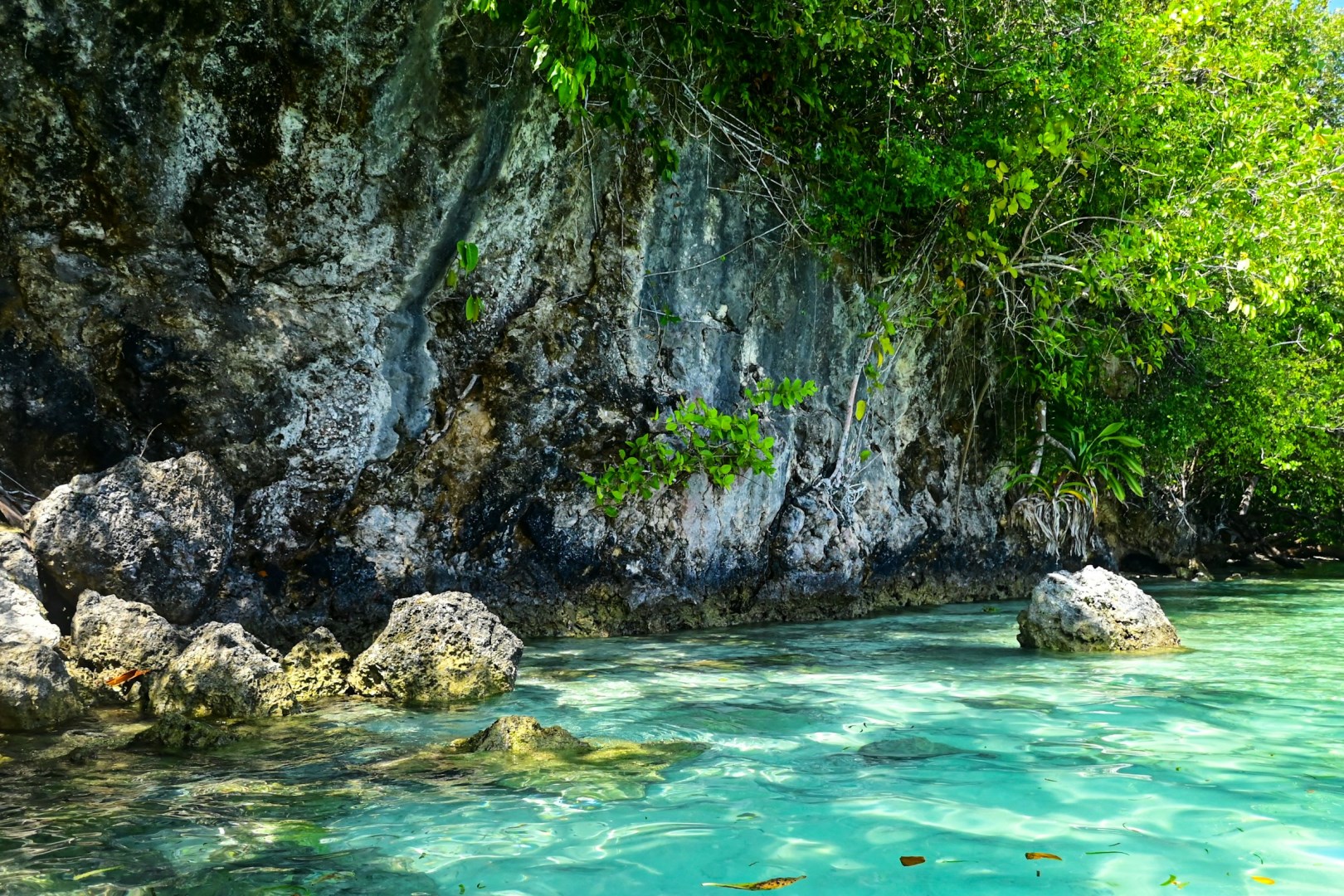
Seafood forms an important part of local cuisine, while sago, rice, vegetables, and tropical fruits are also used in meals across the islands. Villages and homestays can provide a more direct introduction to local food and community life than larger tourism centers. One distinctive feature of Raja Ampat is the way its natural geography connects above-water and underwater landscapes: limestone islands rise from reef-filled seas, mangroves line sheltered coastlines, and forest extends close to the water. The region's conservation traditions, including sasi, further demonstrate the longstanding connection between local communities and their surrounding ecosystems.
Other Popular Destinations in Indonesia