




East and Southeast Asia | Indonesia | Gili Trawangan
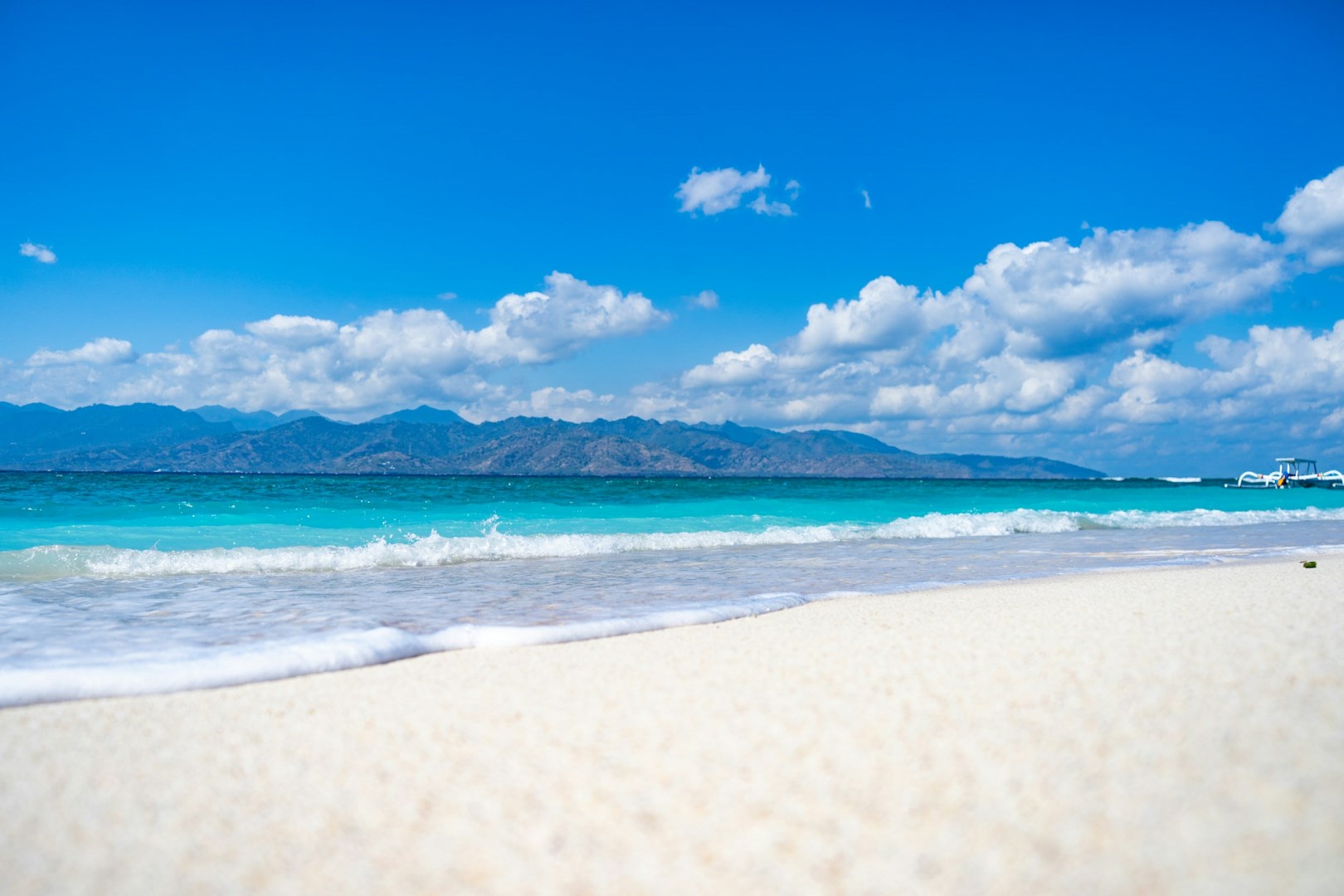


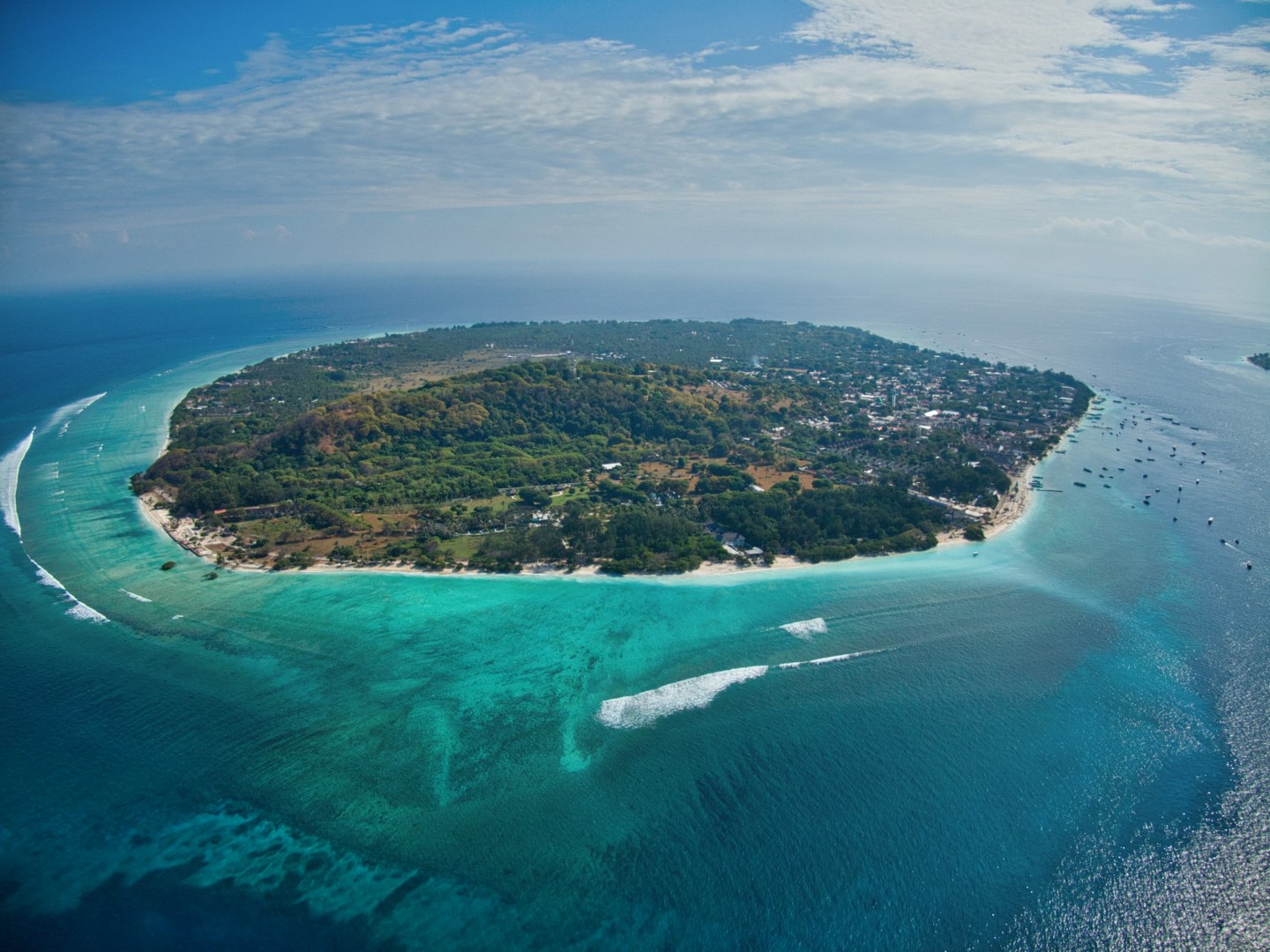
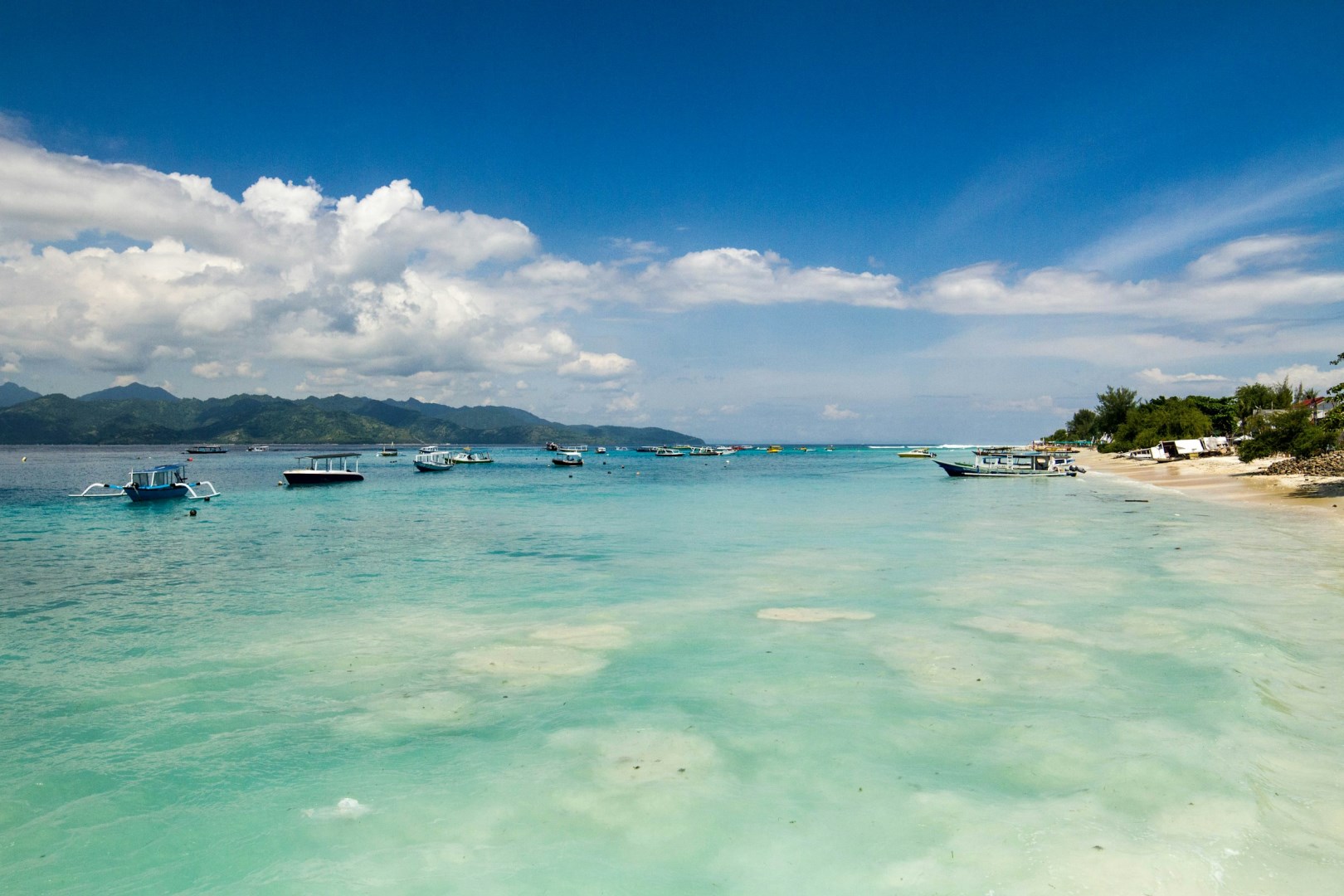


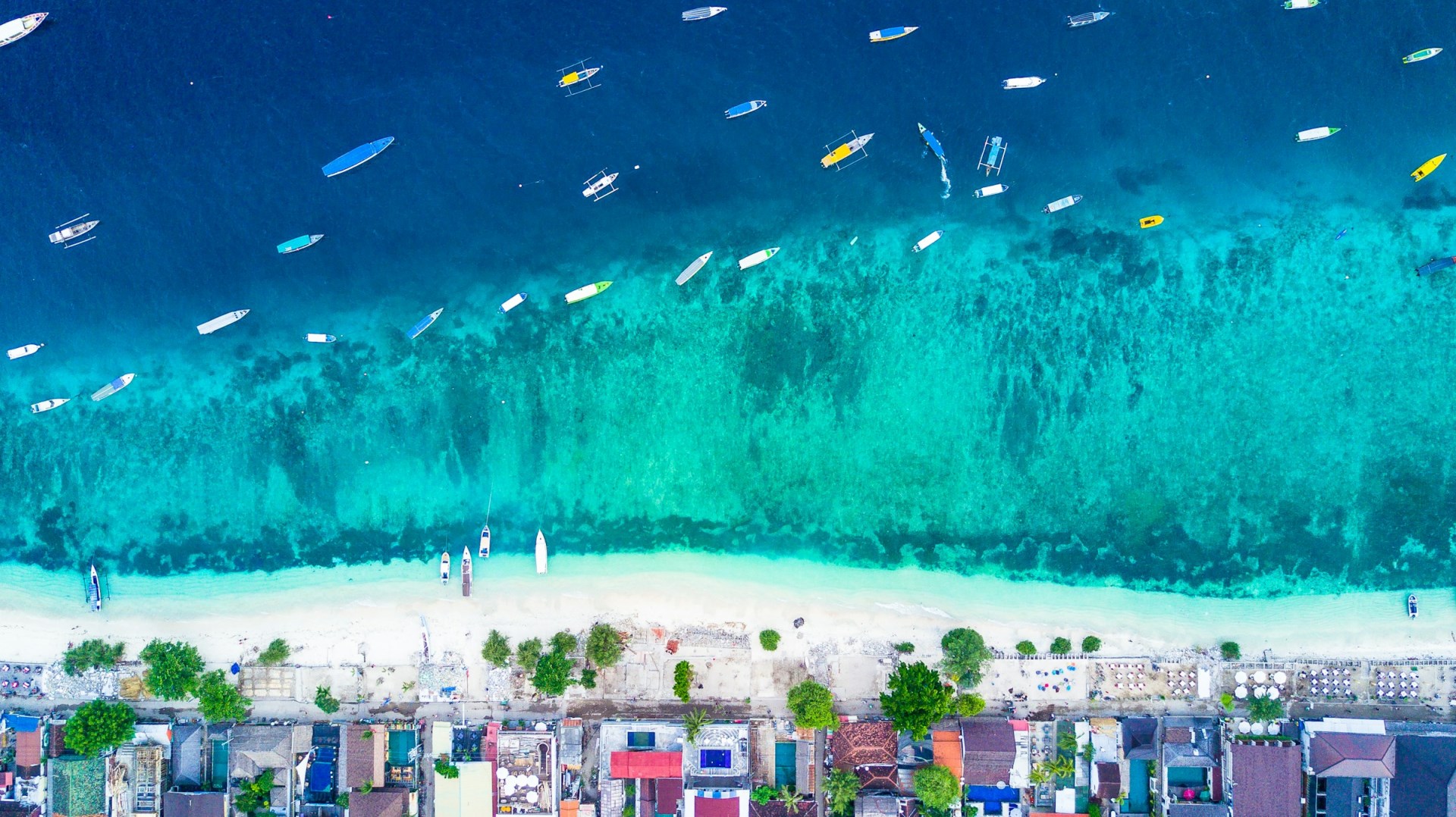



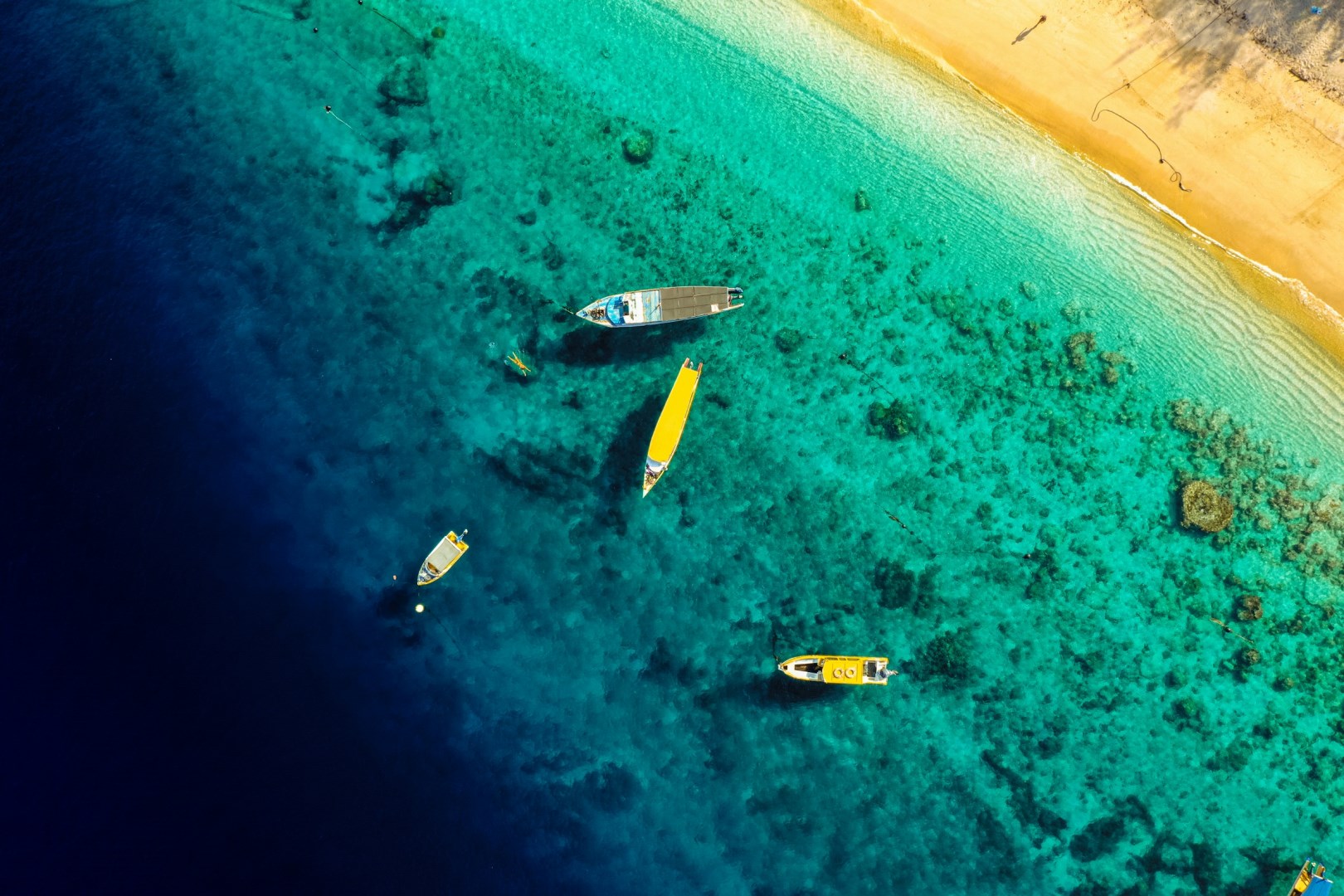



Gili Trawangan is the largest of the three Gili Islands, located off the northwest coast of Lombok in West Nusa Tenggara. The island is surrounded by coral reefs and clear coastal waters, with a sandy shoreline extending around much of its perimeter. Its compact size makes it easy to explore by bicycle or on foot, while horse-drawn cidomo carts provide traditional local transport. Gili Trawangan has a more developed tourism scene than neighboring Gili Meno and Gili Air, with restaurants, guesthouses, dive centers, and waterfront businesses concentrated along the eastern and southern shores.
Local island life reflects the traditions of the Sasak people, whose cultural heritage is closely associated with Lombok. Fishing has traditionally been an important livelihood, and the island remains connected to the wider coastal communities of the region. Islam is the predominant religion, with the island's mosque serving as a visible part of community life. The absence of motor vehicles is another distinctive aspect of Gili Trawangan. Instead, bicycles and cidomo carts are the main forms of transport, creating a different pace of movement from the busy roads found elsewhere in Indonesia.
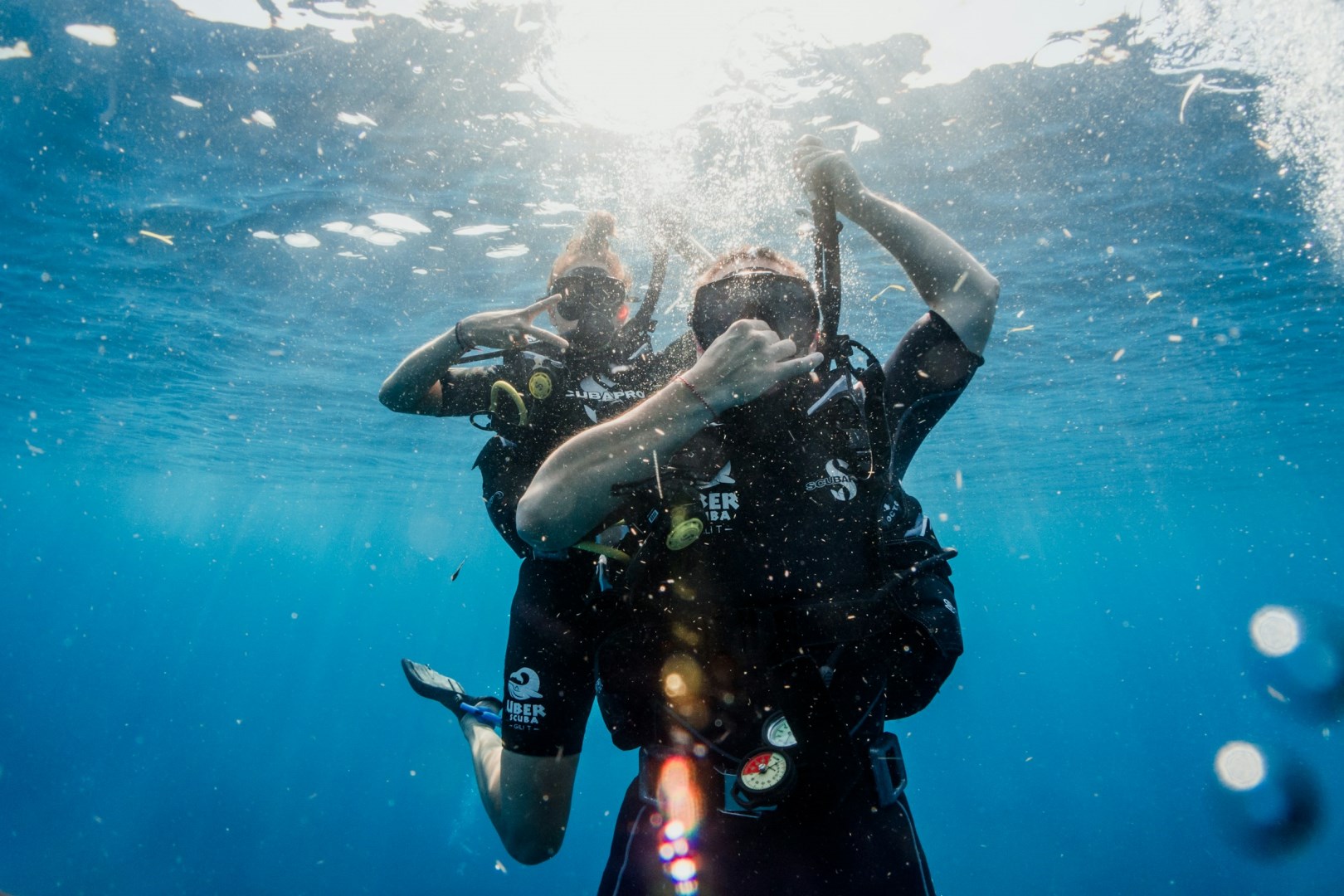
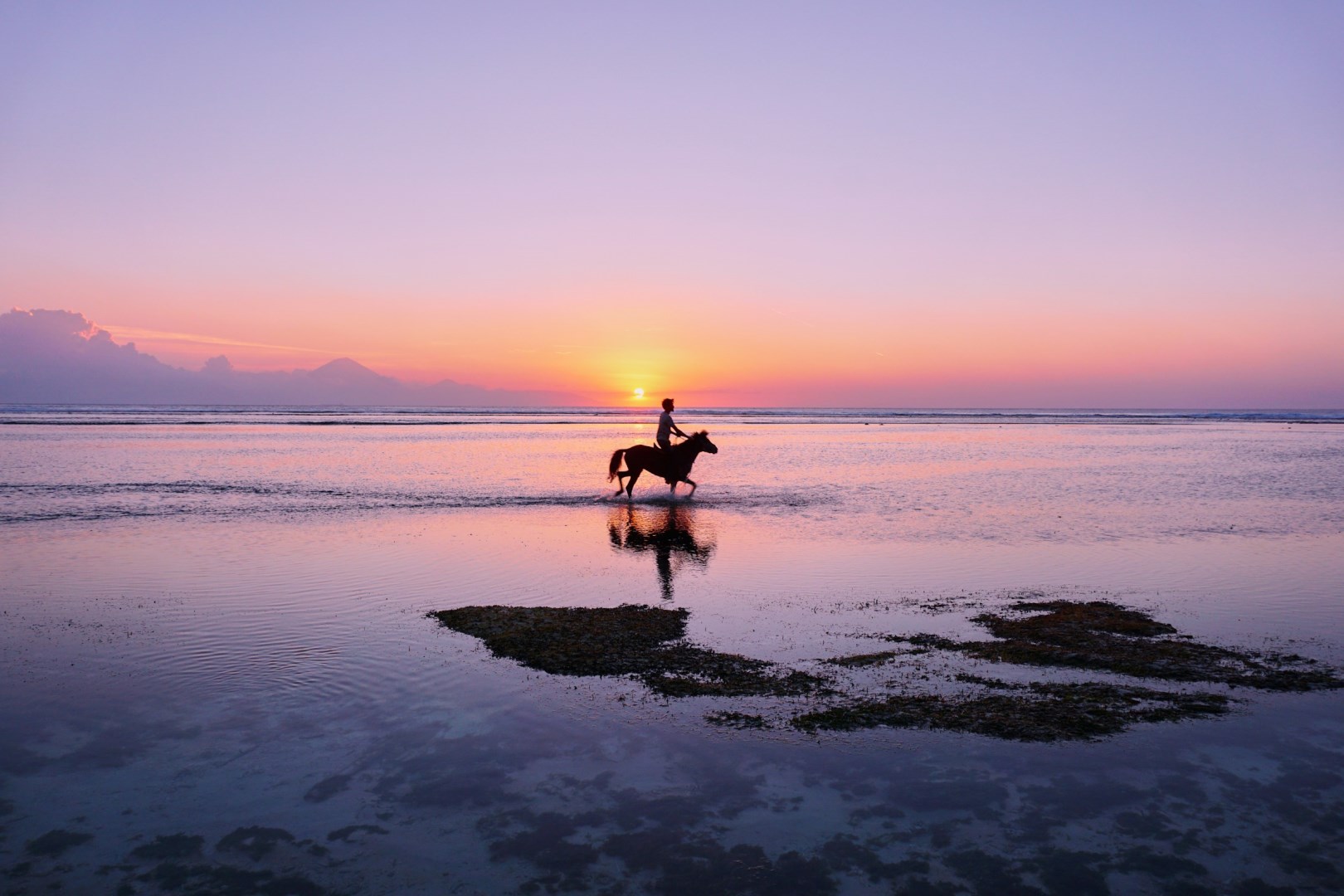
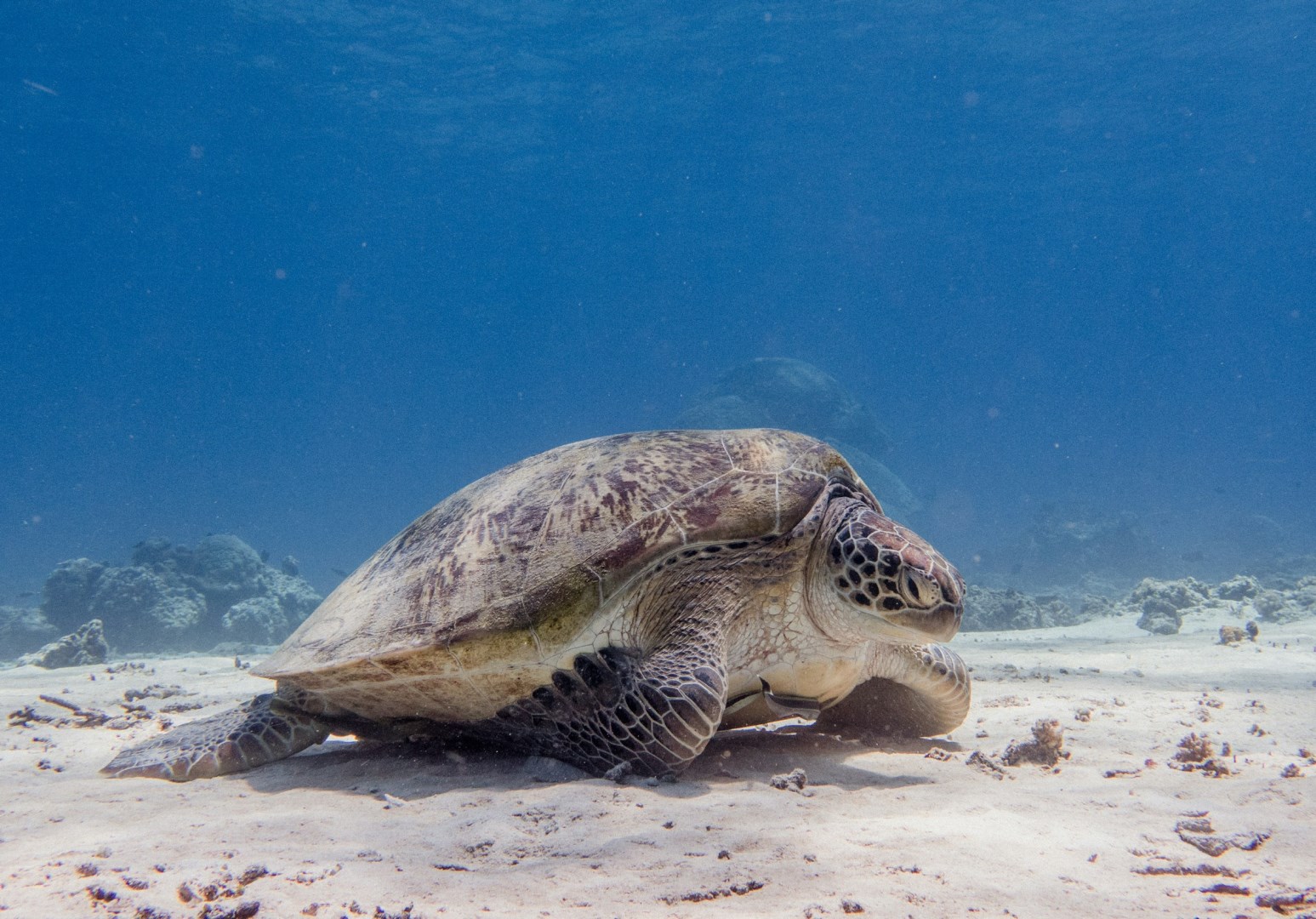
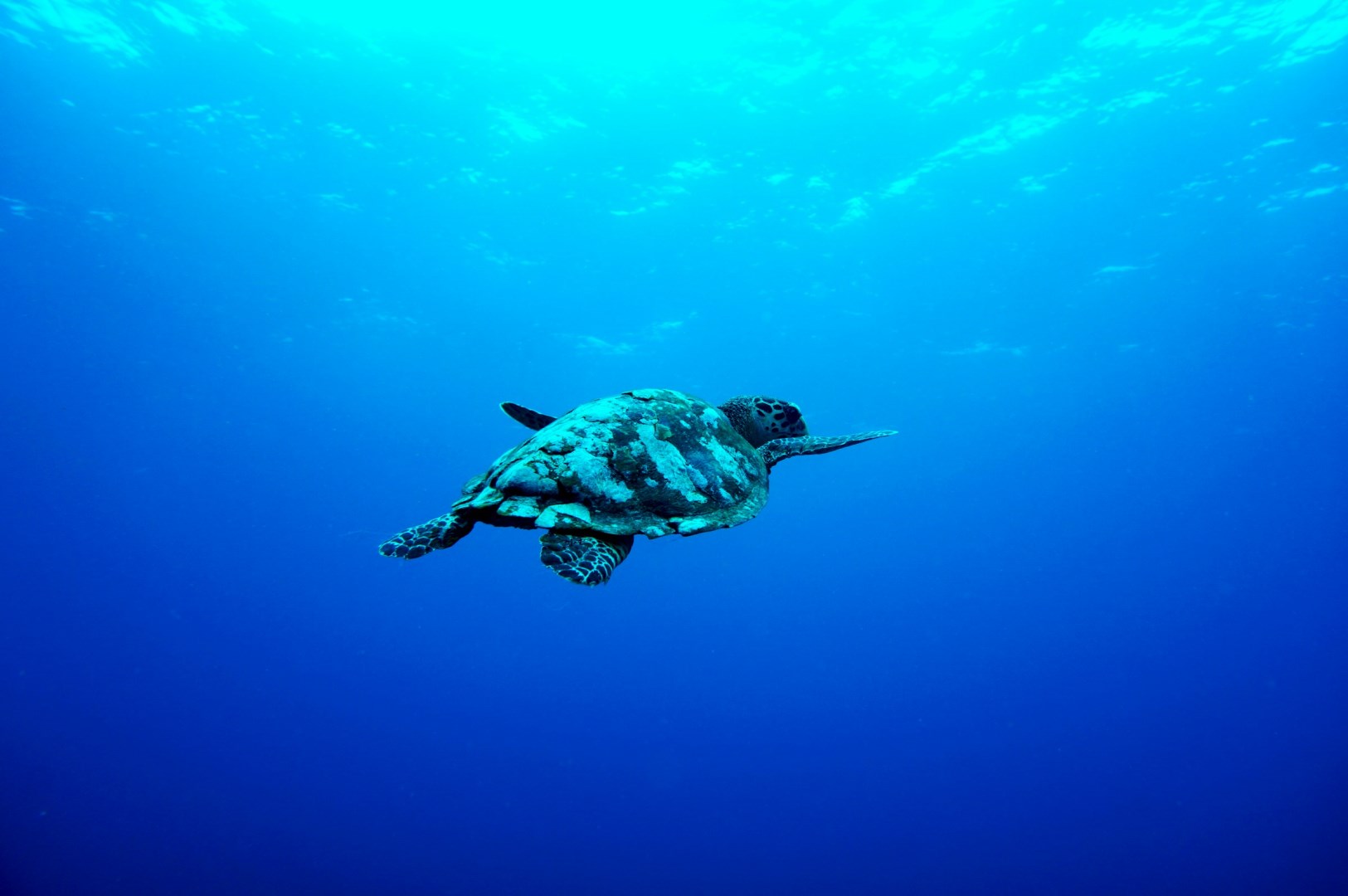
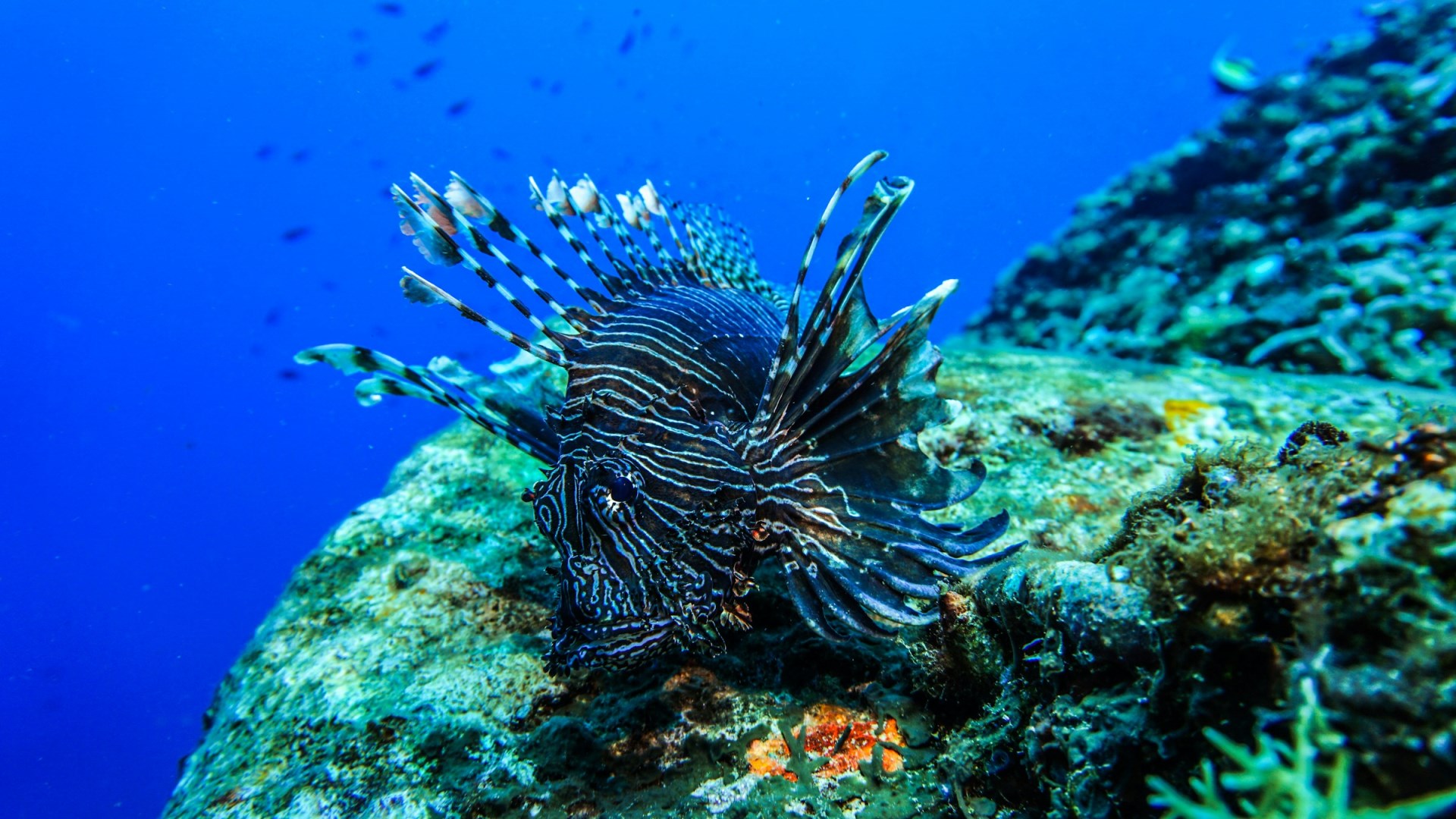
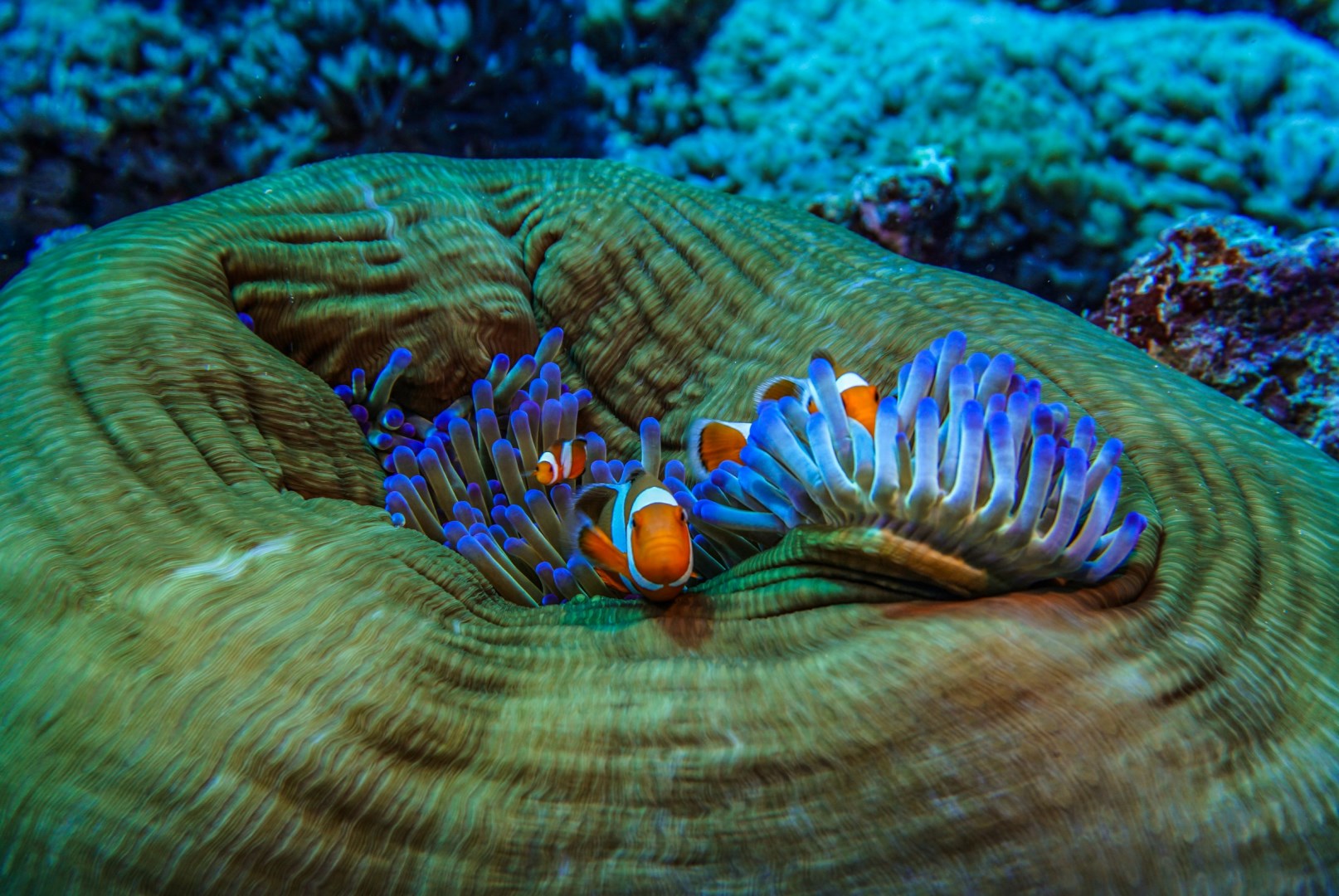
The waters around Gili Trawangan support coral reefs, sea turtles, reef fish, and other tropical marine species, making snorkeling and scuba diving central activities. Several established dive sites surround the island, while the shallow coastal waters provide accessible snorkeling areas. Visitors can also take boat trips to nearby Gili Meno and Gili Air, where additional reefs and beaches can be explored. The island's western coast is less developed than its main eastern settlement and is known for open beach areas and views across the Lombok Strait, particularly toward Bali when conditions are clear.
Food on Gili Trawangan includes fresh seafood as well as Indonesian staples such as nasi goreng, mie goreng, satay, and grilled fish. Restaurants also serve dishes influenced by international cuisines, reflecting the island's long-standing role as a destination for visitors from many countries. The main coastal road contains most of the island's dining and evening venues, while quieter areas can be found farther from the principal settlement. Marine conservation is also significant, with local organizations involved in coral restoration and efforts to protect the reefs and sea turtles surrounding the Gili Islands.
