



Central Asia | India | Hampi
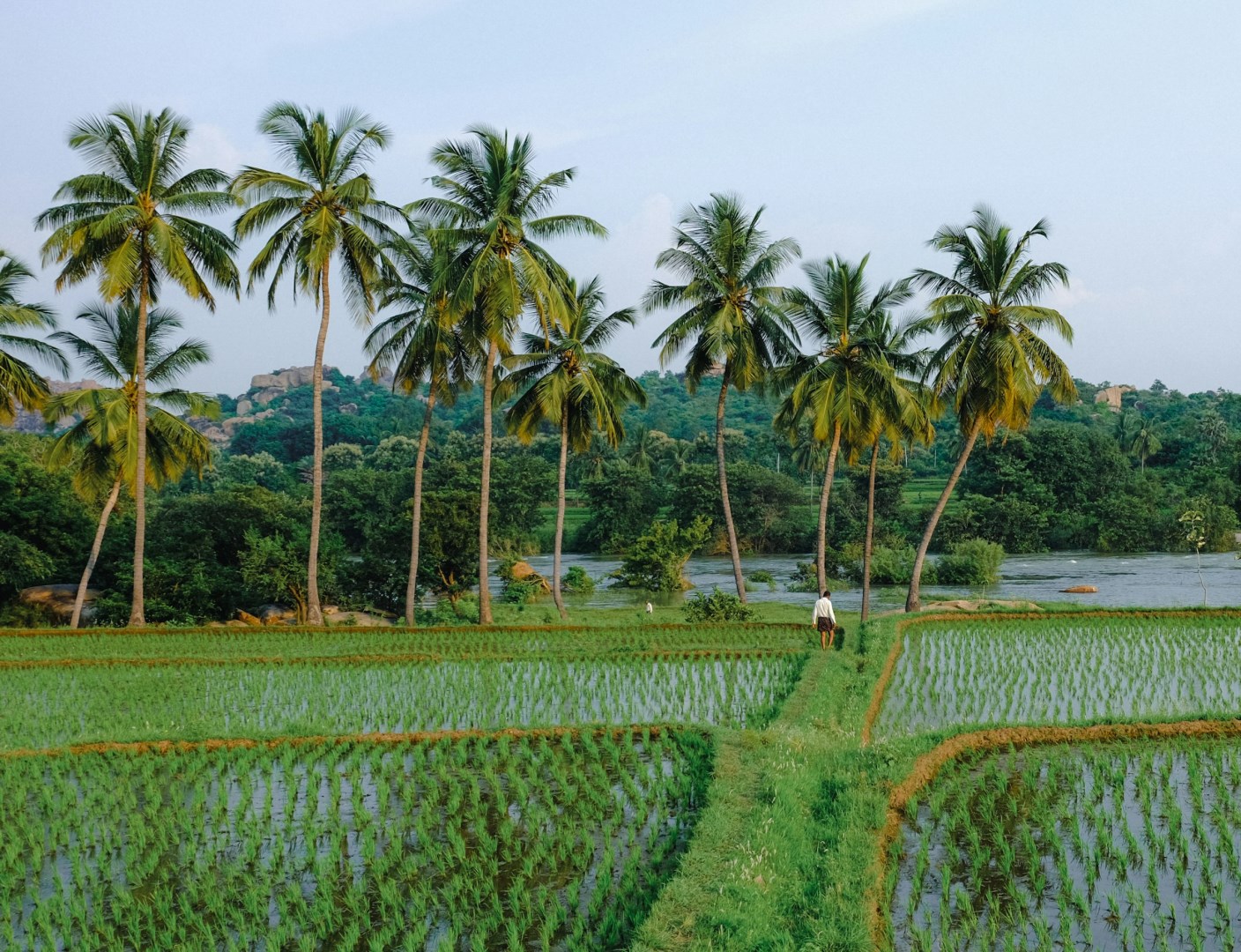

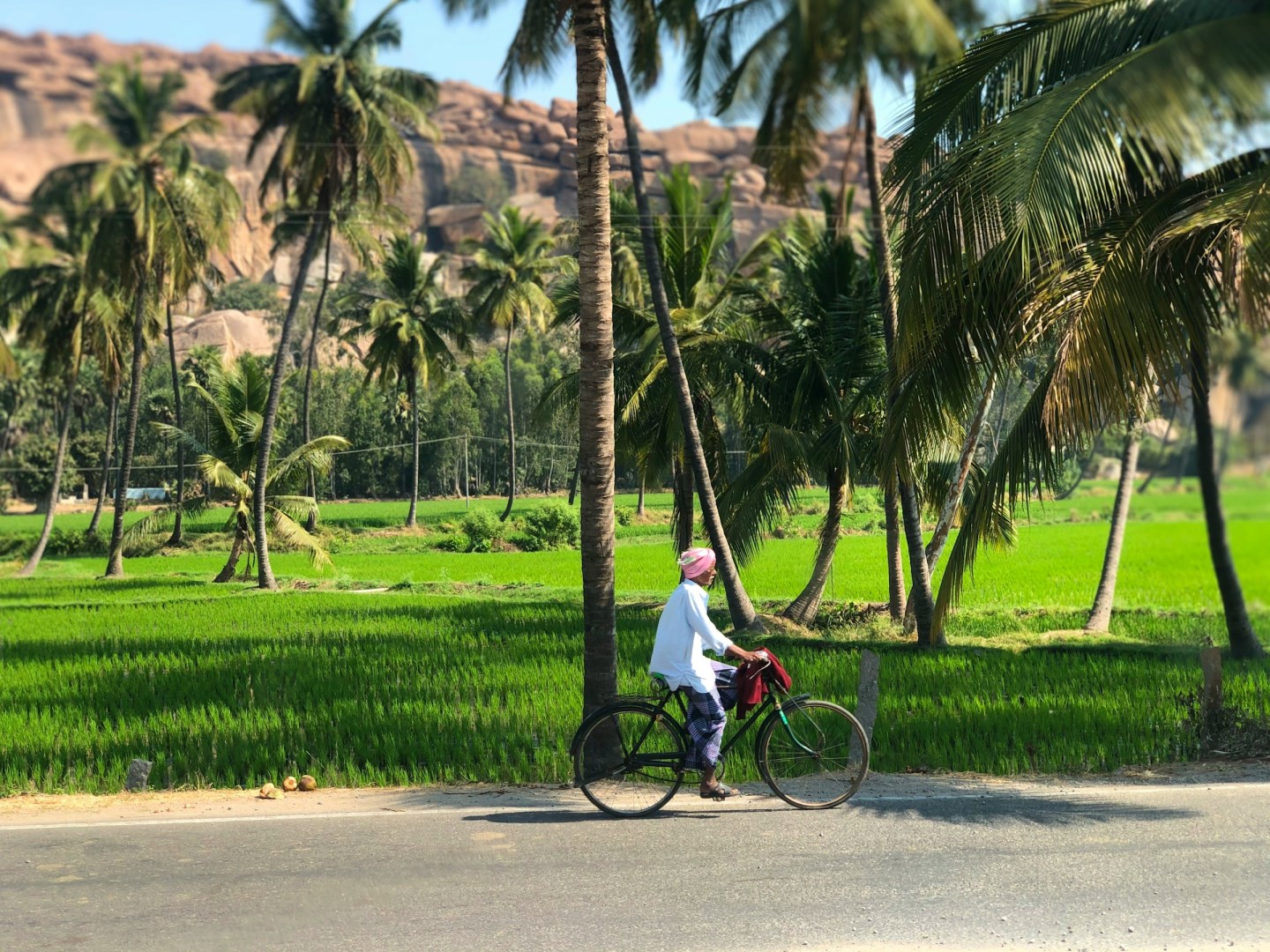
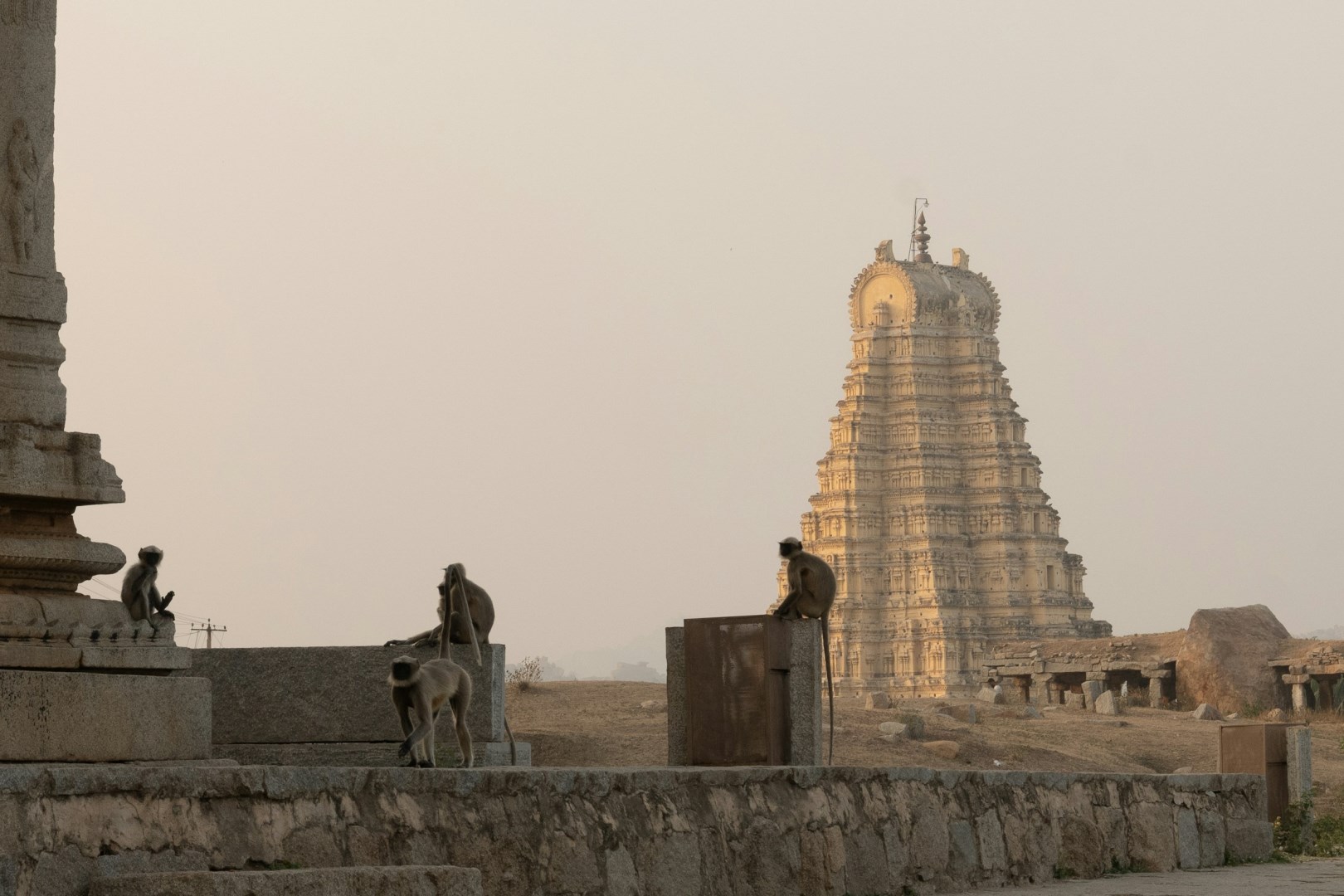
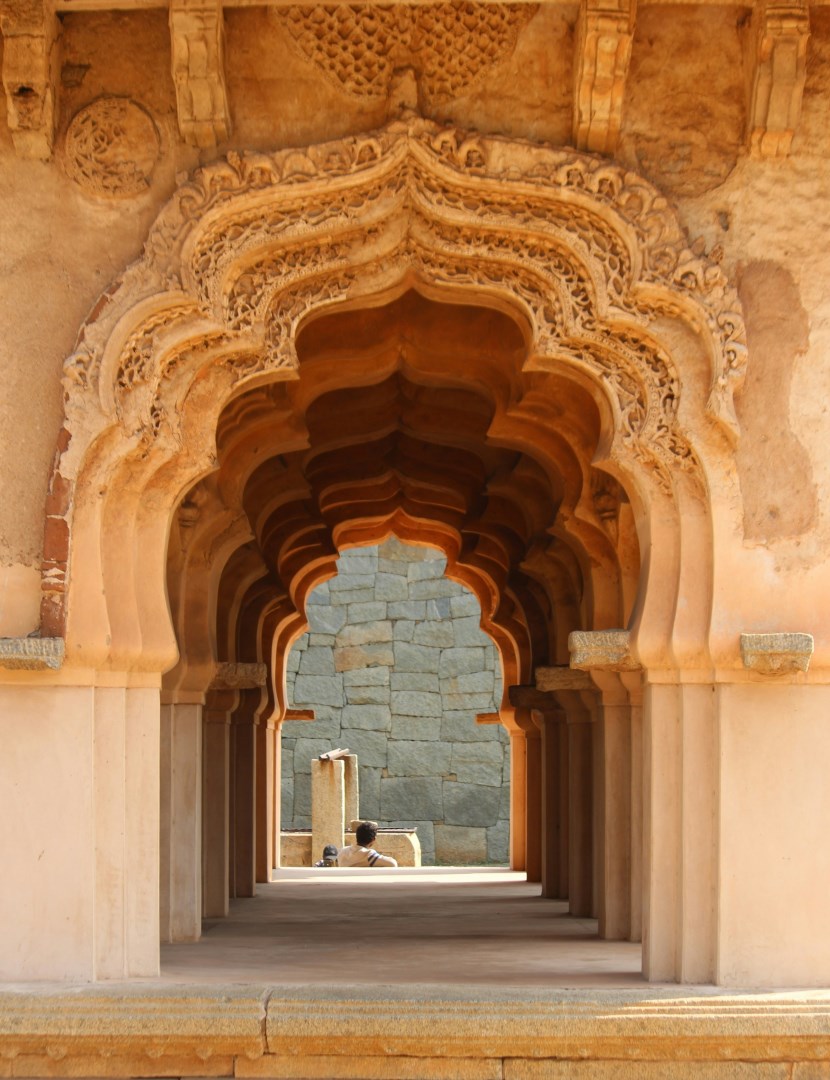
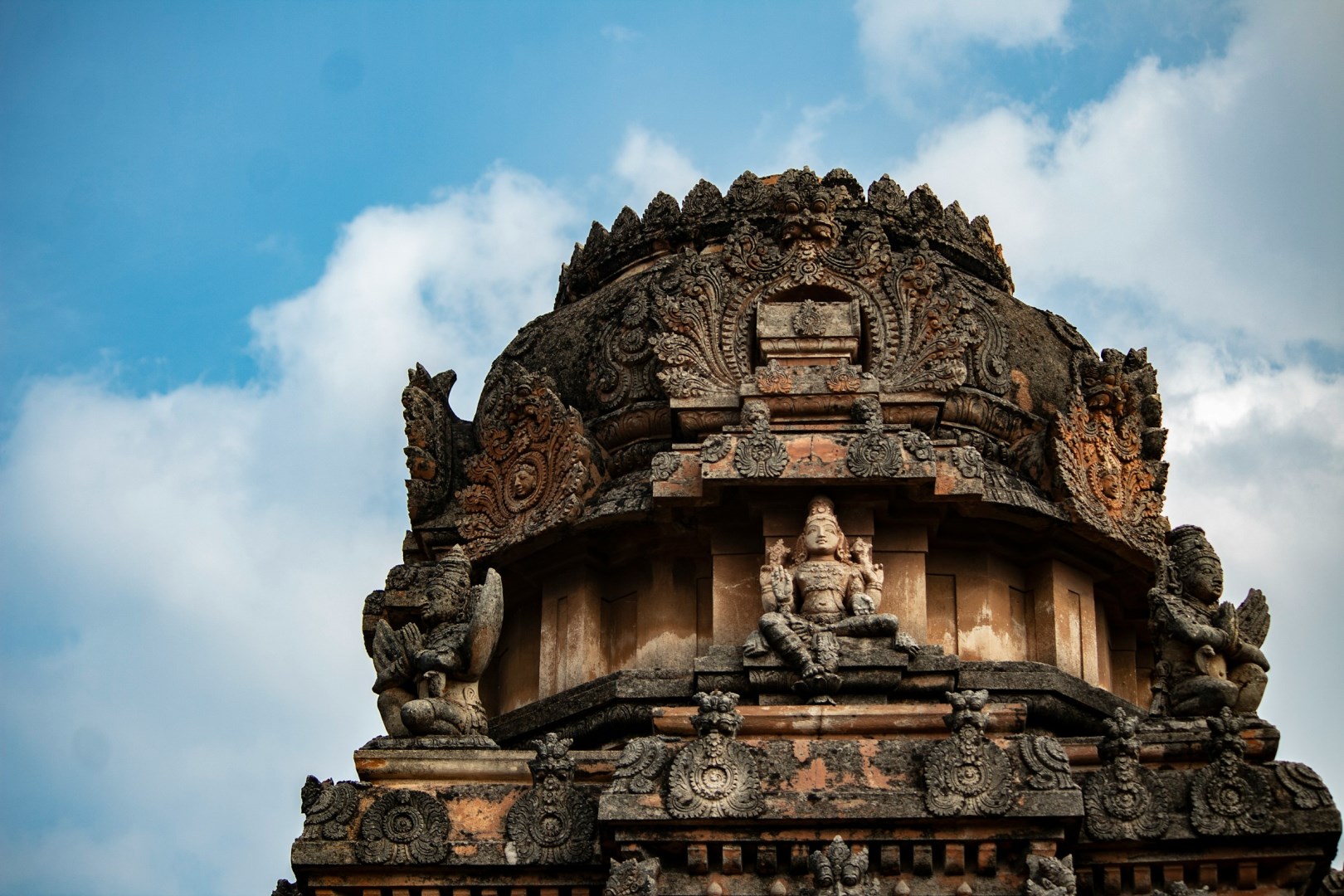
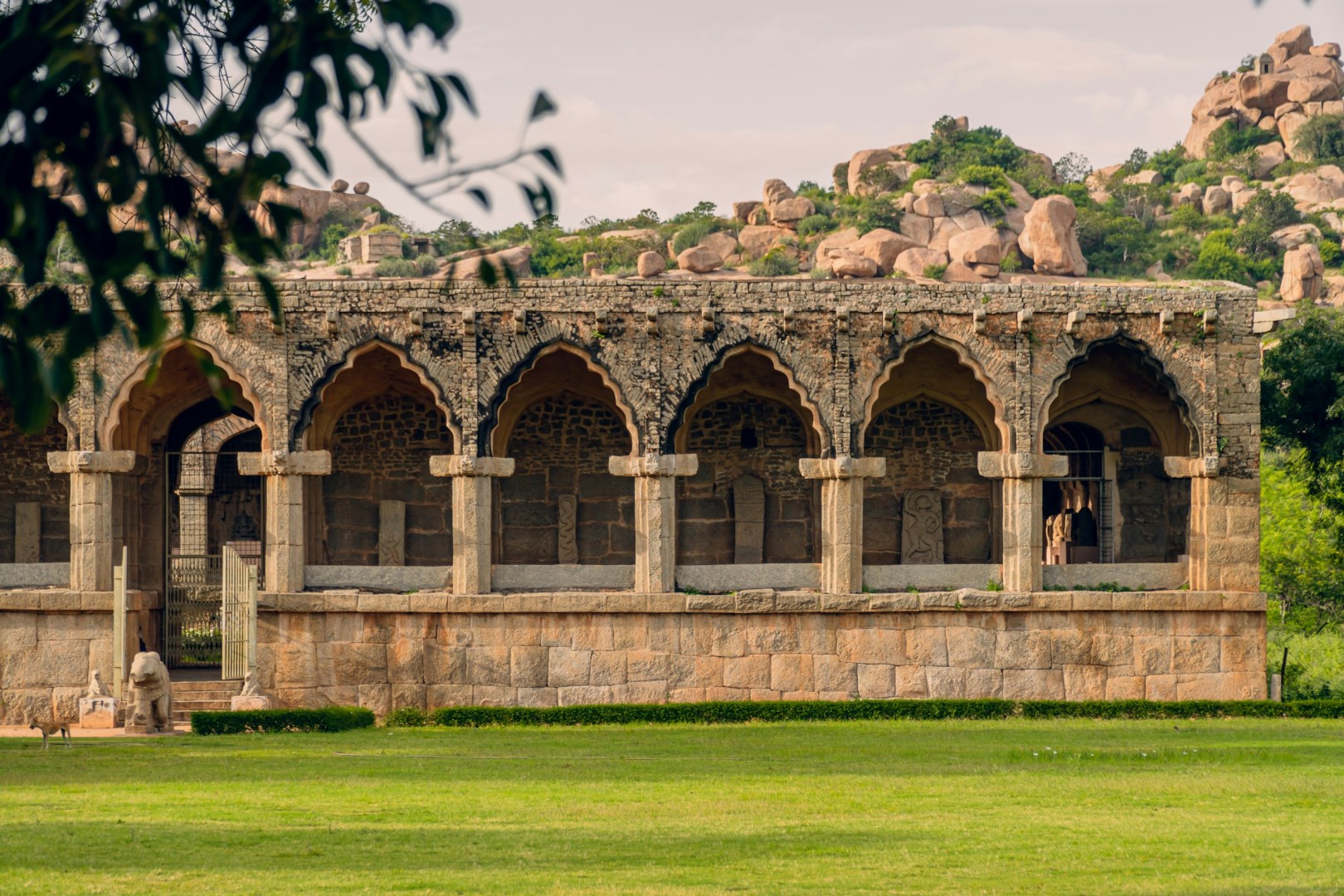
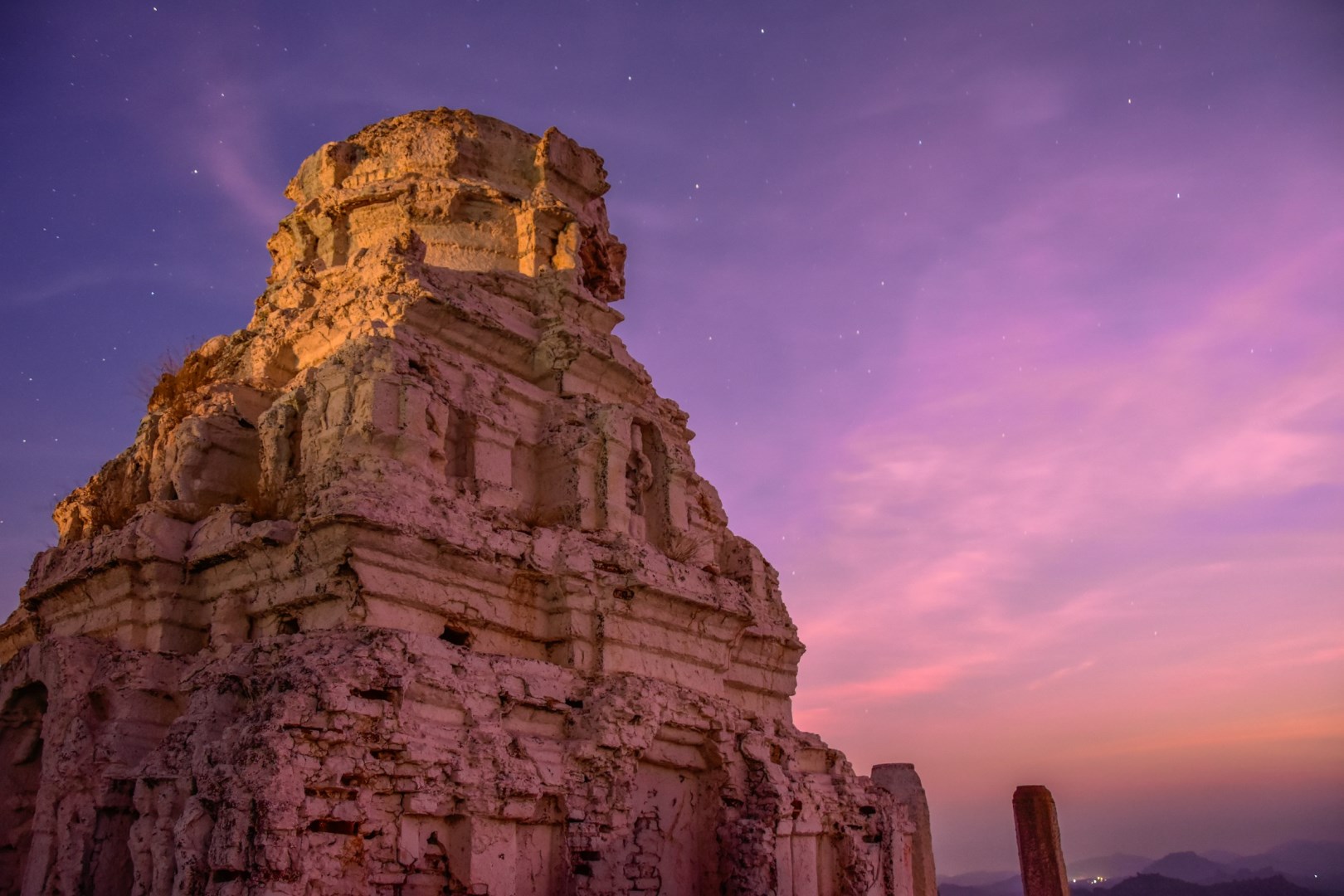
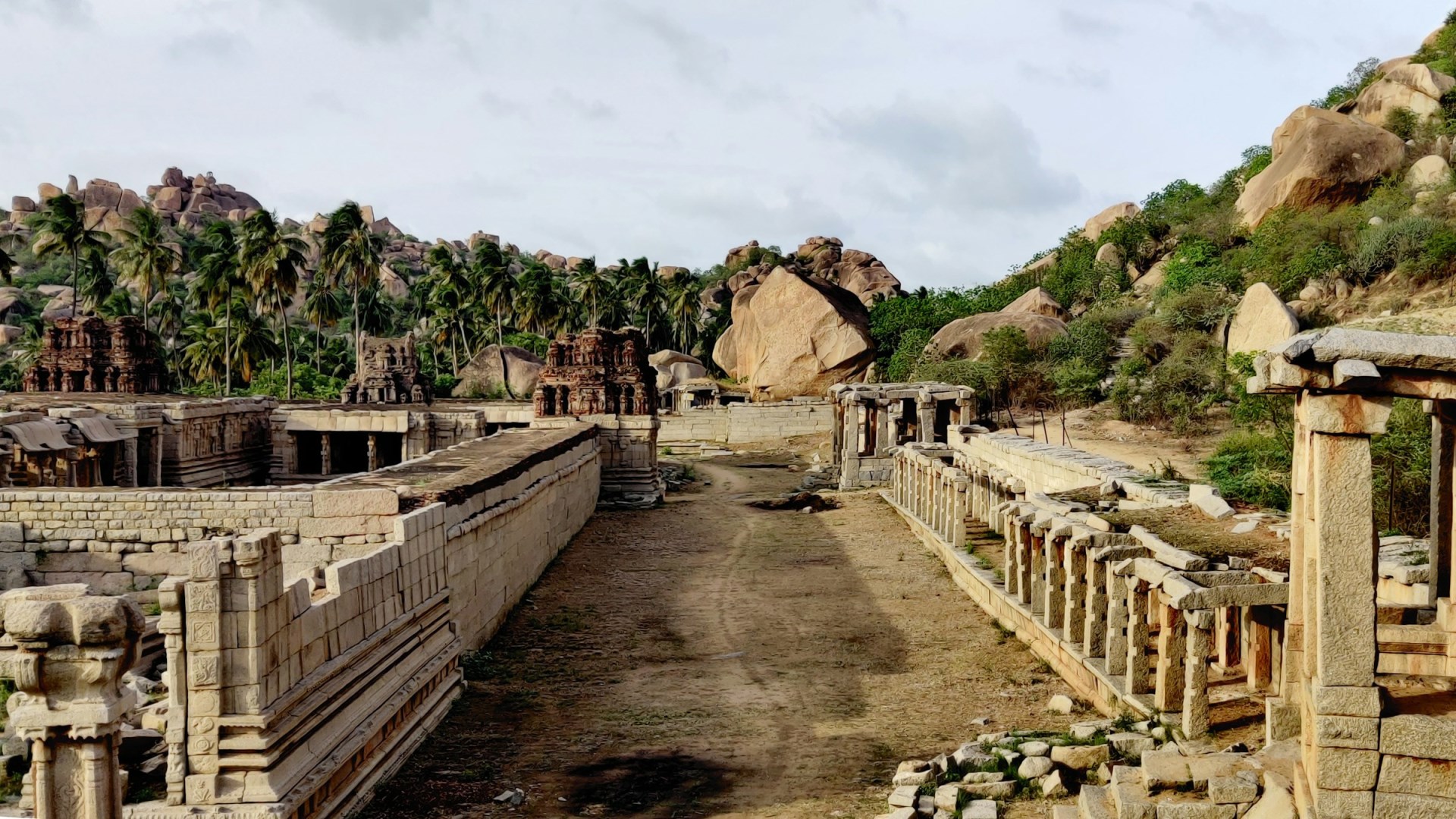
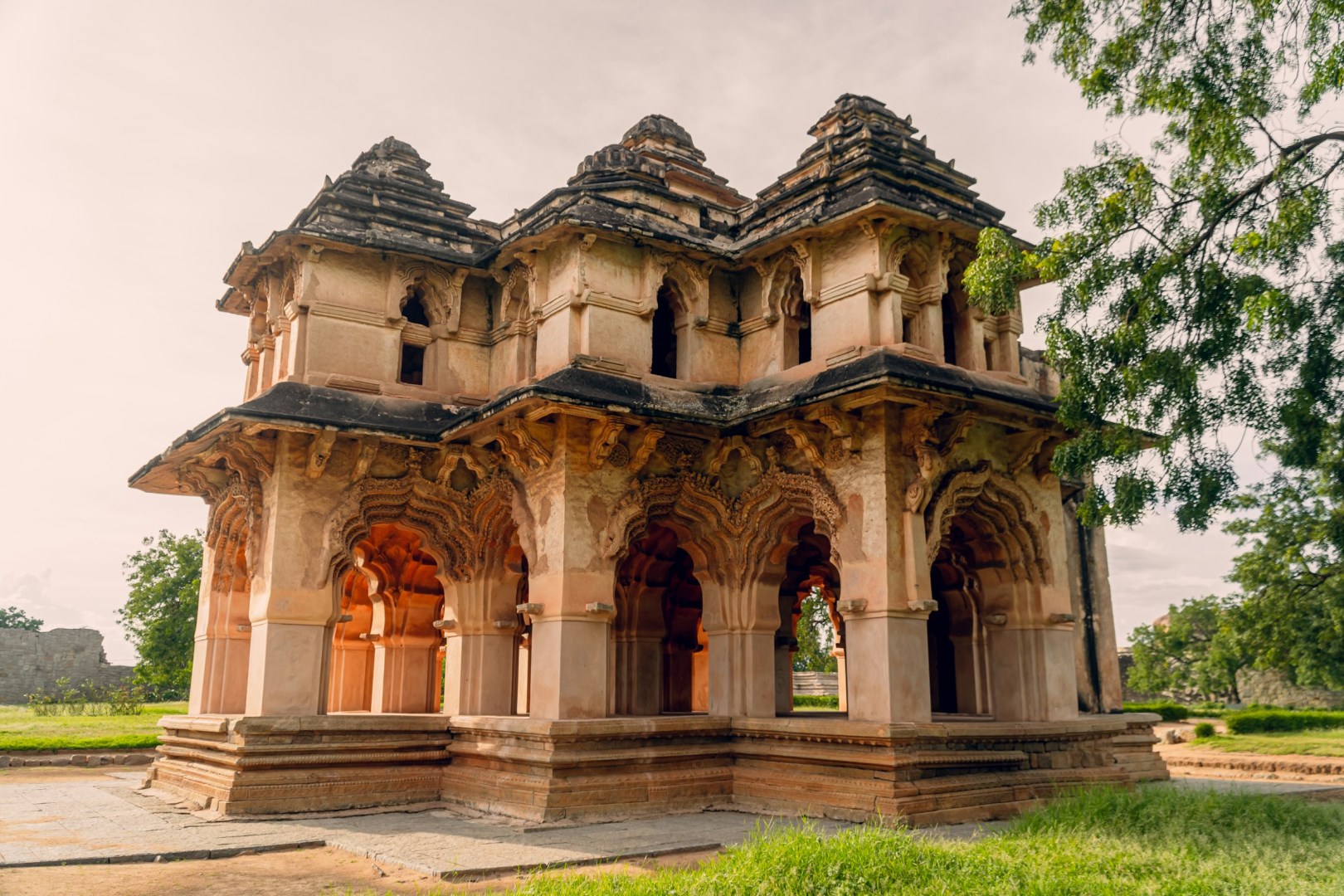
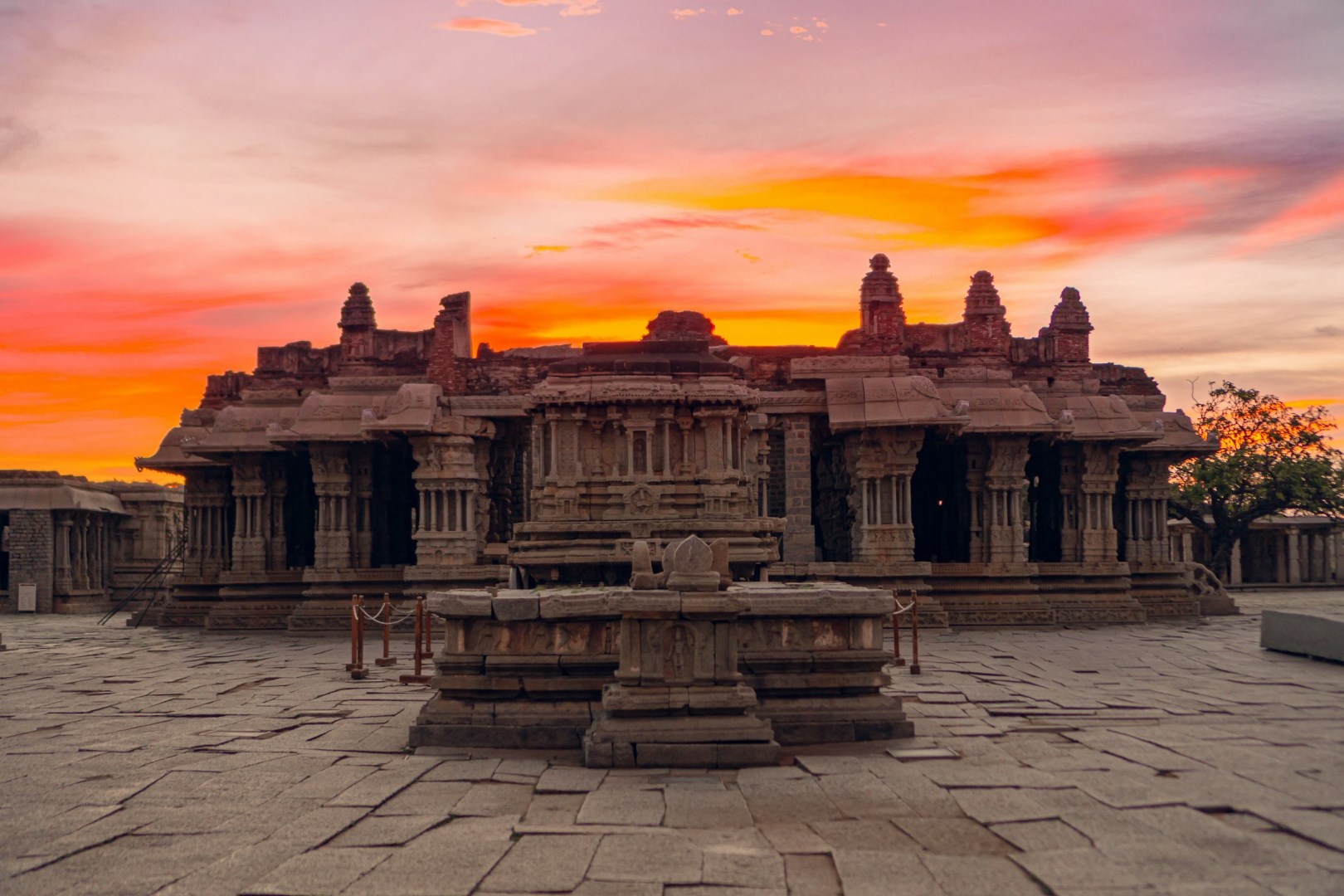
Hampi is a historic village and archaeological landscape in Karnataka, set among dramatic granite boulders, rocky hills, banana plantations, and the Tungabhadra River. The ruins belong to the former capital of the Vijayanagara Empire and cover a wide area of temples, gateways, markets, palaces, shrines, and water structures. The landscape is notable for the way monumental architecture sits among natural rock formations and agricultural fields. Hampi is recognized as a UNESCO World Heritage Site and remains one of southern India’s most important archaeological destinations.
Hampi’s cultural identity is strongly connected with Hindu traditions and the history of the Vijayanagara Empire. Virupaksha Temple remains an active place of worship and is dedicated to Shiva, while the Vittala Temple complex is known for its elaborate stone carvings and the famous stone chariot. Other important monuments include the Hazara Rama Temple, Achyutaraya Temple, Krishna Temple, and the Queen’s Bath. Many structures contain detailed carvings depicting deities, animals, musicians, dancers, and scenes associated with religious and courtly life, providing insight into the artistic traditions of the region.
The archaeological landscape extends across both sides of the Tungabhadra River, with trails connecting temples, markets, pavilions, reservoirs, and rocky viewpoints. The Vittala Temple is one of the most recognizable sites, particularly for its stone chariot and ornate pillared halls. Matanga Hill provides elevated views across the ruins and surrounding countryside, while Hemakuta Hill contains several smaller temples and shrines. The Royal Centre includes the Lotus Mahal, Elephant Stables, stepped tanks, and other remains associated with the former royal complex. The combination of monumental ruins, boulder-strewn hills, riverbanks, and cultivated land gives Hampi a distinctive setting.
Food in Hampi reflects the cuisine of Karnataka, with rice, lentils, vegetables, millet, coconut, and regional spices forming the basis of many traditional meals. Dosas, idlis, vadas, bisi bele bath, and Karnataka-style thalis are widely associated with the region, while banana plantations around Hampi are an important part of the local agricultural landscape. A distinctive feature of Hampi is the scale of its surviving water infrastructure, including reservoirs, canals, aqueducts, and stepped tanks that supported the historic settlement and its farmland. These systems demonstrate how architecture, agriculture, and water management were integrated into the wider city.
Other Popular Destinations in India


