




Europe | Montenegro | Budva
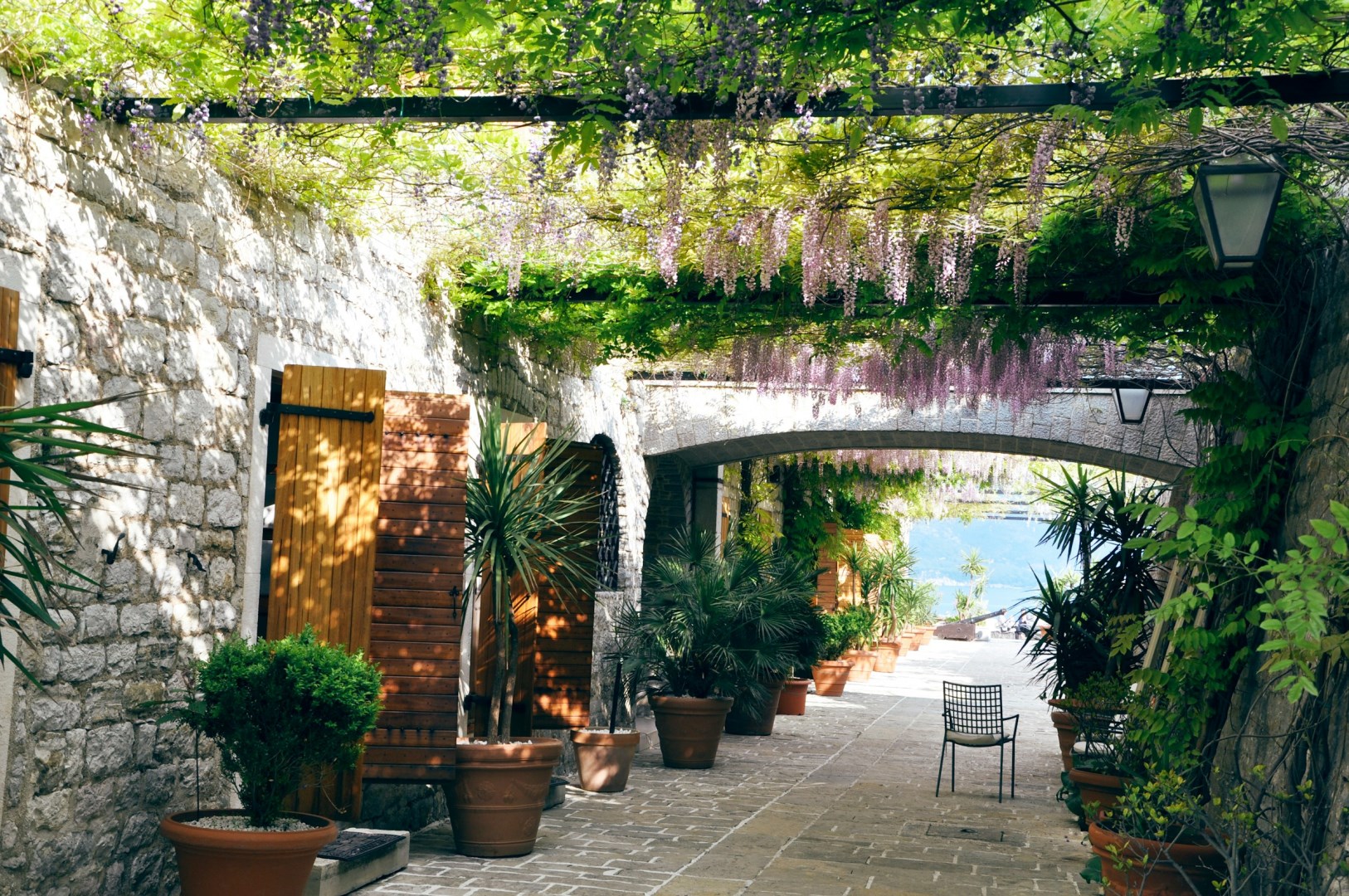
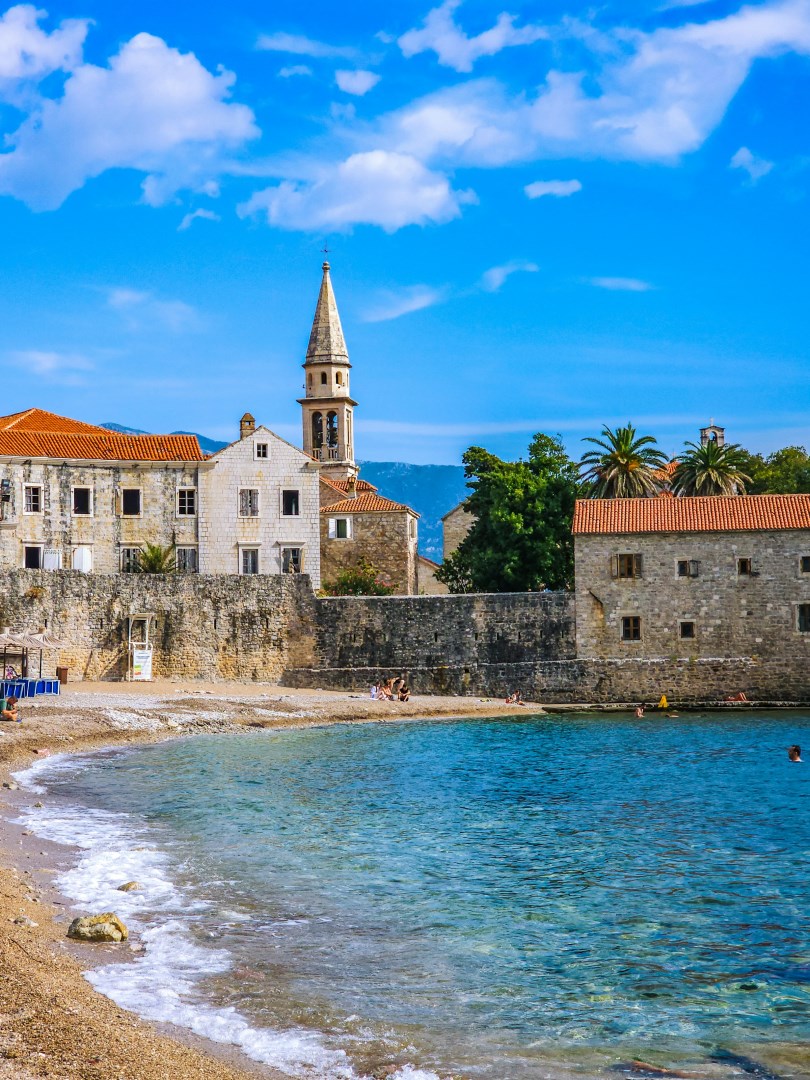
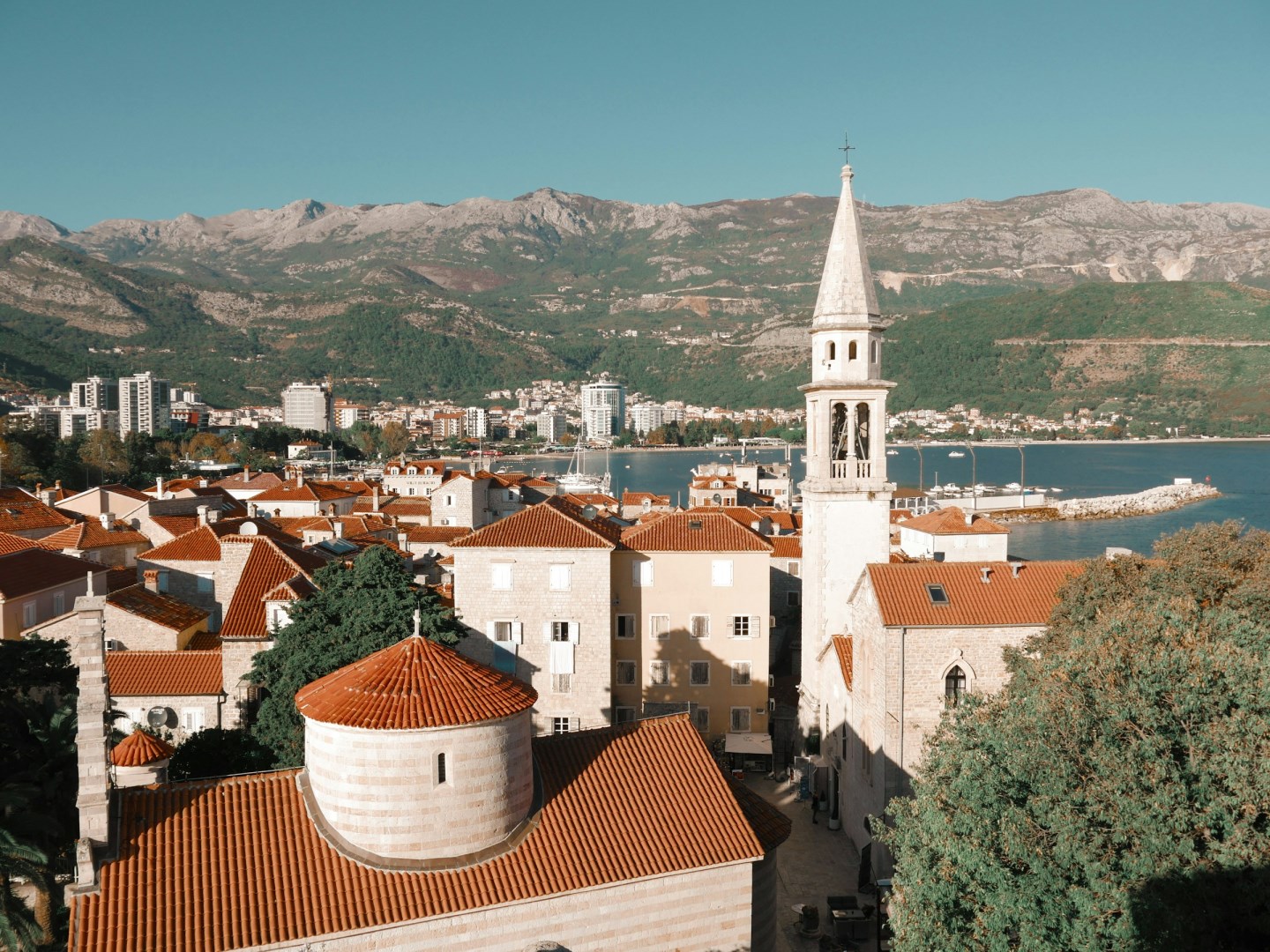
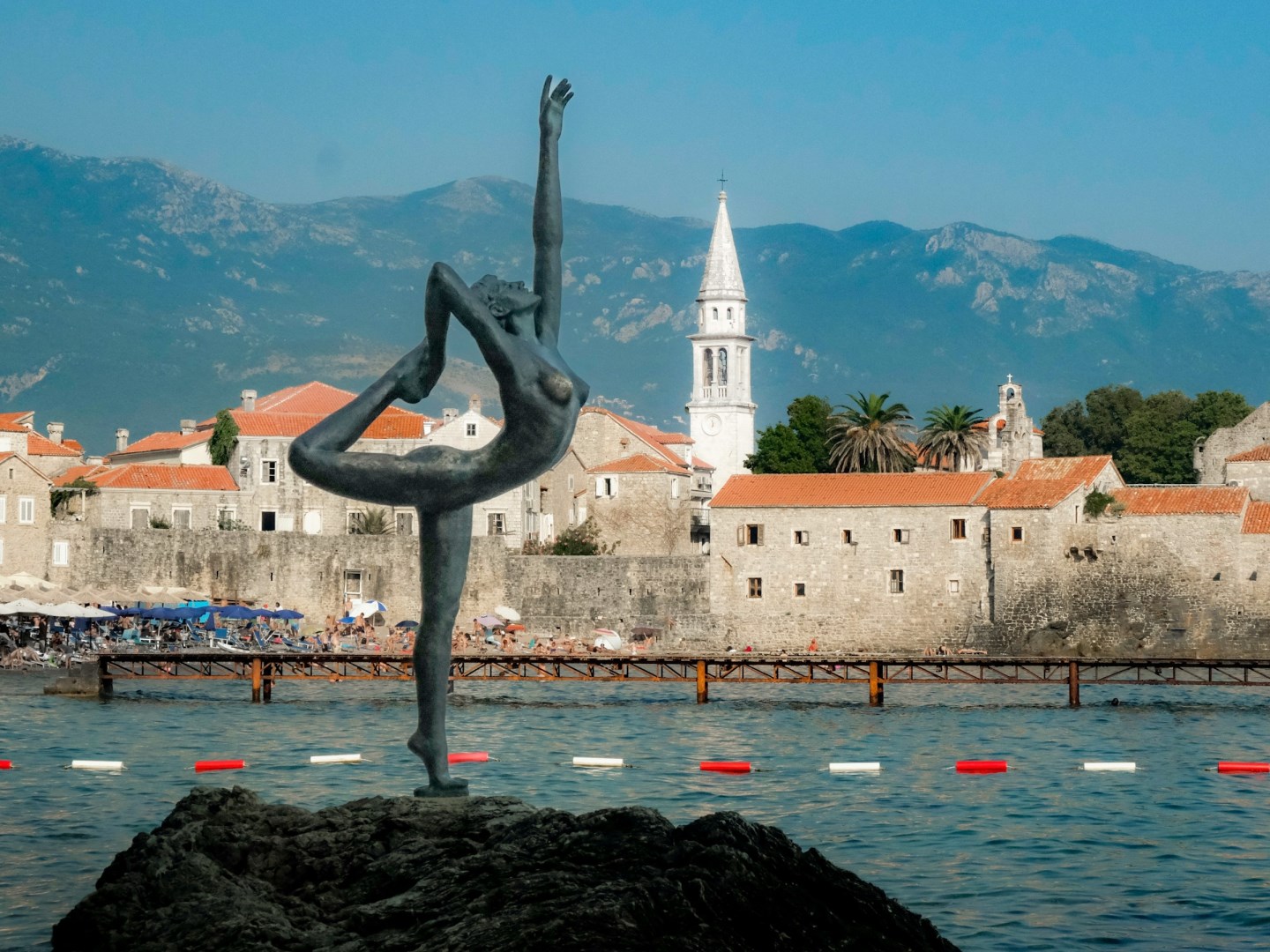
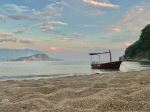
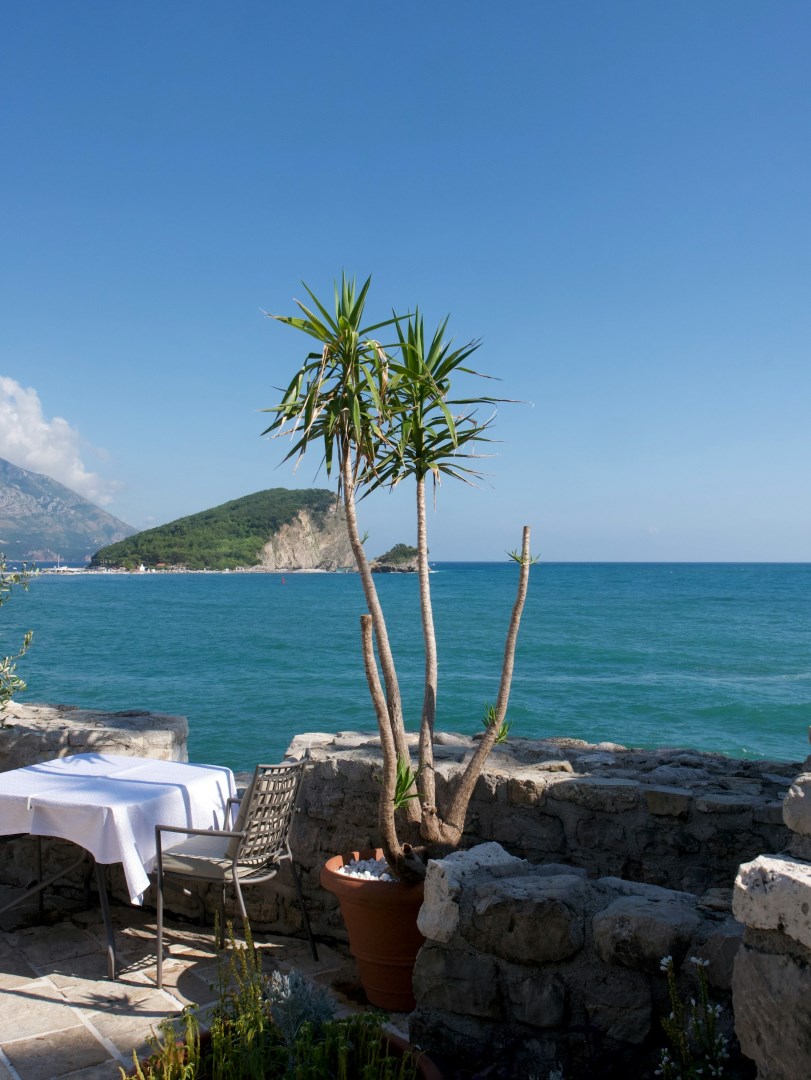
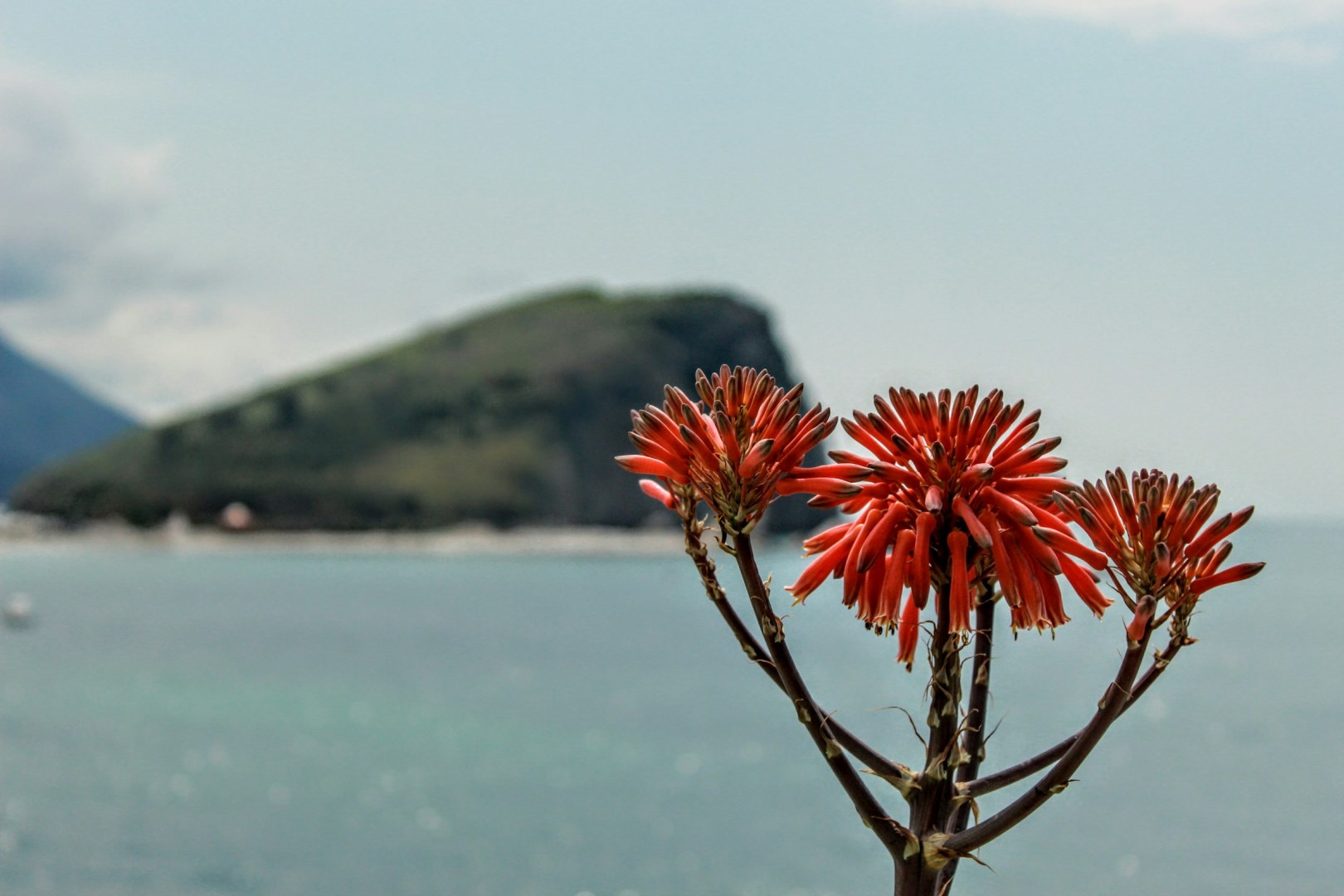

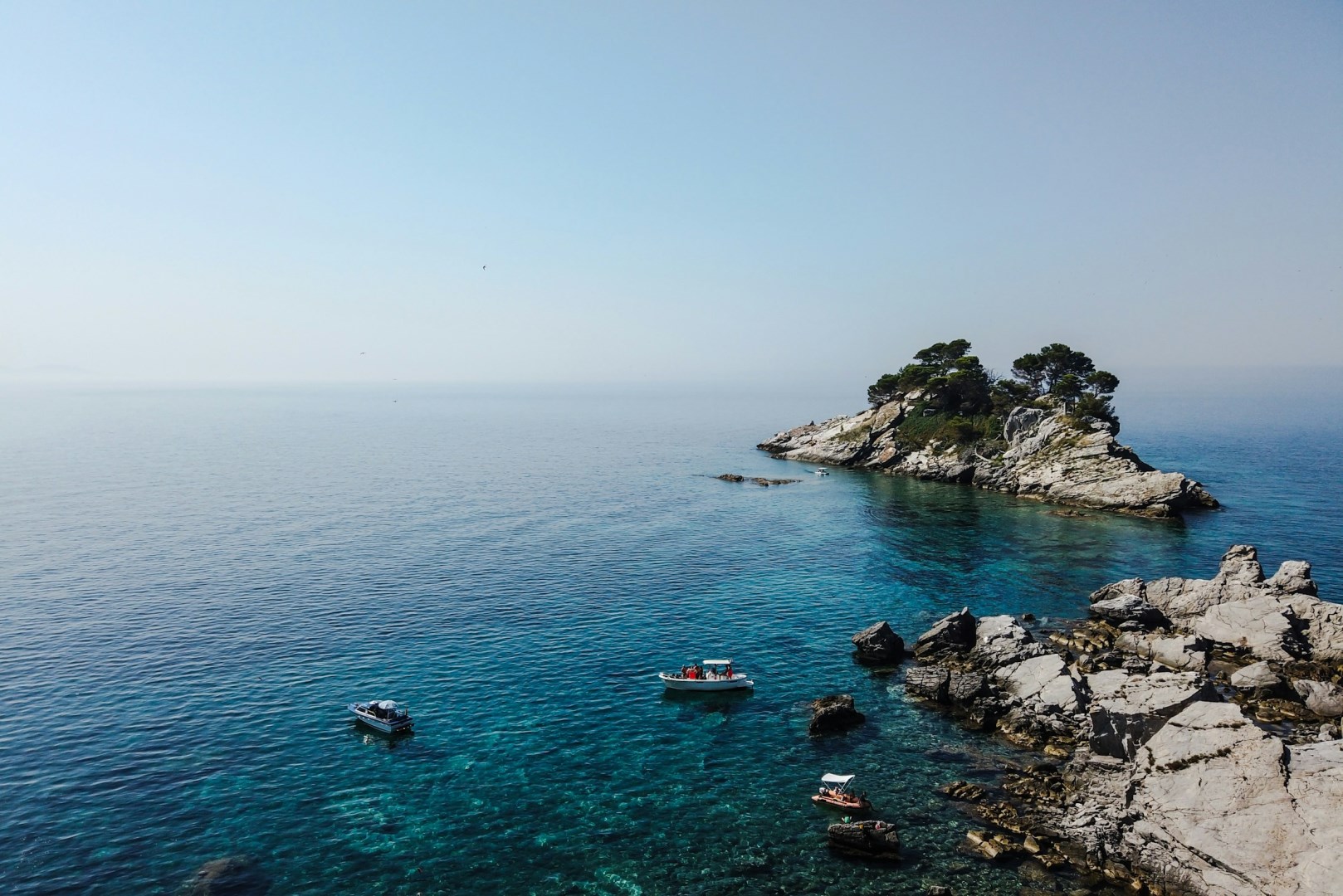
Budva is a coastal town in southwestern Montenegro, set beside the Adriatic Sea and surrounded by limestone hills. Its Old Town occupies a small fortified peninsula, with narrow stone streets, historic buildings, churches, and squares enclosed by defensive walls. Outside the walls, Budva extends along a busy waterfront with beaches, hotels, restaurants, and a marina. The wider municipality includes a varied coastline of rocky headlands, coves, and sandy beaches, as well as the island of Sveti Nikola just offshore. Budva is one of Montenegro's principal seaside destinations and a major center for tourism on the Adriatic coast.
Budva's cultural identity is closely connected with its walled Old Town and long maritime tradition. Inside the fortifications are the Citadel and several historic churches, including the Church of St. John and the Church of the Holy Trinity. The town is also associated with the Budva Theatre City festival, which brings theatrical performances, music, and other cultural events to historic spaces around the Old Town. Traditional stone architecture remains particularly visible within the walls, while nearby settlements such as Sveti Stefan preserve distinctive coastal building styles. Local festivals and religious celebrations continue to form part of community life.
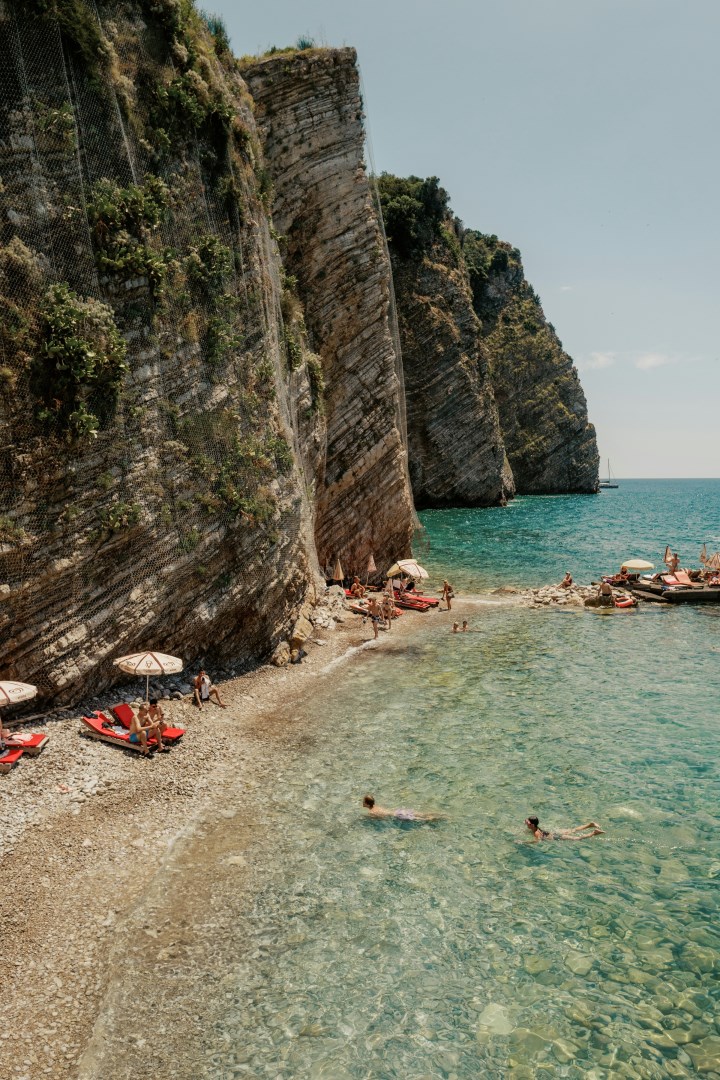
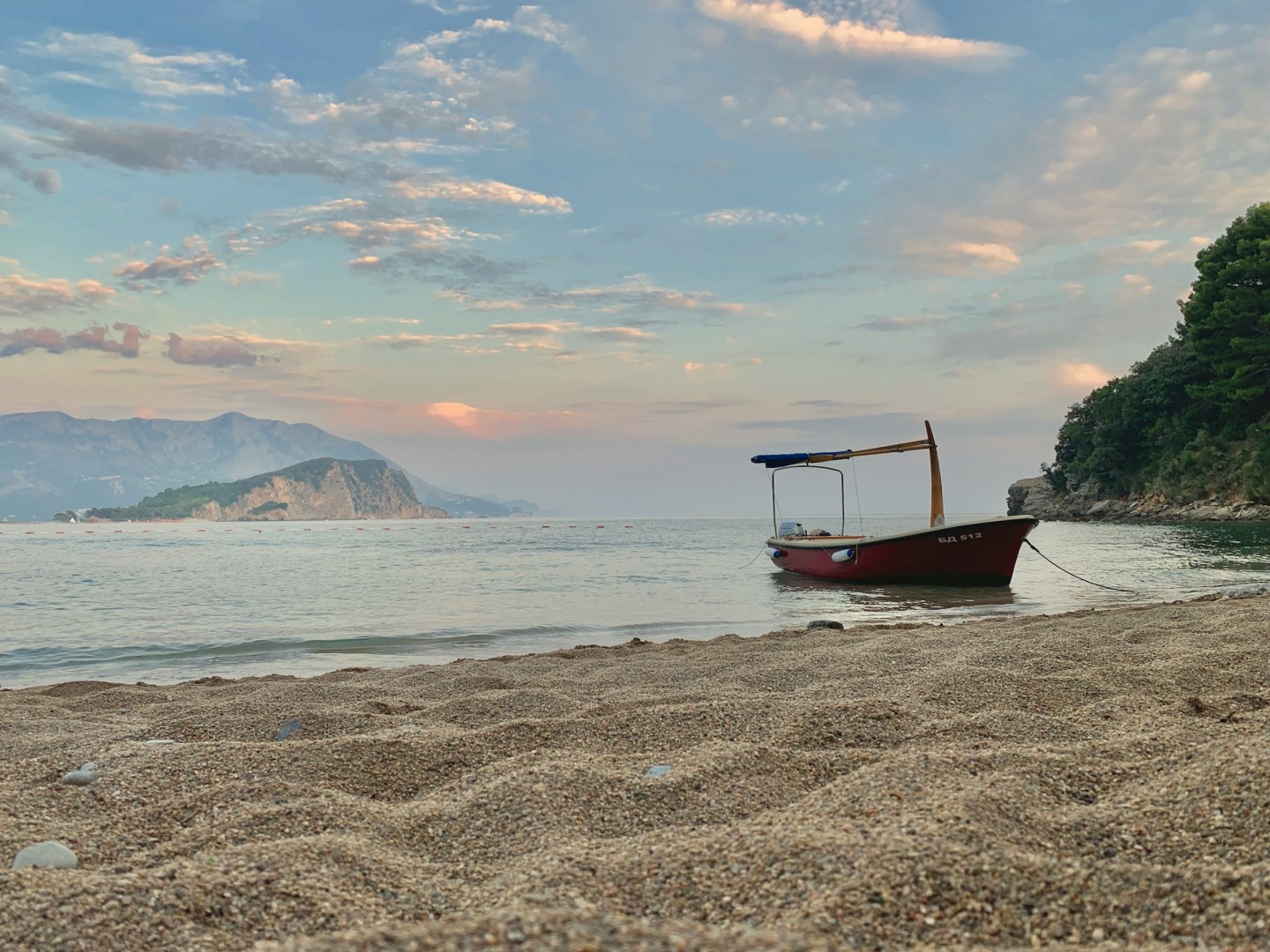
The Old Town is the main architectural attraction, with defensive walls that provide views across the Adriatic and toward the surrounding coastline. Mogren Beach lies beneath cliffs west of the historic center and is reached by a coastal path, while Jaz Beach stretches along a larger bay farther northwest. Sveti Stefan, a former fishing village built on a small fortified island, is one of the best-known landmarks in the Budva area. The surrounding hills provide viewpoints over the coast, and the Budva Riviera contains numerous beaches and coves. The nearby island of Sveti Nikola is also accessible by boat.
Budva's coastal location strongly influences its food, with Adriatic seafood appearing alongside Montenegrin specialties such as grilled meats, smoked ham, cheese, and dishes prepared with locally grown vegetables. Restaurants in and around the Old Town serve fish, squid, octopus, mussels, and other seafood, while traditional Montenegrin cuisine is also widely represented. The wider Budva area contains olive groves and vineyards, connecting coastal agriculture with the region's food traditions. A distinctive feature of the town is the way its medieval fortifications remain integrated into a modern seaside center, with homes, shops, cafés, and cultural venues operating within the historic walls.
Other Popular Destinations in Montenegro