

Africa | South Africa | Madikwe Game Reserve
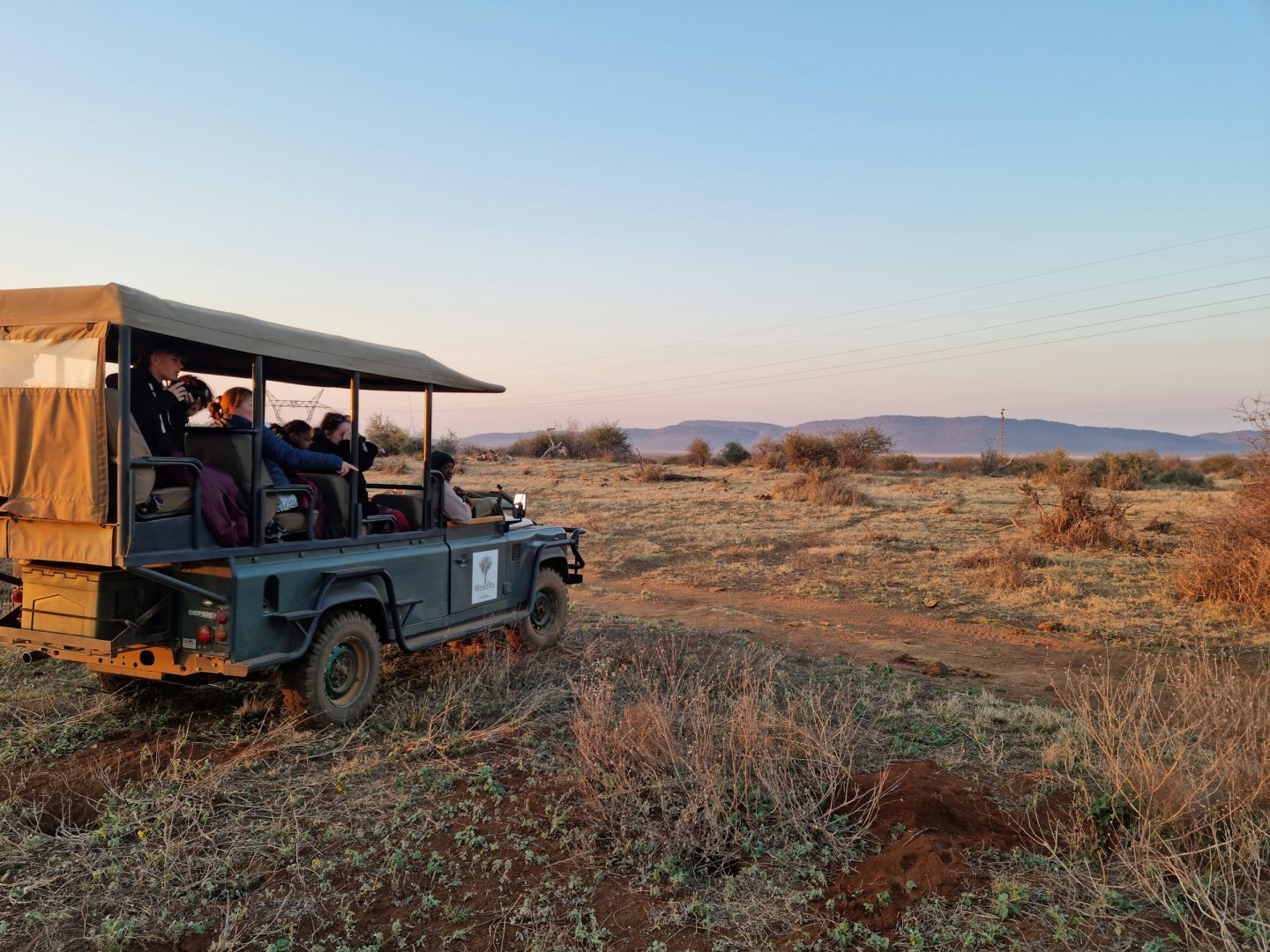
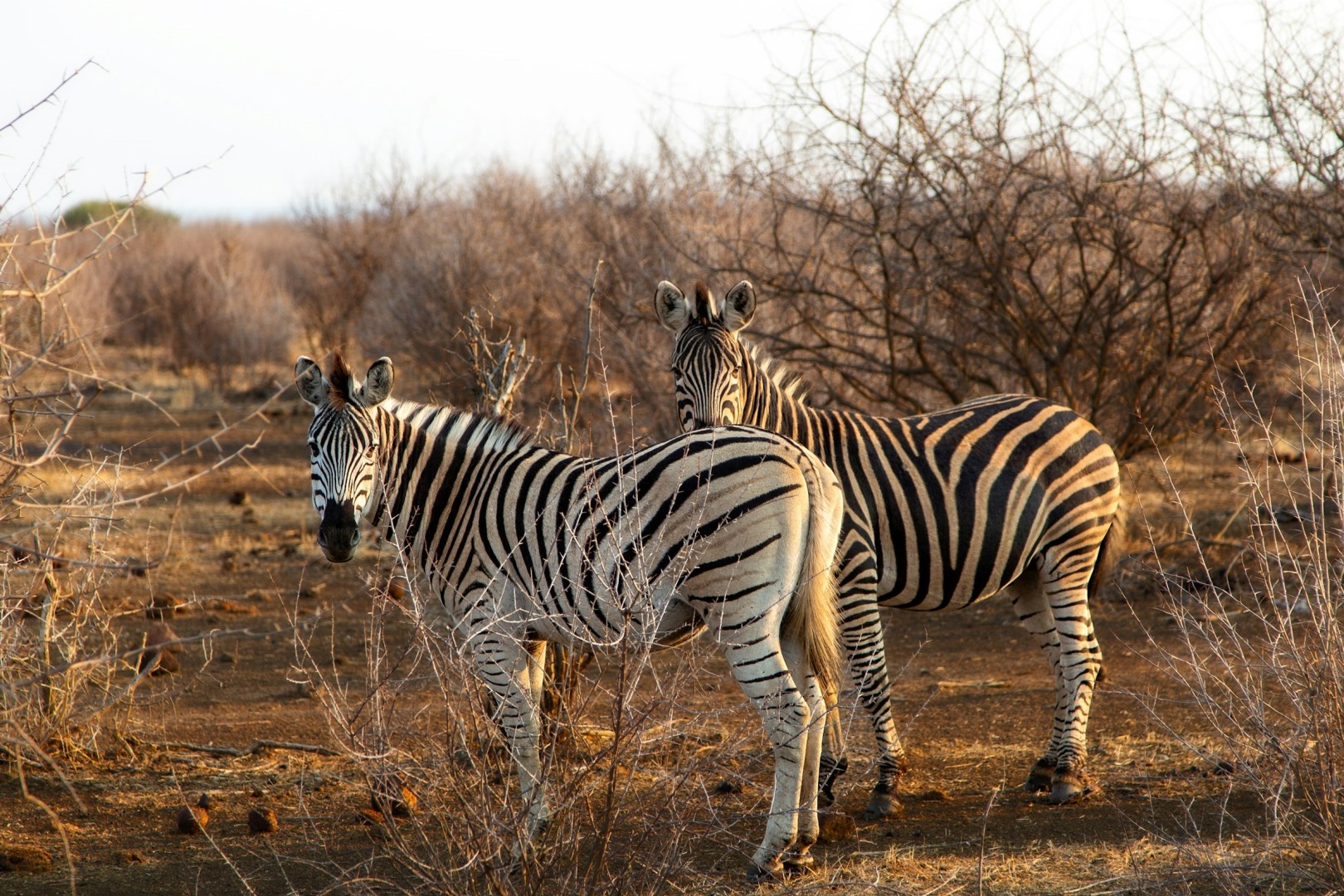
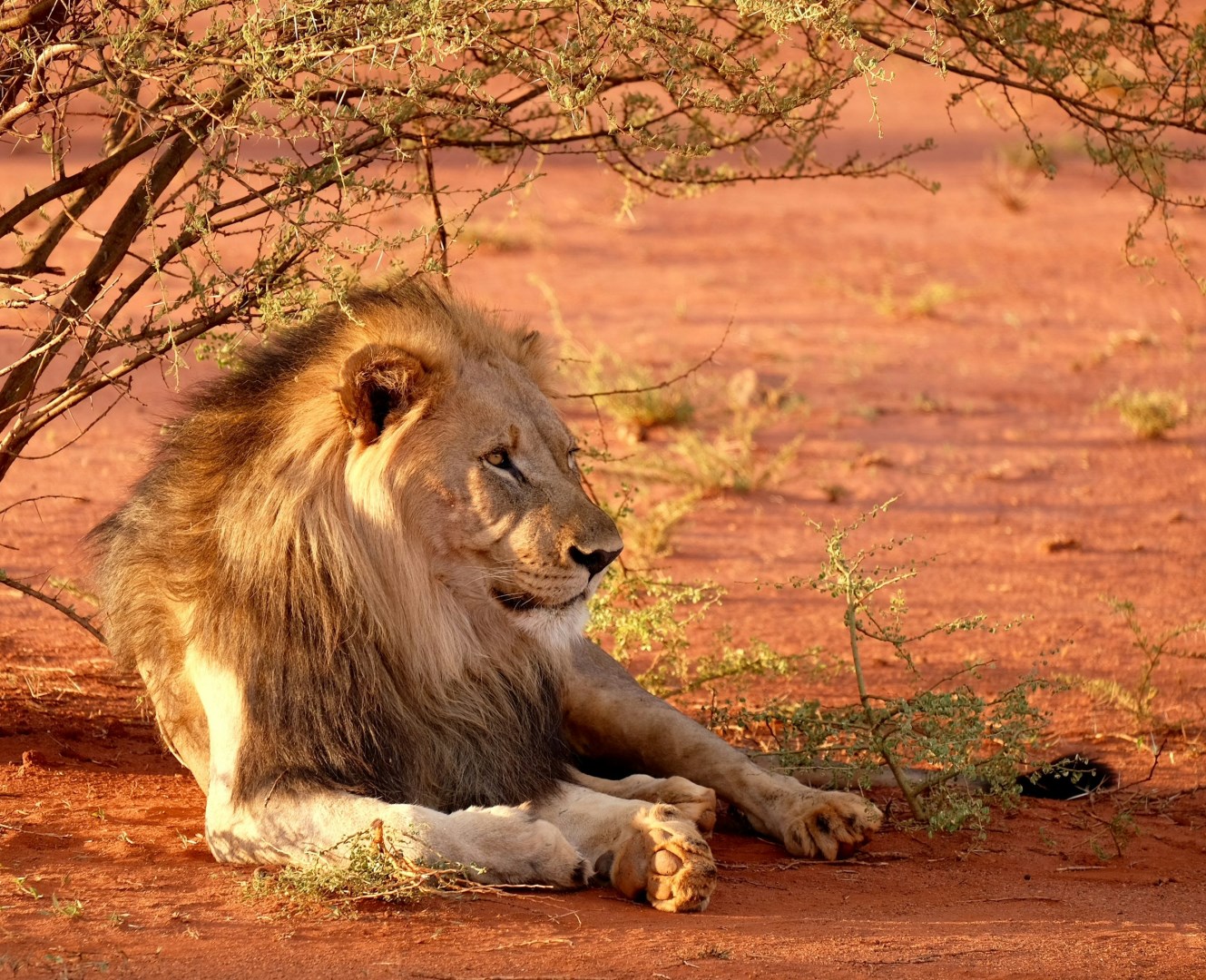
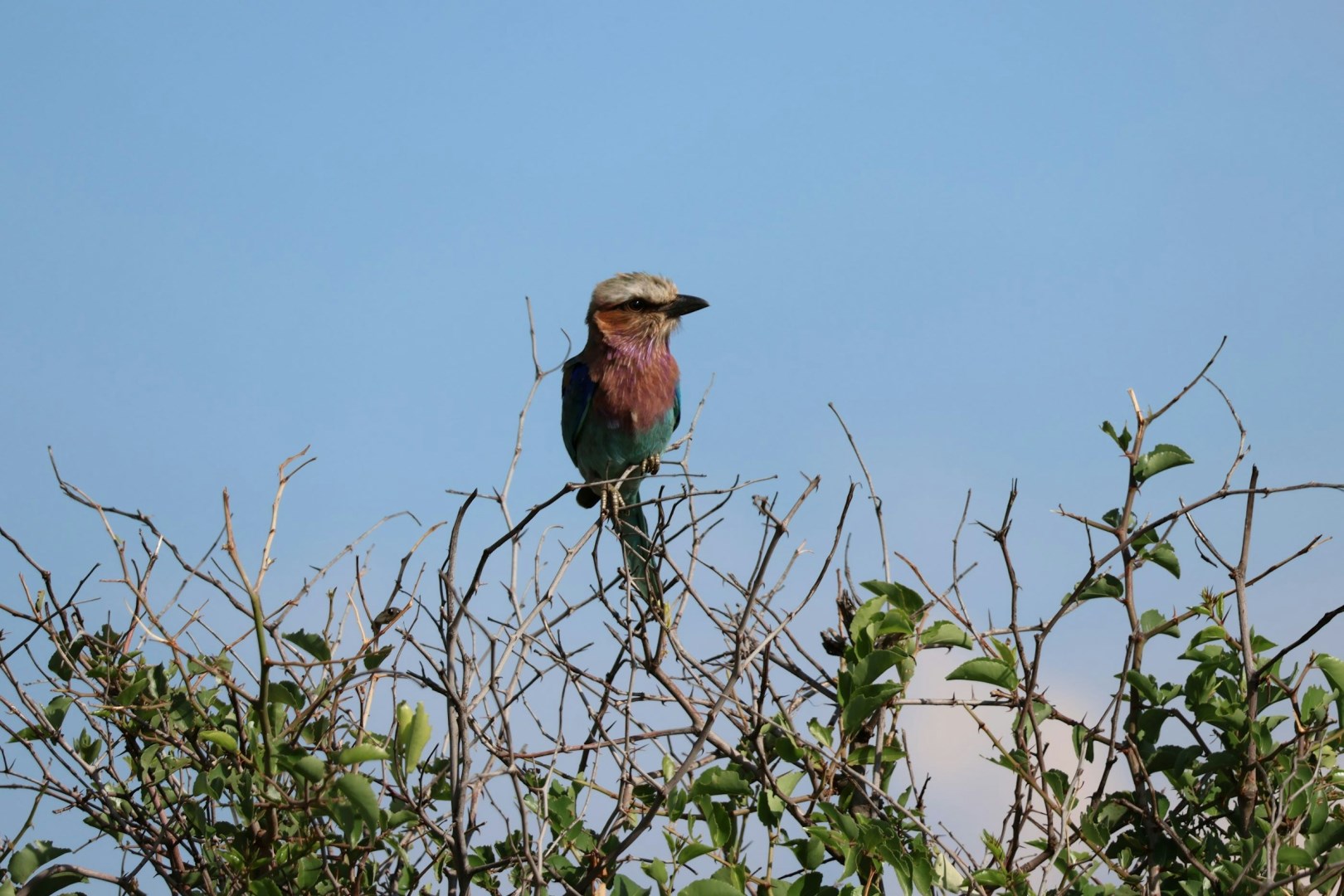
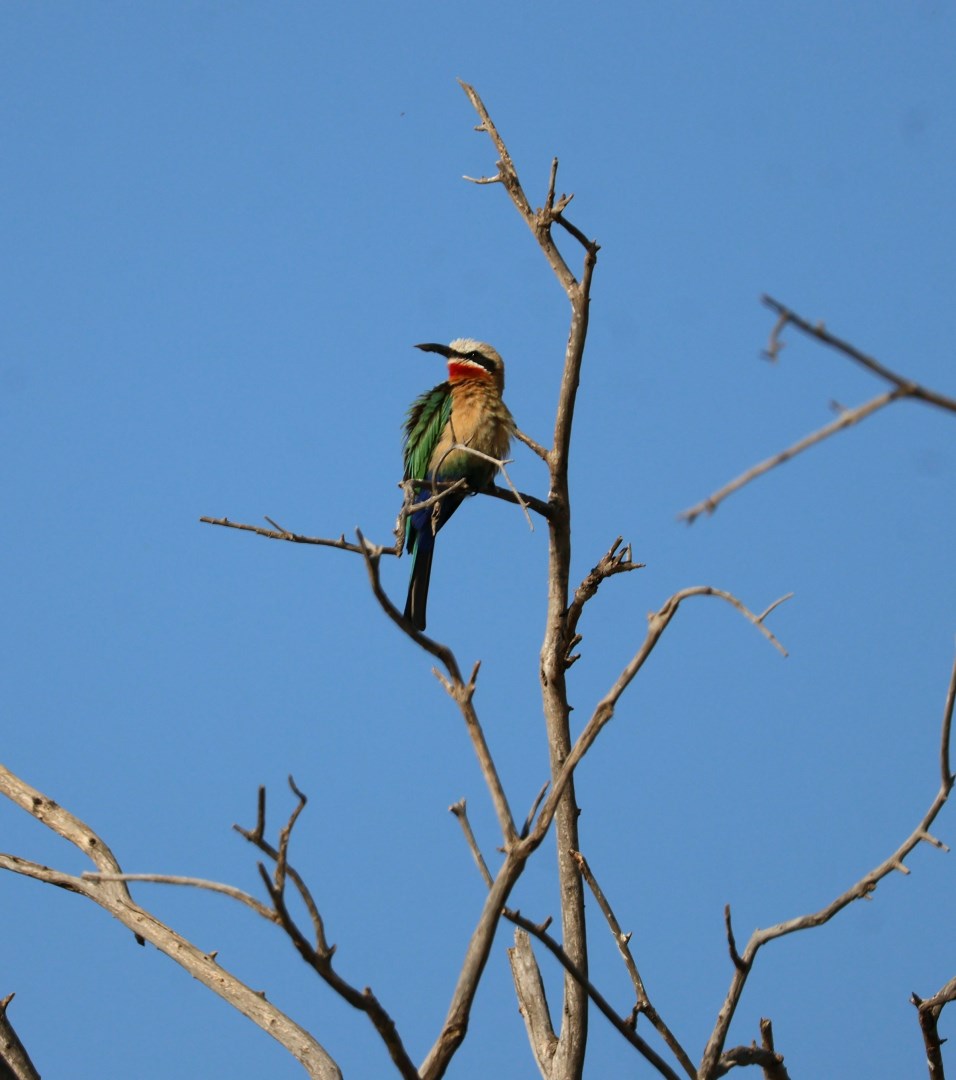
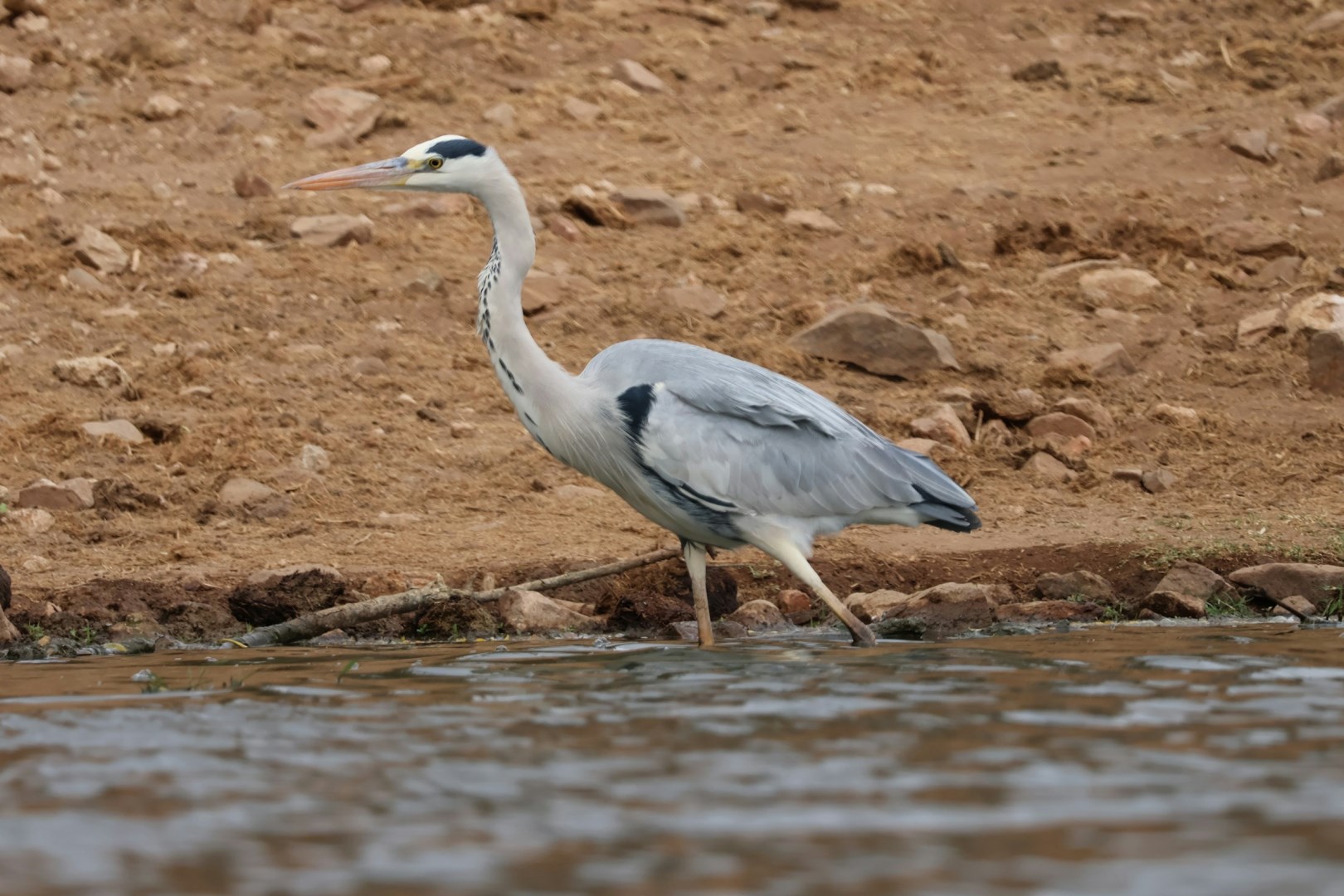
Madikwe Game Reserve is a large protected wildlife area in South Africa’s North West province, close to the Botswana border. Its landscape consists mainly of open grassland, bushveld, rocky hills, and seasonal watercourses, with habitats supporting a wide range of wildlife. The reserve is notable for being one of South Africa’s major conservation areas established on former farmland, with wildlife populations restored through a large-scale relocation programme. Today, Madikwe forms part of an important conservation landscape in the country’s northwest and is surrounded by several private and community-owned areas.
The reserve lies within a region with long connections to Tswana communities, whose languages, traditions, and agricultural practices remain important in the surrounding area. Madikwe’s modern conservation story is closely connected to cooperation between government, private landowners, conservation organizations, and local communities. The reserve was created through the conversion of former livestock and agricultural land into protected habitat, followed by the introduction of numerous indigenous species. Community participation has remained an important part of the reserve’s approach, with tourism providing employment and supporting local economic development around the protected area.
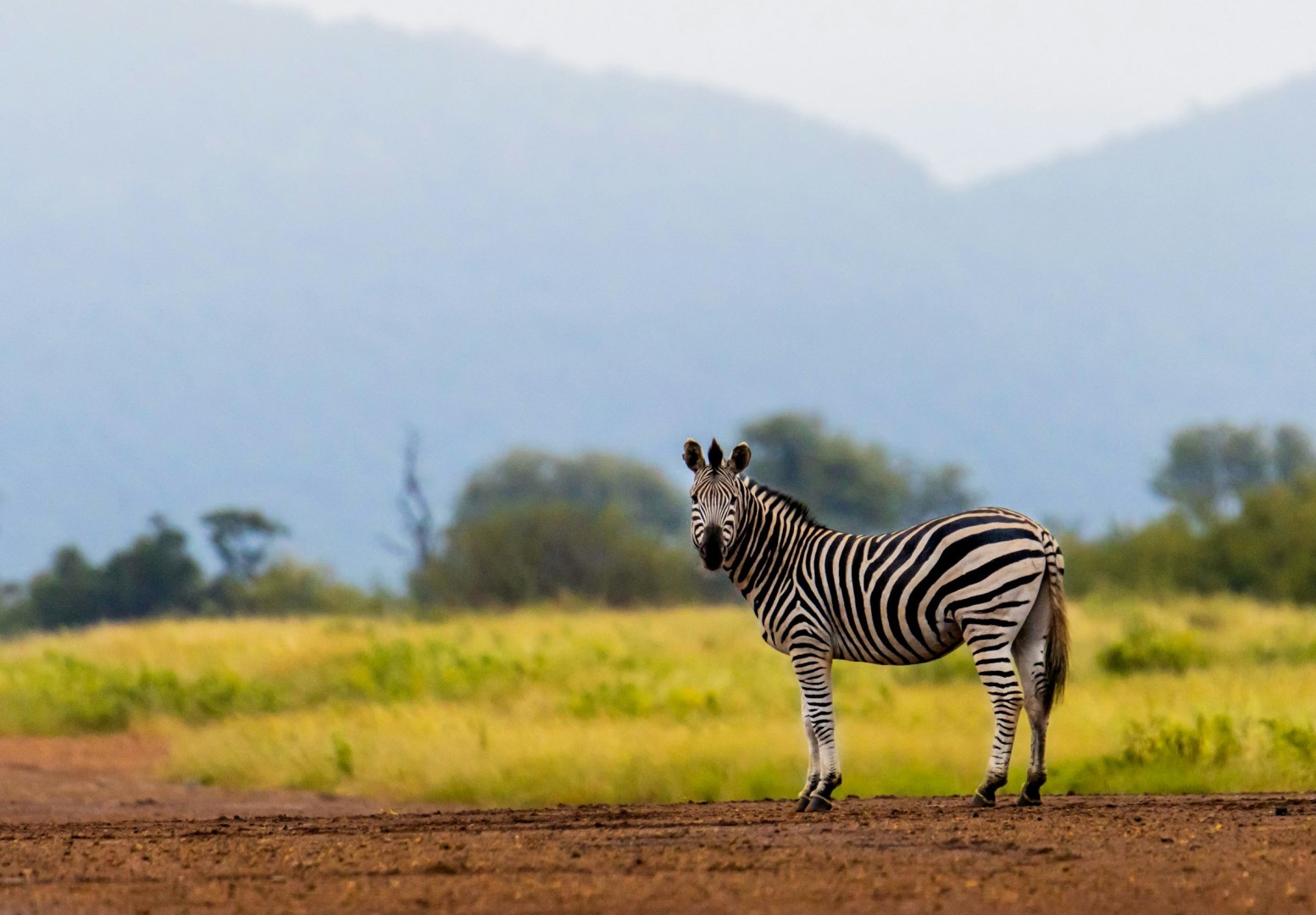
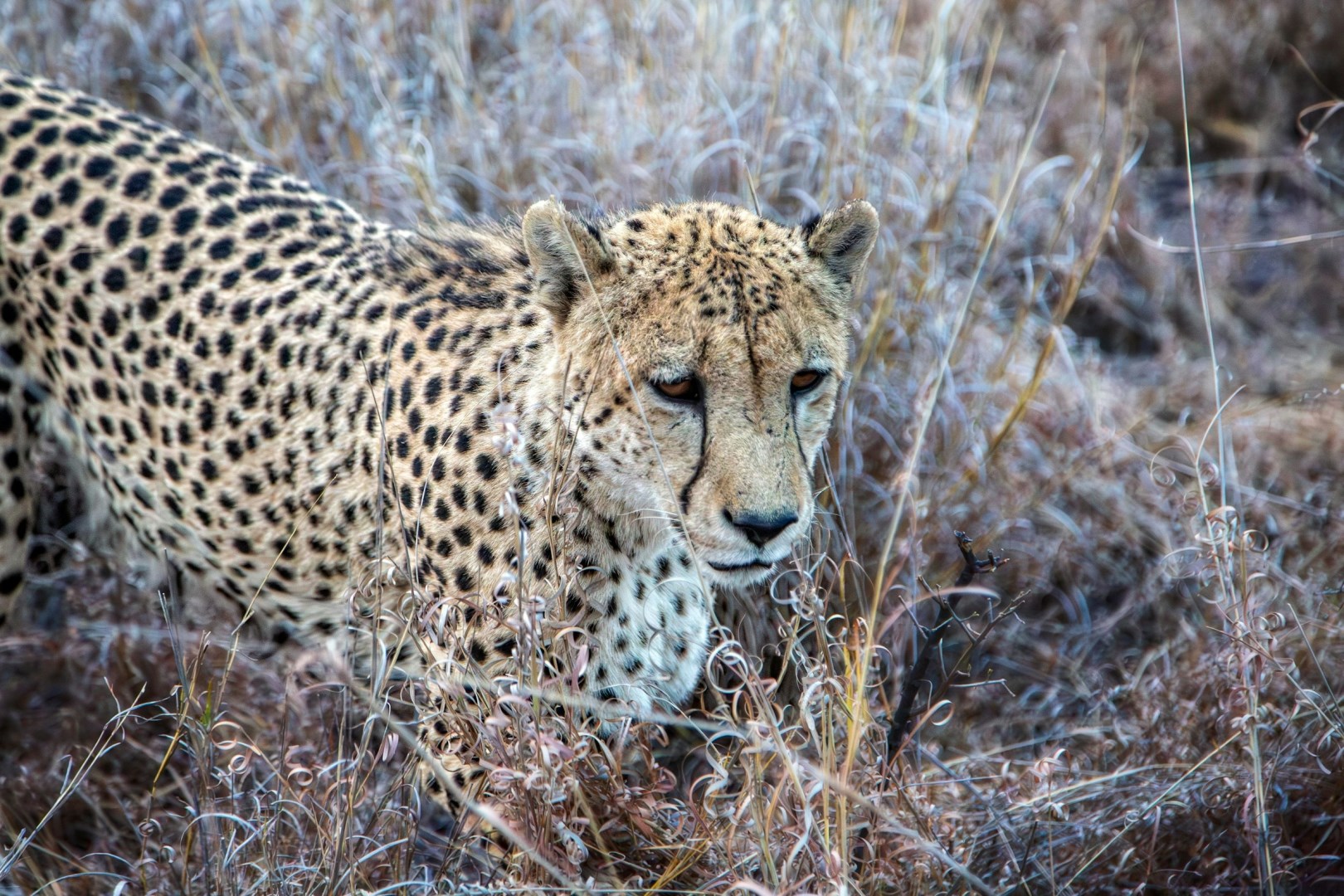
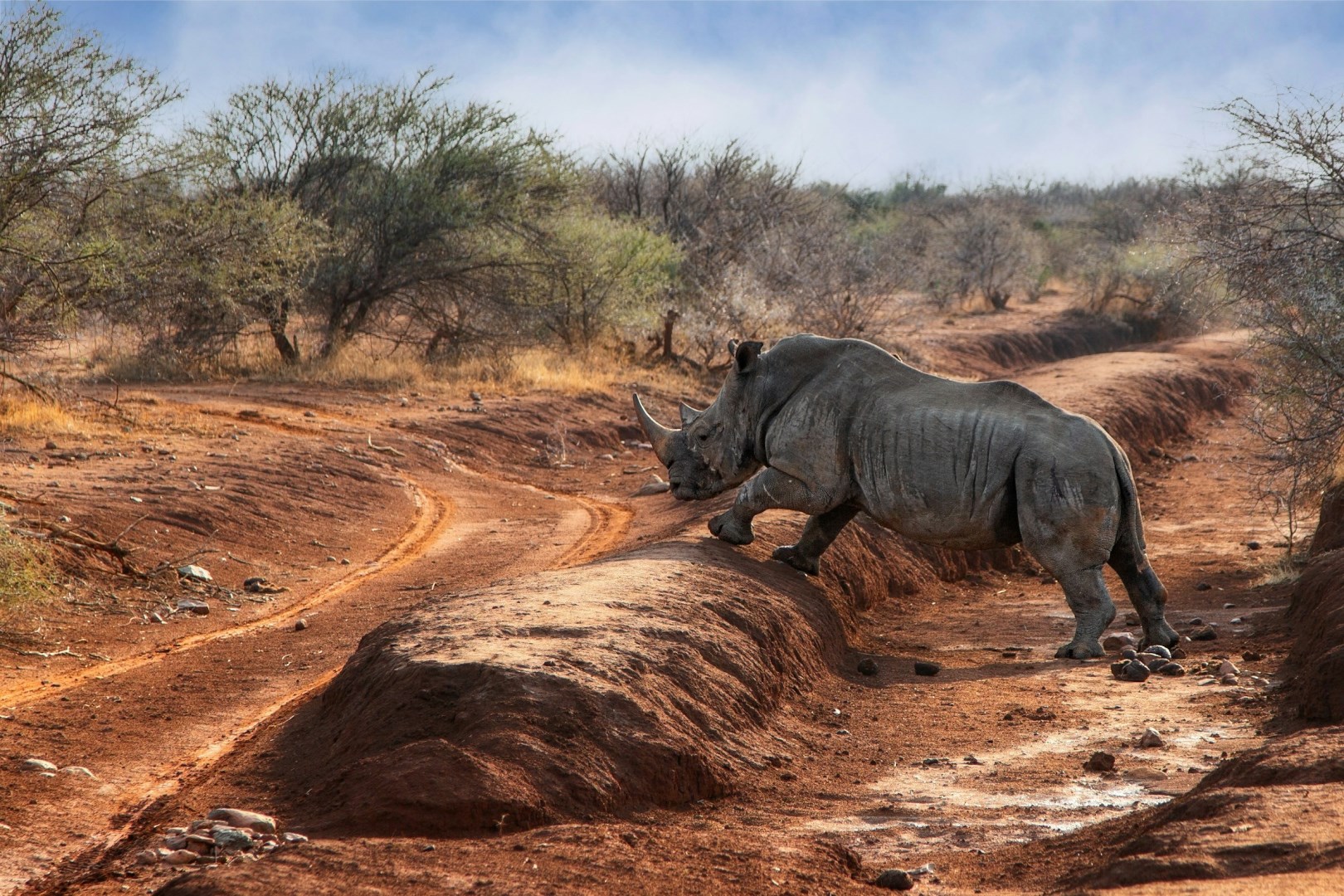
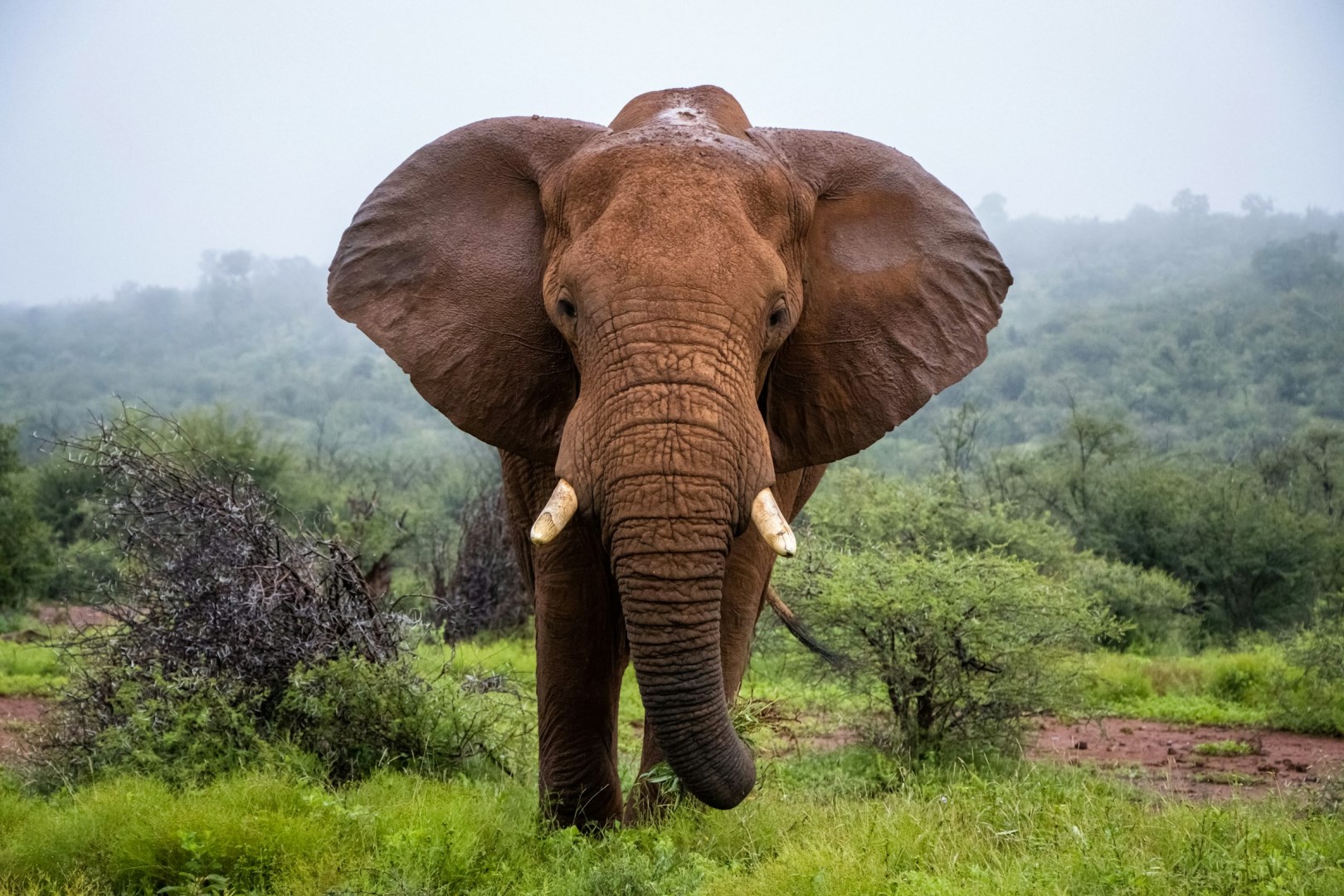
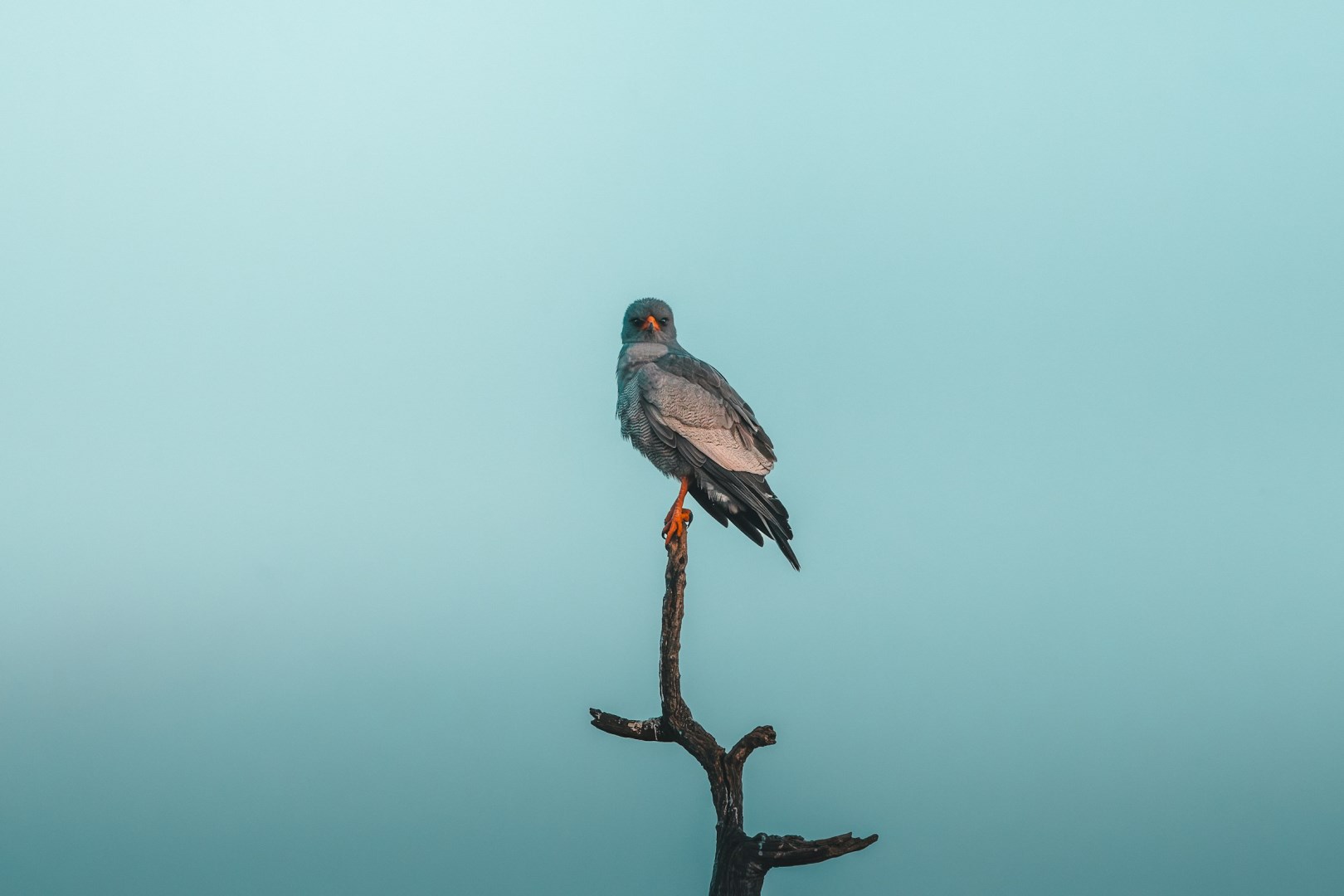
Madikwe is home to the African Big Five: elephant, lion, leopard, black and white rhinoceros, and buffalo. Other species include cheetah, African wild dog, giraffe, zebra, wildebeest, kudu, impala, and several smaller antelope. The reserve contains more than 300 bird species, with habitats ranging from open grassland to wooded areas and rocky terrain. Game drives are the main way to explore the reserve, while selected lodges offer guided bush walks and opportunities for close observation of smaller wildlife, plants, and tracks. The reserve’s position near Botswana also creates a broader transboundary conservation context.
Madikwe’s dry bushveld environment influences the food served at its lodges, where South African dishes are commonly combined with locally sourced meat, vegetables, and seasonal produce. Traditional braai-style cooking and game meat may feature on menus, while breakfast and dinner are often served in outdoor settings when conditions permit. The reserve is also recognized for its conservation work with African wild dogs, an endangered species that requires large connected territories and careful monitoring. Another distinctive feature is the absence of malaria in the Madikwe region, which has contributed to its popularity among families and visitors seeking a safari destination in South Africa’s northwest.
Other Popular Destinations in South Africa