


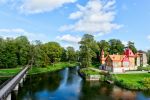
Kuressaare is the main town of Saaremaa, Estonia’s largest island, set beside a sheltered bay on the island’s southern coast. The town is known for its compact historic center, seaside setting, and strong links with Saaremaa’s island culture. Kuressaare Castle dominates the waterfront, while streets lined with wooden houses, small parks, and 19th-century villas extend inland. The town is also associated with spa traditions that make use of Saaremaa’s mineral-rich mud. Its location provides easy access to the island’s forests, limestone landscapes, coastal villages, and other cultural sites.
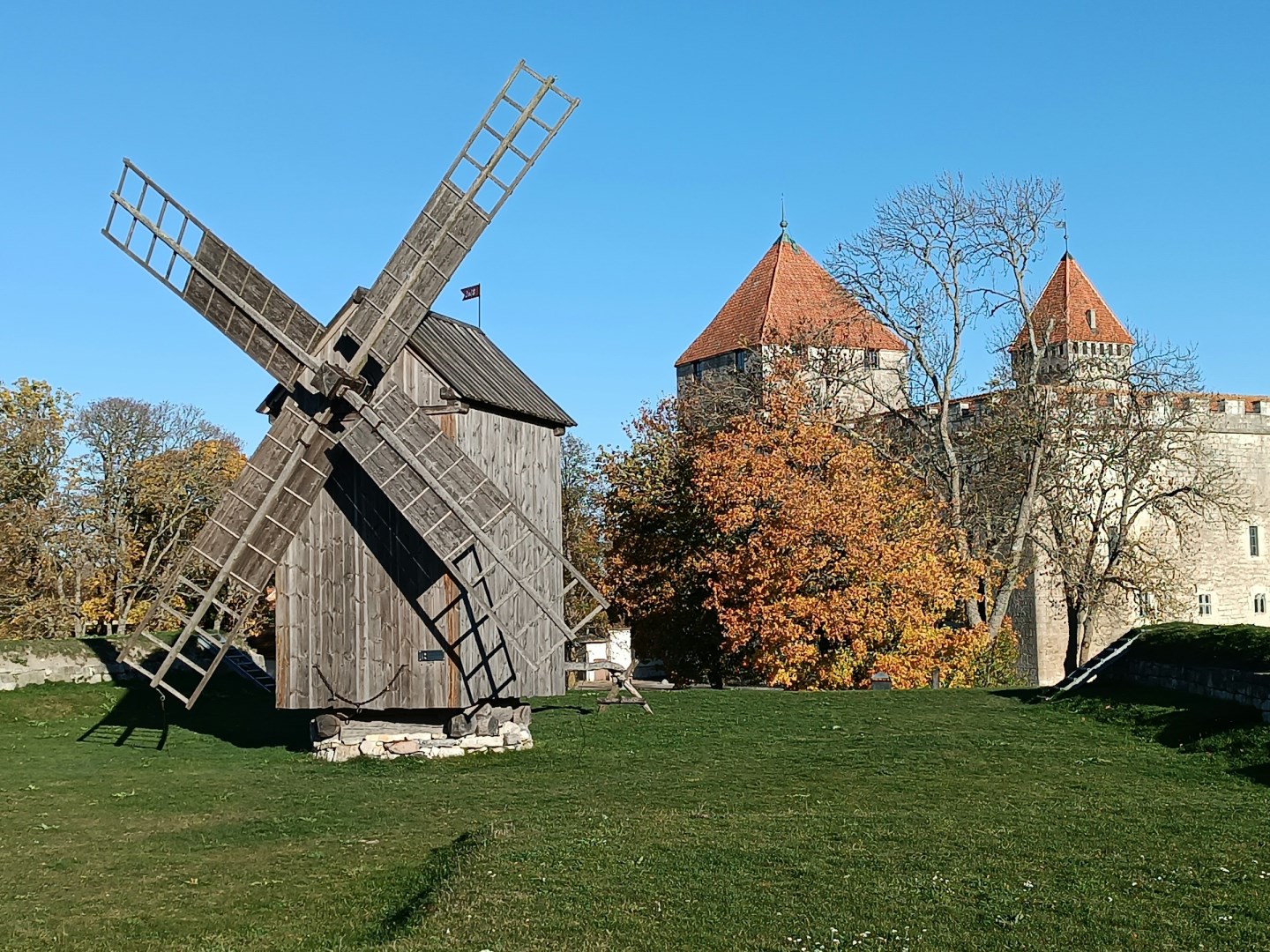
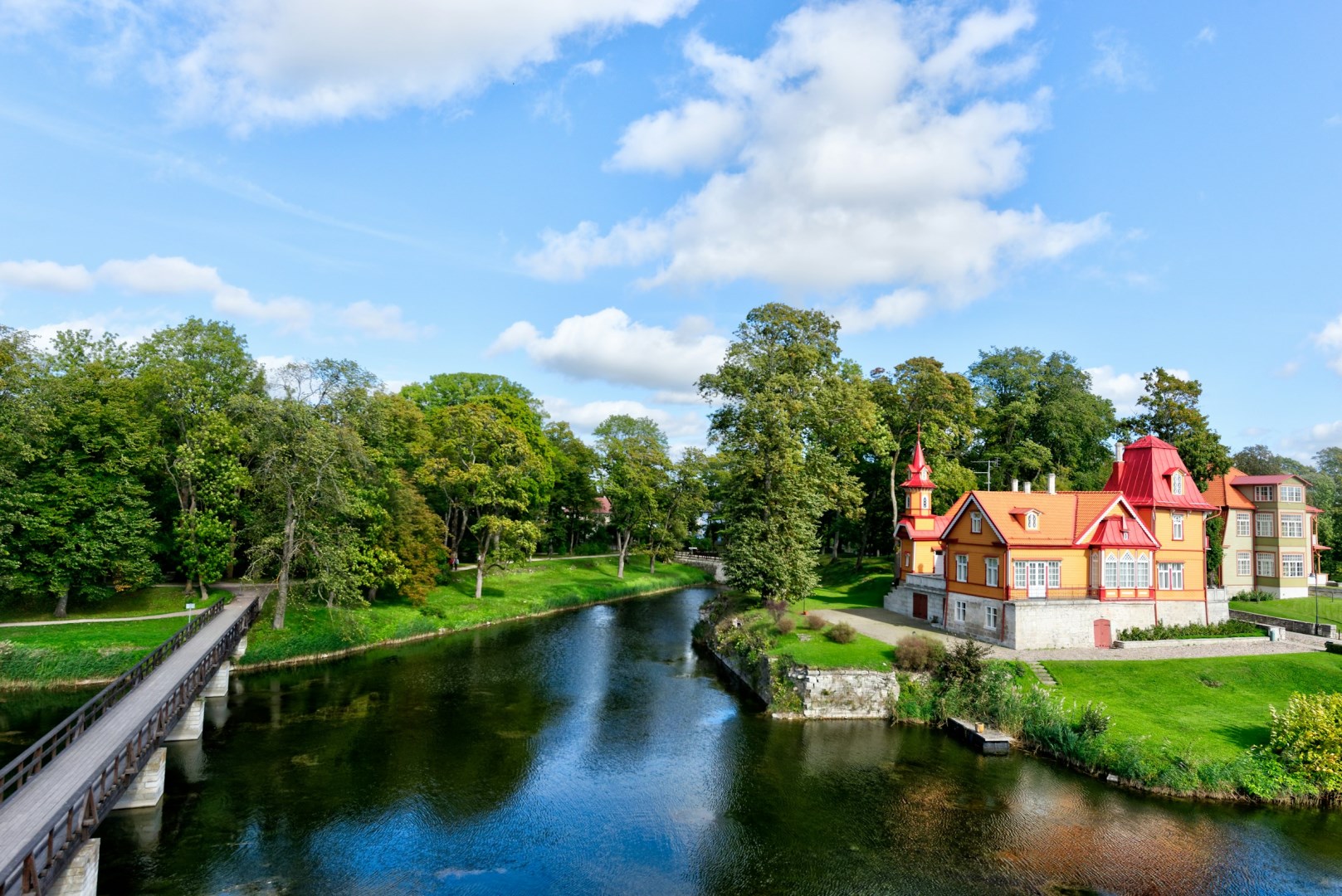
Kuressaare’s history is closely connected with the castle, which developed into a fortified episcopal residence and remains one of the best-preserved medieval fortresses in the Baltic region. The castle now houses the Saaremaa Museum, whose collections explore the island’s archaeology, history, and local culture. The town also has several historic churches, including St. Nicholas Church and St. Lawrence Church, while the central streets contain wooden villas and stone buildings reflecting the town’s later growth as a resort. Saaremaa’s traditional island identity is also represented through local crafts, folk music, and rural customs.
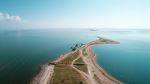
Kuressaare Castle is the town’s principal landmark, with a large courtyard, defensive walls, and a distinctive square tower rising above the surrounding park. The castle grounds extend to the edge of the bay, where the promenade provides views across the water. Kuressaare Beach and the surrounding park offer walking routes close to the shoreline, while the nearby Loode Oak Forest preserves an area of old-growth oak woodland. Beyond the town, Saaremaa is known for distinctive limestone formations, juniper-covered coastal landscapes, and sites such as the Kaali meteorite crater, making Kuressaare a useful base for exploring the island.
Saaremaa’s cuisine reflects its island setting and rural traditions, with fish, rye bread, potatoes, dairy products, and locally gathered herbs appearing in traditional dishes. Local specialties include Saaremaa bread and home-style preparations of smoked or salted fish, while juniper is used in some regional foods and drinks. Kuressaare’s spa culture is another distinctive feature, rooted in the use of local therapeutic mud and seawater treatments. A lesser-known detail is that the town’s street plan and architecture preserve traces of its development from a medieval religious center into a seaside resort, creating a compact landscape where several layers of Saaremaa’s history remain visible.
Other Popular Destinations in Estonia


