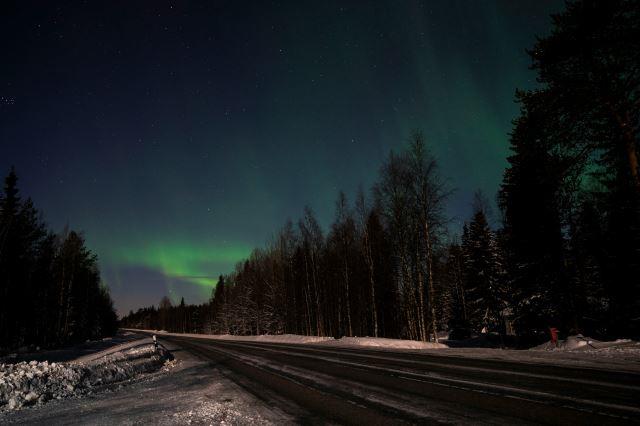

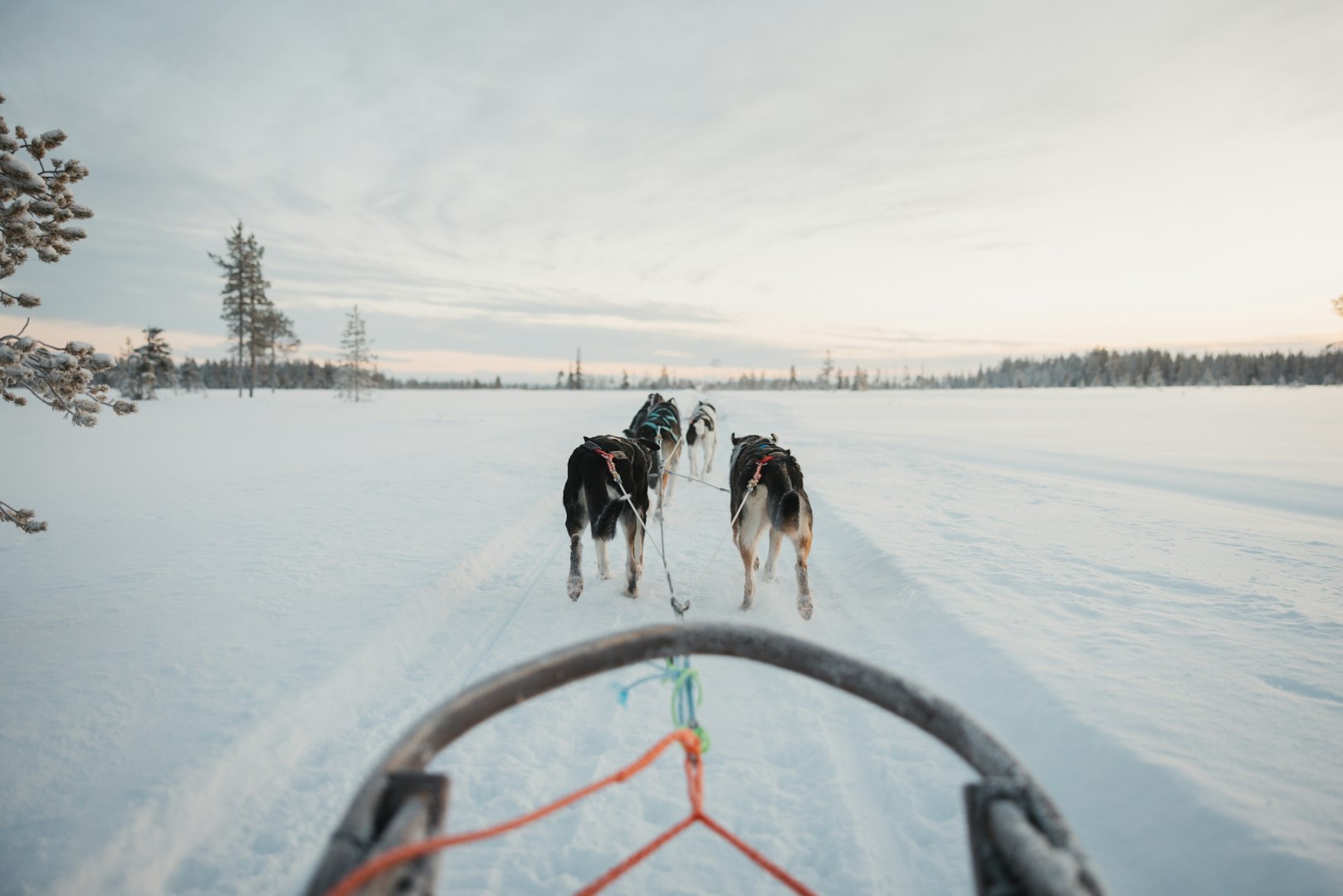
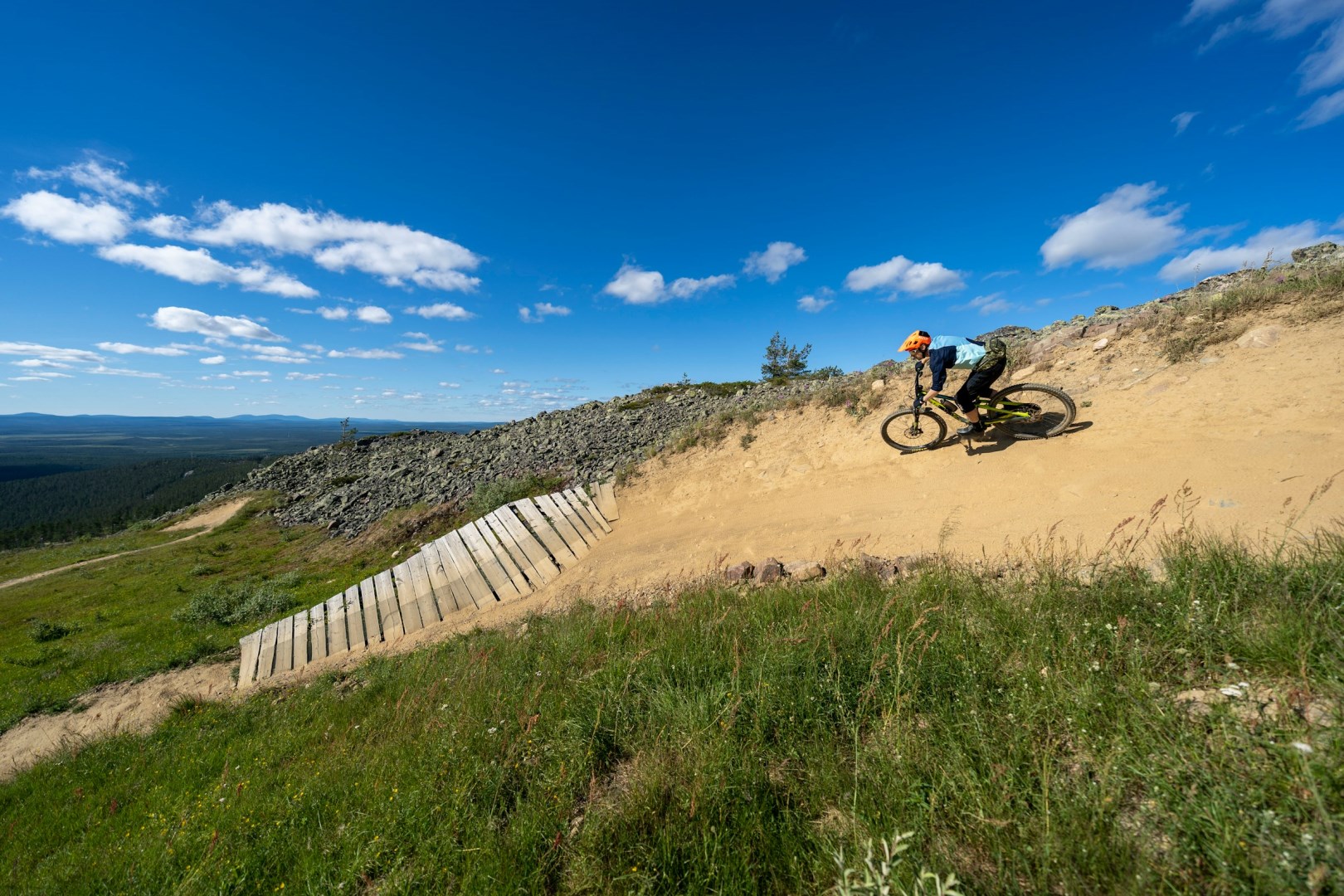
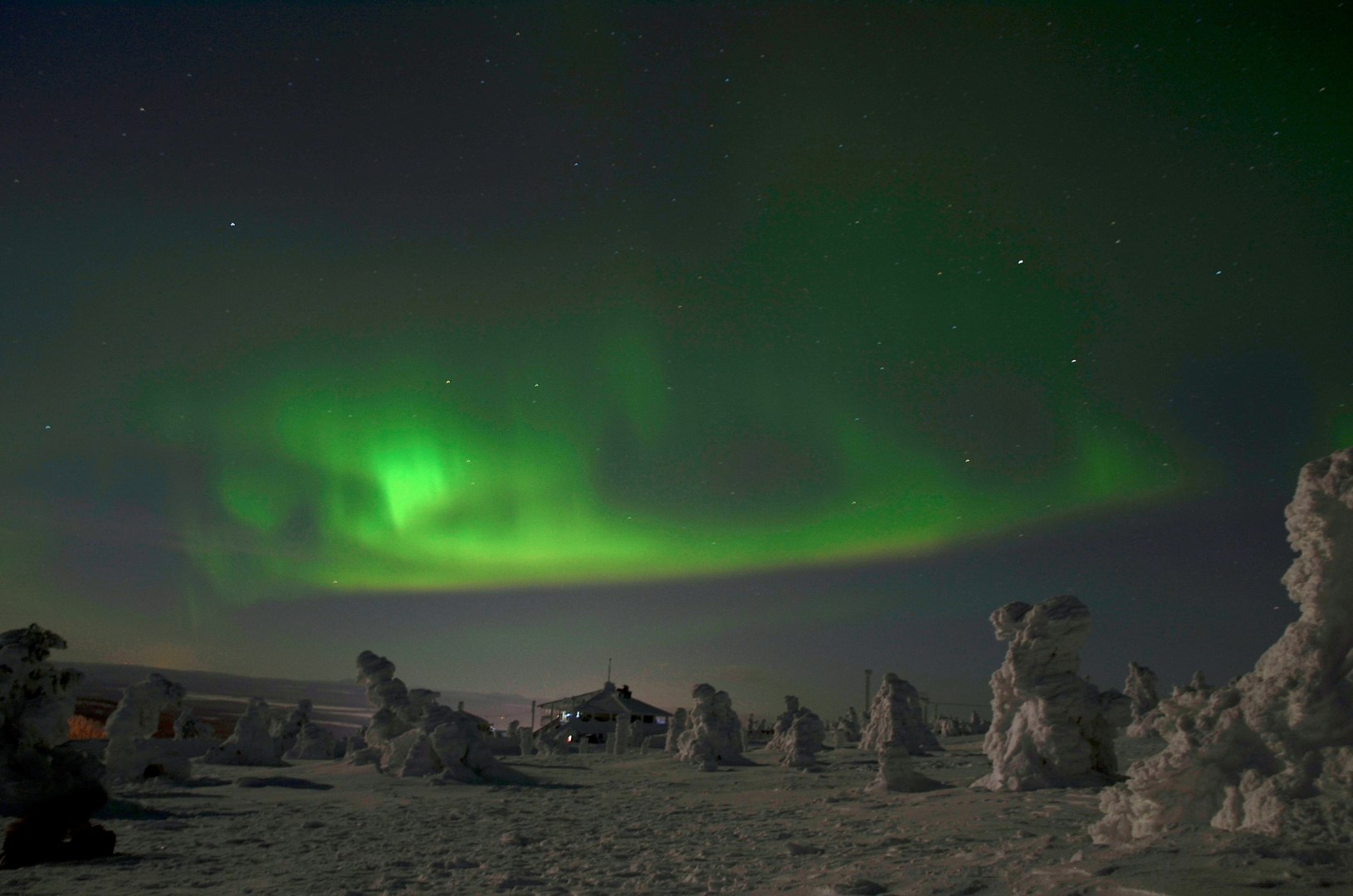
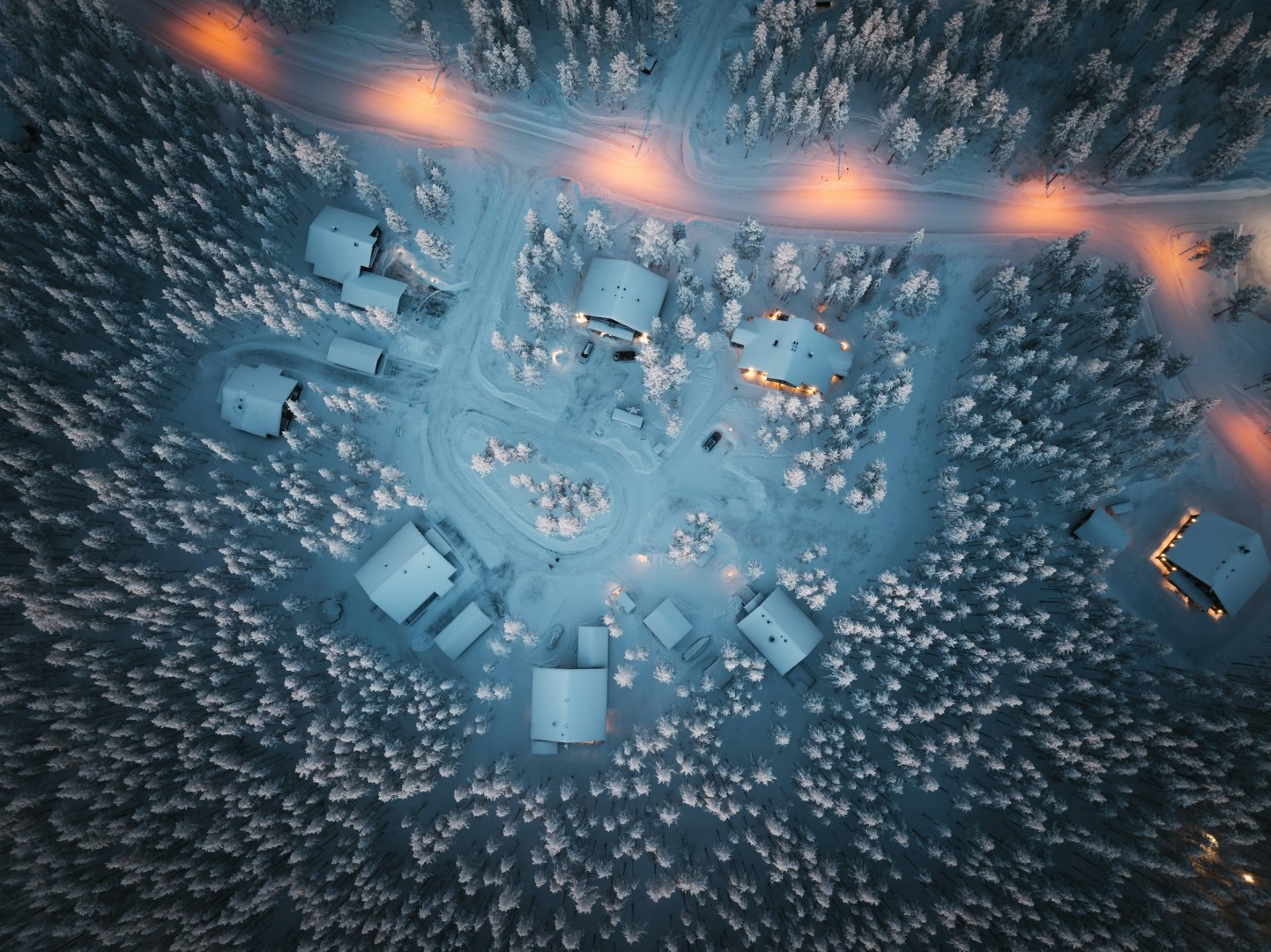

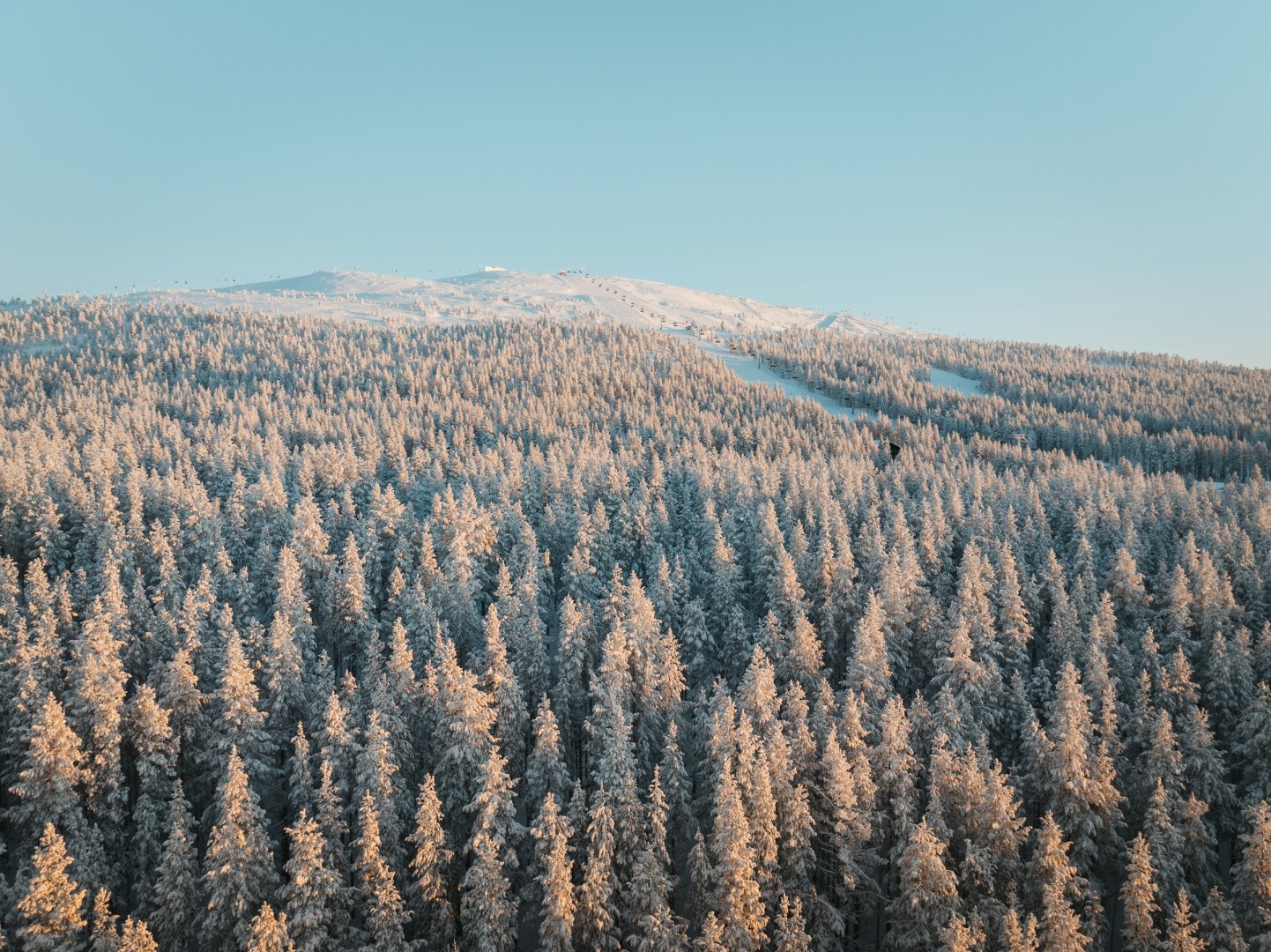
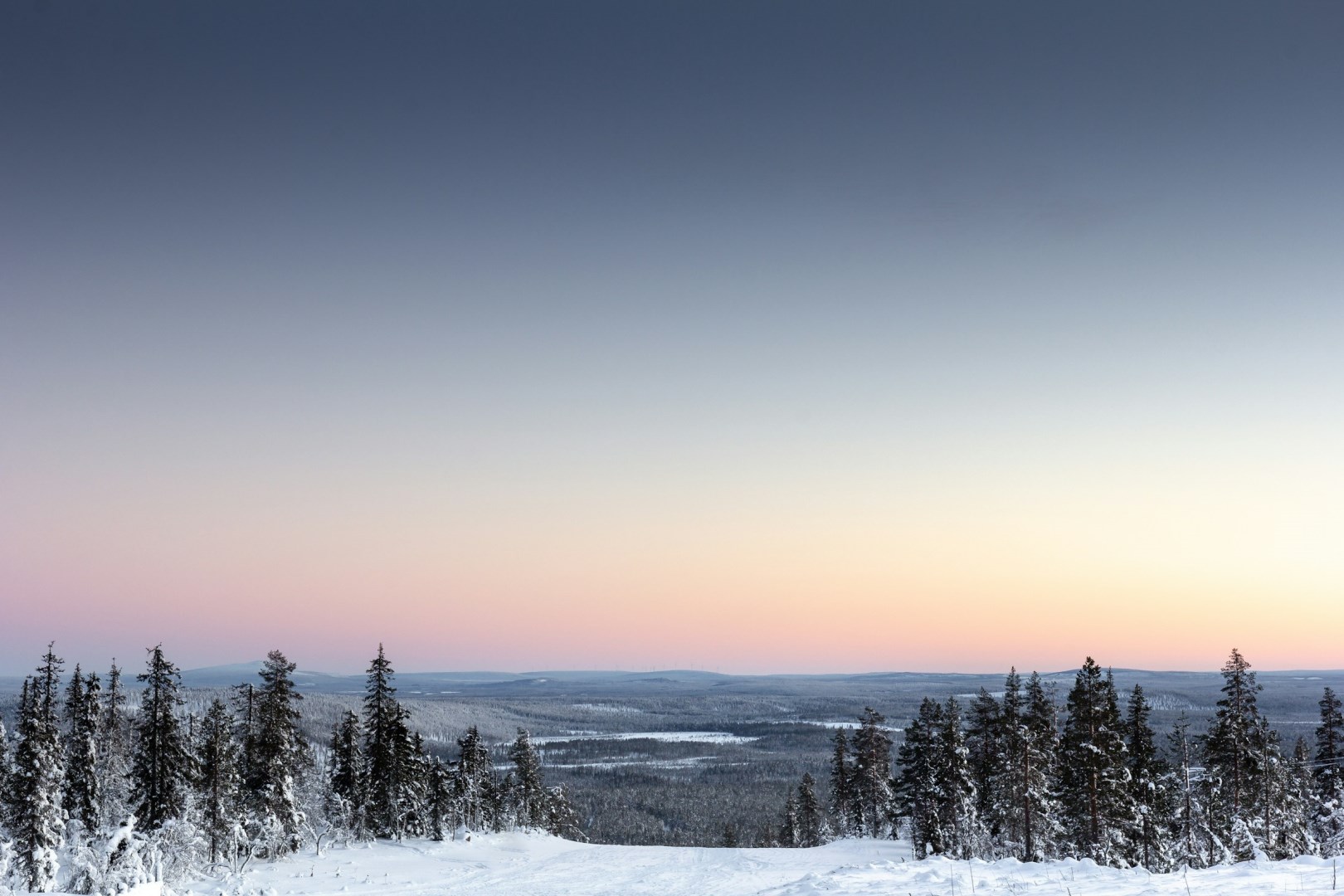
Levi is a fell resort in Finnish Lapland, located near the village of Sirkka in the municipality of Kittilä. The settlement sits beside Levi Fell, which rises above the surrounding forests and provides the setting for a large network of outdoor routes and ski slopes. Levi has developed into one of Finland’s best-known year-round resort areas, with accommodation, restaurants, shops, and activity providers concentrated around the fell. Its northern location brings pronounced seasonal changes, from long summer daylight and autumn colors to snowy winters and the possibility of northern lights.
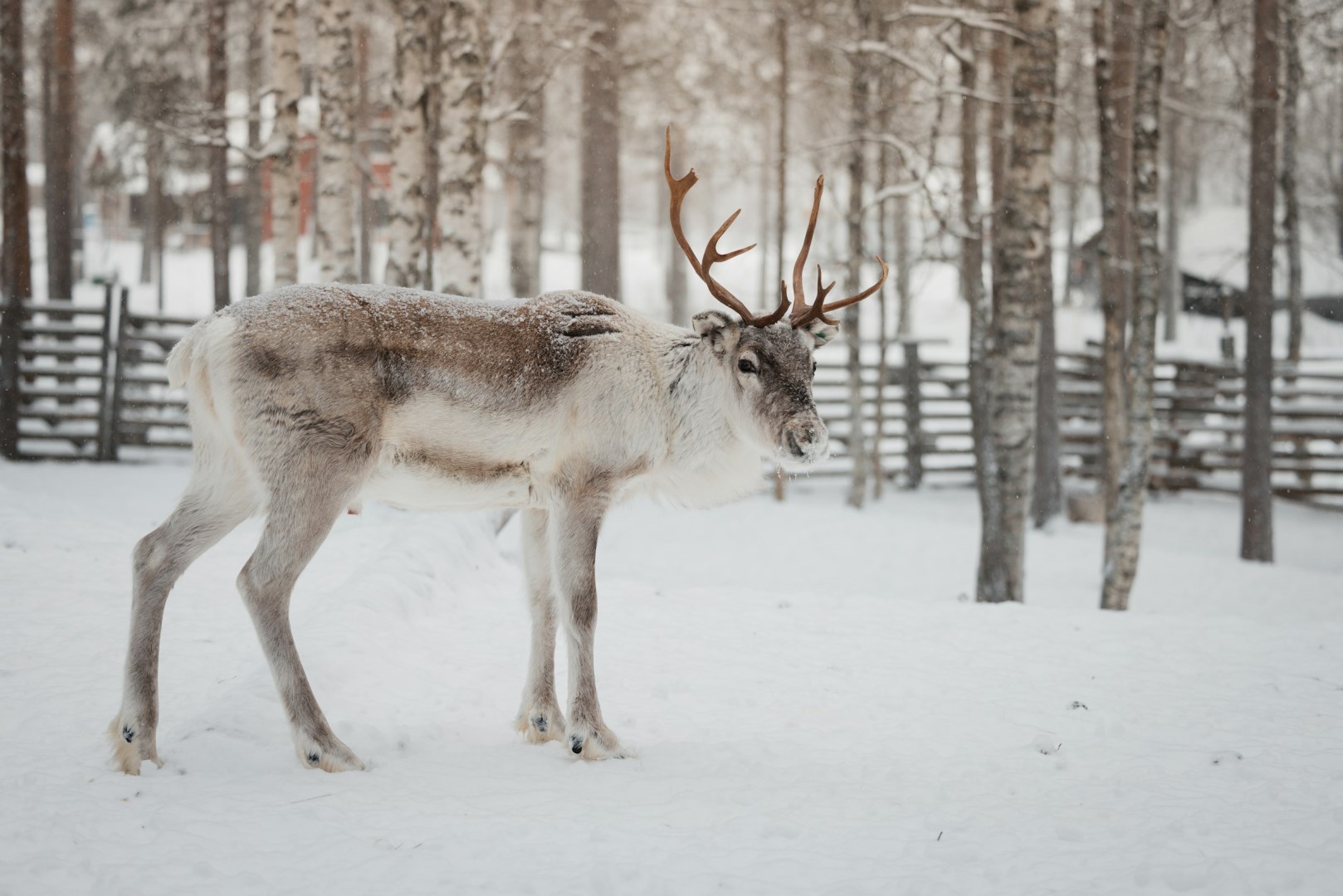
Levi’s identity is closely connected with the outdoor culture of Lapland and the traditional livelihoods of the surrounding region. Reindeer herding remains an important part of local life, while Sámi cultural traditions form part of the wider heritage of northern Finland. The nearby Kittilä area also has strong connections with artists and craftspeople, including the painter Reidar Särestöniemi, whose former home and studio can be visited at Särestöniemi Museum. Levi itself hosts sporting and cultural events throughout the year, with skiing, cycling, hiking, and other activities shaping the resort’s modern identity.
Levi Fell is the main natural feature, with ski runs and lifts on its slopes during winter and extensive hiking and mountain-biking routes available in the warmer months. The surrounding landscape consists largely of boreal forest, wetlands, rivers, and open fell terrain. The Ounasjoki River flows through the wider region, while Pallas-Yllästunturi National Park lies within reach of Levi and provides access to a much larger protected landscape. In autumn, the forests around Levi are known for ruska, when birch and other vegetation change color. During winter, the long hours of darkness provide conditions for viewing the northern lights.
Other Popular Destinations in Finland