
Central Asia | Bhutan | Lobesa - Metsina
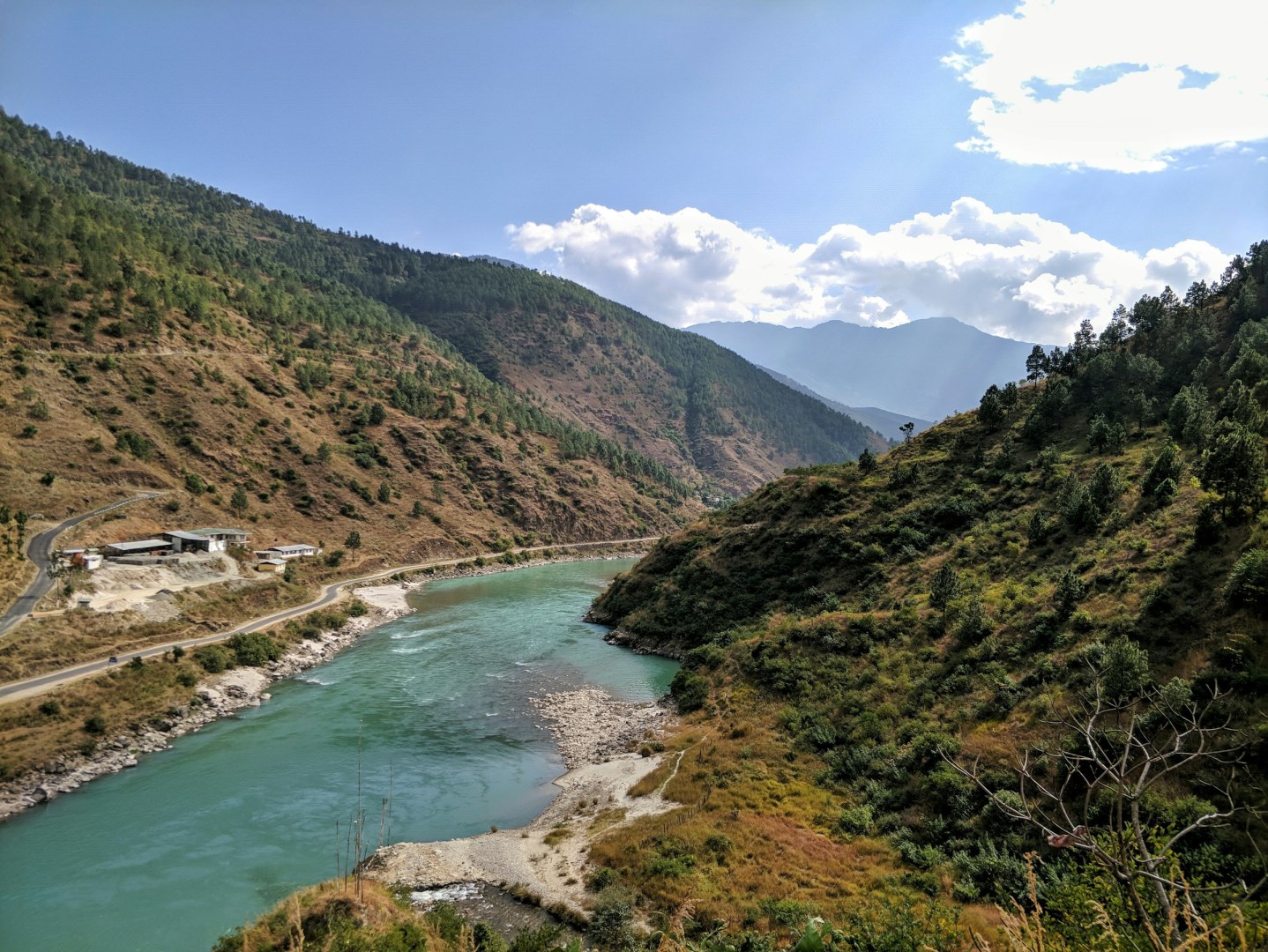
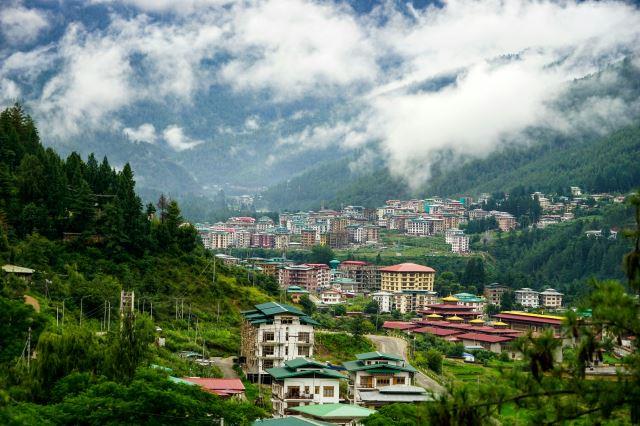
Lobesa–Metsina is a rural area in Punakha District, western Bhutan, set within the warm and fertile Punakha Valley. The settlements lie among rice paddies, mustard fields, orchards, and forested hills, with the Punatsangchhu River shaping the wider valley landscape. Lobesa is located along the main road linking Punakha and Wangdue Phodrang and provides access to villages and agricultural areas surrounding the valley. The region has a distinctly rural character, with traditional Bhutanese houses, cultivated fields, and mountain scenery forming much of the landscape.
The area has a strong connection with Bhutanese Buddhist traditions, particularly through Chimi Lhakhang, a temple on a rounded hill above the agricultural fields near Lobesa. The temple is associated with Drukpa Kunley, popularly known as the Divine Madman, and is widely regarded as a fertility temple. The approach from Sopsokha village passes through rice and mustard fields, with houses decorated with traditional phallic paintings. These symbols are part of local Buddhist and folk traditions and are traditionally regarded as protective against evil influences.
The landscape around Lobesa and Metsina is well suited to walking through farmland and village paths, with views across cultivated valley floors and surrounding hills. Chimi Lhakhang is the area's principal landmark, reached by a short walk from Sopsokha through working agricultural fields. The wider Punakha Valley provides access to other important sites, including Punakha Dzong, Khamsum Yulley Namgyal Chorten, and the Punakha Suspension Bridge. The combination of lowland farmland, forested slopes, rivers, and traditional settlements gives Lobesa–Metsina a clear connection with the agricultural landscape of western Bhutan.
Food in Lobesa–Metsina reflects the agricultural character of Punakha, with locally grown rice, vegetables, chilies, and other produce appearing in traditional Bhutanese meals. Ema datshi, made with chilies and cheese, is a familiar dish throughout Bhutan, while red rice is a staple accompaniment. Small restaurants and cafés around Sopsokha serve Bhutanese dishes to visitors traveling to Chimi Lhakhang. A distinctive detail of the area is the close relationship between tourism and farming: the walk to the temple passes directly through cultivated fields, allowing visitors to experience the valley's agricultural landscape alongside its religious traditions.
Other Popular Destinations in Bhutan