


Middle East | Saudi Arabia | Madinah
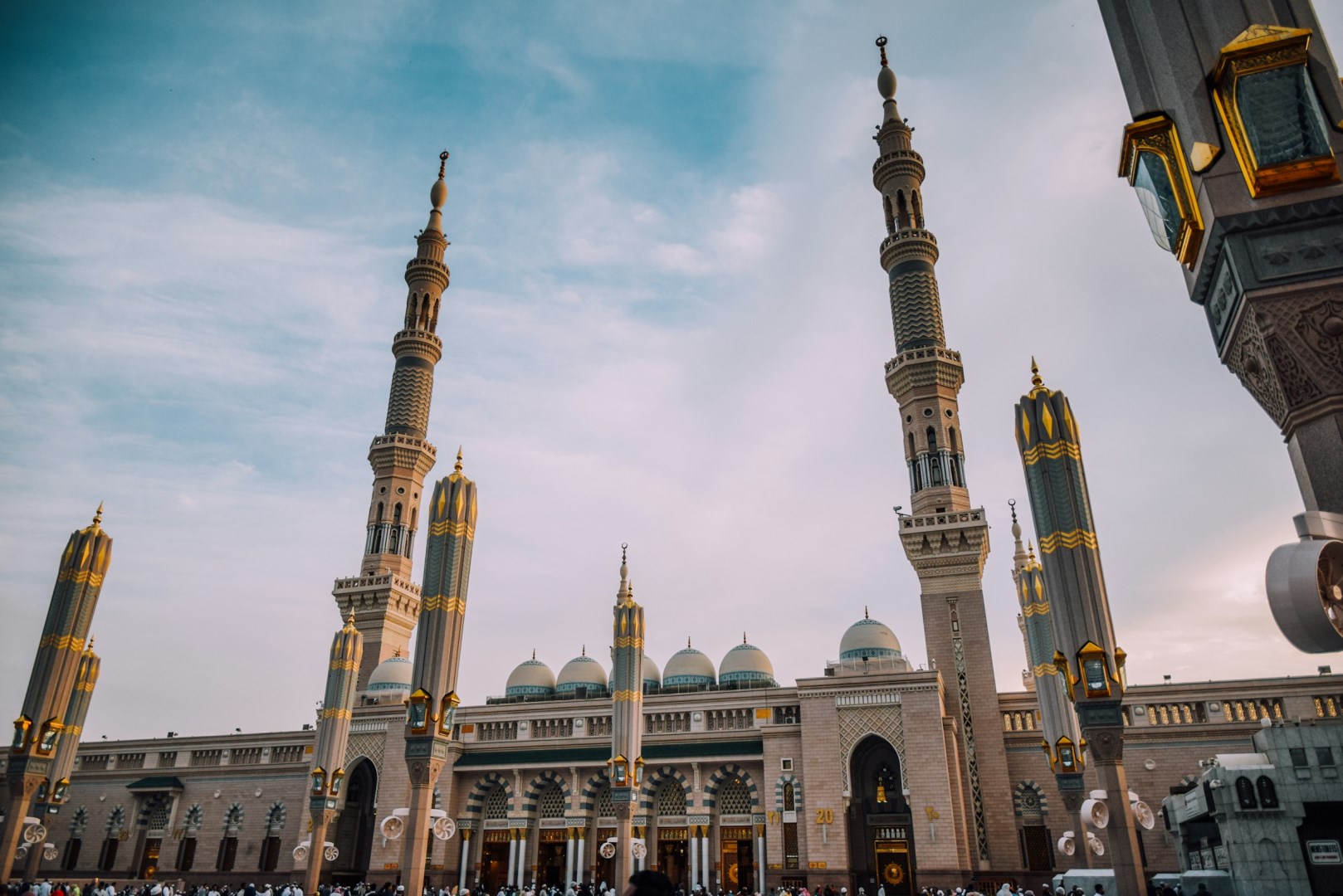
Madinah, officially Al Madinah Al Munawwarah, is a city in western Saudi Arabia with a central place in Islamic history and religious life. The city developed around an oasis and is surrounded by volcanic hills and rocky terrain, giving its urban landscape a distinct setting. At its heart stands Al Masjid an Nabawi, the Mosque of the Prophet Muhammad, which is one of the most important religious sites in Islam. Madinah also contains historic neighborhoods, palm groves, markets, and agricultural areas, reflecting the city's long connection with settlement, trade, worship, and oasis farming.
Madinah's cultural identity is closely connected with the early Muslim community and the traditions of pilgrimage and religious scholarship. Masjid Quba is recognized as the first mosque built in Islam, while Masjid Al Qiblatayn is associated with the change in the direction of prayer toward the Kaaba. The city also contains the Miqat Dhu Al Hulayfah, where pilgrims traveling from Madinah toward Makkah enter ihram for Hajj or Umrah. These sites form part of a wider cultural landscape shaped by religious practice, hospitality, learning, and the movement of pilgrims.
The Prophet's Mosque is the city's principal landmark, with its large courtyards, distinctive green dome, and extensive prayer areas forming the center of Madinah. Mount Uhud rises north of the city and is closely associated with early Islamic history. The surrounding landscape includes rocky hills, volcanic formations, and cultivated palm groves, while Quba Mosque provides another important architectural and religious site. Visitors exploring the city can also find historic mosques, traditional markets, and heritage areas that provide a sense of Madinah beyond its major religious landmarks.
Dates are strongly associated with Madinah and its oasis agriculture, with several varieties cultivated in the surrounding palm groves. Ajwa dates are particularly well known and have an important place in Islamic tradition. Local cuisine includes dishes common across the Hejaz, such as rice and meat preparations, grilled foods, flatbreads, and dishes flavored with spices, while dates and Arabic coffee are closely connected with hospitality. Madinah's distinctive character comes from the relationship between its sacred sites, oasis agriculture, volcanic landscape, and the steady traditions of pilgrimage and religious life that continue to shape the city.
Other Popular Destinations in Saudi Arabia