



Mafia Island is a coastal island in Tanzania’s Pwani Region, lying in the Indian Ocean opposite the Rufiji River Delta. It forms part of the Mafia Archipelago, which includes smaller islands such as Chole, Juani, Jibondo, and Bwejuu. Kilindoni is the main town and port, while Utende provides access to Mafia Island Marine Park. The island combines sandy beaches, coral reefs, mangroves, seagrass beds, coconut plantations, and small fishing communities. Its relatively low level of development has helped preserve a strong Swahili coastal character and a close connection between local communities and the surrounding sea.
Mafia Island has a long history as part of the Indian Ocean trading network, with connections to Swahili, Arab, Persian, and other maritime cultures. Archaeological remains across the archipelago include the Kua ruins on Juani Island and historic sites on Chole Island. Chole also contains remains of earlier settlements and buildings associated with later periods of Arab and European influence. Fishing remains an important livelihood, while agriculture, tourism, handicrafts, and beekeeping contribute to the local economy. The island’s communities speak Swahili and maintain coastal traditions involving fishing, dhow sailing, food preparation, and small-scale farming.
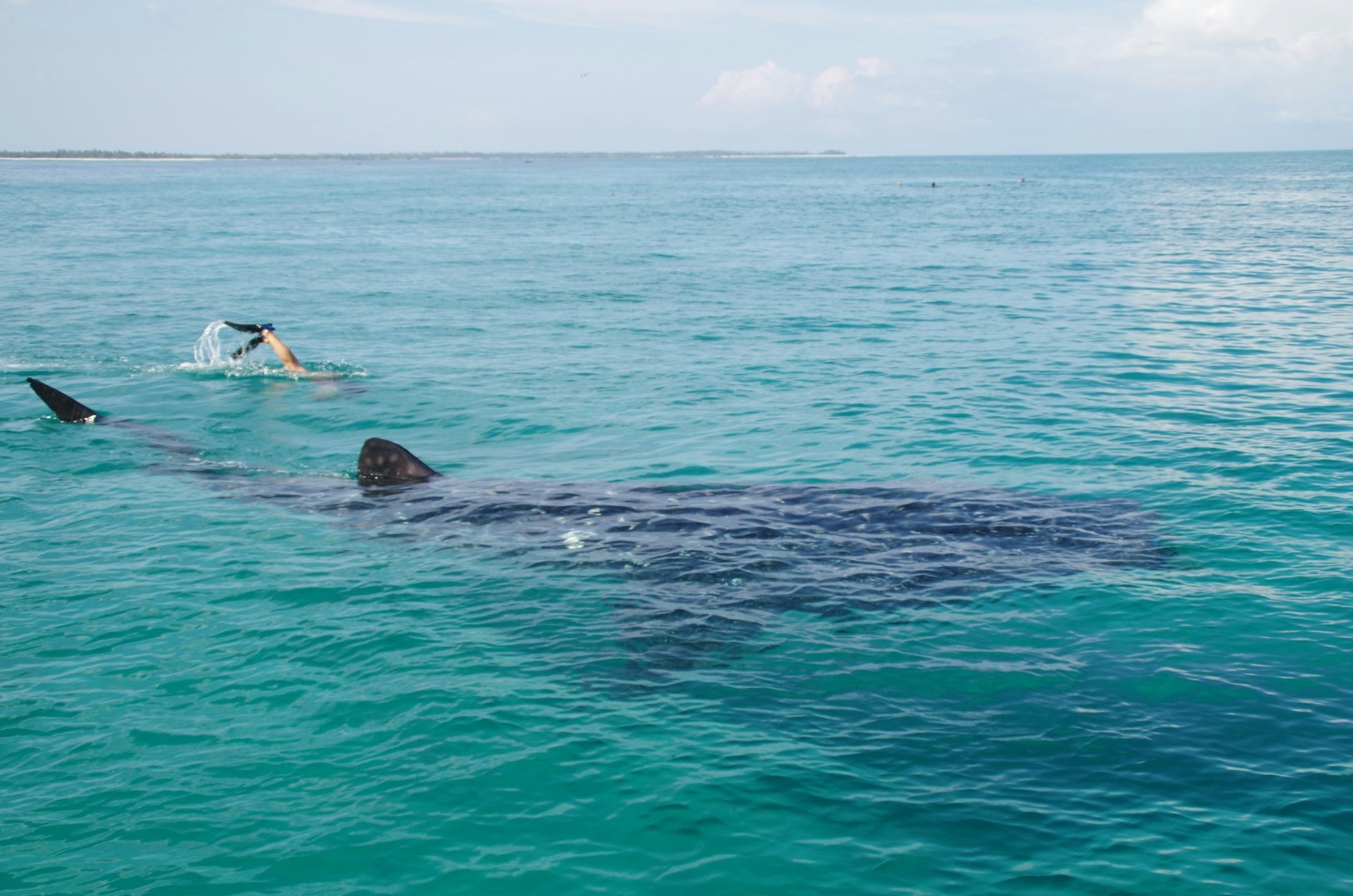
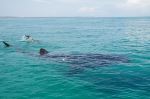
Mafia Island Marine Park protects about 822 square kilometres of coral reefs, seagrass meadows, mangroves, intertidal flats, and surrounding waters. Chole Bay is a major area for diving and snorkelling, with coral formations supporting tropical fish, turtles, octopus, and other marine life. Whale sharks gather seasonally in waters near the island, making Mafia an important location for responsible marine wildlife encounters. Juani Island has protected turtle nesting beaches, while sandbanks and tidal channels create changing coastal landscapes. On land, forest walks, village visits, birdwatching, and excursions to the Kua ruins provide alternatives to marine activities.
Food on Mafia Island reflects the island’s position along the Swahili coast, with freshly caught fish and seafood commonly prepared with coconut, rice, vegetables, and spices. Coconut palms, mangoes, cassava, cashews, and other crops are part of the agricultural landscape, while local fishing communities supply much of the seafood eaten around the island. Dhow excursions often provide a way to experience the traditional relationship between people and the ocean. A distinctive feature of Mafia is the close proximity of archaeological sites, fishing villages, forests, mangroves, and protected reefs, allowing cultural and environmental experiences to occur within the same island setting.
Other Popular Destinations in Tanzania


