






Chyulu Hills National Park lies in southeastern Kenya between Amboseli and Tsavo, forming a long range of volcanic hills covered by grassland, shrubland, and patches of montane forest. The hills rise from the surrounding plains and are shaped by relatively recent volcanic activity, with lava flows, cones, caves, and other geological features visible across the landscape. The park is part of a wider ecosystem shared by wildlife and pastoral communities, and its elevated terrain plays an important role in collecting water for areas farther downstream.
The cultural landscape around Chyulu Hills is closely associated with the Maasai, whose pastoral traditions have long been connected with the surrounding grasslands. Livestock herding remains important to communities living near the protected area, while conservation initiatives increasingly involve local residents in protecting wildlife and natural resources. The hills are also associated with traditional knowledge of plants, water sources, and grazing areas. This relationship between pastoral communities and the landscape is an important part of understanding the region beyond its role as a national park.
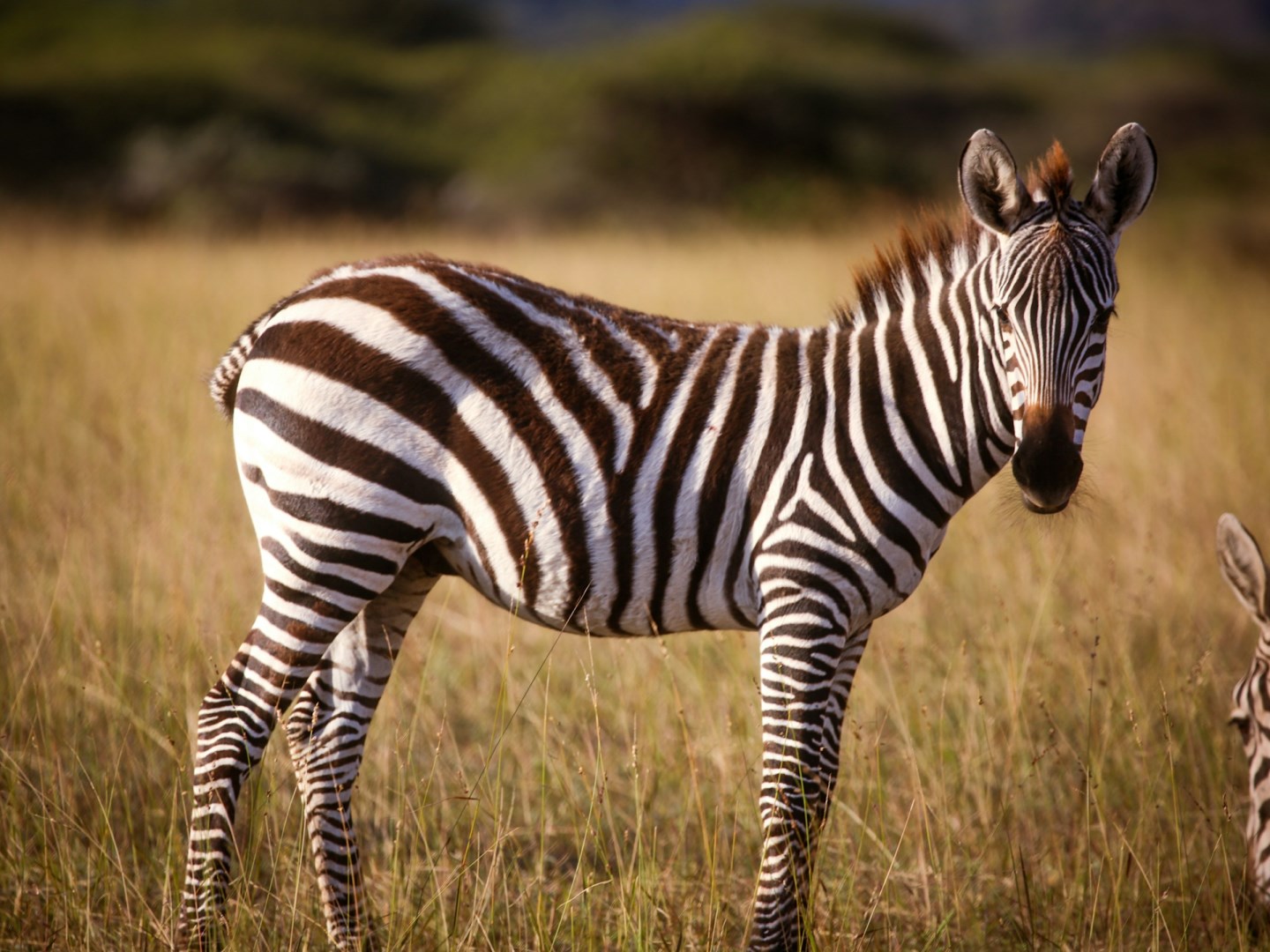
Chyulu Hills provides habitat for elephants, buffalo, giraffes, zebras, elands, hartebeest, leopards, and a range of smaller mammals. The park is particularly notable for its volcanic caves, including the Leviathan Cave system, one of the longest known lava-tube cave systems in Africa. Forested slopes and open grasslands support numerous bird species, while the higher elevations offer views toward Mount Kilimanjaro on clear days. Walking, horseback riding, game drives, and guided cave excursions provide different ways to explore the park and its varied terrain.
The hills are sometimes described as Kenya’s “green hills” because their vegetation can remain comparatively lush against the drier surrounding plains, although conditions vary with rainfall. Chyulu Hills is also an important water catchment, with underground water moving through the volcanic rocks and feeding springs in neighboring areas. The combination of unusual geology, wildlife corridors, forest, and grassland gives the park ecological importance beyond its relatively remote setting. Its position between major protected areas also makes it significant for maintaining movement routes for wildlife across southeastern Kenya.
