



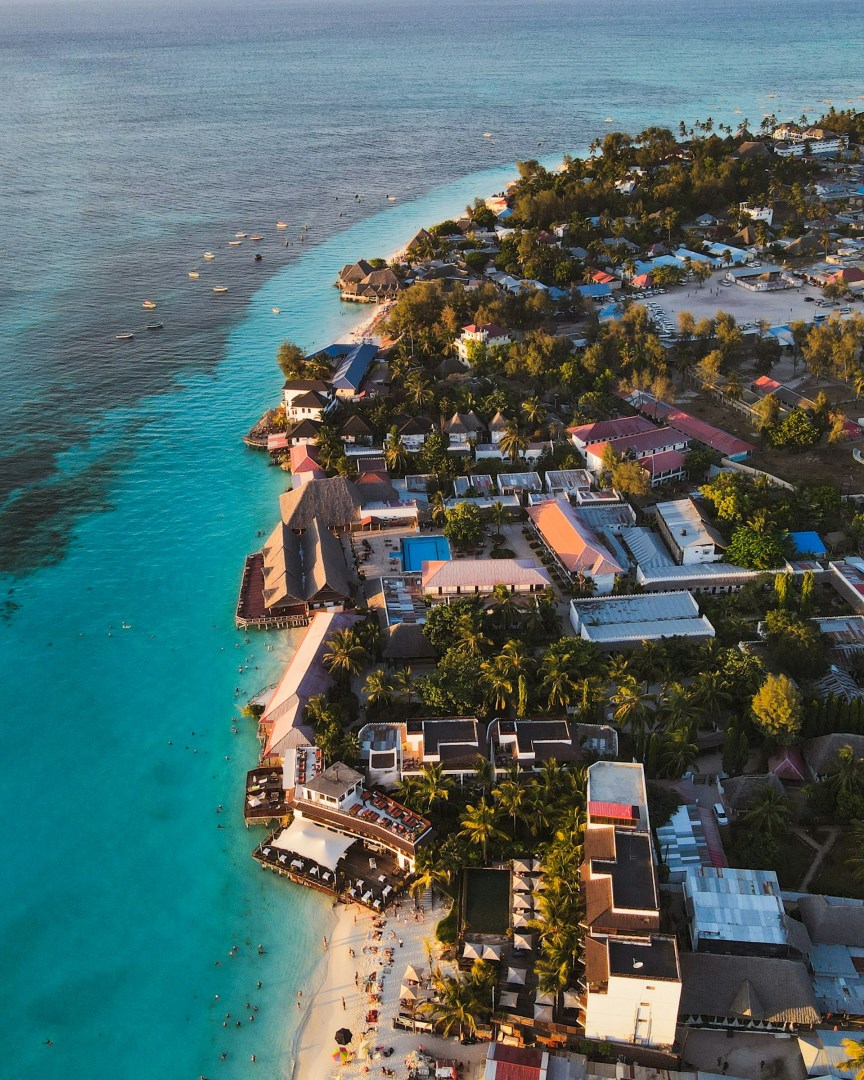
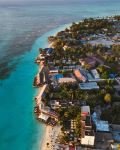
Nungwi is a coastal village at the northern tip of Zanzibar, facing the Indian Ocean on a peninsula known for sandy beaches, shallow lagoons, and clear tropical waters. It developed from a traditional fishing and dhow-building community into one of northern Zanzibar’s main tourism centres, while retaining working boatyards and local residential areas. The shoreline is less affected by large tidal changes than much of Zanzibar’s east coast, allowing swimming and beach activities throughout more of the day. Nungwi also provides access to nearby Mnemba Island and other marine areas around the northern coast.
Nungwi’s cultural identity is closely linked to Swahili maritime traditions. Fishing has long been an important livelihood, and traditional dhow construction remains visible in local boatyards, where wooden sailing vessels are built and repaired using established techniques. The village reflects Zanzibar’s wider Indian Ocean heritage, with African, Arab, Persian, and Indian influences present in language, religion, architecture, food, and trade traditions. Local communities also maintain connections with seaweed harvesting and other coastal activities. The nearby Nungwi Natural Aquarium supports turtle conservation and provides an educational setting focused on marine life and coastal ecosystems.
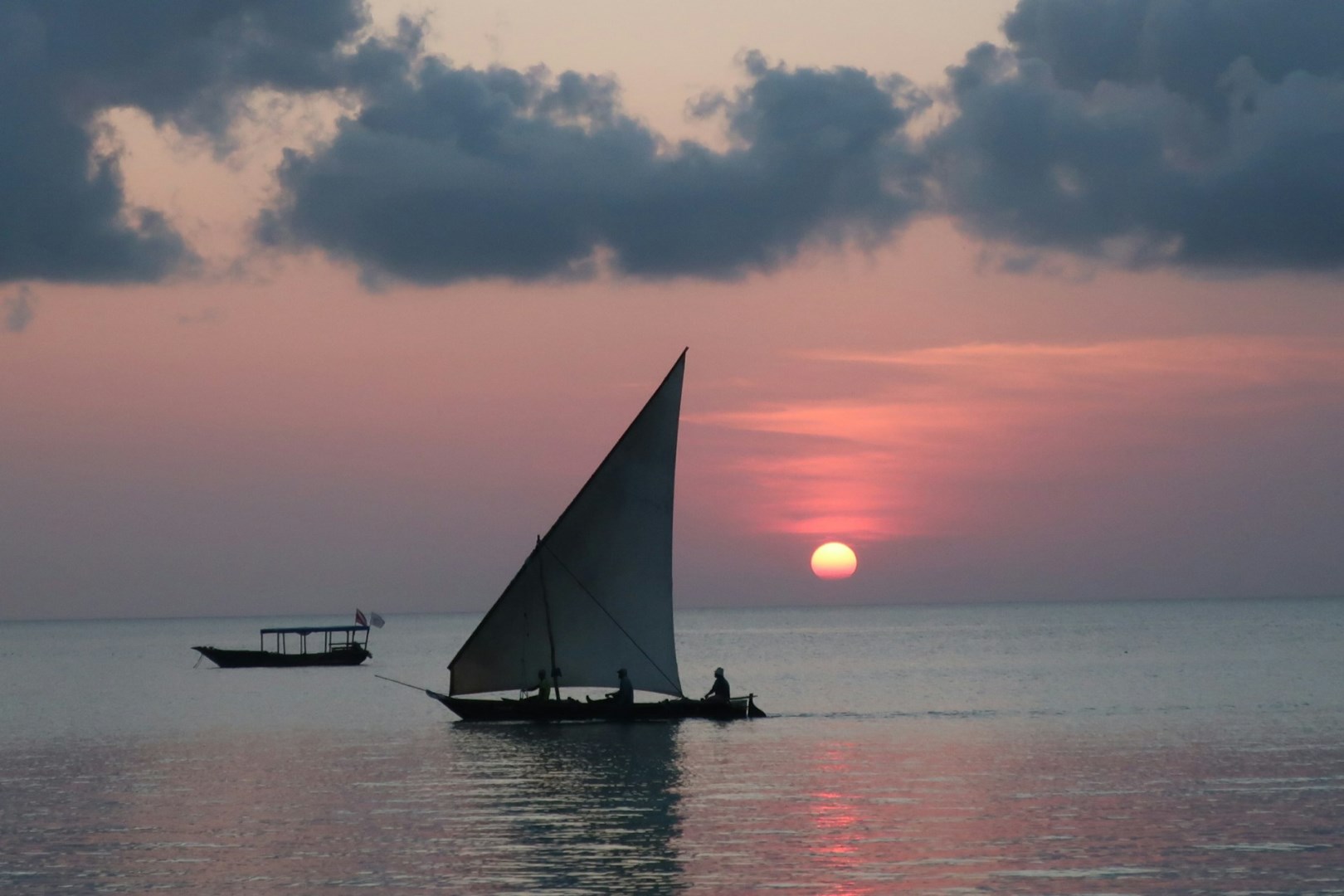
Nungwi Beach is the area’s main natural attraction, with a broad sandy shoreline and warm waters suitable for swimming and water activities. Snorkelling and diving excursions reach coral reefs and marine habitats where visitors may encounter tropical fish, sea turtles, dolphins, and other species. Boat trips are commonly made in traditional dhows, particularly around sunset or for reef excursions. The northern coastline also provides access to Kendwa Beach, while the nearby Mnarani Marine Turtles Conservation Pond offers opportunities to learn about green turtles and local conservation work. The village’s position at Zanzibar’s northern tip gives it easy access to several coastal environments.
Seafood is central to Nungwi’s food culture, with freshly caught fish, octopus, prawns, lobster, and other Indian Ocean species commonly served in local restaurants and beachside establishments. Swahili cooking also uses coconut, rice, cloves, cinnamon, cardamom, and other spices associated with Zanzibar’s agricultural and trading traditions. One distinctive local feature is the continued construction of wooden dhows, which contrasts with the modern hotels and restaurants that now line parts of the coast. The combination of a working fishing community, traditional boatbuilding, marine conservation, and a developed beach economy gives Nungwi a distinctive place within Zanzibar’s tourism landscape.
Other Popular Destinations in Tanzania


