



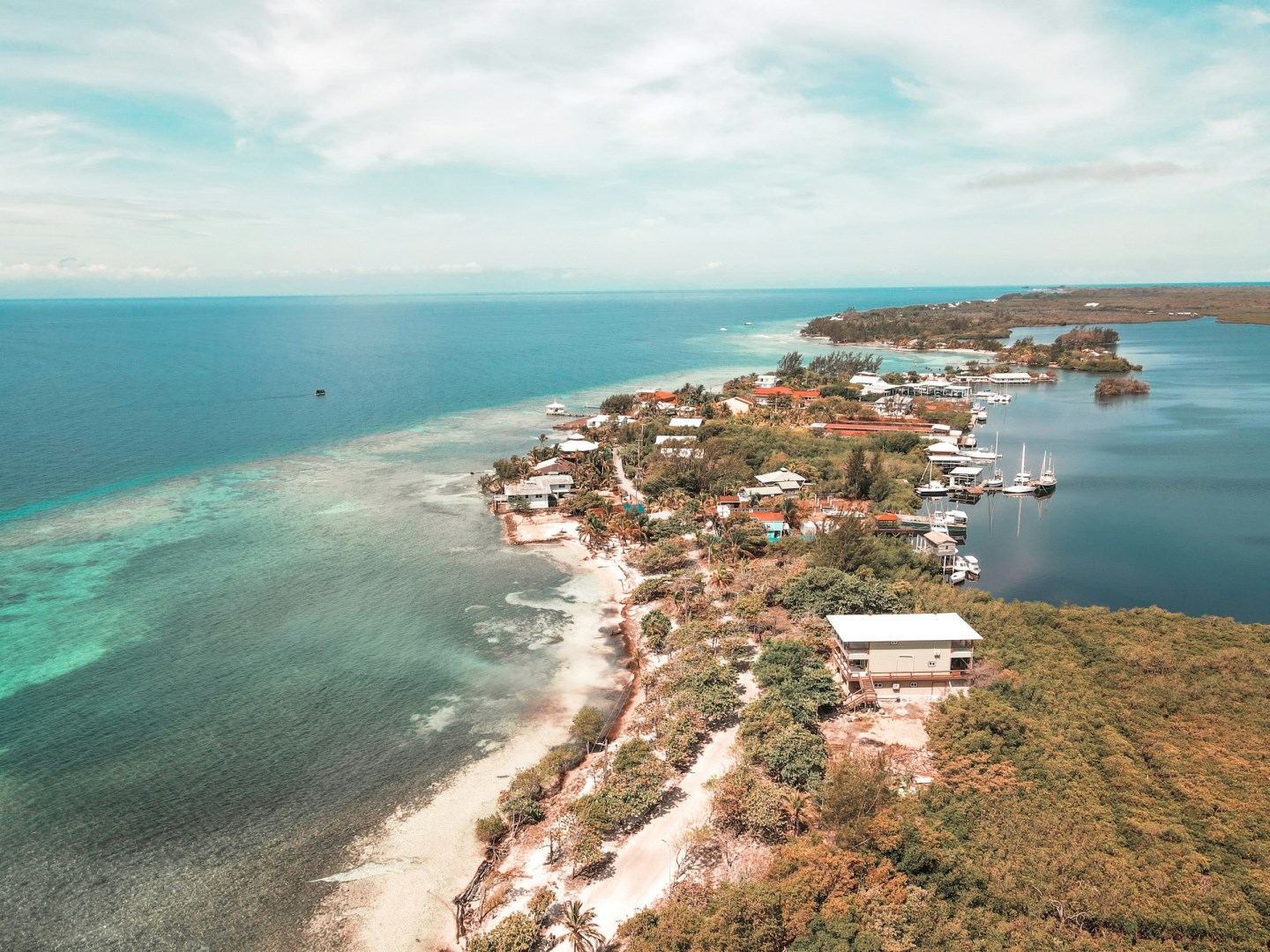
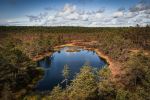
Lahemaa National Park is a large protected area on Estonia’s northern coast, facing the Gulf of Finland and combining forests, wetlands, rocky shores, sandy beaches, and small islands. It is Estonia’s oldest and largest national park, with landscapes that change noticeably between the coast and the inland forests. The park also protects cultural heritage, including traditional fishing villages, historic manor estates, and old farm landscapes. Its proximity to Tallinn makes Lahemaa accessible while still offering extensive areas of forest and coastline where settlements remain relatively small and dispersed.
Lahemaa’s cultural identity is closely connected with its coastal communities and historic estates. Villages such as Käsmu, Altja, and Viinistu preserve elements of Estonia’s maritime heritage, with Käsmu particularly associated with sea captains and seafaring families. Inland, manor complexes at Palmse, Sagadi, Vihula, and Kolga reflect the influence of Baltic German estate culture and remain important architectural landmarks. Palmse Manor includes gardens, historic outbuildings, and an open-air museum, while Sagadi combines a manor complex with exhibitions focused on forests and local heritage. Together, these sites show how coastal and rural life developed alongside one another.
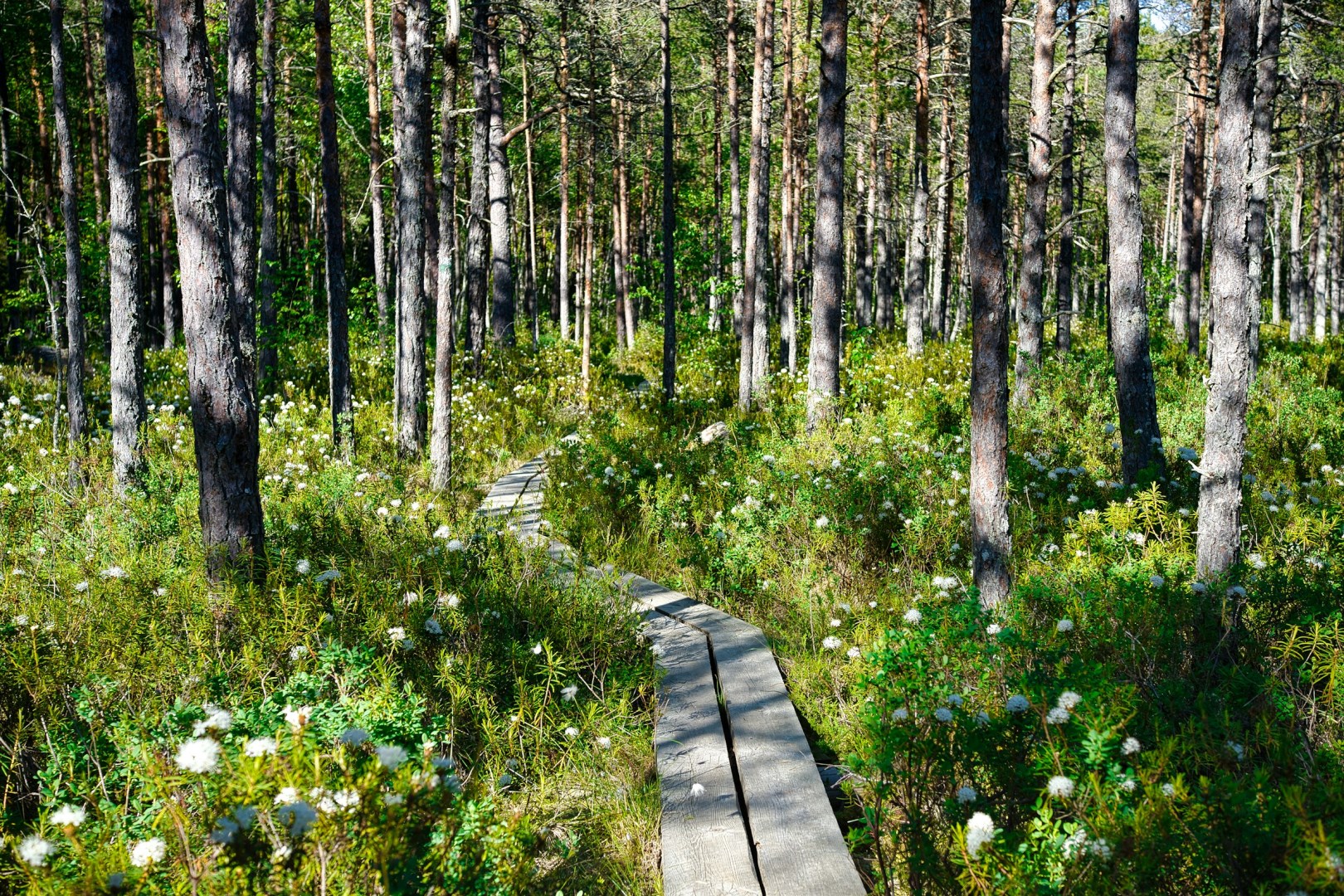
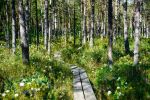
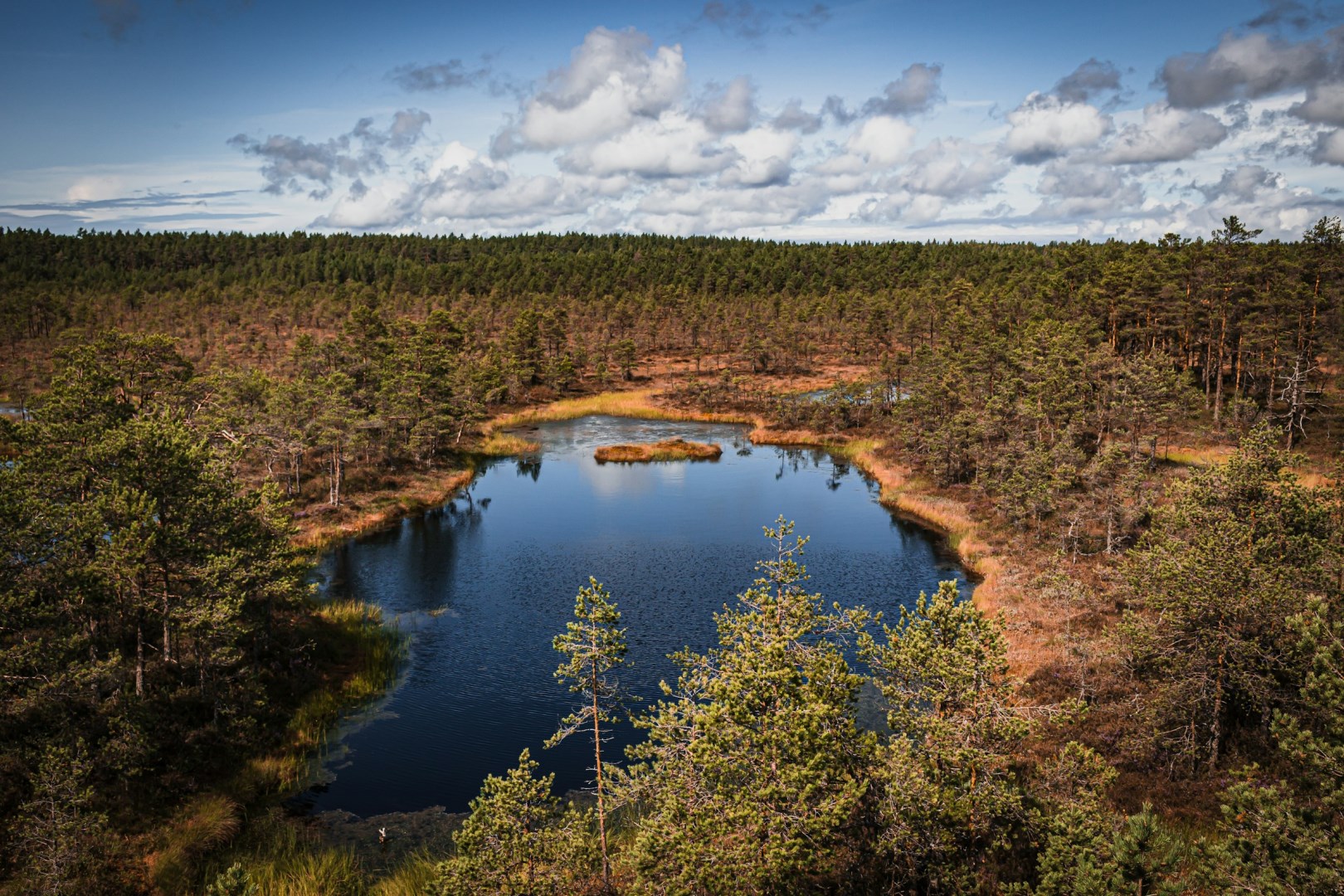
The park’s natural landscapes include the Viru Bog, where a boardwalk crosses open wetland and pine forest, and the rugged coastline around the Käsmu Peninsula and Purekkari Cape. Lahemaa is also known for its large glacial erratic boulders, carried southward by ice from Scandinavia and Finland. Hiking trails lead through forests, wetlands, and coastal areas, while waterfalls such as Nõmmeveski, Joaveski, and Vasaristi add variety to the inland scenery. The park provides habitat for moose, beavers, wild boar, lynx, bears, and many migratory birds, making wildlife an important part of its protected landscape.
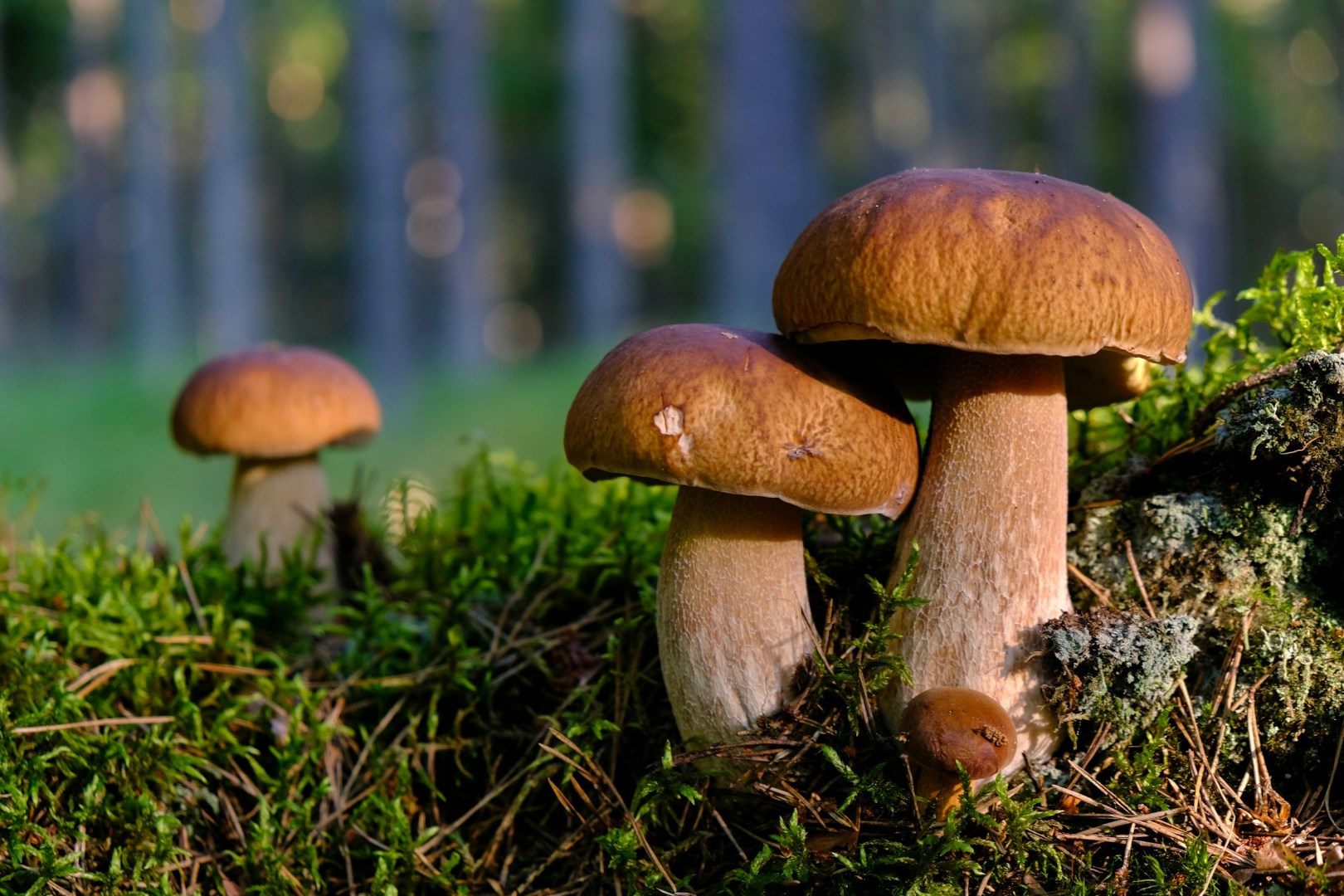
Food in Lahemaa reflects northern Estonian rural and coastal traditions, with fish, rye bread, potatoes, dairy products, mushrooms, berries, and other seasonal ingredients appearing in local cooking. Restaurants and guesthouses in the park often use ingredients sourced from the surrounding area, while harbor communities maintain links with fishing and seafood. An unusual local product comes from Valgejõe Veinivilla, where wines are made from locally grown fruits and berries including lingonberries, rhubarb, quince, and plum. The combination of maritime villages, manor estates, forest landscapes, and traditional foods gives Lahemaa a clear connection between Estonia’s natural and cultural heritage.
Other Popular Destinations in Estonia


