




Central Asia | Sri Lanka | Weligama
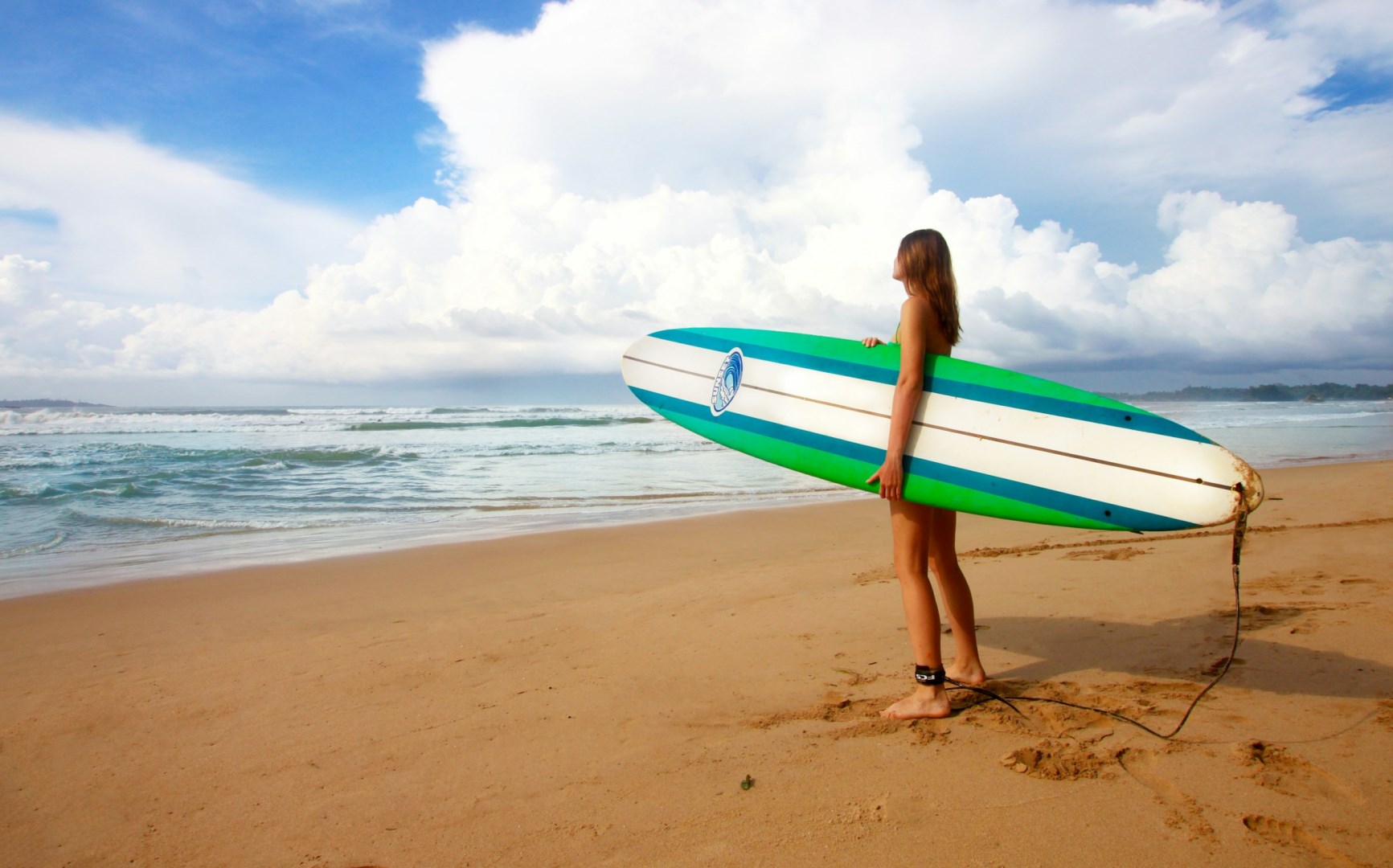

Weligama is a coastal town in Sri Lanka’s Southern Province, centered on a broad, gently curving bay between Galle and Matara. The sheltered shape of Weligama Bay creates relatively manageable waves along much of the beach, making the town especially well known for beginner-friendly surfing. Fishing remains an important part of local life, with traditional boats operating from the shoreline and the surrounding coast still associated with stilt fishing. The town combines a working coastal setting with surf schools, small cafés, guesthouses, and a busy beachfront.
Weligama’s cultural identity is closely connected with the fishing traditions of southern Sri Lanka. The best-known example is stilt fishing, in which fishermen sit on crossbars attached to wooden poles driven into the seabed near the shore. The practice has become an important symbol of the southern coast and can still be seen around Weligama and neighboring coastal communities. Inland, the Kushtarajagala statue is another notable cultural site, featuring a carved figure cut into a large rock. Buddhist temples and shrines throughout the surrounding area add further links to the religious traditions of the region.
Weligama Bay is the town’s central attraction, with its long sandy beach and sheltered waters providing space for swimming and surfing. Surf schools operate along the beachfront, while more experienced surfers can explore breaks farther along the coast. Taprobane Island, a small private island just offshore, is one of the bay’s most recognizable landmarks and is visible from the southern end of the beach. The surrounding coastline also leads toward Mirissa, known for whale-watching excursions, while inland roads pass through coconut groves, villages, and tea-growing areas.
Food in Weligama reflects the cooking of Sri Lanka’s southern coast, with seafood, rice, coconut, vegetables, and spices featuring prominently. Fresh fish, prawns, crab, and other seafood are widely available, alongside familiar local dishes such as rice and curry, hoppers, roti, and coconut sambol. The town also has a growing café scene connected with its surfing community, bringing international dishes into the local food landscape. One distinctive detail is the way traditional fishing and modern surfing share the same bay, giving Weligama a clear connection between its longstanding coastal economy and its newer role as a surf destination.
Other Popular Destinations in Sri Lanka


