

Africa | South Africa | Amakhala Game Reserve
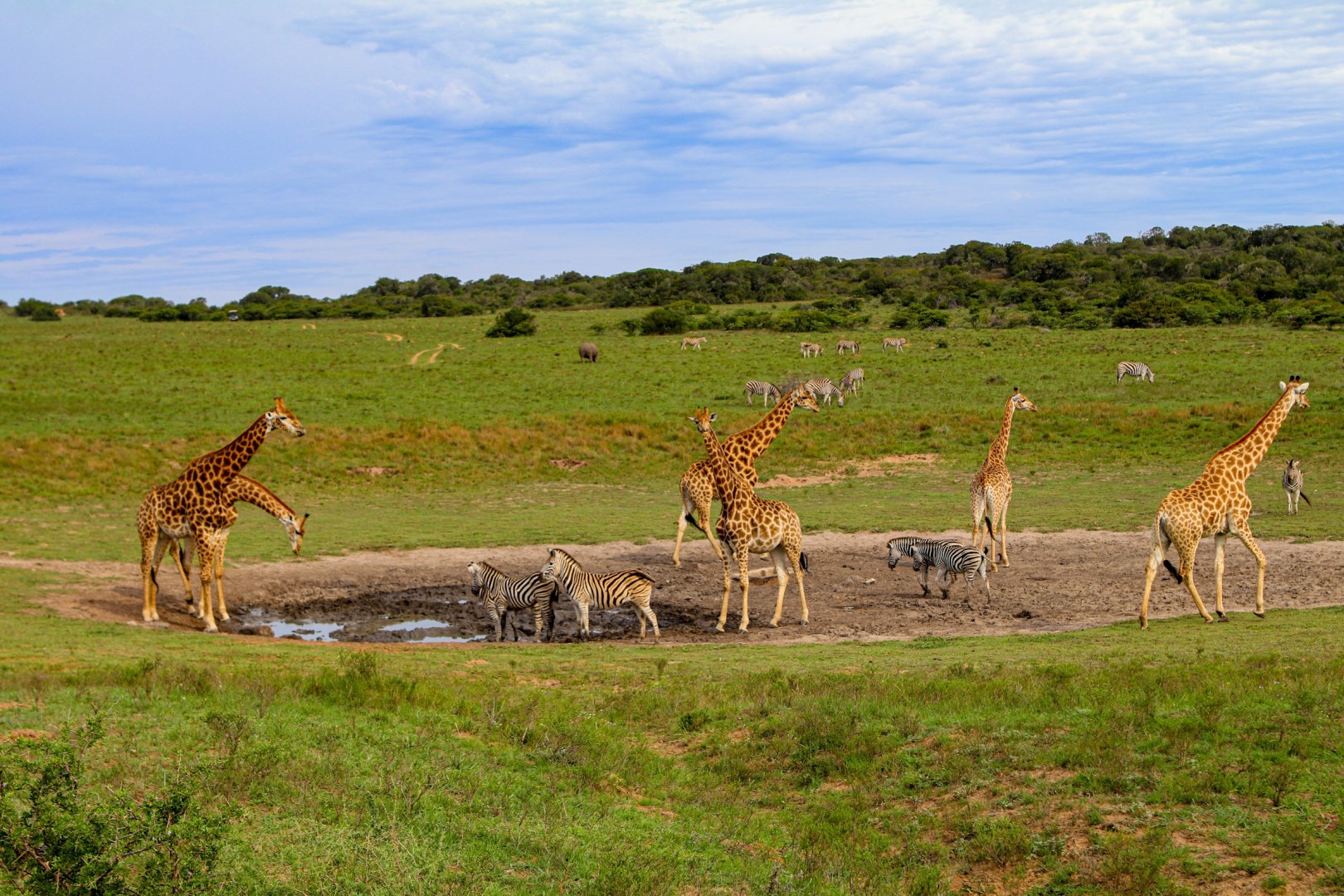
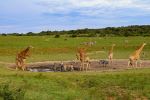
Amakhala Game Reserve is a private wildlife reserve in South Africa’s Eastern Cape province, situated near Paterson, about 70 kilometres northeast of Gqeberha, formerly Port Elizabeth. Covering approximately 8,500 hectares, the reserve lies within the malaria-free Greater Addo region and forms part of the Eastern Cape’s network of conservation areas. Its landscape includes open grasslands, wooded valleys, rolling hills and sections of the Bushman’s River. Amakhala is known for its wildlife safaris and conservation work, with several independently operated lodges offering accommodation within the reserve. Its location makes it accessible from the Garden Route and nearby coastal destinations.
The name Amakhala comes from the isiXhosa word for aloes, reflecting the indigenous plants found throughout the surrounding countryside. The reserve occupies former agricultural land that has been restored to support native wildlife and vegetation. This transformation reflects a broader conservation approach in the Eastern Cape, where private landowners have converted farms into protected wildlife habitats. The region has strong connections to Xhosa cultural traditions, including storytelling, beadwork and livestock farming. Amakhala’s conservation foundation also supports environmental education and community initiatives, helping connect wildlife protection with the lives of people living in neighbouring settlements.
Amakhala supports a wide range of African wildlife, including elephants, lions, buffalo, rhinoceroses and leopards, collectively known as the Big Five. Other animals include giraffes, zebras, wildebeest, kudu, eland and several smaller antelope species. Guided game drives explore grasslands, thickets and river valleys, while boat excursions on the Bushman’s River provide a different perspective on the landscape. The reserve lies within the Albany Thicket biome, an ecosystem characterized by dense shrubs, succulents and drought-resistant trees. Aloe plants and spekboom are notable features of this vegetation, which provides food and shelter for many native animals.
Other Popular Destinations in South Africa