


South America | Ecuador | Yasuni National Park
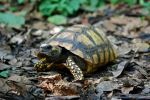
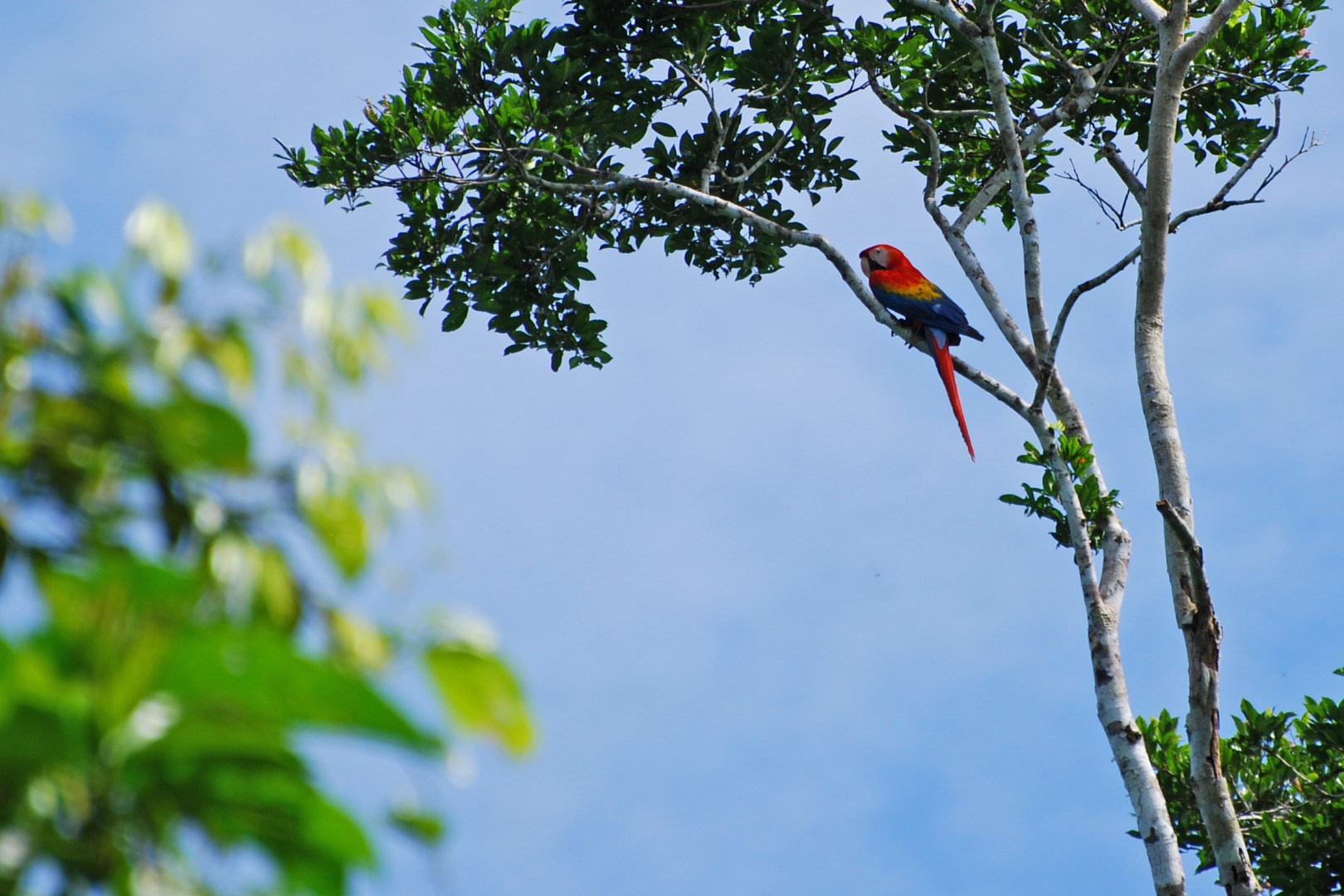
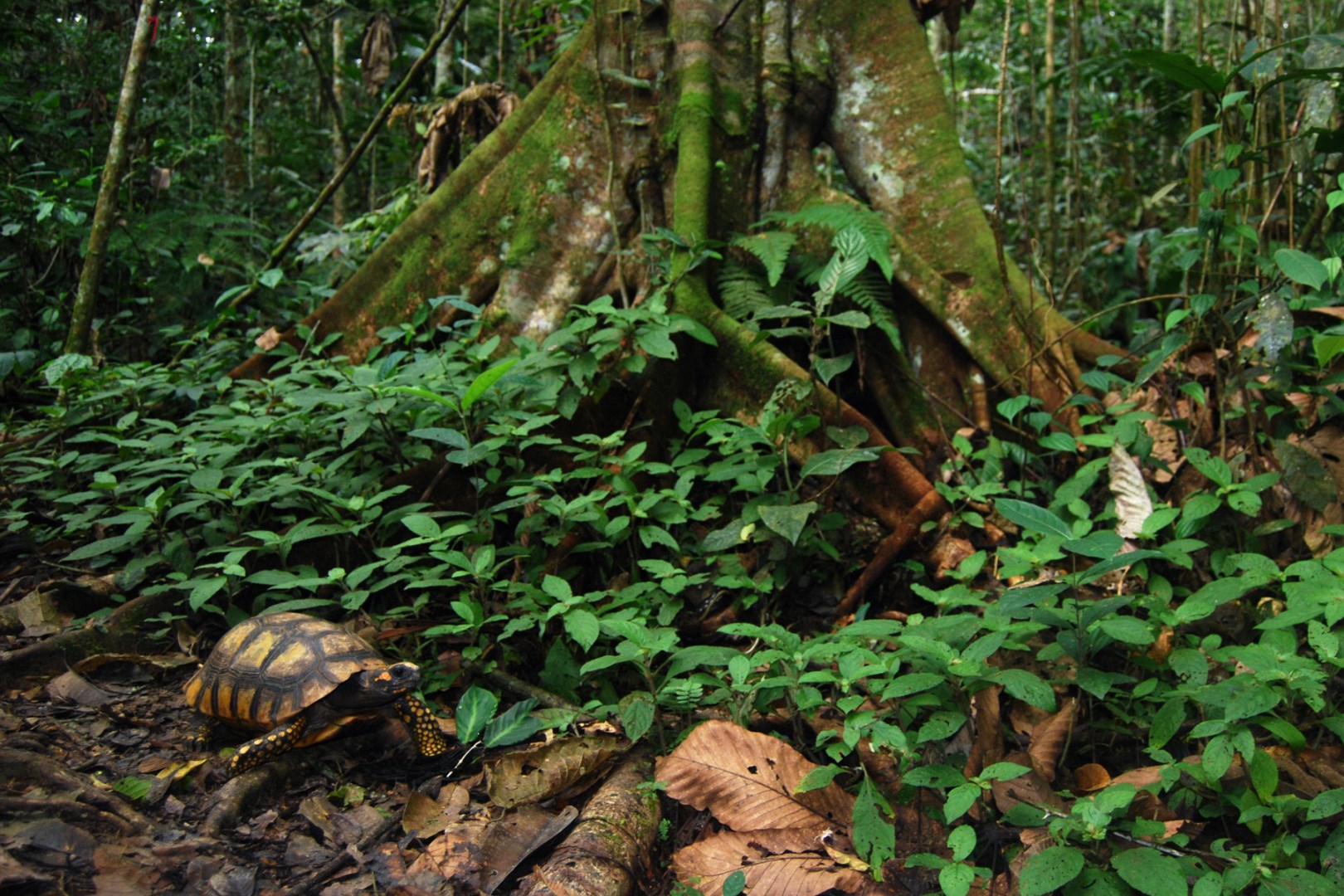
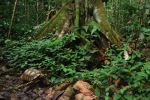
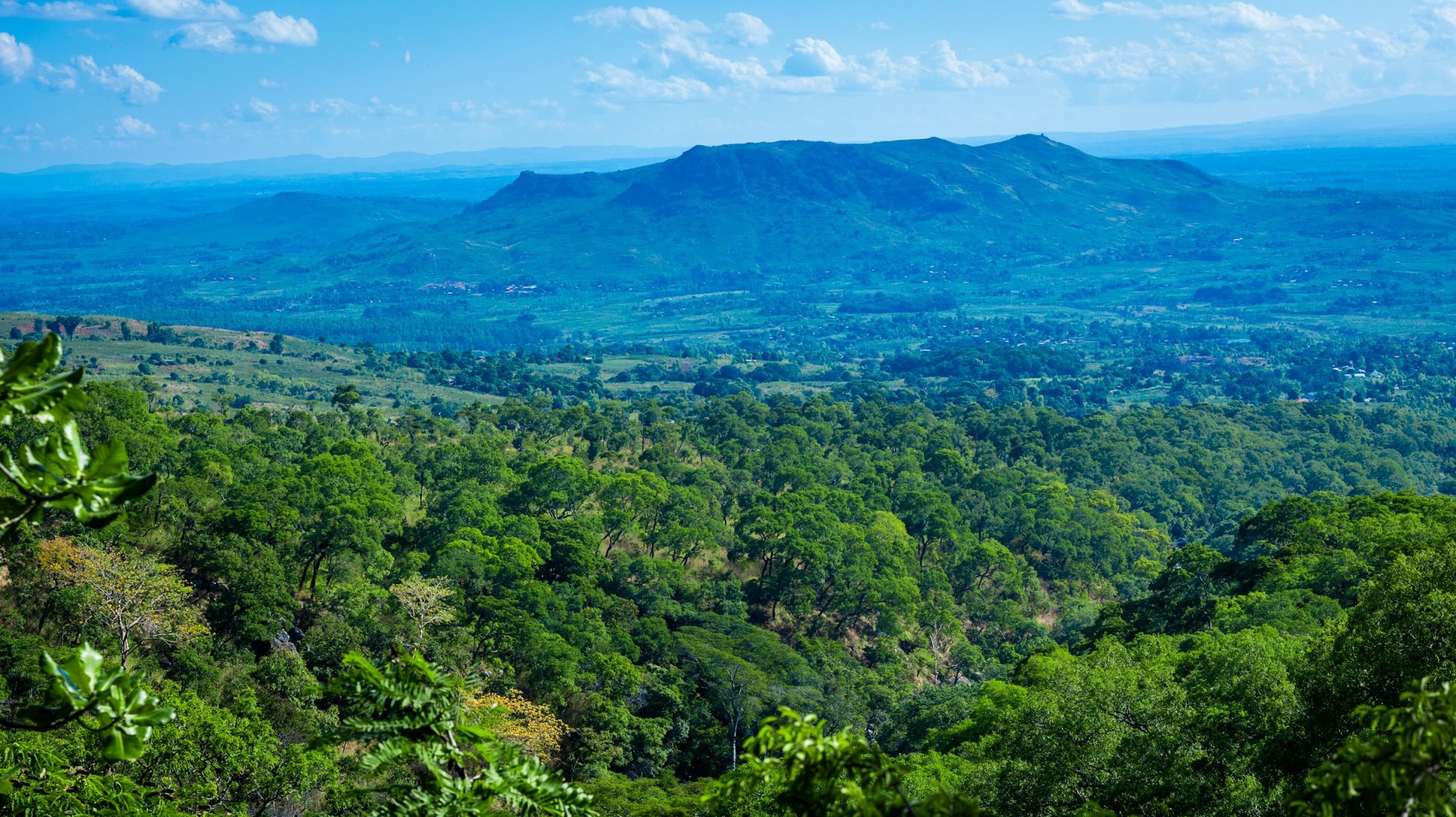
Yasuní National Park lies in Ecuador’s Amazon region, between the Napo and Curaray rivers, and protects one of the country’s largest areas of lowland rainforest. The park contains dense tropical forest, rivers, lagoons, swamps, and seasonally flooded areas, creating a wide range of habitats. Its location near the equator and its varied terrain support exceptionally high biological diversity. Yasuní is also part of the larger Yasuní Biosphere Reserve, which includes surrounding Indigenous territories and other protected areas in the Amazon basin.
Yasuní is closely connected to Indigenous peoples whose communities and territories form an important part of the region’s cultural landscape. Kichwa, Waorani, and other Indigenous peoples maintain traditions based on forest resources, fishing, hunting, agriculture, and knowledge of local plants. The park also contains territory associated with the Tagaeri and Taromenane, Indigenous peoples living in voluntary isolation. Respect for Indigenous territories and restrictions on access are therefore important aspects of visiting the region. Amazonian traditions are also expressed through crafts, food, oral traditions, and knowledge of medicinal plants.
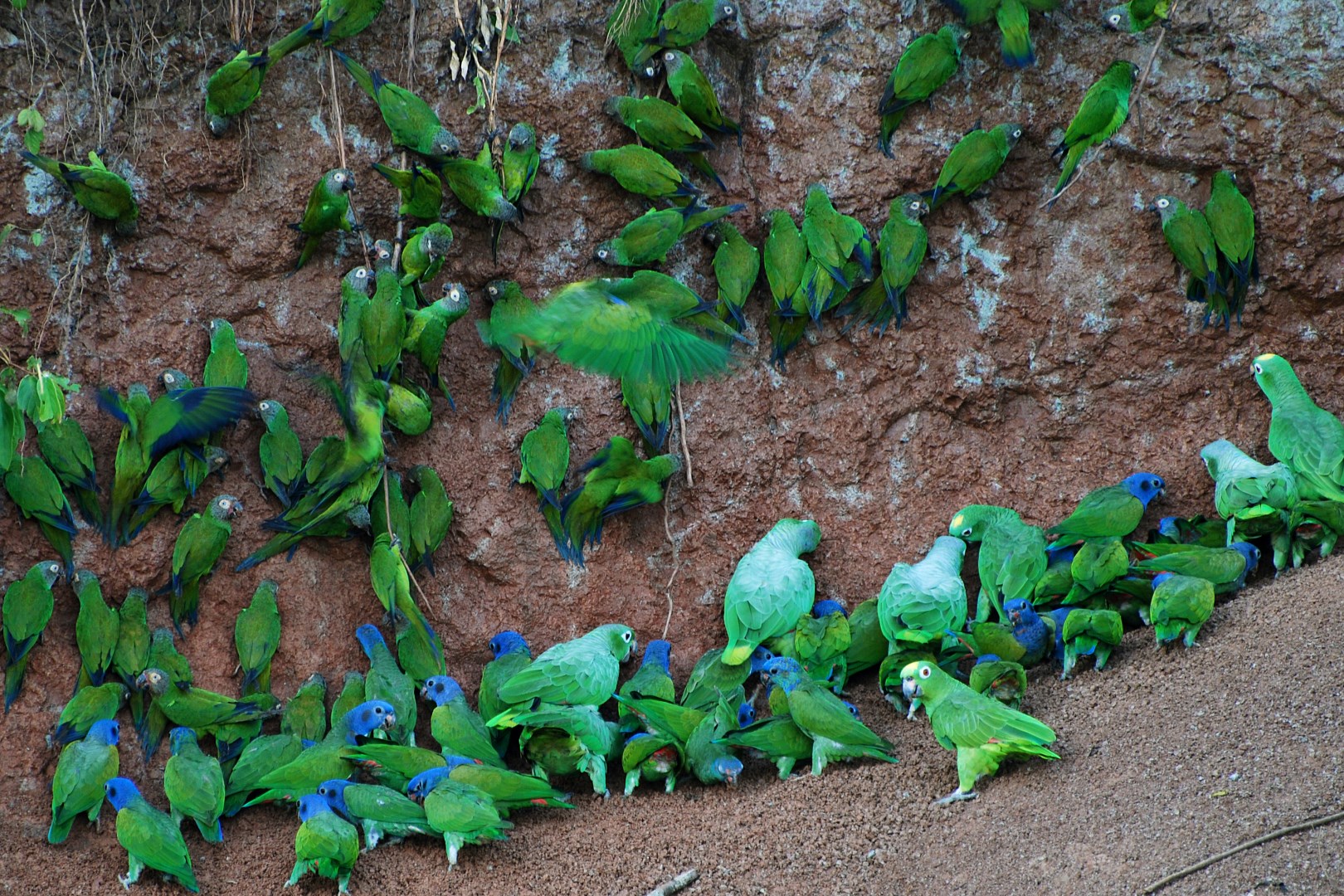
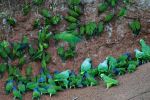
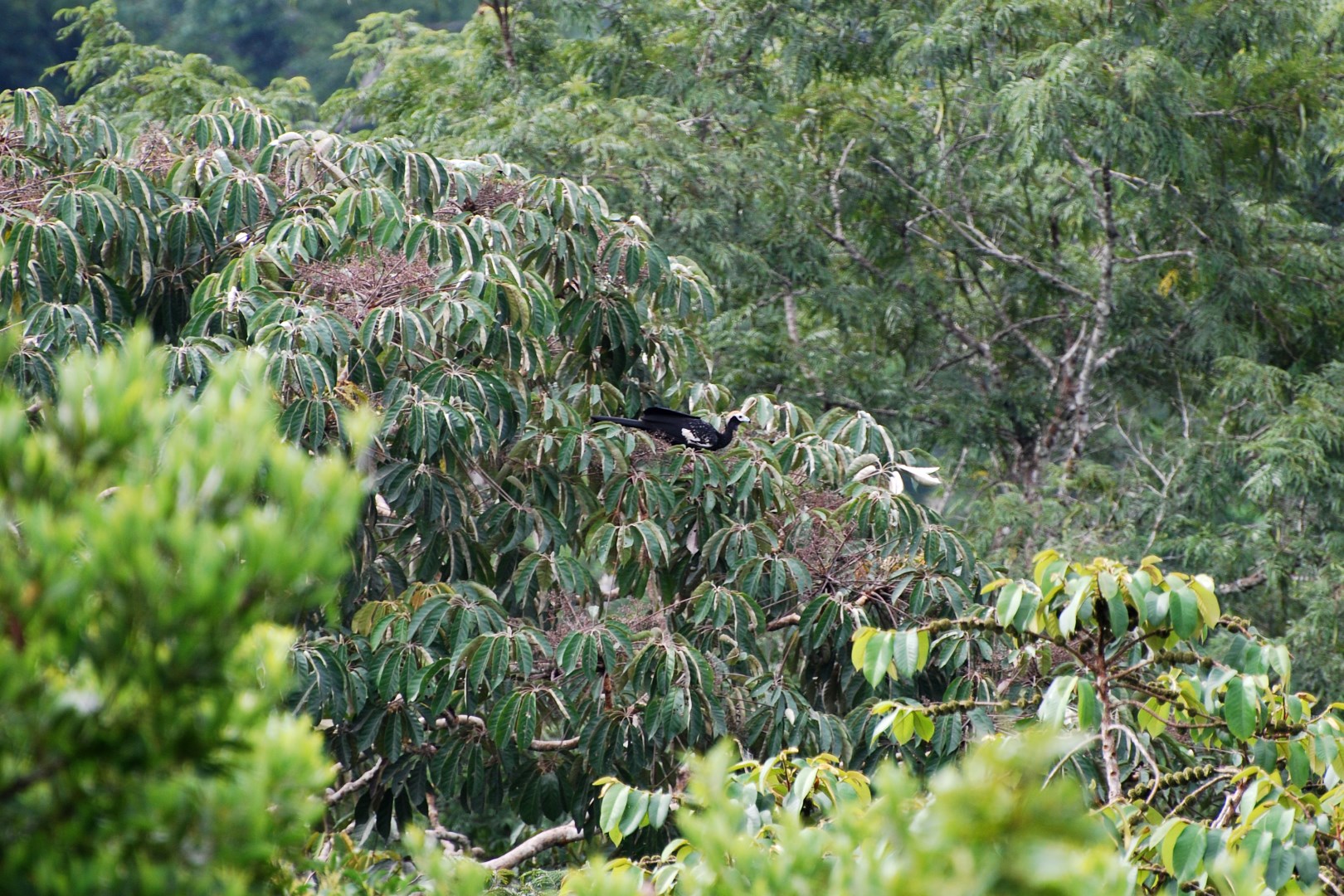
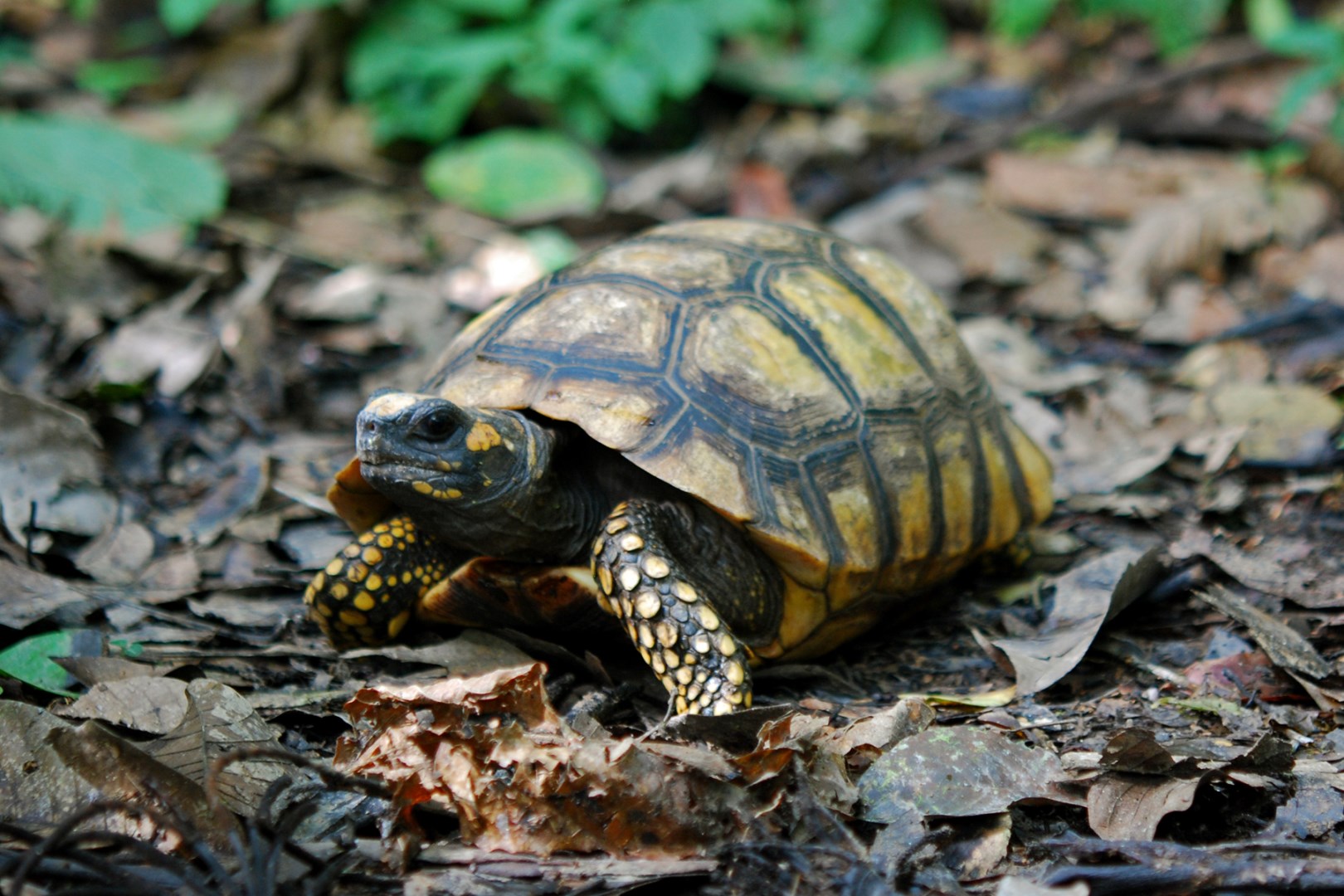
The park's waterways provide the main routes through its remote rainforest, with canoe travel commonly used to reach forest lodges and wildlife areas. Yasuní's forests support hundreds of bird species as well as monkeys, sloths, giant otters, caimans, river dolphins, peccaries, and numerous amphibians and reptiles. The Añangu Kichwa community operates tourism facilities near the Napo River, including access to Añangucocha and surrounding forest. Visitors may explore trails and waterways with local guides, who help identify wildlife and explain the ecology of the rainforest.
Food in the Yasuní region is closely connected to Amazonian agriculture and forest resources. Yuca, plantains, bananas, fish, and fruits are common ingredients, while traditional preparations vary among Indigenous communities. Chontacuro, the edible larva of certain palm species, is a traditional Amazonian food in parts of Ecuador and may be roasted or prepared in other ways. Guayusa, a caffeinated Amazonian leaf traditionally consumed as an infusion, is also associated with Indigenous communities of the Ecuadorian rainforest. Because Yasuní is remote and protected, most visitors eat at lodges or community-operated facilities rather than conventional restaurants.
Other Popular Destinations in Ecuador