


Saint-Louis is a historic city in northern Senegal, positioned on an island at the mouth of the Senegal River where the river meets the Atlantic Ocean. Its distinctive setting between waterways has shaped the city’s architecture, economy, and daily life. The historic island is recognized as a UNESCO World Heritage Site for its regular street plan, waterfront quays, colonial buildings, and distinctive balconies and galleries. Beyond the old island, Saint-Louis extends across the Langue de Barbarie and the mainland, creating a city where river, ocean, fishing communities, and historic neighborhoods are closely connected.
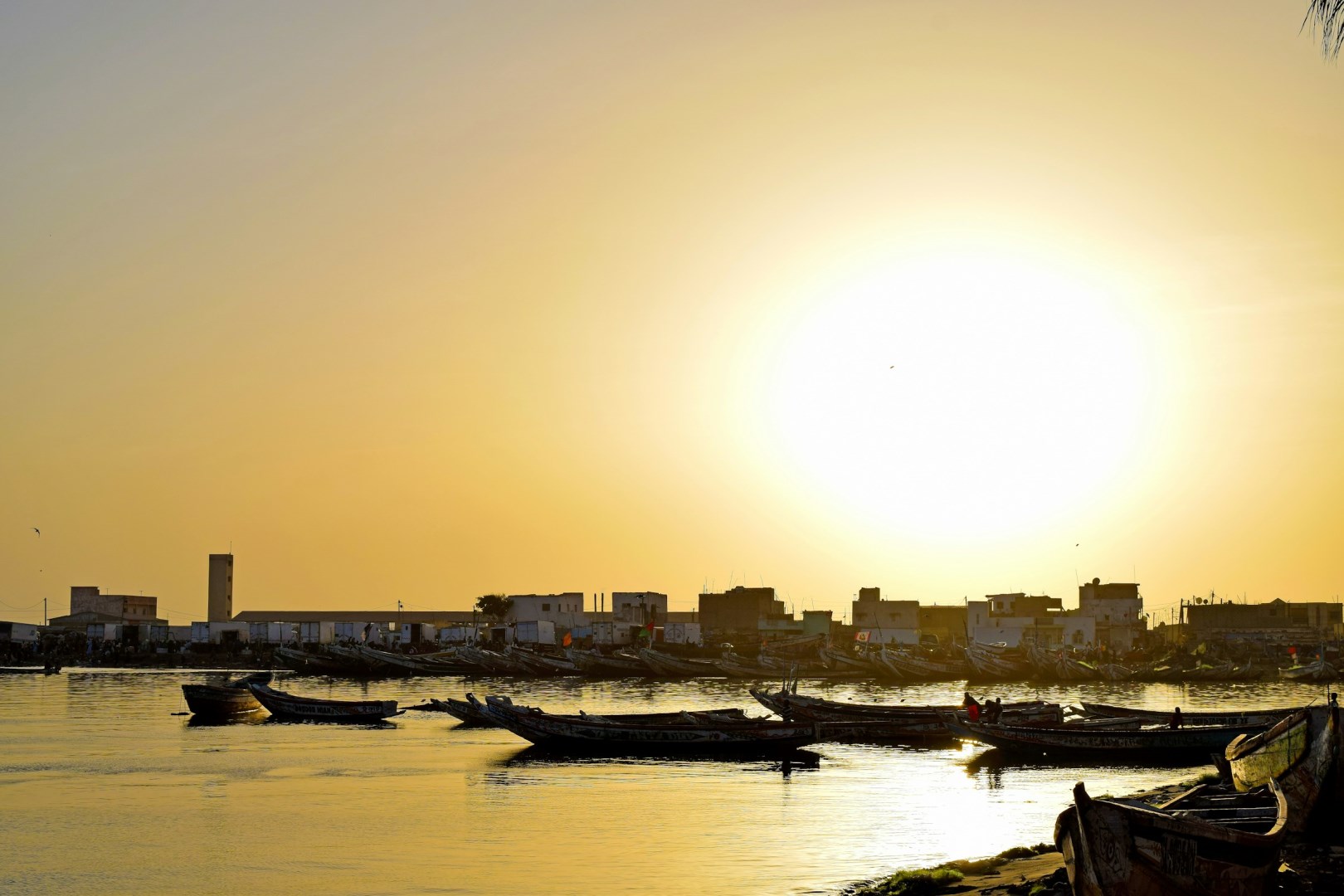
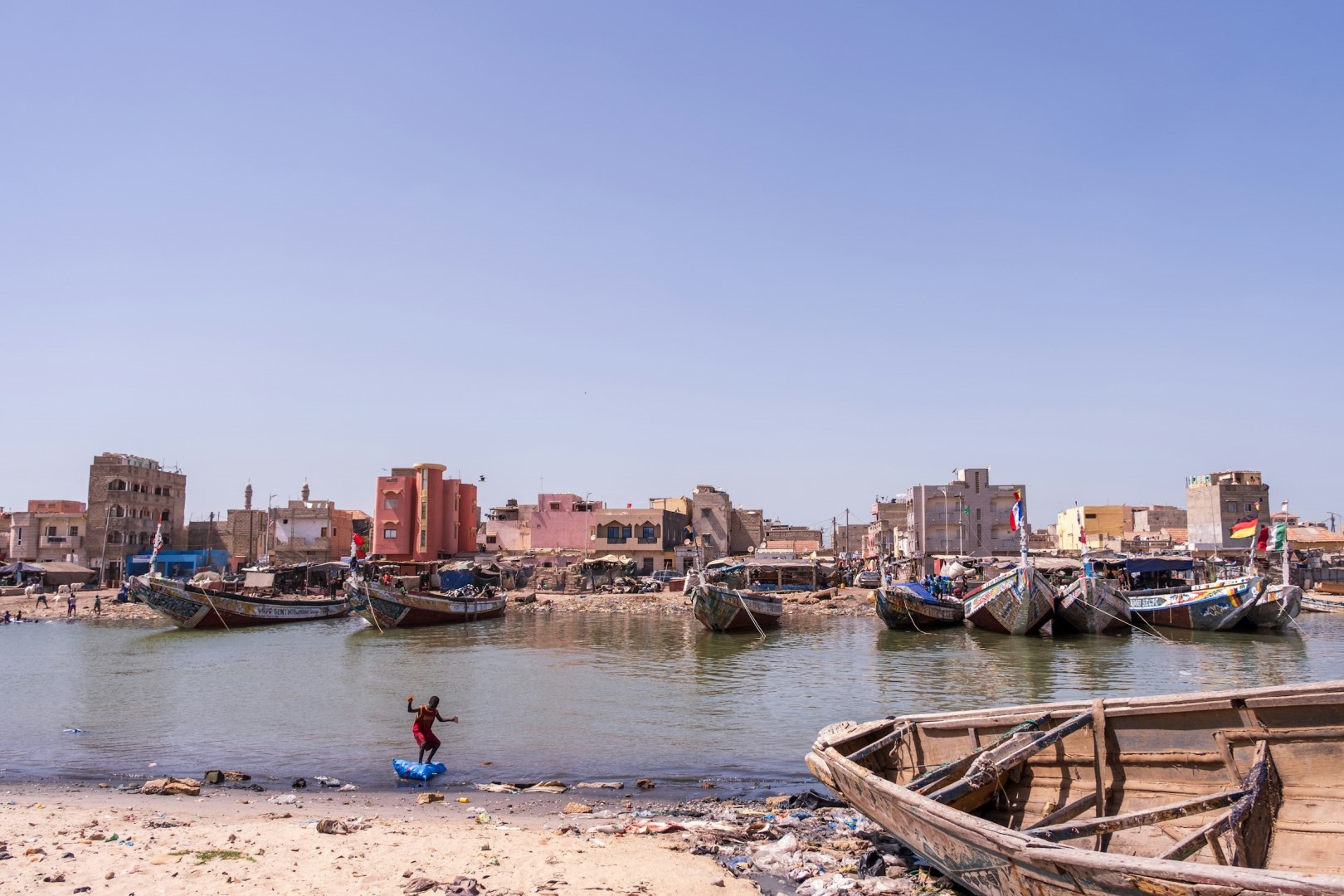
Saint-Louis has played an important role in the cultural and political history of Senegal and West Africa. Its heritage reflects African, European, and Islamic influences, visible in its architecture, crafts, schools, religious institutions, and public spaces. The historic island contains the former Government Palace, Place Faidherbe, and numerous merchant houses. The city is also known for its annual Saint-Louis Jazz Festival, which has helped establish a strong musical identity. Fishing remains important, particularly among communities on the Langue de Barbarie, where colorful wooden boats are a familiar part of the waterfront landscape.
The Faidherbe Bridge is one of Saint-Louis’s best-known landmarks, connecting the historic island with the mainland and forming an important part of the UNESCO-listed landscape. The island itself can be explored through its narrow streets, quays, historic houses, museums, and former administrative buildings. South of the city, the Langue de Barbarie is a narrow coastal strip with sandy beaches, dunes, fishing villages, and wetlands. Farther south and east, the Senegal River Delta and Djoudj National Bird Sanctuary provide habitats for pelicans, flamingos, herons, cormorants, and many migratory birds.
Saint-Louis has a strong seafood tradition linked to its fishing communities, with grilled fish and dishes such as ceebu jën, Senegal’s rice and fish specialty, commonly associated with the region. Local markets also sell vegetables, grains, fruit, spices, and dried fish. The city’s waterfront provides views of fishing boats returning from the Atlantic, while restaurants and cafés occupy many historic streets and buildings. One distinctive feature of Saint-Louis is its relationship with water: the historic island, Senegal River, Atlantic Ocean, and Langue de Barbarie all contribute to a landscape where urban life and aquatic environments remain closely connected.
