


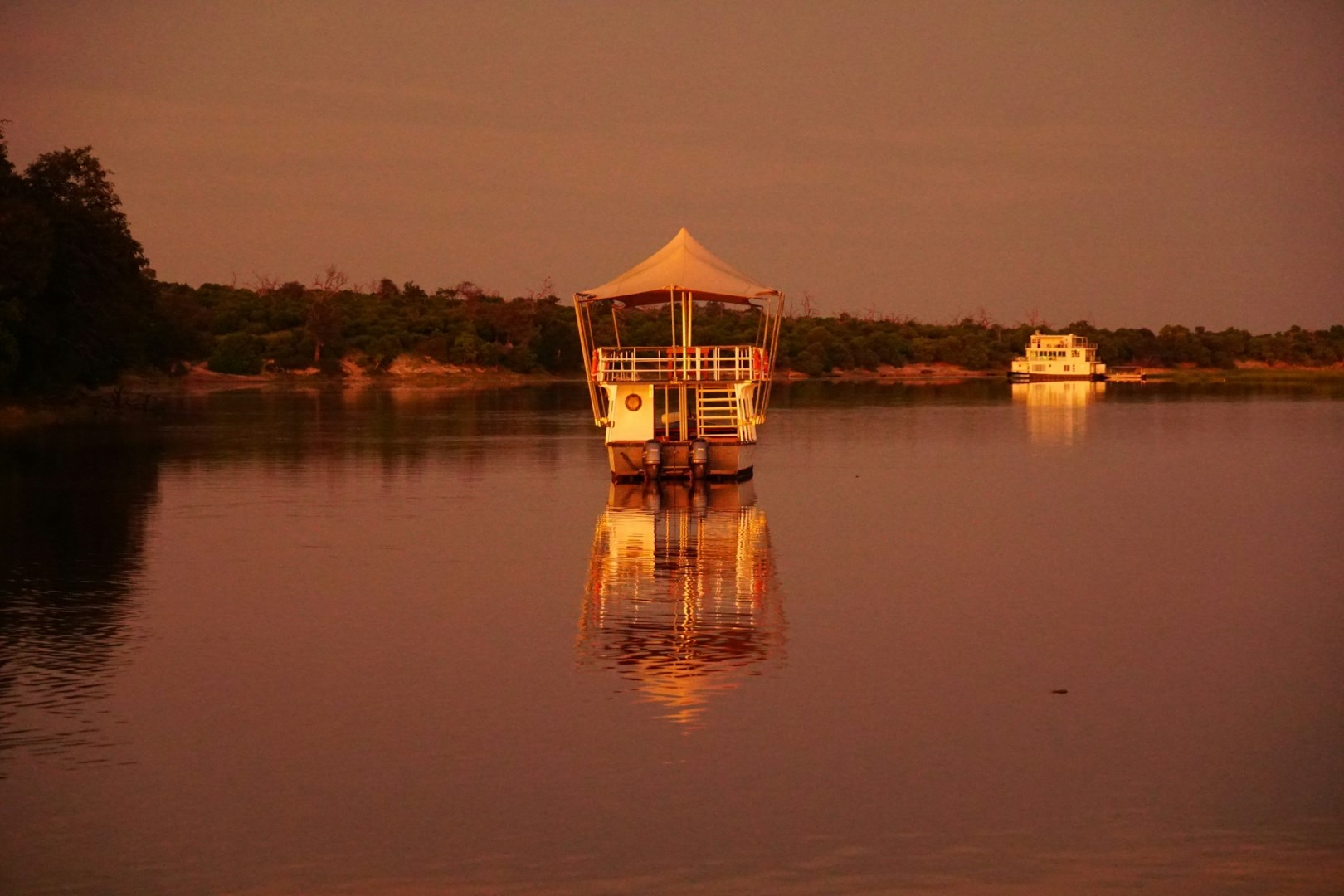
Caprivi, now officially known as the Zambezi Region of Namibia, is a narrow, water-rich area in the country's far northeast, extending between Angola, Zambia, Botswana, and Zimbabwe. Unlike much of Namibia's dry interior, Caprivi contains perennial rivers, floodplains, wetlands, woodland, and riverine forests. The Zambezi, Kwando, Chobe, and nearby river systems shape the region and support a high concentration of wildlife and bird species. Katima Mulilo is the principal town and an important gateway to the area's national parks, community conservancies, rivers, and cross-border travel routes.
The region has a strong cultural identity shaped by communities including the Fwe and Subia, whose traditional livelihoods remain connected to fishing, farming, livestock, gathering, and the rivers. Local crafts include distinctive basket weaving, pottery, woodcarving, and other handmade products. The wider area also has longstanding cultural connections with neighbouring Zambia, Botswana, Angola, and Zimbabwe. Living museums such as the Mafwe Living Museum provide opportunities to learn about traditional practices, while community conservancies demonstrate how local communities participate in managing wildlife and natural resources. These traditions remain closely linked to the region's waterways and seasonal cycles.
Caprivi's main attractions include Bwabwata, Mudumu, and Nkasa Rupara national parks, which protect floodplains, riverine woodland, reed beds, lagoons, and open savanna. The Kwando and Linyanti systems support elephants, buffalo, hippos, crocodiles, lions, leopards, wild dogs, red lechwe, sitatunga, and many other species. More than 430 bird species have been recorded across the region. Boat trips, fishing, canoeing, birdwatching, game drives, and guided walks provide different ways to explore the landscape. Nkasa Rupara is particularly notable for its extensive wetlands, which can resemble a smaller version of an inland delta when water levels are high.
Food in Caprivi reflects the region's rivers and agricultural traditions, with freshwater fish, maize, millet, beans, sweet potatoes, pumpkins, groundnuts, melons, and sugar cane among locally important foods. Fishing remains an important livelihood, and species such as tigerfish and tilapia are found in the rivers and floodplain waters. Basketry is another distinctive local product, with Caprivian women maintaining weaving traditions that produce functional and decorative pieces. The region's unusual geography is perhaps its most notable feature: a narrow Namibian corridor connects the country's northeastern territories to the Zambezi River system while placing wetlands and wildlife habitats within a landscape better known internationally for deserts.
Other Popular Destinations in Botswana


