




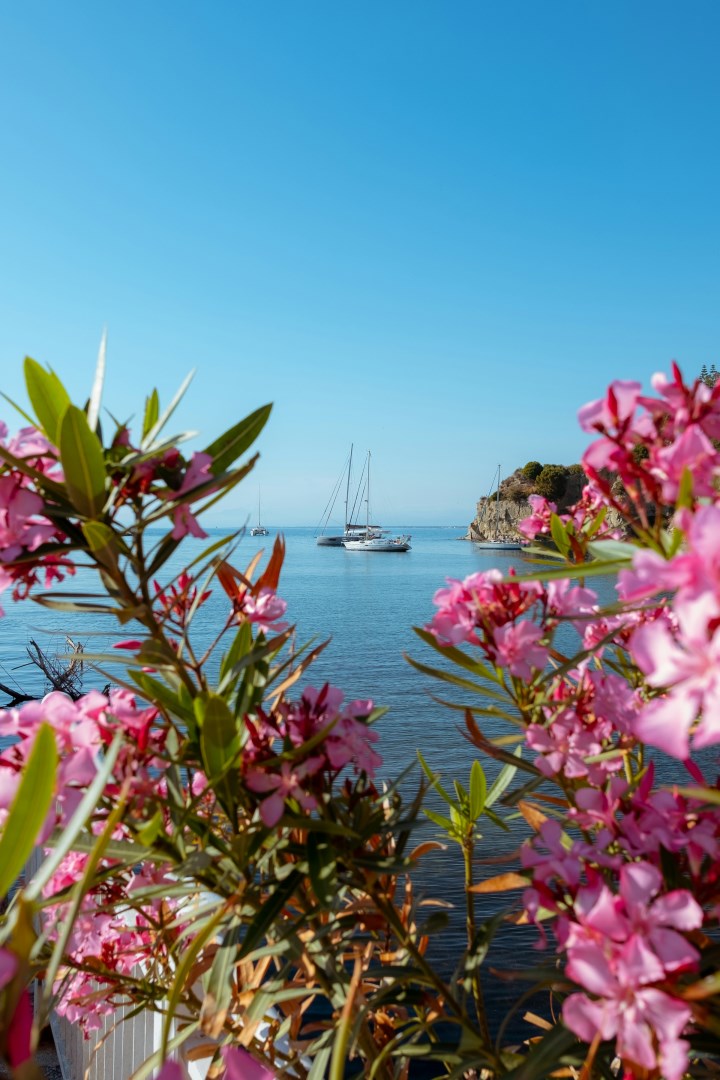





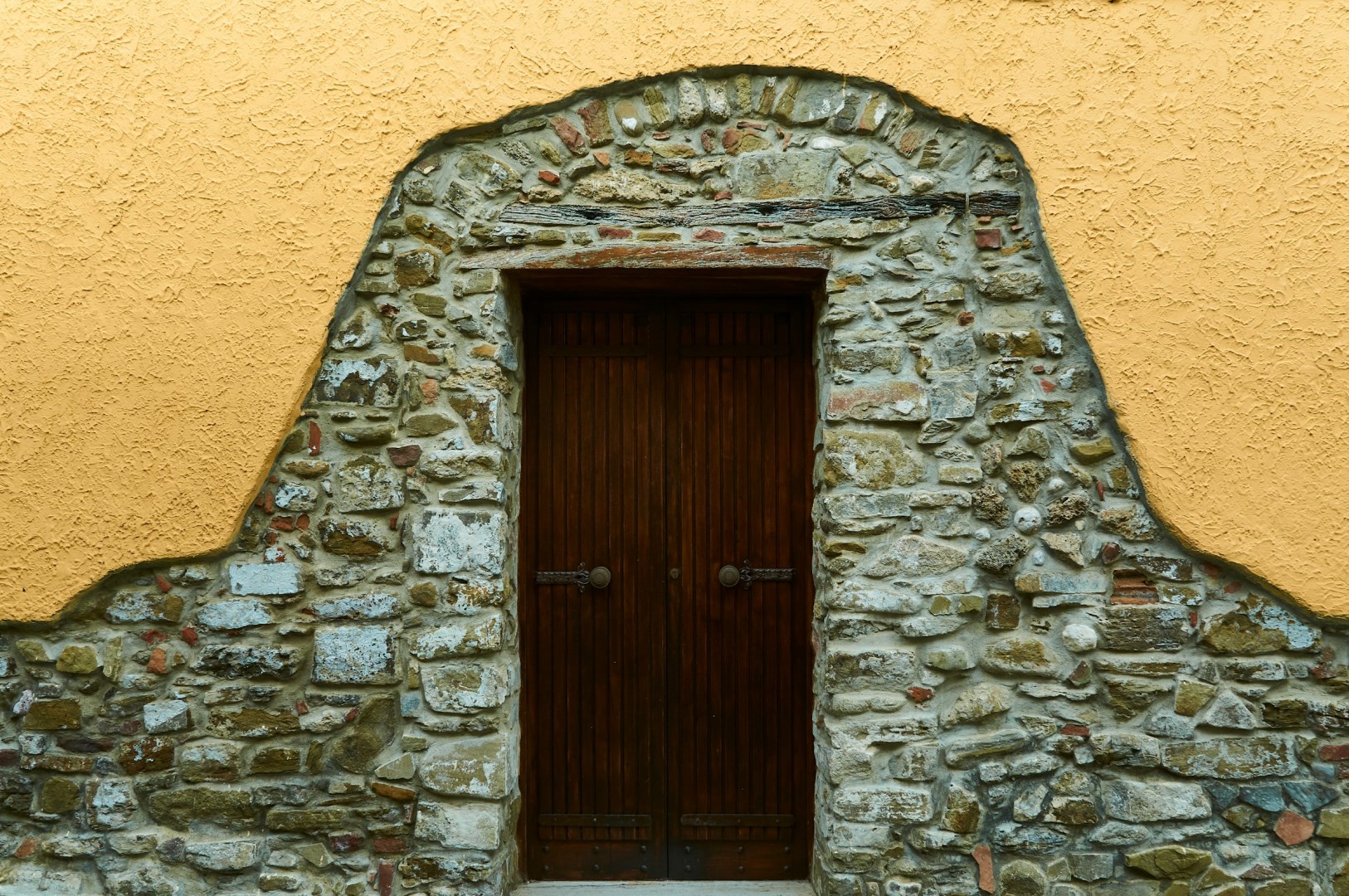

Agropoli is a coastal town in Campania’s Cilento area, built around a rocky promontory overlooking the Tyrrhenian Sea. Its historic center rises above the waterfront and is reached through the Porta di Agropoli, a stone gateway leading into a network of narrow lanes and steps. The town combines a working harbor and beaches with an elevated old quarter, creating a landscape shaped by both maritime activity and hilltop settlement. Agropoli also serves as an access point to the wider Cilento coast, where wooded slopes, rocky headlands, and small seaside communities extend along the shoreline.
Agropoli’s identity reflects the traditions of Cilento, where fishing, farming, and coastal trade have influenced everyday life. The old town preserves elements of its medieval character, including the Church of Saints Peter and Paul and houses arranged along the steep streets of the promontory. At the highest point stands the Angevin-Aragonese Castle, whose position provided views across the coast and surrounding countryside. The town is also associated with local religious traditions, particularly celebrations connected with Saint Peter and Saint Paul. These customs remain part of the community’s cultural calendar and connect the historic center with present-day local life.
The Angevin-Aragonese Castle is Agropoli’s most prominent landmark, occupying the summit of the historic promontory above the sea. Its walls, towers, and inner courtyards can be explored while the elevated position provides broad views over the Gulf of Salerno and the Cilento coastline. Below the old town, the port and Lungomare San Marco form the center of coastal activity, with sandy beaches extending along the shore. The nearby Trentova Bay is known for its clear water, rocky surroundings, and small beach, while the surrounding Cilento landscape includes Mediterranean vegetation and hills reaching inland from the coast.
Agropoli’s food reflects the agricultural and marine traditions of Campania. Fresh fish and seafood feature prominently, while local dishes also use ingredients such as tomatoes, eggplant, olive oil, and Cilento-grown vegetables. The area is closely connected with Cilento extra-virgin olive oil and with the wider culinary tradition that emphasizes simple preparations and locally produced ingredients. Another distinctive detail is the town’s relationship with the sea: the historic settlement was deliberately positioned high above the coast, while the modern harbor and waterfront developed below it. This contrast allows Agropoli to retain a strong visual link between its historic hill and maritime setting.
Other Popular Destinations in Italy