
East and Southeast Asia | Indonesia | Amed
Amed is a coastal area in eastern Bali, Indonesia, stretching along the northeastern side of Karangasem Regency. The area consists of a series of small fishing villages and bays, including Amed, Jemeluk, Bunutan, and Lipah. Its landscape combines black volcanic beaches, dry hills, rice terraces, coconut palms, and views toward the Bali Sea. Mount Agung, Bali's highest volcano, rises inland and forms a prominent backdrop. Amed remains closely connected to traditional salt farming and fishing, while diving, snorkeling, and small-scale coastal tourism have become important parts of the local economy.
Balinese Hindu traditions remain central to life in Amed, with temples, shrines, ceremonies, and community gatherings forming part of the local landscape. Fishing communities continue to use traditional outrigger boats, known as jukung, which can often be seen along the beaches. Salt making is another longstanding local practice, with seawater traditionally collected and evaporated to produce coarse sea salt. The villages around Amed are organized through the wider Balinese system of community cooperation, in which residents work together for religious ceremonies, village activities, and shared responsibilities. These traditions remain visible alongside the area's growing tourism industry.
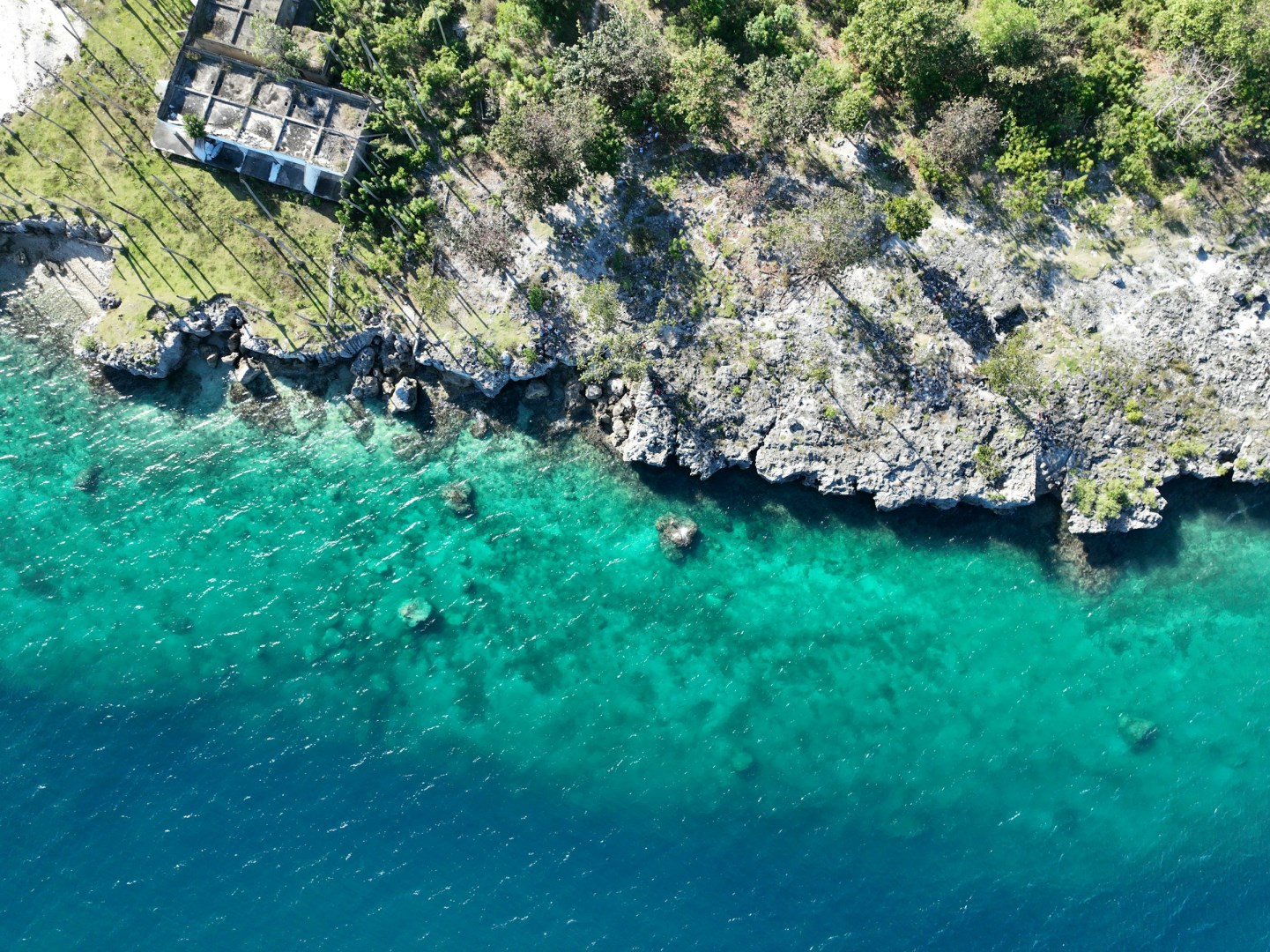
Amed is particularly known for its underwater environment, with coral reefs and rocky coastal areas accessible close to shore. Jemeluk Bay is a popular snorkeling and diving location, while the Japanese Shipwreck near Banyuning provides another well-known dive site. The USAT Liberty shipwreck at nearby Tulamben is also within reach for divers and is surrounded by coral and marine life. On land, beaches such as Lipah and Amed's black-sand coves provide views of the Bali Sea and Mount Agung. The surrounding hills and dry coastal terrain create a landscape that differs from Bali's wetter southern districts.
Seafood is common in Amed, reflecting the area's fishing traditions, while Balinese dishes such as nasi campur, satay, grilled fish, and lawar are widely available. Local salt is one of Amed's distinctive products and is traditionally produced using seawater, sand, coconut trunks, and solar evaporation. The black beaches are formed from volcanic material associated with Bali's volcanic landscape, giving the coastline its characteristic dark color. Traditional jukung boats, salt farms, Hindu temples, coral reefs, and nearby dive sites together give Amed a strong connection between coastal livelihoods, Balinese culture, and the marine environment.
Other Popular Destinations in Indonesia