



South Pacific | New Caledonia | Amédée Islet
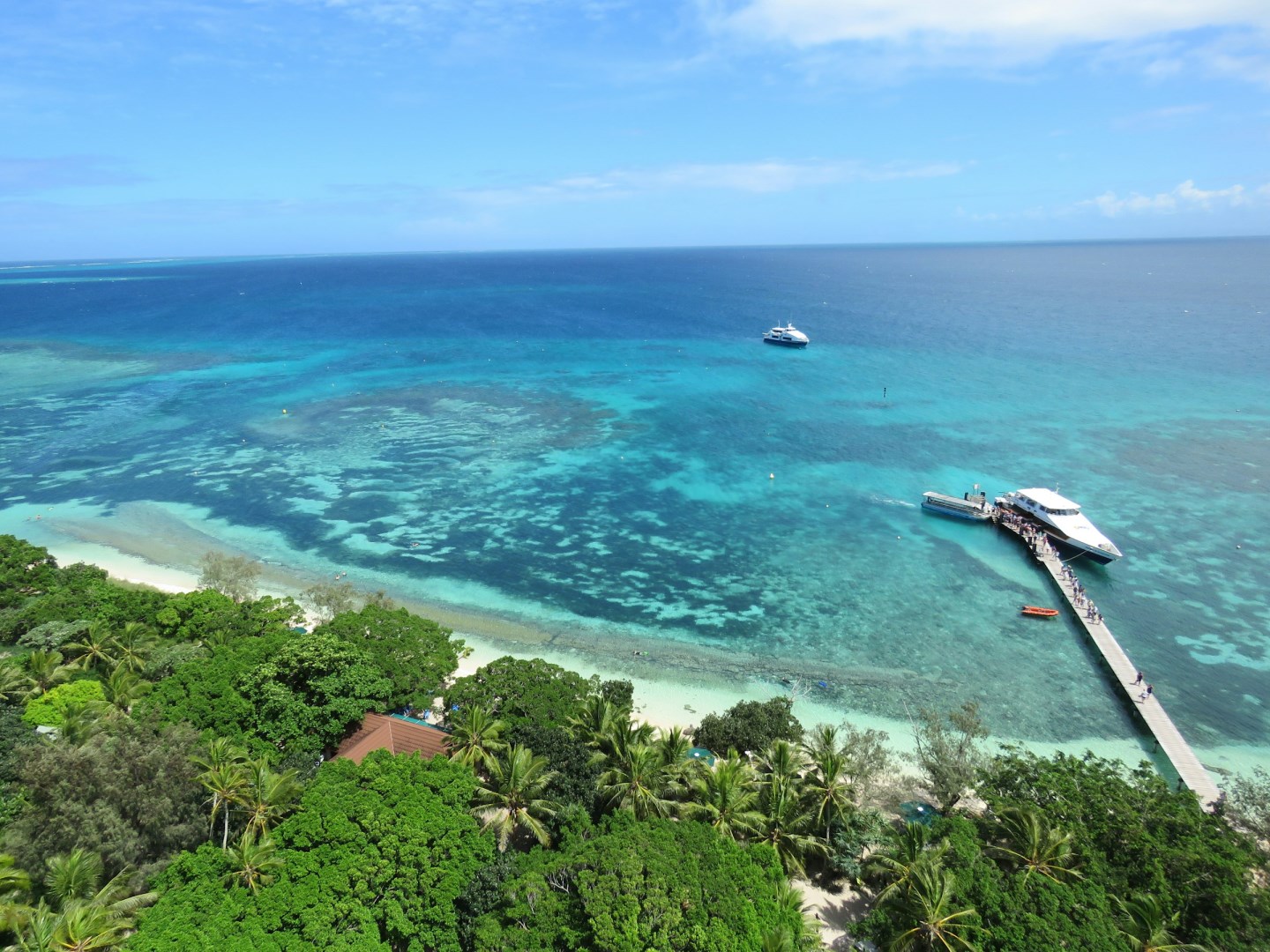
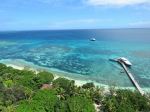
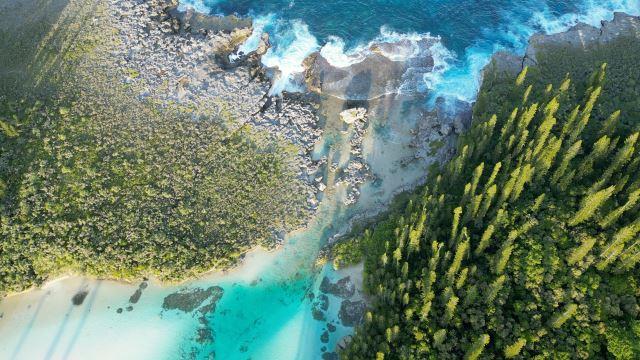
Amédée Islet, known locally as Îlot Amédée, is a small coral islet in the lagoon off the southern coast of New Caledonia. It lies within the New Caledonian Lagoon, a UNESCO World Heritage site recognized for its extensive reef systems and marine habitats. The islet is surrounded by shallow turquoise waters, coral reefs, and sandy beaches, while low vegetation covers much of its interior. Its most recognizable landmark is the Amédée Lighthouse, a tall metal tower that has become one of the best-known coastal structures in the Nouméa area.
Amédée Islet has a strong connection to New Caledonia’s maritime history through its lighthouse, which was constructed in France and assembled on the islet. The lighthouse was designed to guide ships through the reefs surrounding the southern lagoon and remains an important part of the island’s identity. Today, the site is associated with excursions from Nouméa and with traditional Kanak and wider Melanesian cultural elements presented through local music and dance. Visitors may encounter performances featuring drums, singing, and Polynesian or Melanesian-inspired dances during organized island outings.
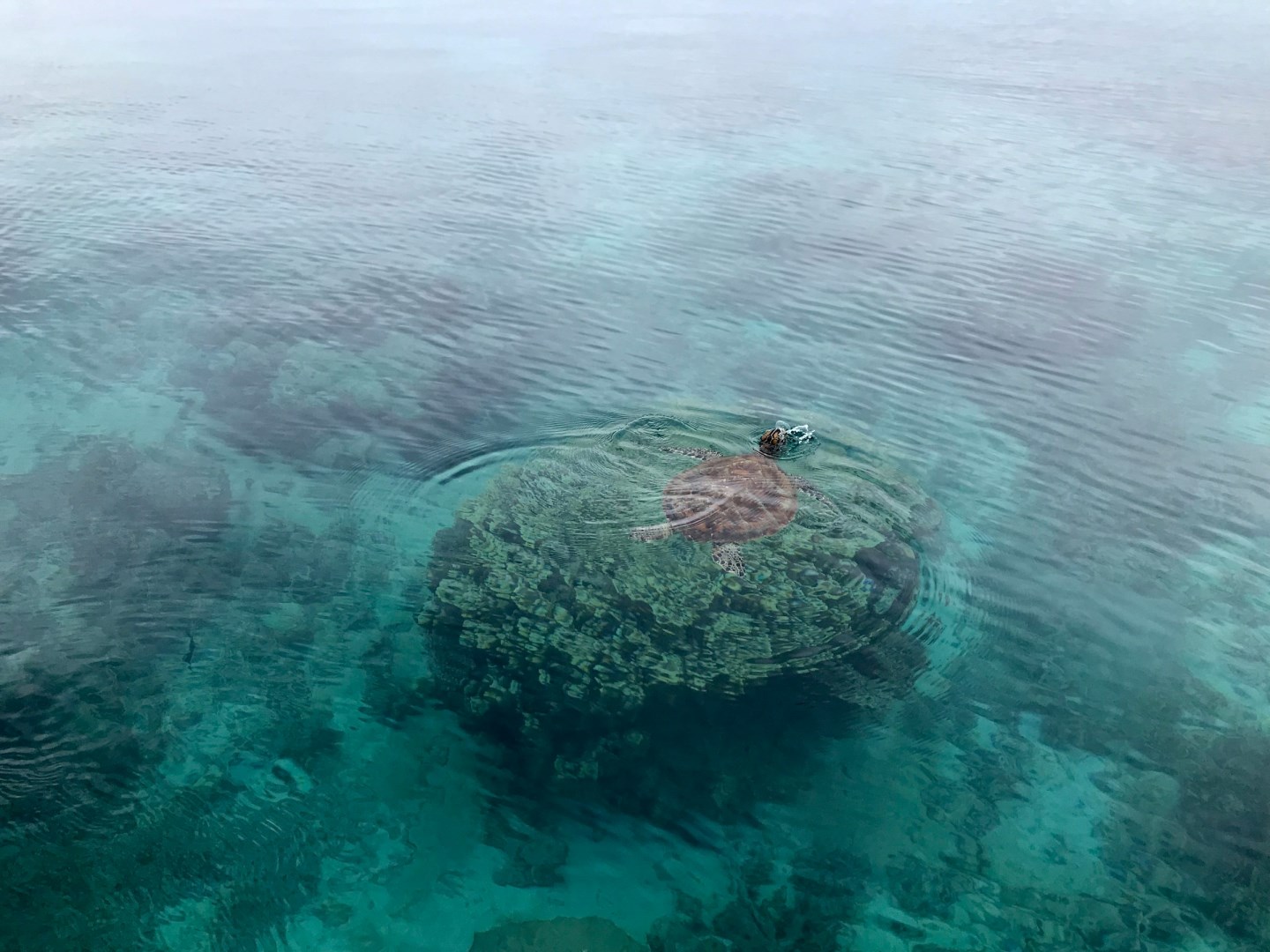
The Amédée Lighthouse dominates the islet and can be climbed by a long internal staircase to reach its viewing platform. From the top, the surrounding lagoon, barrier reef, and neighboring islands are visible across a broad coastal panorama. The waters around the islet are used for snorkeling, glass-bottom boat trips, and other marine activities, with coral formations and tropical fish found in the lagoon. Sea turtles are also associated with the surrounding waters. Because Amédée Islet is small and exposed, much of the experience centers on its beaches, lighthouse, reef, and marine environment rather than extensive inland exploration.
Food served on organized day trips commonly reflects New Caledonia’s mixture of French, Melanesian, and Pacific influences, with seafood, grilled meats, tropical fruit, and French-style dishes appearing on excursion menus. Coconut and locally sourced seafood are familiar ingredients in the wider New Caledonian cuisine. A distinctive detail of the islet is the lighthouse itself: its prefabricated iron structure was produced in France and transported to New Caledonia before being assembled on site. Its unusual history and isolated position make the lighthouse an especially recognizable feature of the southern lagoon landscape.
Other Popular Destinations in New Caledonia