Central America | Belize | Belize Barrier Reef
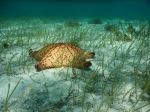
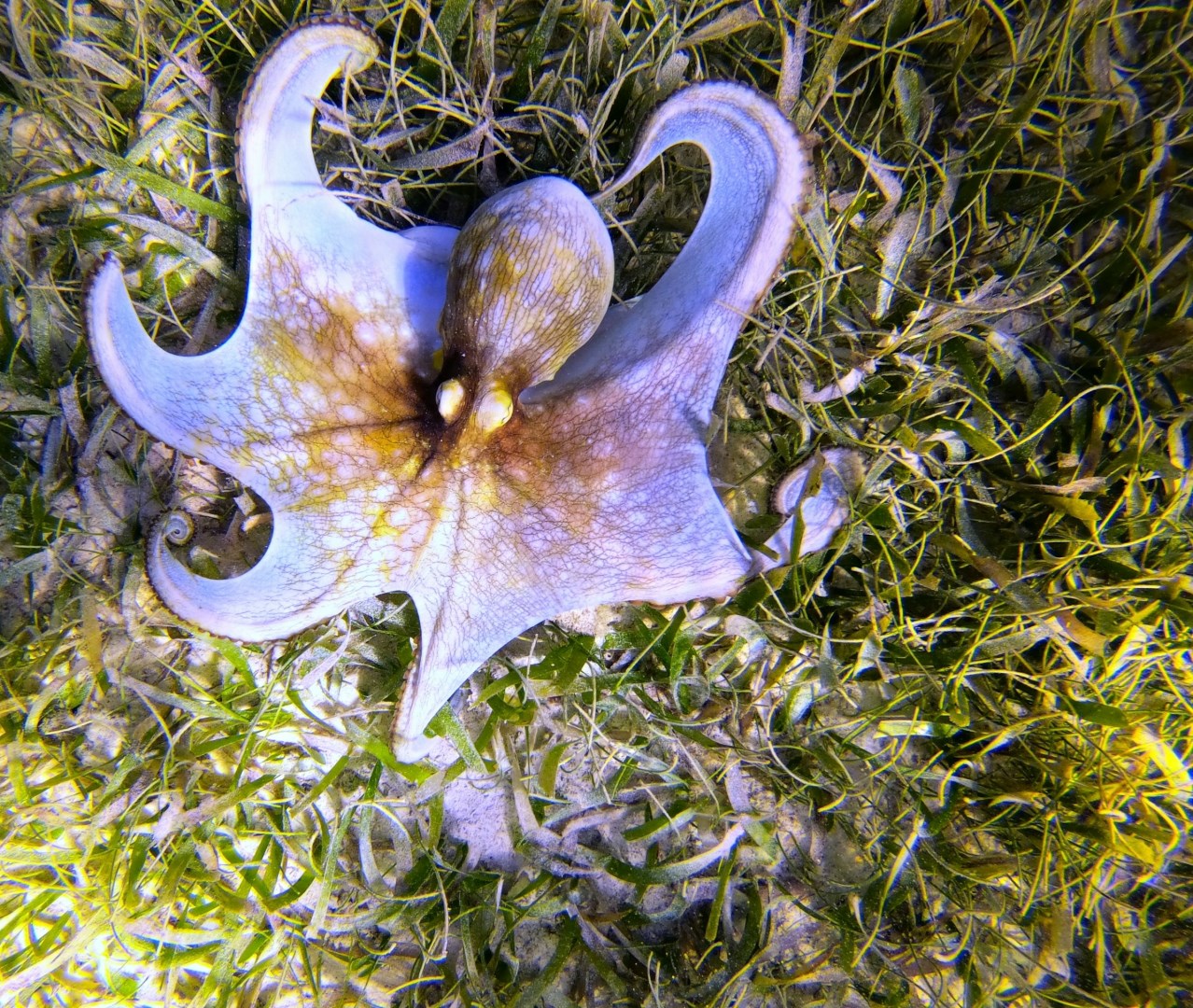
The Belize Barrier Reef is a long coral reef system along the Caribbean coast of Belize, forming part of the larger Mesoamerican Barrier Reef System. It extends for much of the country’s coastline and includes hundreds of cayes, mangrove islands, lagoons, seagrass beds, and offshore reef formations. The reef lies close to several coastal communities, including San Pedro, Placencia, and Dangriga, providing an important setting for fishing, tourism, and marine research. Its protected areas include a network of reserves that safeguard coral reefs, mangroves, seagrass, and associated marine habitats.
The reef is closely connected with the maritime traditions of Belize’s coastal communities. Maya, Garifuna, Creole, Mestizo, and other cultural groups have contributed to the country’s diverse coastal identity, with fishing remaining an important livelihood in many communities. Traditional fishing knowledge includes familiarity with reefs, tides, seasons, and marine species. The Garifuna communities along the southern coast are particularly associated with fishing, drumming, dance, and cassava-based foods. Marine conservation has also become an important part of local life, with community organizations, fishers, scientists, and protected-area managers working to maintain reef habitats and fisheries.
The Belize Barrier Reef contains an extensive variety of marine environments, including fringing reefs, patch reefs, atolls, mangroves, seagrass meadows, and deep-water channels. The Great Blue Hole, Lighthouse Reef Atoll, Turneffe Atoll, and Glovers Reef are among its best-known sites. Snorkeling and diving provide access to coral formations, reef fish, rays, sea turtles, sharks, and other marine species. Hol Chan Marine Reserve and Shark Ray Alley near Ambergris Caye are also notable protected areas. The reef system is part of the Belize Barrier Reef Reserve System, which UNESCO recognizes as a World Heritage Site.
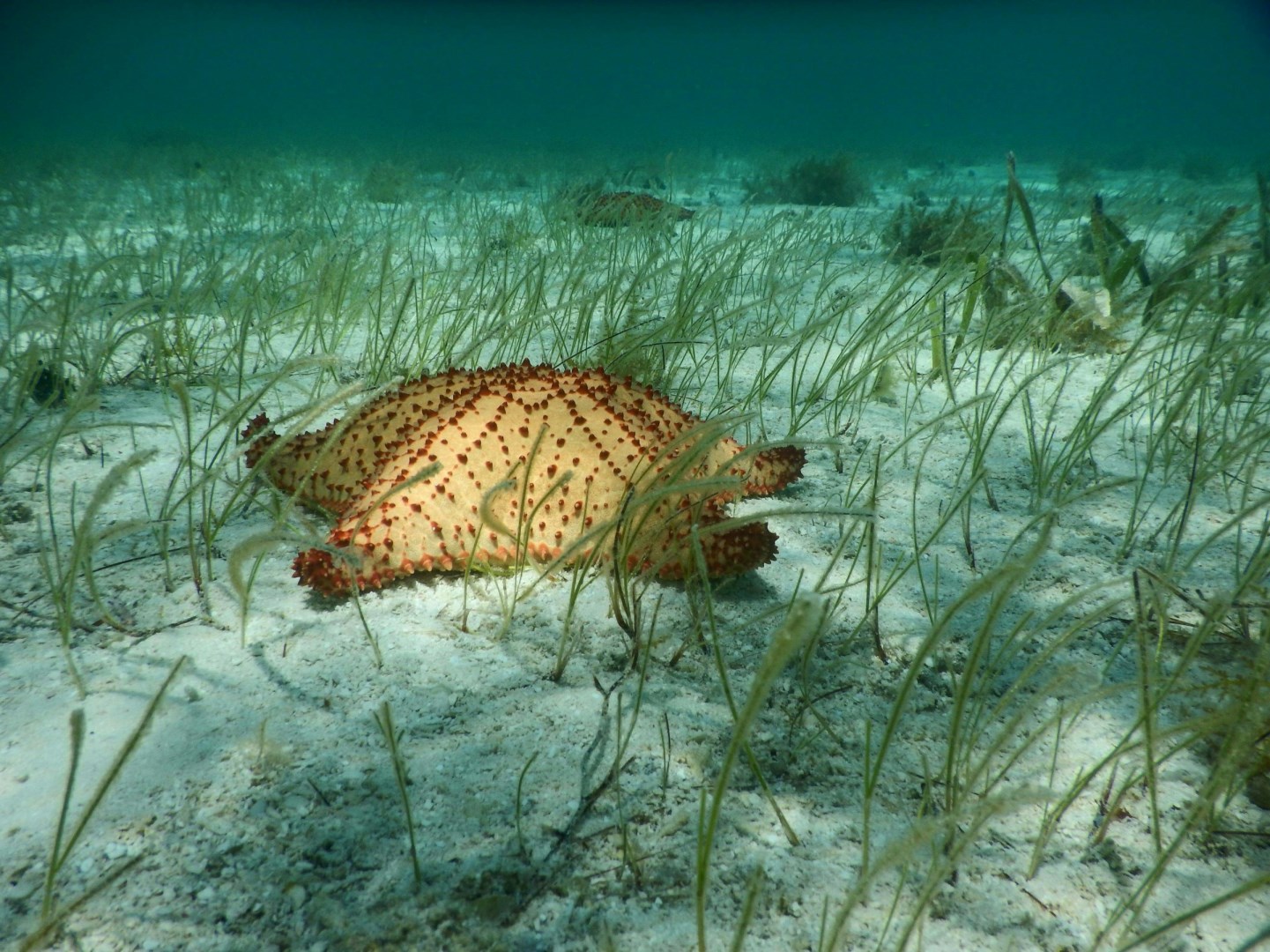
Seafood is an important part of Belizean coastal cuisine, with conch, lobster, snapper, grouper, and other fish commonly prepared in restaurants and local communities. Rice and beans, coconut, plantains, cassava, and corn also feature prominently in Belizean cooking. Lobster season and local fishing traditions are particularly significant in coastal areas, although regulations help manage marine resources. A distinctive feature of the Belize Barrier Reef is its close relationship between coral reefs, mangrove forests, and seagrass beds: these habitats function together as feeding, nursery, and shelter areas for marine species while also supporting fishing, tourism, and coastal communities throughout Belize.
Other Popular Destinations in Belize