


Central Asia | Sri Lanka | Bentota
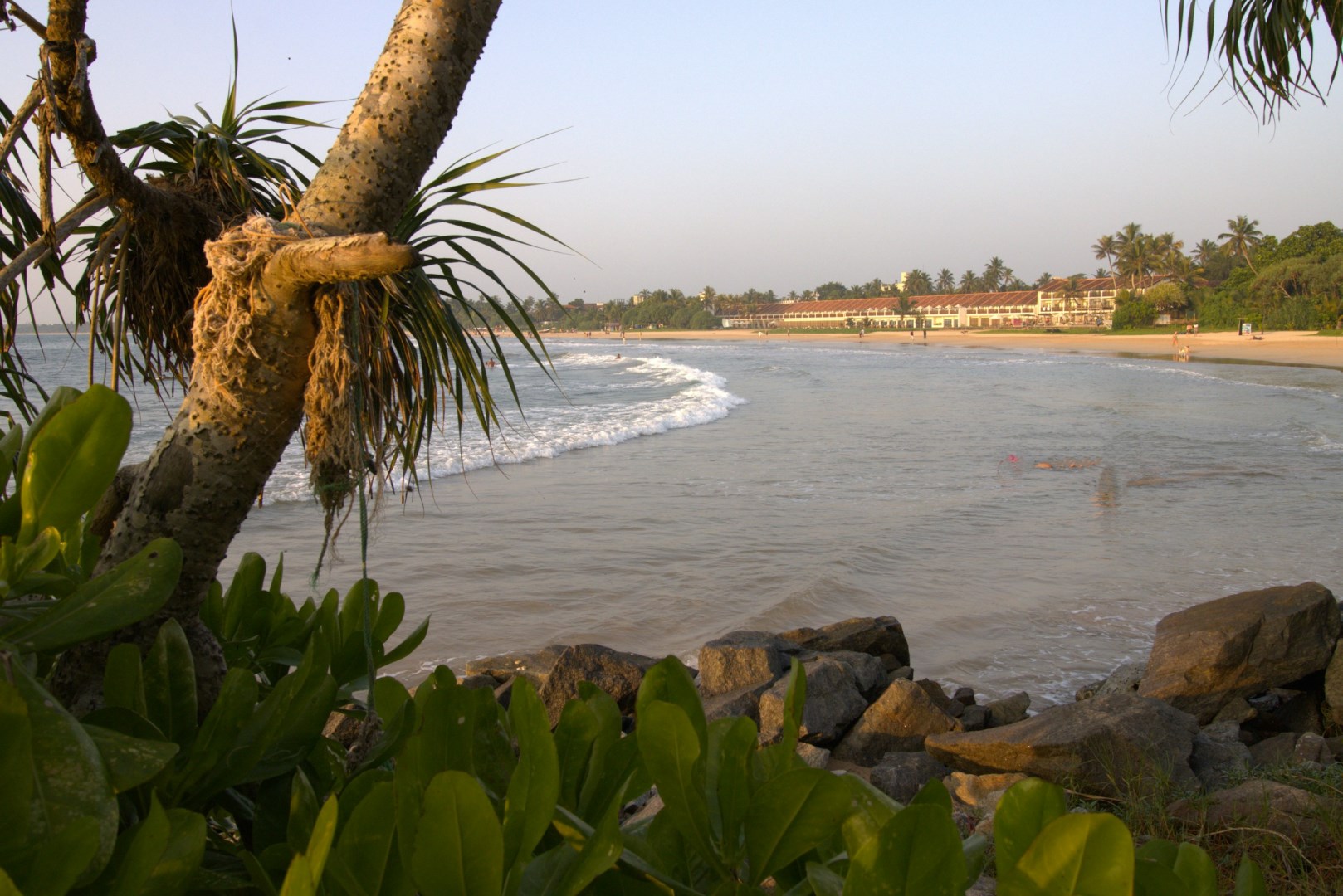
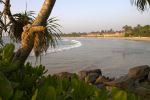
Bentota is a coastal town in Sri Lanka’s Southern Province, positioned where the Bentara River meets the Indian Ocean. Its landscape is shaped by a broad sandy beach, the river’s waterways, and tropical vegetation, creating a setting where inland and coastal environments meet. Bentota is particularly associated with water-based recreation, including swimming, river excursions, fishing, windsurfing, waterskiing, snorkeling, and diving. The town is also known for Ayurveda, with wellness treatments forming part of its long-established tourism identity.
Bentota’s cultural landscape includes Buddhist temples and traditions found throughout the surrounding communities. Nearby Kande Viharaya, located in Aluthgama, is one of the area’s notable religious sites and stands on a hill overlooking the surrounding lowlands. The temple complex contains a large seated Buddha statue, a stupa, shrine buildings, murals, and a Bodhi tree. Bentota is also associated with traditional toddy production, in which coconut flower sap is collected and fermented. This practice reflects the continuing importance of coconut cultivation and related rural skills along Sri Lanka’s southwest coast.
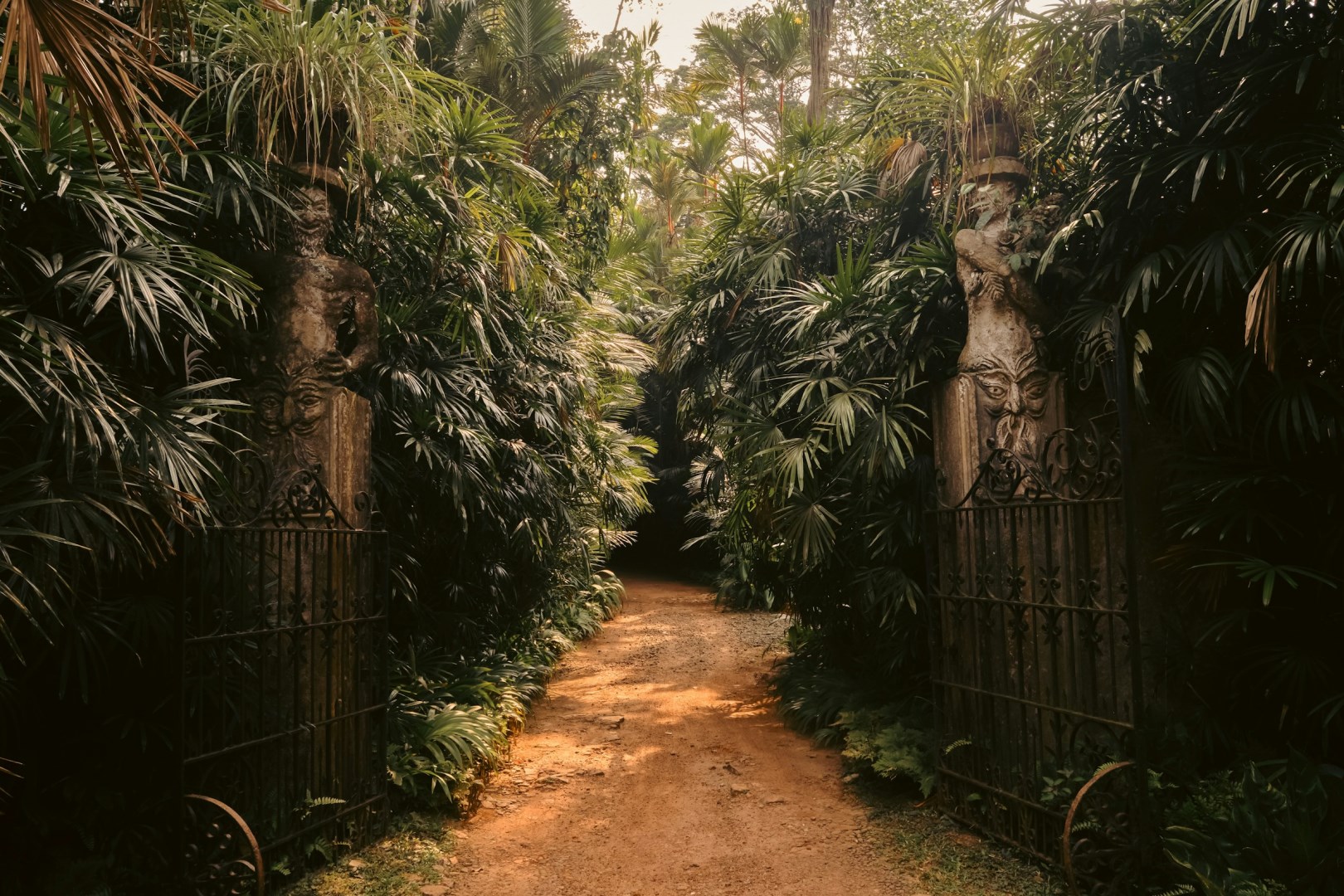
The Bentara River is one of Bentota’s defining natural features, with small islets and wetland vegetation creating habitats for birds and other wildlife. River boat trips provide access to quieter waterways and mangrove-lined areas, offering a contrast to the open beach. The nearby Lunuganga Estate is another significant attraction, developed by renowned Sri Lankan architect Geoffrey Bawa as a garden and country retreat. Its carefully arranged terraces, water features, sculptures, and views across the surrounding landscape demonstrate Bawa’s distinctive approach to blending architecture with tropical gardens.
Food in Bentota reflects the cooking of Sri Lanka’s southwestern coast, with seafood, rice, coconut, vegetables, and spices forming the basis of many local meals. Fresh fish and prawns are common along the coast, while traditional dishes such as rice and curry, hoppers, and coconut-based sambols provide a taste of regional cooking. The area’s connection with coconut extends beyond food, from toddy and coconut products to traditional crafts. Bentota’s most distinctive feature is its geography: a single destination brings together a long ocean beach, a river and lagoon environment, tropical gardens, and nearby religious sites.
Other Popular Destinations in Sri Lanka


