Savonlinna, Finland, is a captivating destination nestled in the heart of the Finnish Lakeland region, renowned for its breathtaking natural beauty and rich cultural heritage. The city’s star attraction is Olavinlinna Castle, a medieval fortress built in 1475, which remains one of the best-preserved castles in Northern Europe.
Travel to Johannesburg, the cosmopolitan city at the heart of South Africa, and find some of the country’s most iconic landmarks. Replete with cultural excursions, historical sites, and superb restaurants, Johannesburg has plenty to explore.
Situated on the eastern edge of Cape Breton Island, Sydney in Nova Scotia welcomes visitors with a strong connection to the sea and a deep-rooted cultural identity. The city’s waterfront is a natural gathering place, where boardwalks stretch along the harbor and offer views of fishing boats, cruise ships, and open water. One of its most recognizable landmarks is the world’s largest fiddle, a towering tribute to the region’s musical traditions.
If it wasn't for Paris, Ghent would be medieval Europe's largest city. Steeped in history both rebellious and industrious, it sits at the junction of the Leie and Scheldt rivers and was once the site of armed battles by its townsfolk, who raged against heavy taxes and restricted civil liberties.
Set at the meeting point of Brazil and Argentina, Foz do Iguaçu is defined by the sheer scale of the Iguaçu Falls. Nearly 275 individual waterfalls stretch across close to three kilometers, sending mist into the air and sound echoing through the surrounding forest. Visitors follow raised walkways that bring them face to face with this moving wall of water, culminating at the dramatic Devil’s Throat, a deep, curved drop where the river seems to vanish into the earth.
In common with so many ancient Welsh towns, Llangollen takes its name from its founding Saint; Collen, a seventh century saint, who chose this place to build his hermitage or cell in the custom of the times, with tiny church, hospice and outhouses all enclosed within a wall.
Photo Credit: Photo by Lochlainn Riordan on Unsplash
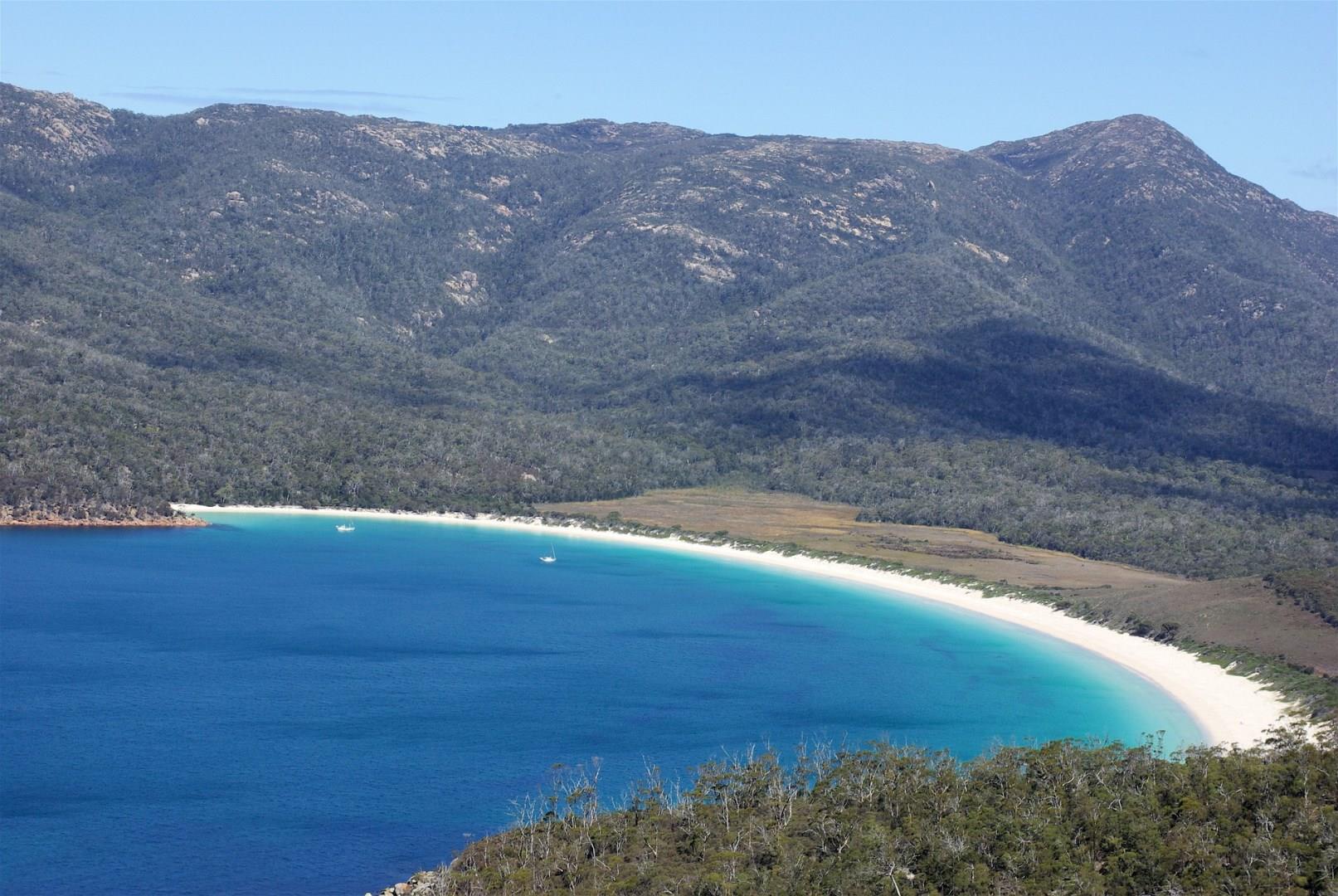
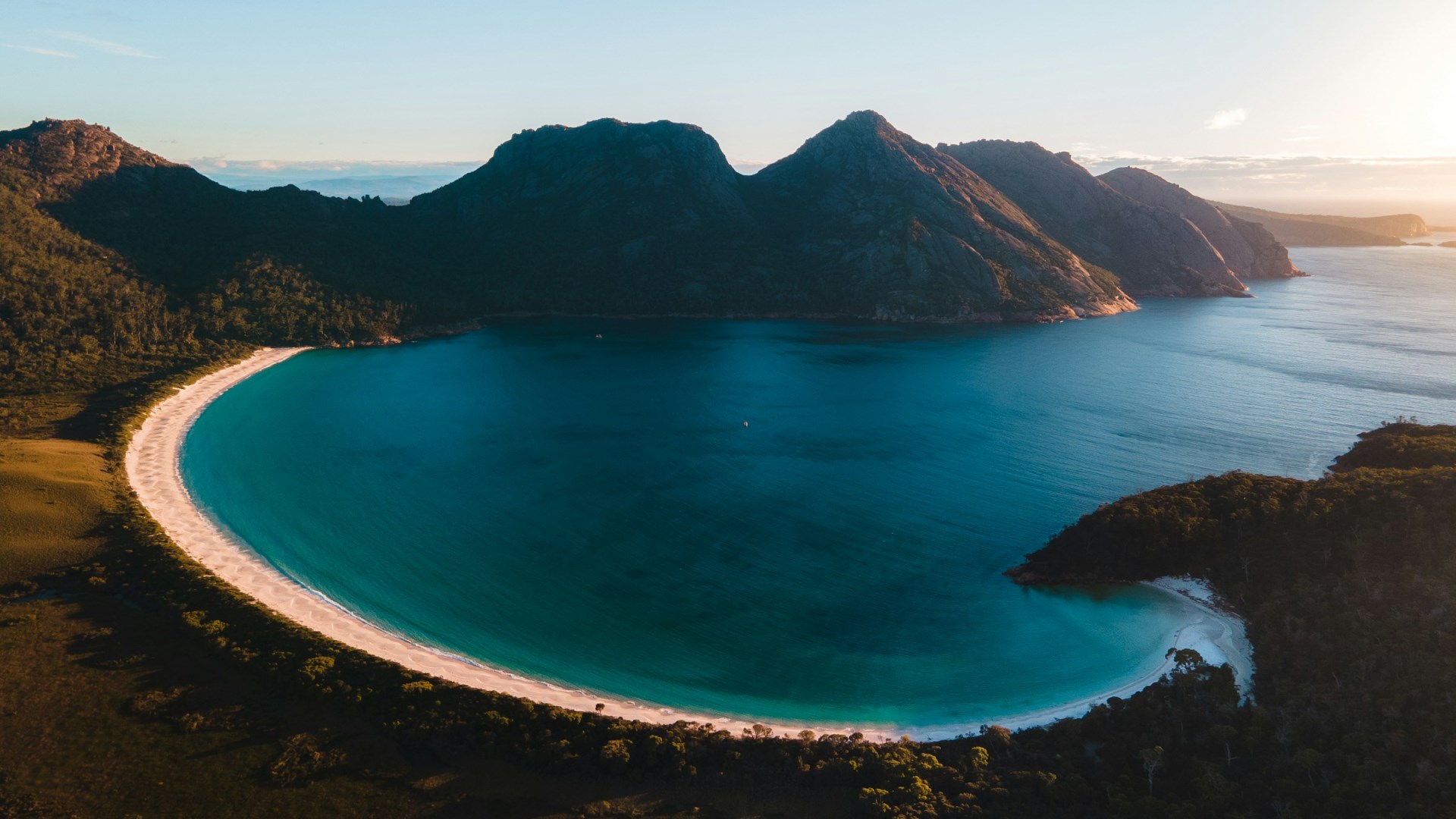
Nestled within Freycinet National Park on Tasmania's stunning east coast, Wineglass Bay is a destination that calls out to nature lovers and adventure seekers alike. Famous for its perfect crescent of powdery white sand lapped by sapphire-blue waters, this bay is consistently listed among the world's top beaches. Whether viewed from the Wineglass Bay Lookout or experienced up close with a swim or a kayak adventure, the beauty of this natural wonder is simply breathtaking. Hiking to the lookout is a rewarding experience, taking you through native bushland filled with eucalyptus trees and leading to a panoramic vista that captures the bay’s unique shape, which has given it its evocative name.
Wineglass Bay is also a gateway to a variety of outdoor experiences. The Hazards Beach Circuit provides a picturesque 11-kilometer loop walk that combines the pristine beaches of Wineglass Bay and Hazards Beach, traversing the jagged pink granite mountains known as The Hazards. For those who prefer a marine perspective, sea kayaking tours allow paddlers to glide alongside playful dolphins and spot seals and sea eagles in their natural habitat. The crystal-clear waters are also perfect for snorkeling and scuba diving, revealing vibrant marine life and hidden coves.
The surrounding Freycinet National Park offers ample opportunities for exploration beyond Wineglass Bay. The park is home to diverse wildlife, including Bennett's wallabies, wombats, and a variety of bird species that can often be seen on the walking trails. The area is steeped in history, with the Indigenous Paredarerme people having a long-standing connection to this land. Guided walks with local Aboriginal guides provide an enriching way to learn about the cultural significance of the park and its natural features, deepening the visitor experience.