

Matobo National Park sits in the rolling hills of southern Zimbabwe stands as one of the country’s most remarkable landscapes. Its granite domes, balancing rocks and wooded valleys have formed over more than two billion years, creating a setting that feels both ancient and alive. As a UNESCO World Heritage cultural site, the park preserves a landscape that has shaped human life here for millennia, drawing travelers to explore its unusual terrain and storied past.
Suchitoto, located in the Cuscatlán department of El Salvador, is a hilltop town known for its cobblestone streets and scenic views of Lake Suchitlán. Once an important center for indigo production, the town still celebrates its dye-making history through artisan workshops where visitors can learn to create textiles using natural indigo. The name “Suchitoto” comes from the Nahuatl language and means “place of flowers and birds,” a nod to the area’s diverse birdlife and surrounding vegetation.
Acajutla is the principal Pacific port of El Salvador, located in the department of Sonsonate along the country’s western coastline. The city plays an important role in trade and transportation, with cargo ships, fishing boats, and industrial facilities shaping much of the waterfront activity.
Travelers on the Arabian Sea often find themselves in Muscat, on the Gulf of Oman. This port capital is situated between ocean and mountains, and boasts lovely beaches, great diving sites (watch for turtles!), 16th-century forts, and the impressive Sultan Qaboos Grand Mosque, which can hold 20,000 people.
Santa Maria is a city on California’s Central Coast, located between San Luis Obispo and Santa Barbara. The area is known for its agricultural industry, coastal access, and long connection to ranching culture.
Pennsylvania offers more than just a glimpse into American history, it invites travelers to walk through it. In Philadelphia, the Liberty Bell still draws visitors from around the world, while Independence Hall, a UNESCO World Heritage Site, is where both the Declaration of Independence and the U.S. Constitution were debated and signed. Just a short walk away, modern museums like the National Constitution Center offer hands-on exhibits that connect the past to today’s civic questions.
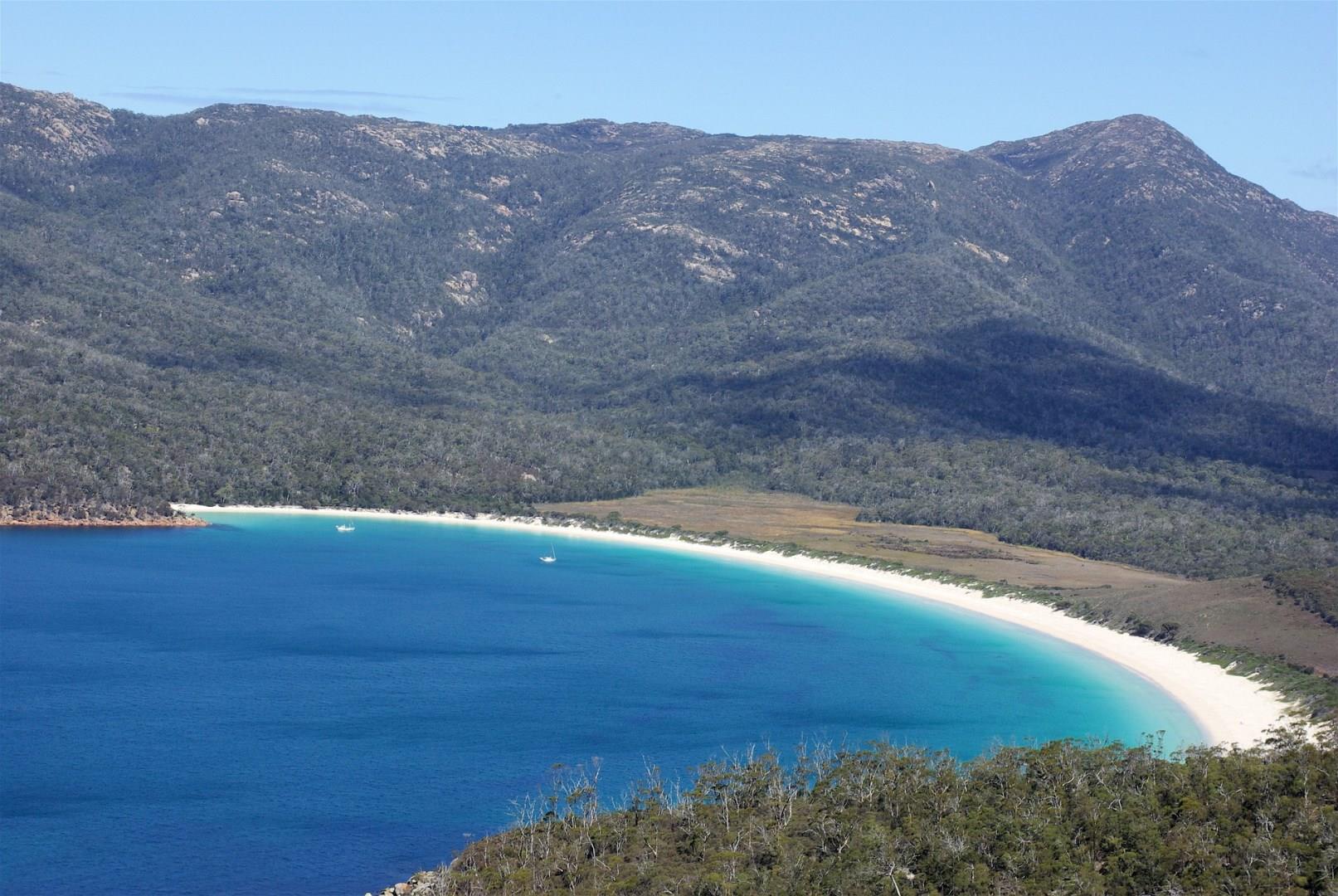
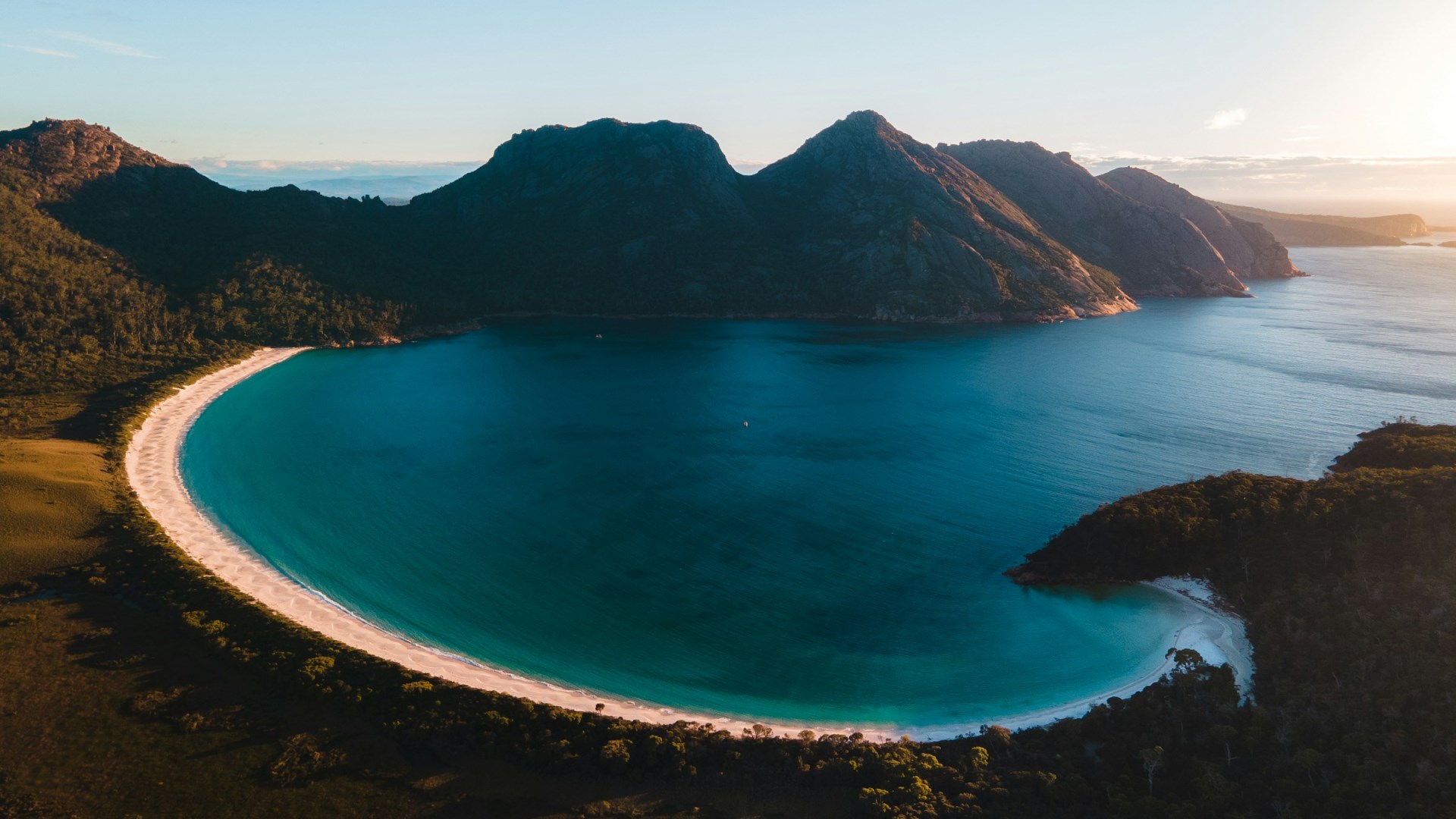
Nestled within Freycinet National Park on Tasmania's stunning east coast, Wineglass Bay is a destination that calls out to nature lovers and adventure seekers alike. Famous for its perfect crescent of powdery white sand lapped by sapphire-blue waters, this bay is consistently listed among the world's top beaches. Whether viewed from the Wineglass Bay Lookout or experienced up close with a swim or a kayak adventure, the beauty of this natural wonder is simply breathtaking. Hiking to the lookout is a rewarding experience, taking you through native bushland filled with eucalyptus trees and leading to a panoramic vista that captures the bay’s unique shape, which has given it its evocative name.
Wineglass Bay is also a gateway to a variety of outdoor experiences. The Hazards Beach Circuit provides a picturesque 11-kilometer loop walk that combines the pristine beaches of Wineglass Bay and Hazards Beach, traversing the jagged pink granite mountains known as The Hazards. For those who prefer a marine perspective, sea kayaking tours allow paddlers to glide alongside playful dolphins and spot seals and sea eagles in their natural habitat. The crystal-clear waters are also perfect for snorkeling and scuba diving, revealing vibrant marine life and hidden coves.
The surrounding Freycinet National Park offers ample opportunities for exploration beyond Wineglass Bay. The park is home to diverse wildlife, including Bennett's wallabies, wombats, and a variety of bird species that can often be seen on the walking trails. The area is steeped in history, with the Indigenous Paredarerme people having a long-standing connection to this land. Guided walks with local Aboriginal guides provide an enriching way to learn about the cultural significance of the park and its natural features, deepening the visitor experience.