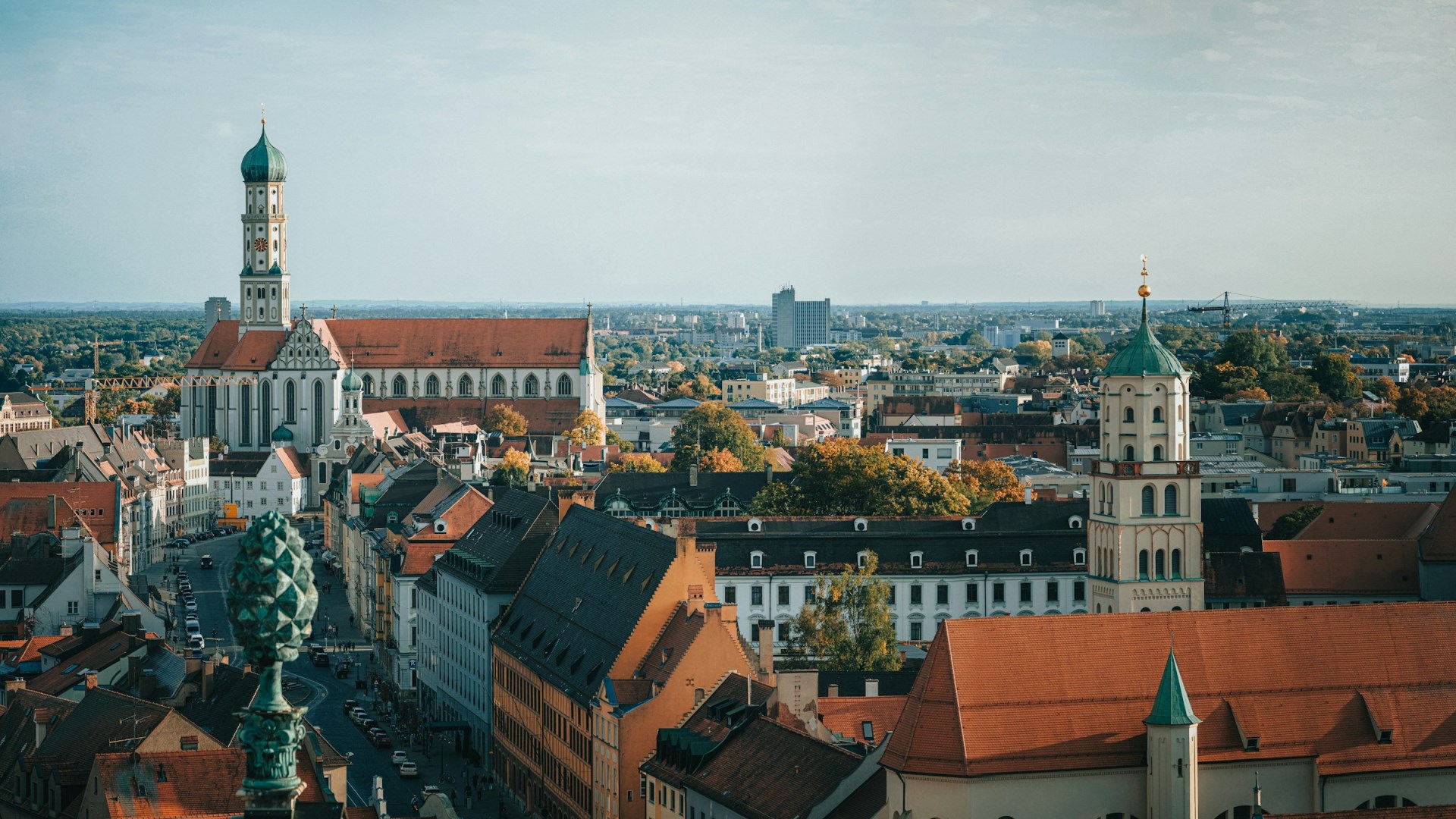


Augsburg was founded in 15 BC under the rule of the Roman emperor Augustus. For 400 years the city was the seat of a provincial government of the Roman empire. Its ideal location made it a crossroad of all important routes to the south. An advantage from which the powerful merchants and bankers, the Fugger family and the seafaring Welsers, likewise profited. They elevated Augsburg to rank among the world's most powerful cities. Kings and emperors were frequent guests here.
Porto Santo Stefano features two main ports which serve as gateways to the nearby Tuscan Archipelago. Visitors can enjoy the crystal-clear waters and pristine beaches, perfect for swimming and snorkeling.
Lifou Island, the most populous of the Loyalty Islands in New Caledonia, is a flat, former coral atoll with abundant vegetation and surrounded by secluded coral reefs which many say offer some of the best snorkeling in the world.
Wiesbaden is located in west central Germany at the southern foot of the Taunus Mountains, on the Rhine River, near Frankfurt. It is popular for its 26 hot mineral springs and mild climate and tourism is vital to the local economy. Wiesbaden is a cultural center; places of interest are the former royal and ducal residences; the Kurhaus with its casino and its concert halls; the Colonnade, remnants of a Roman wall known as the Heidenmauer ("heathens' wall"); and the Hessian State Theater.
Inveraray, a small town on the western shore of Loch Fyne in Argyll and Bute, Scotland, offers visitors a glimpse into 18th-century planning and Highland heritage. Built largely in the mid-1700s under the direction of the 3rd Duke of Argyll, the town features Georgian architecture, wide streets, and an unusual level of symmetry for a rural Scottish settlement. The main street, lined with whitewashed buildings, leads down to the loch’s edge, where fishing boats and leisure vessels come and go.
Paro, Bhutan, is a serene valley town that offers a gateway to the mystical charm of the Land of the Thunder Dragon. Nestled amidst verdant hills and bisected by the glistening Paro Chhu river, Paro is home to some of Bhutan’s most iconic landmarks and cultural treasures. At the heart of this picturesque valley stands the majestic Paro Dzong, or Rinpung Dzong, a fortress-monastery with a history dating back to the 17th century.
Photo Credit: Photo by Lochlainn Riordan on Unsplash
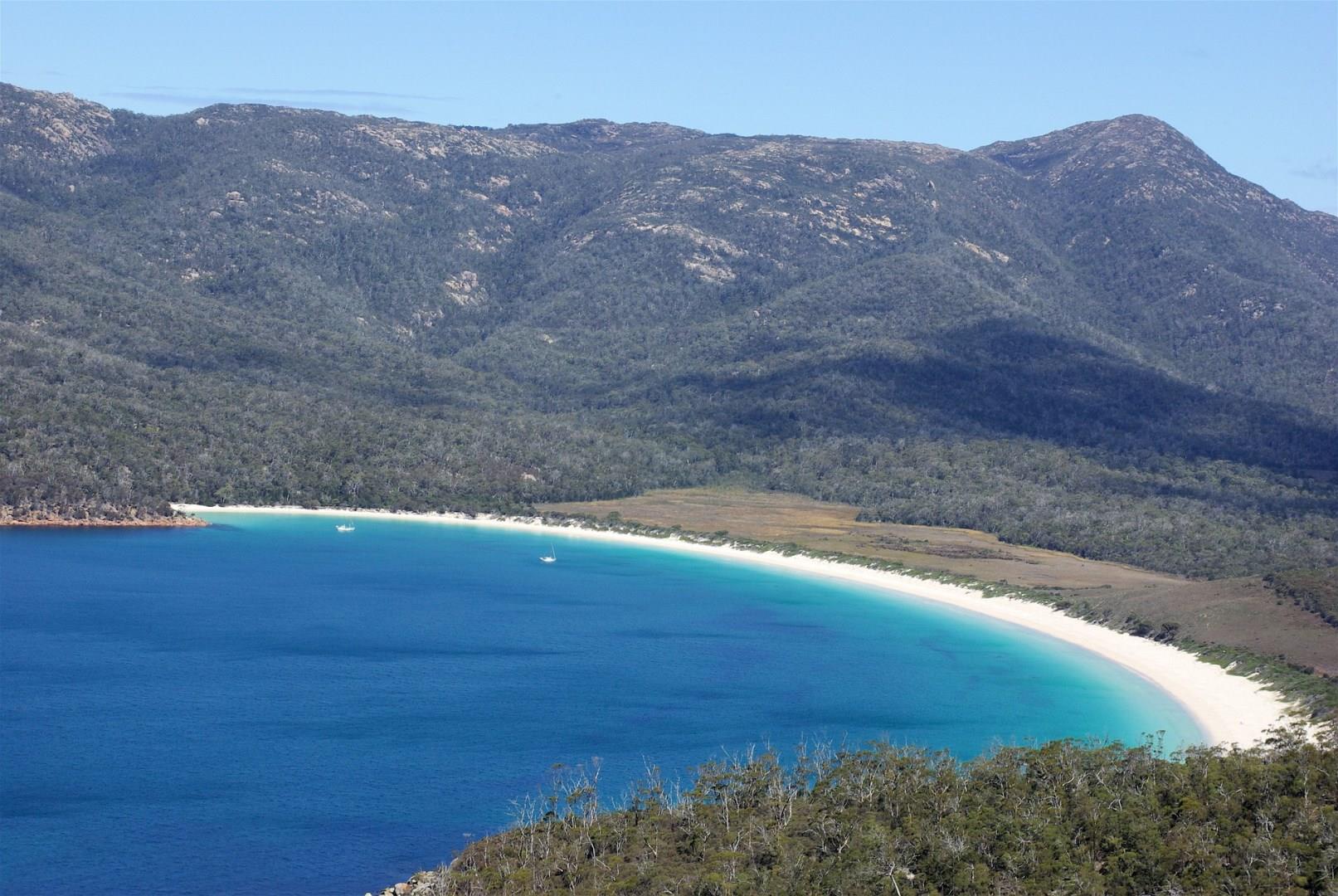
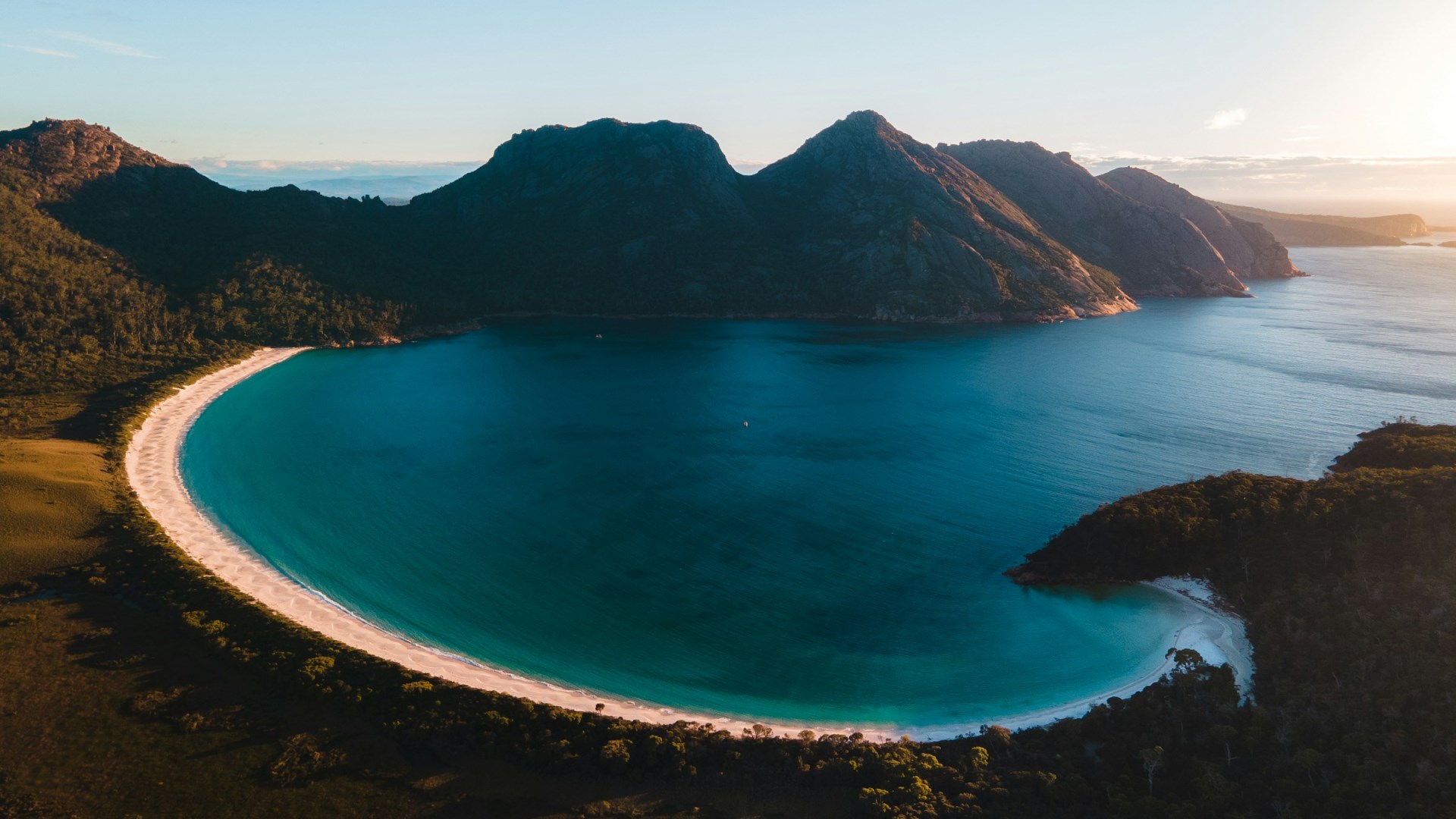
Nestled within Freycinet National Park on Tasmania's stunning east coast, Wineglass Bay is a destination that calls out to nature lovers and adventure seekers alike. Famous for its perfect crescent of powdery white sand lapped by sapphire-blue waters, this bay is consistently listed among the world's top beaches. Whether viewed from the Wineglass Bay Lookout or experienced up close with a swim or a kayak adventure, the beauty of this natural wonder is simply breathtaking. Hiking to the lookout is a rewarding experience, taking you through native bushland filled with eucalyptus trees and leading to a panoramic vista that captures the bay’s unique shape, which has given it its evocative name.
Wineglass Bay is also a gateway to a variety of outdoor experiences. The Hazards Beach Circuit provides a picturesque 11-kilometer loop walk that combines the pristine beaches of Wineglass Bay and Hazards Beach, traversing the jagged pink granite mountains known as The Hazards. For those who prefer a marine perspective, sea kayaking tours allow paddlers to glide alongside playful dolphins and spot seals and sea eagles in their natural habitat. The crystal-clear waters are also perfect for snorkeling and scuba diving, revealing vibrant marine life and hidden coves.
The surrounding Freycinet National Park offers ample opportunities for exploration beyond Wineglass Bay. The park is home to diverse wildlife, including Bennett's wallabies, wombats, and a variety of bird species that can often be seen on the walking trails. The area is steeped in history, with the Indigenous Paredarerme people having a long-standing connection to this land. Guided walks with local Aboriginal guides provide an enriching way to learn about the cultural significance of the park and its natural features, deepening the visitor experience.