Not only is Malaga the birthplace of famous Spanish artist Pablo Picasso but it offers beaches, hiking, architectural sites, art museums, excellent shopping and cuisine. Not only is Malaga the birthplace of famous Spanish artist Pablo Picasso but it offers beaches, hiking, architectural sites, art museums, excellent shopping and cuisine. The climate is a pleasant warm Mediterranean climate with dry and warm, long summers with short, mild winters.
Tortuguero, located on Costa Rica’s remote northern Caribbean coast, is a destination unlike any other in the country. Accessible only by boat or small aircraft, this coastal village sits between the Caribbean Sea and a network of freshwater canals. Its name, meaning "place of turtles," comes from the thousands of sea turtles that arrive annually to lay their eggs on its beaches, including green, leatherback, and hawksbill turtles.
Replete with windmills and old-world charm, the village of Kinderdijk lies east of Rotterdam on the Lek River and is a popular stop for European river cruises. Home to the largest concentration of old windmills in the Netherlands, Kinderdijk was designated a UNESCO World Heritage Site in 1997.
London is among the world's most visited cities, with countless attractions and a history stretching back two millennia. Visitors will discover historic iconic structures like Westminster Abbey, Big Ben, and Tower Bridge, as well as recent marvels such as London Eye, a giant observation wheel that offers breathtaking views of the whole city.
Lake Garda, Italy's largest and most captivating lake, is a blend of natural beauty, rich history, and vibrant culture that makes it an irresistible destination for travelers. Surrounded by majestic mountains and lush Mediterranean vegetation, Lake Garda's azure waters sparkle under the sun, creating an idyllic backdrop for exploration and relaxation.
Padua, a hidden gem in Northern Italy’s Veneto region, is a city where medieval splendor meets a vibrant modern atmosphere. Known for its ancient university, founded in 1222, Padua is one of the oldest and most prestigious in the world, having nurtured the minds of great scholars like Galileo Galilei.
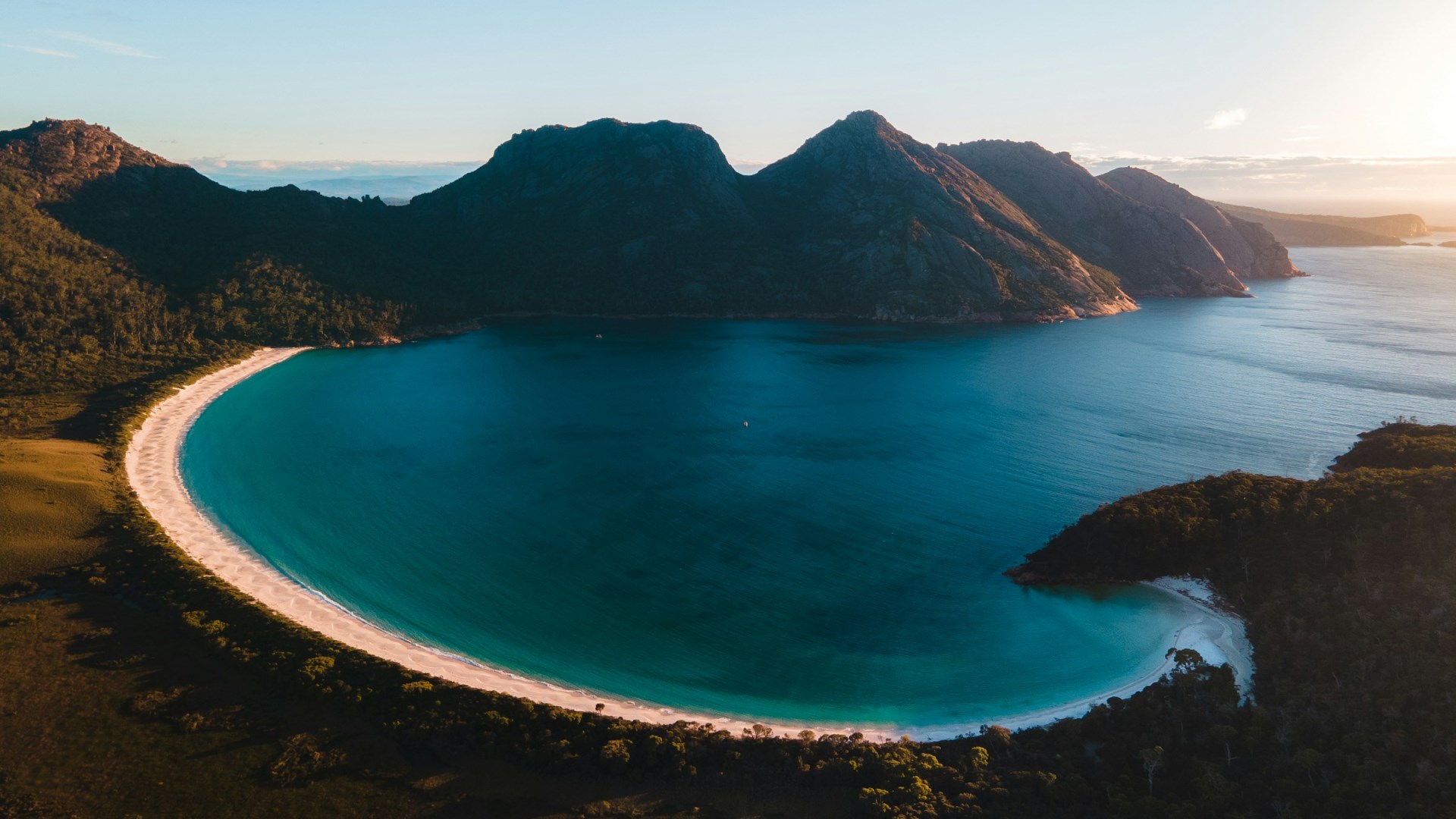
Photo Credit: Photo by Lochlainn Riordan on Unsplash
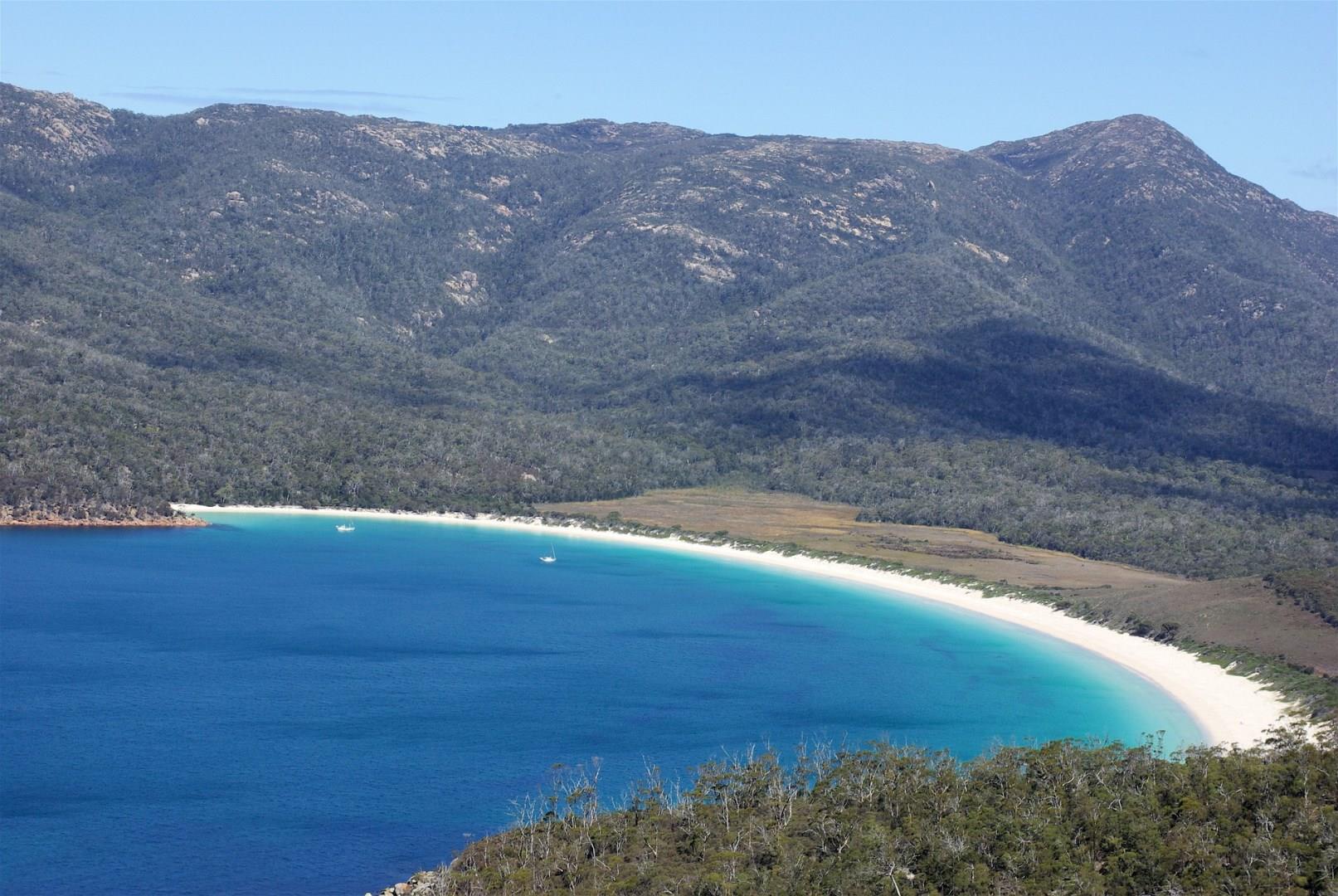
Nestled within Freycinet National Park on Tasmania's stunning east coast, Wineglass Bay is a destination that calls out to nature lovers and adventure seekers alike. Famous for its perfect crescent of powdery white sand lapped by sapphire-blue waters, this bay is consistently listed among the world's top beaches. Whether viewed from the Wineglass Bay Lookout or experienced up close with a swim or a kayak adventure, the beauty of this natural wonder is simply breathtaking. Hiking to the lookout is a rewarding experience, taking you through native bushland filled with eucalyptus trees and leading to a panoramic vista that captures the bay’s unique shape, which has given it its evocative name.
Wineglass Bay is also a gateway to a variety of outdoor experiences. The Hazards Beach Circuit provides a picturesque 11-kilometer loop walk that combines the pristine beaches of Wineglass Bay and Hazards Beach, traversing the jagged pink granite mountains known as The Hazards. For those who prefer a marine perspective, sea kayaking tours allow paddlers to glide alongside playful dolphins and spot seals and sea eagles in their natural habitat. The crystal-clear waters are also perfect for snorkeling and scuba diving, revealing vibrant marine life and hidden coves.
The surrounding Freycinet National Park offers ample opportunities for exploration beyond Wineglass Bay. The park is home to diverse wildlife, including Bennett's wallabies, wombats, and a variety of bird species that can often be seen on the walking trails. The area is steeped in history, with the Indigenous Paredarerme people having a long-standing connection to this land. Guided walks with local Aboriginal guides provide an enriching way to learn about the cultural significance of the park and its natural features, deepening the visitor experience.