



Central Asia | India | Ladakh
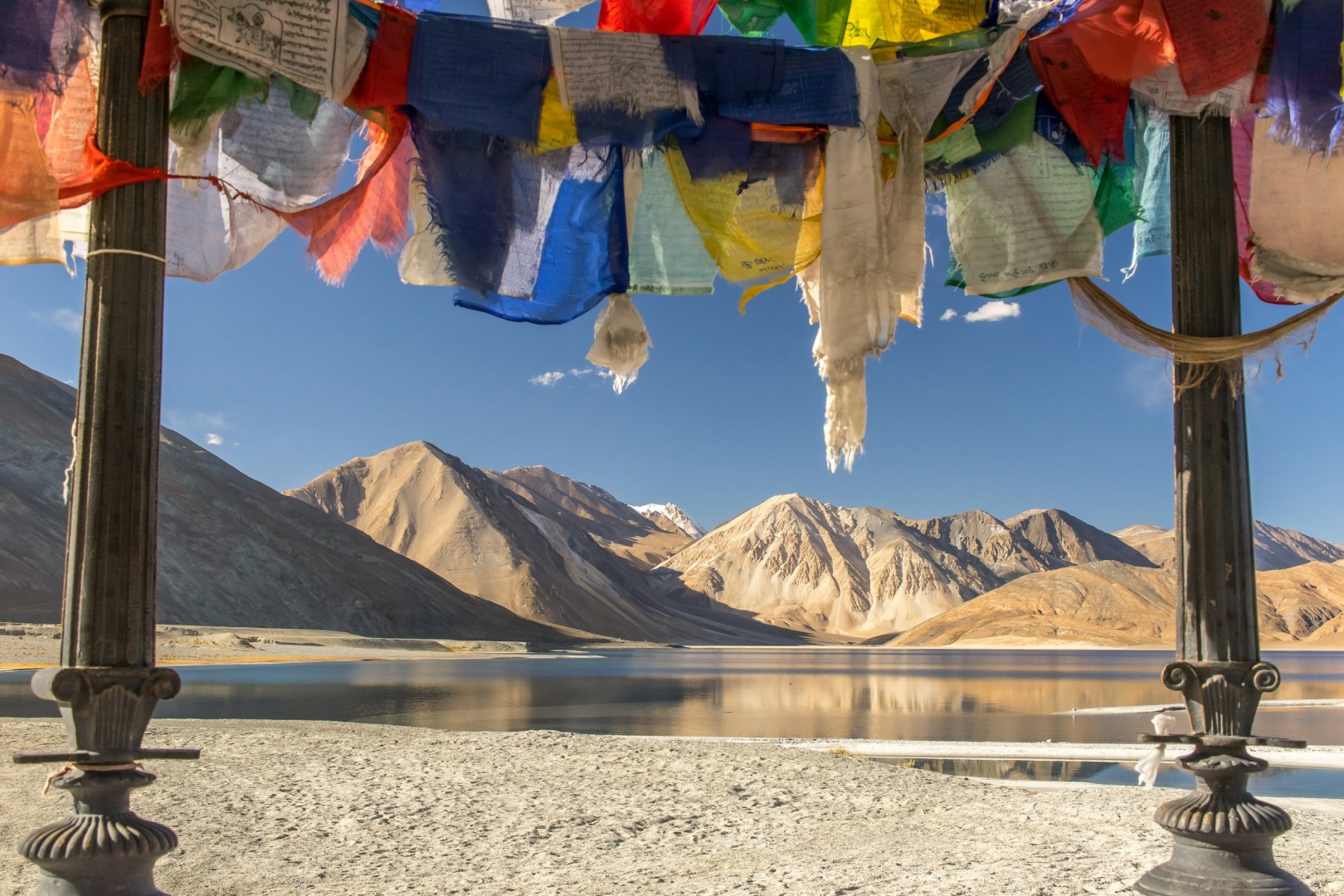
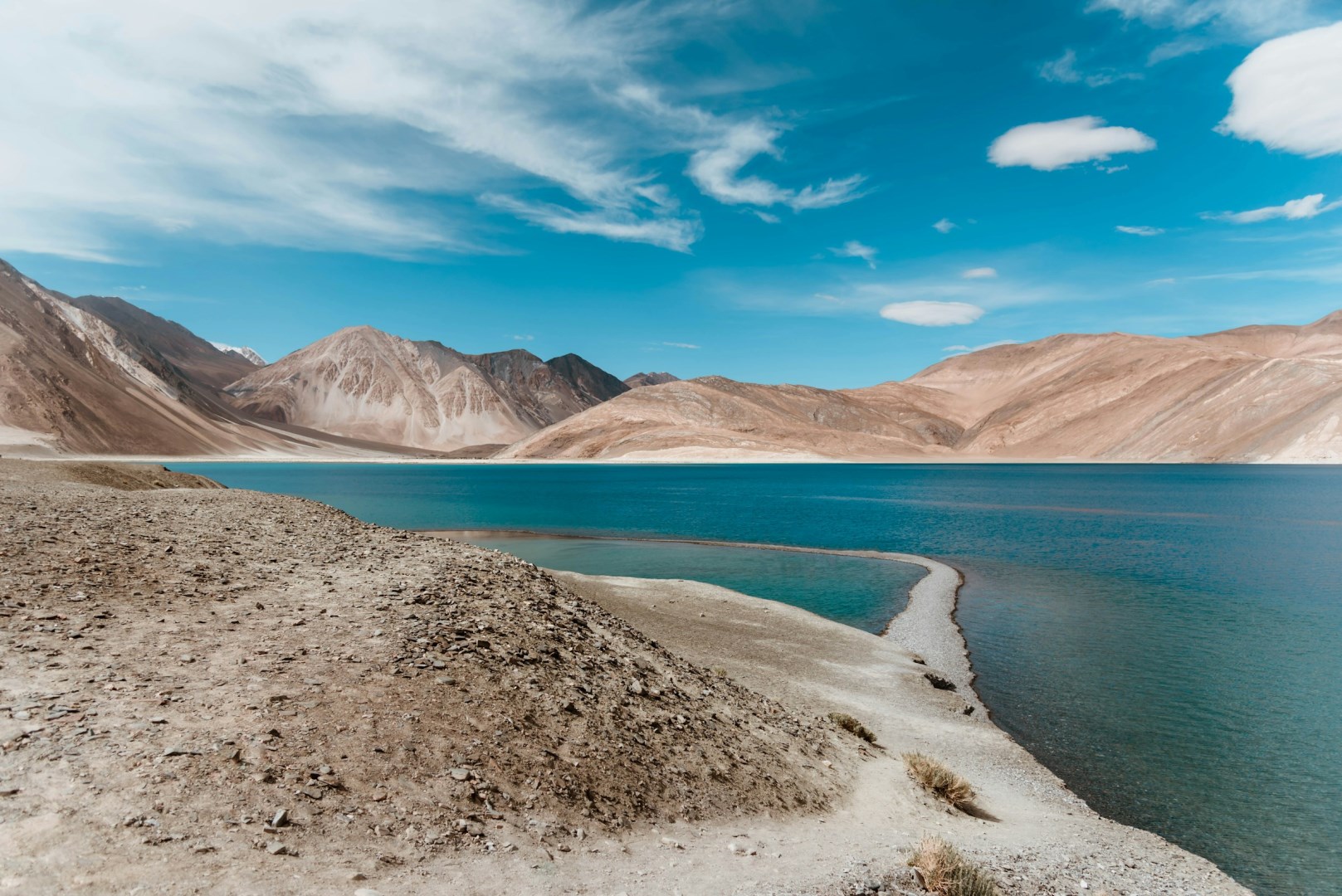
Ladakh is a high-altitude region in the northern Himalayas, known for its dry mountain landscapes, broad valleys, clear lakes, and settlements shaped by limited water and harsh winters. Leh serves as the principal urban centre and gateway, while the wider region includes Nubra, Changthang, Zanskar, and the Indus Valley. The landscape changes from barren mountain slopes to green village fields and river corridors where water is available. Its combination of high passes, cold-desert terrain, and remote valleys gives Ladakh a geographical character that differs markedly from other Himalayan destinations.
Ladakh has a strong Tibetan Buddhist cultural identity, expressed through active monasteries, prayer flags, murals, masked dances, and community festivals. Hemis, Thiksey, Alchi, Lamayuru, and Diskit are among its best-known monastic centres, many of which remain active places of worship. Leh Palace and Stok Palace provide links to the region’s royal heritage, while traditional villages along the Indus retain distinctive houses, agricultural practices, and religious customs. Ladakhi culture also reflects the region’s position along historic trade routes connecting the Himalayan valleys with Central Asia and the wider Indian subcontinent.
The region’s most recognized landscapes include Pangong Lake, Tso Moriri, Nubra Valley, and the lunar-like terrain around Lamayuru. Pangong Lake sits at roughly 4,350 metres and extends across the international border, with most of the lake lying in China. Nubra combines high mountain scenery with river valleys, cultivated villages, sand dunes, and Bactrian camels, while Diskit Monastery overlooks the valley from a rocky hillside. Changthang offers expansive high-altitude plateaus and brackish lakes, and the roads across Ladakh provide access to mountain passes and remote settlements.
Ladakhi food reflects its cold, dry environment and reliance on locally grown grains and vegetables. Thukpa, a warming noodle soup, is widely associated with the region, while momos, skyu, and tsampa are also common. Barley has an important place in traditional food culture, including roasted barley flour used in tsampa. Apricots are another notable local product, particularly in villages where warmer valley conditions support orchards. A distinctive detail of Ladakh is its contrast between extremely arid slopes and surprisingly productive pockets of farmland, sustained by meltwater and carefully managed irrigation channels.
Other Popular Destinations in India


