


East and Southeast Asia | Japan | Hikone
Hikone is a city in Shiga Prefecture on the eastern shore of Lake Biwa, Japan's largest lake. Its location combines a historic castle town with lakeside landscapes, wooded hills, and traditional neighborhoods. Hikone Castle, a National Treasure, is the city's best-known landmark and remains surrounded by moats, stone walls, and gardens. The city also provides access to Lake Biwa and the rural landscapes of eastern Shiga. Its compact historic center allows visitors to explore major cultural sites, traditional streets, gardens, temples, and local shops within a relatively small area.
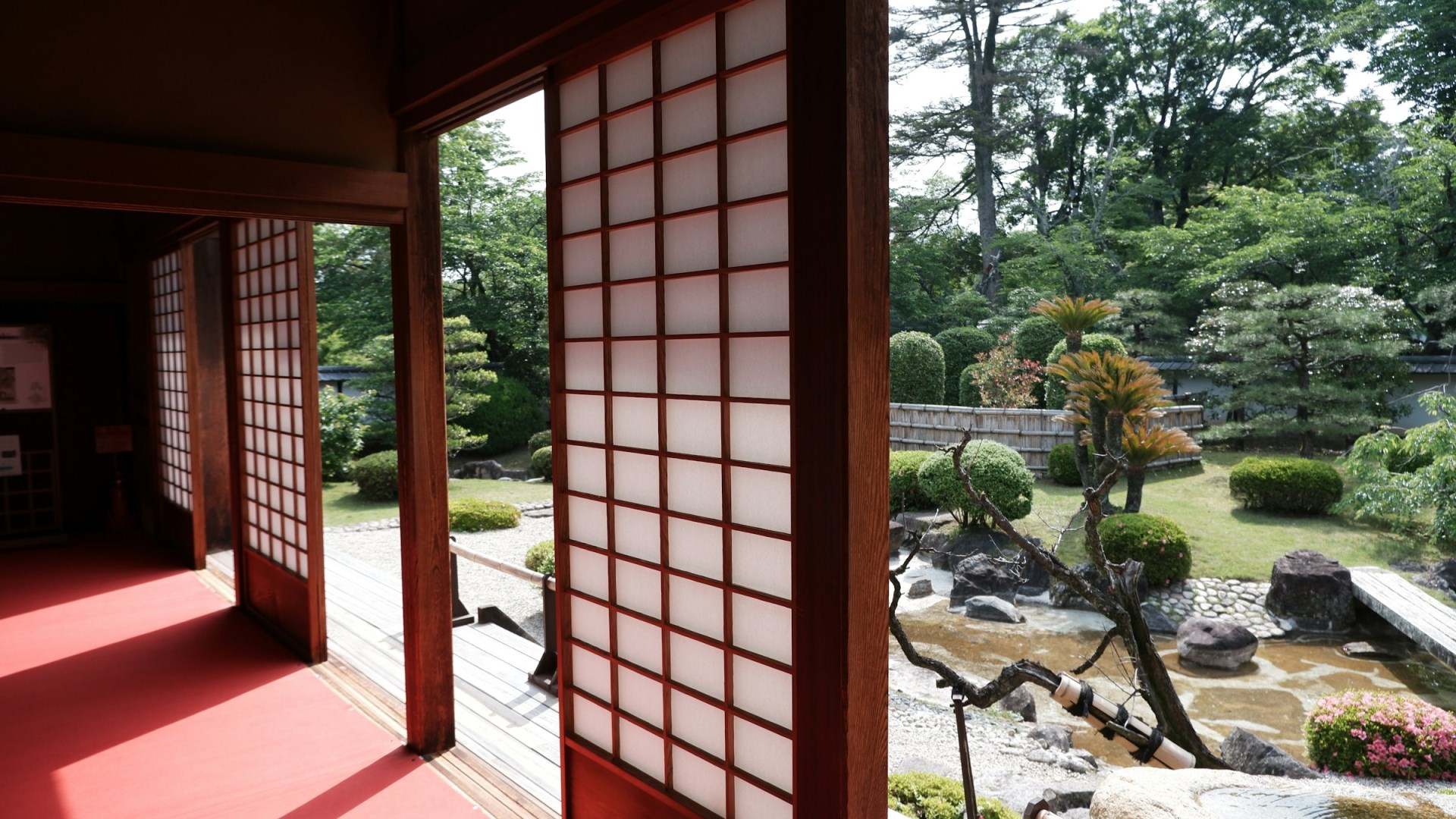
Hikone's cultural identity is closely linked with the Ii family, whose samurai domain was based around Hikone Castle. The city's historic streets preserve elements of its former castle-town layout, while temples and shrines provide further connections with local religious traditions. Genkyuen Garden, associated with the castle, reflects the refined landscape design favored by the ruling household. Yume Kyobashi Castle Road recreates the appearance of a traditional merchant street with dark wooden details and white plaster walls. Nearby Toriimoto-juku and Takamiya-juku also retain features of former post towns along historic travel routes.
Hikone Castle is the principal attraction, with its wooden keep, defensive stonework, moats, and surrounding grounds offering views across the city toward Lake Biwa. Genkyuen Garden lies beside the castle and features a pond surrounded by a walking path, while the former site of Sawayama Castle provides a hilltop setting with views over the surrounding area. Ryotan-ji Temple is another notable site, known for its Zen garden and connection with Sawayama. Along the lake, visitors can explore waterfront scenery and observe the relationship between Hikone's urban landscape and Lake Biwa.
Hikone's food culture draws heavily on ingredients from Shiga and Lake Biwa. Omi beef is the area's best-known specialty, while local restaurants also serve lake fish such as funazushi, ayu, and biwa trout. Traditional Japanese sweets, soba, and locally produced tea are also part of the city's food culture. The Hikone tourism association highlights local sake and products made from regional ingredients as additional specialties. A distinctive detail of the city is Hikonyan, a samurai-cat character associated with Hikone Castle, which has become a recognizable symbol of the city.
Other Popular Destinations in Japan


