



East and Southeast Asia | Malaysia | Kinabalu National Park
Kinabalu National Park is a protected mountain area in Sabah, Malaysian Borneo, centered on Mount Kinabalu and the surrounding highland forests. The park covers a wide range of elevations, creating distinct habitats from lowland rainforest to montane vegetation and alpine areas. Mount Kinabalu rises to 4,095 meters and is the highest mountain in Malaysia and on the island of Borneo. The park's headquarters are near Kundasang, with trails, visitor facilities, botanical collections, and accommodation providing access to the mountain environment and surrounding forests.
The cultural identity of the area is closely connected with the Indigenous communities of Sabah, particularly the Kadazan-Dusun people who live around the mountain. Mount Kinabalu has an important place in local traditions and is regarded as a sacred mountain by communities in the region. The name Kinabalu is commonly associated with local languages and traditions concerning the mountain and the spirits of ancestors. Visitors can encounter Indigenous food, crafts, agricultural practices, and community traditions in villages around the park. These connections provide cultural context for the landscape beyond its importance as a protected natural area.
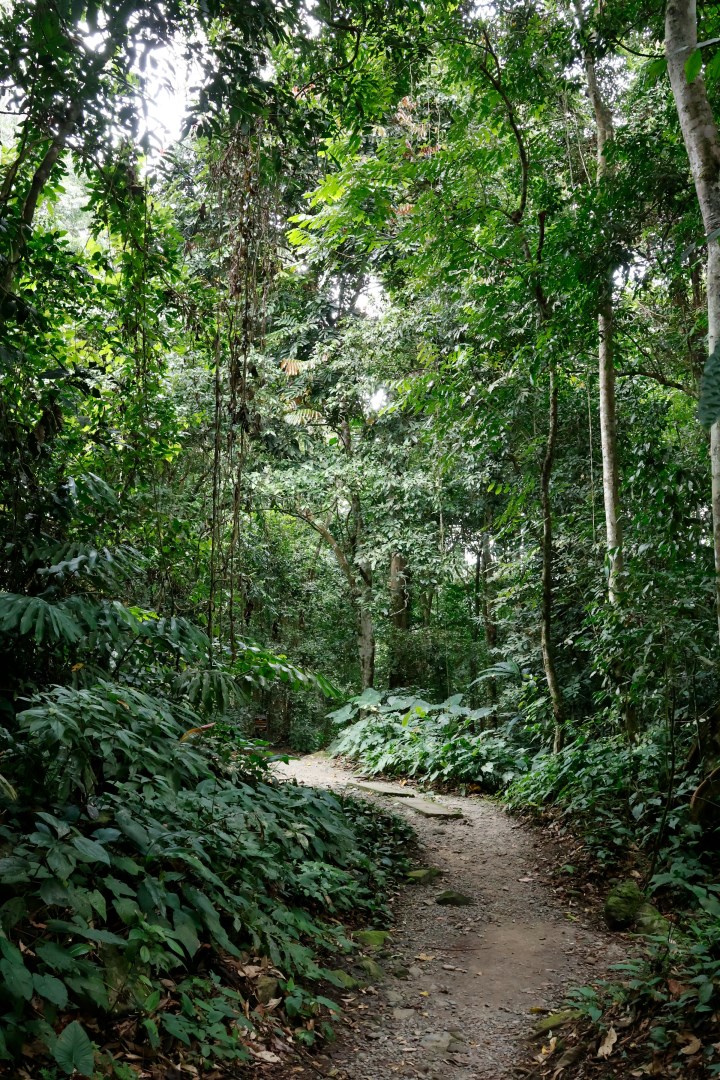
Kinabalu National Park is recognized for its exceptional plant diversity and contains habitats that change significantly with elevation. Its forests support orchids, pitcher plants, rhododendrons, ferns, and numerous other plant species, including many found only in the Mount Kinabalu region. The park is also home to mammals, birds, reptiles, and insects adapted to its varied mountain environments. Hiking trails around park headquarters provide access to forest and botanical areas, while the main summit route leads through changing vegetation zones toward Mount Kinabalu's higher slopes. The park is part of a wider mountain landscape in northern Borneo.
Food around Kinabalu National Park reflects the agricultural communities of the surrounding highlands, where vegetables, fruit, tea, and other crops are grown in the cool mountain climate. Restaurants and markets in Kundasang commonly serve Sabah and Malaysian dishes, including fresh vegetables and locally produced ingredients. One distinctive feature of the park is its exceptionally high plant diversity within a relatively compact area, caused partly by the dramatic change in elevation. Kinabalu National Park was also Malaysia's first World Heritage Site, recognized by UNESCO for its biological diversity and importance as a center of plant diversity in Southeast Asia.
Other Popular Destinations in Malaysia