


East and Southeast Asia | Timor-Leste | Atauro Island
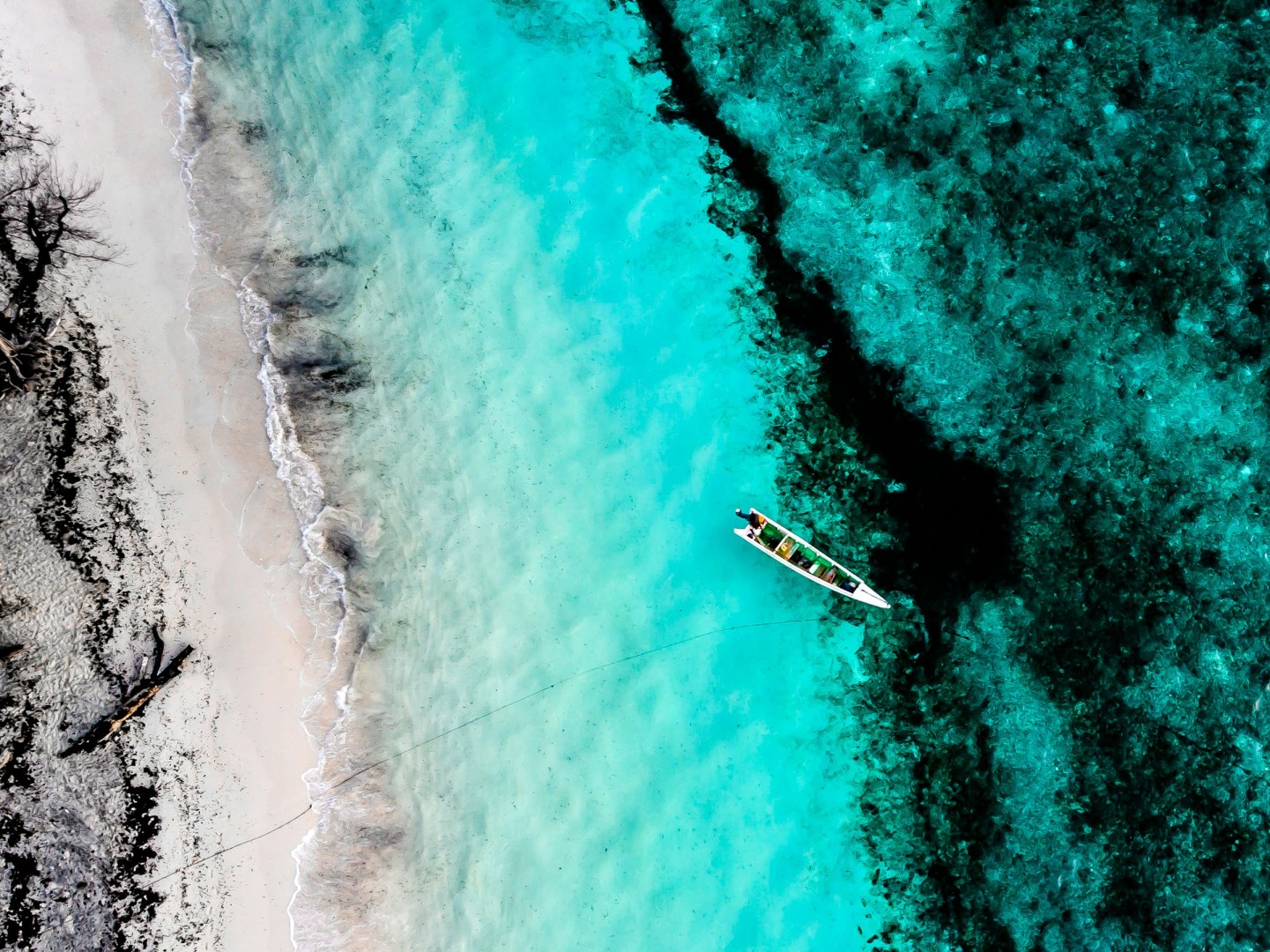


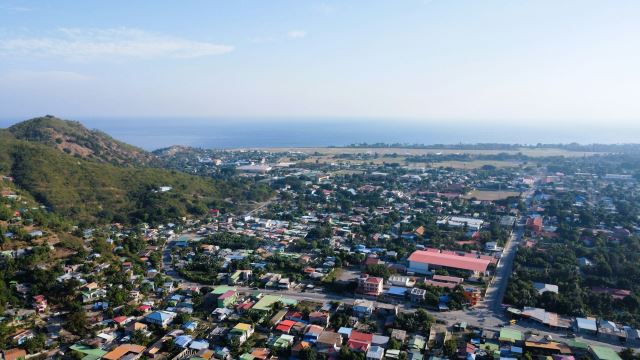
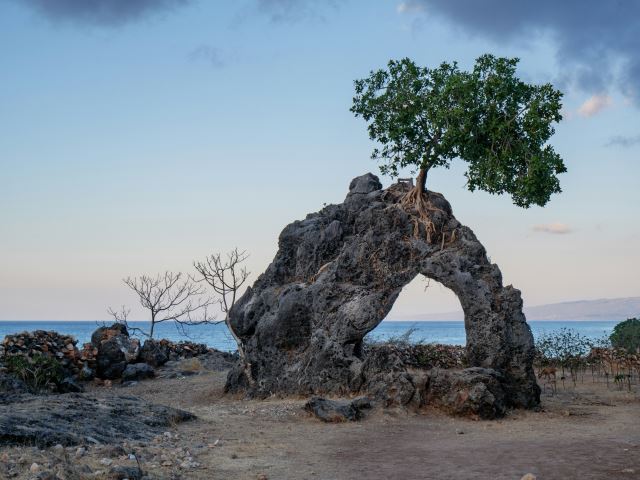
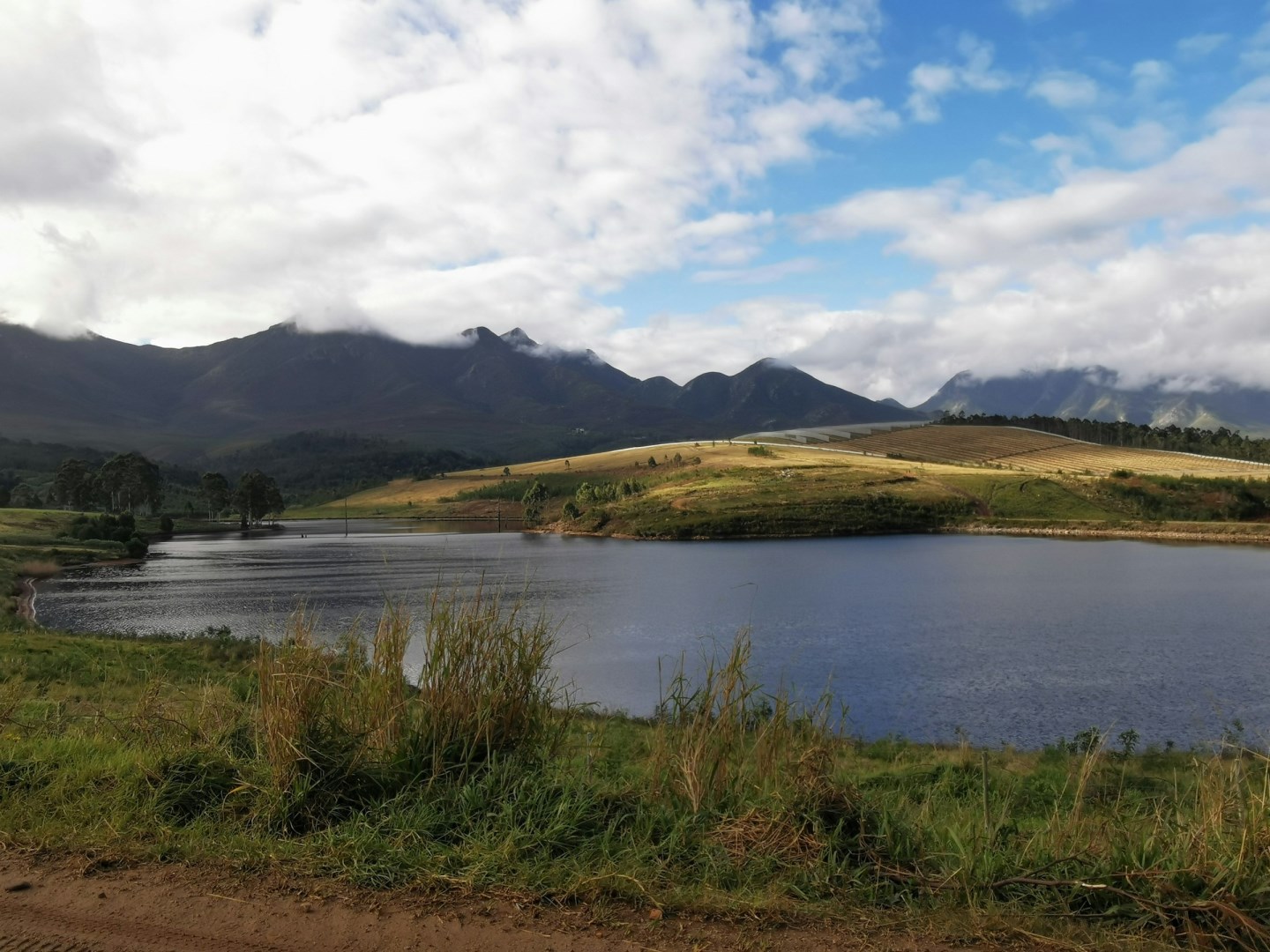
Atauro Island is a mountainous island north of Dili in Timor-Leste, separated from the mainland by the Ombai Strait. Its landscape includes dry hills, forested slopes, grassy areas, rocky cliffs, and small coastal villages. The island is surrounded by exceptionally diverse coral reefs and clear tropical waters, making its marine environment one of its defining features. More than 10,000 people live across five villages, with fishing, agriculture, handicrafts, and small-scale tourism supporting local communities. Atauro's combination of rugged land, traditional villages, and highly diverse coastal waters gives it a distinctive place within Timor-Leste.
Atauro's communities have longstanding connections with the sea, particularly through fishing and traditional knowledge of coastal waters. Local residents also produce carved wooden figures, boneka dolls, and woven reed handicrafts that reflect the island's distinctive craft traditions. Customary practices known as tara bandu can be used to regulate access to natural resources, including fishing areas, helping communities protect reefs while maintaining local livelihoods. Sacred traditions and community customs remain important parts of island life. Tourism initiatives increasingly involve local guides, guesthouses, food providers, and artisans, creating opportunities for visitors to experience Atauro through community-based activities.
The waters around Atauro are recognized for exceptional marine biodiversity. Conservation International surveys recorded an average of 253 reef fish species per dive site, with a single site recording an even higher number. Coral reefs surround much of the island and provide opportunities for snorkeling and diving, while deeper waters in the Ombai Strait attract whales and dolphins. On land, visitors can explore mountain trails, caves, beaches, and coastal viewpoints. Acrema Beach is among the island's coastal attractions, while boat excursions provide access to additional reef areas. The island's varied terrain also offers views across the strait toward mainland Timor.
Atauro's food culture is closely connected to its coastal and agricultural resources. Fresh fish and other seafood are common in local meals, often prepared simply with rice, vegetables, and regional seasonings. Family-run eateries and community guesthouses provide opportunities to sample locally prepared food, while traditional fishing remains an important source of food and income. Handicrafts provide another distinctive aspect of island life, particularly woven reed products, carved wooden figures, and boneka dolls. The combination of marine conservation, fishing traditions, local crafts, and community-based tourism gives Atauro a strong identity rooted in both its natural environment and the people who live there.
Other Popular Destinations in Timor-Leste