

South Pacific | Papua New Guinea | Milne Bay
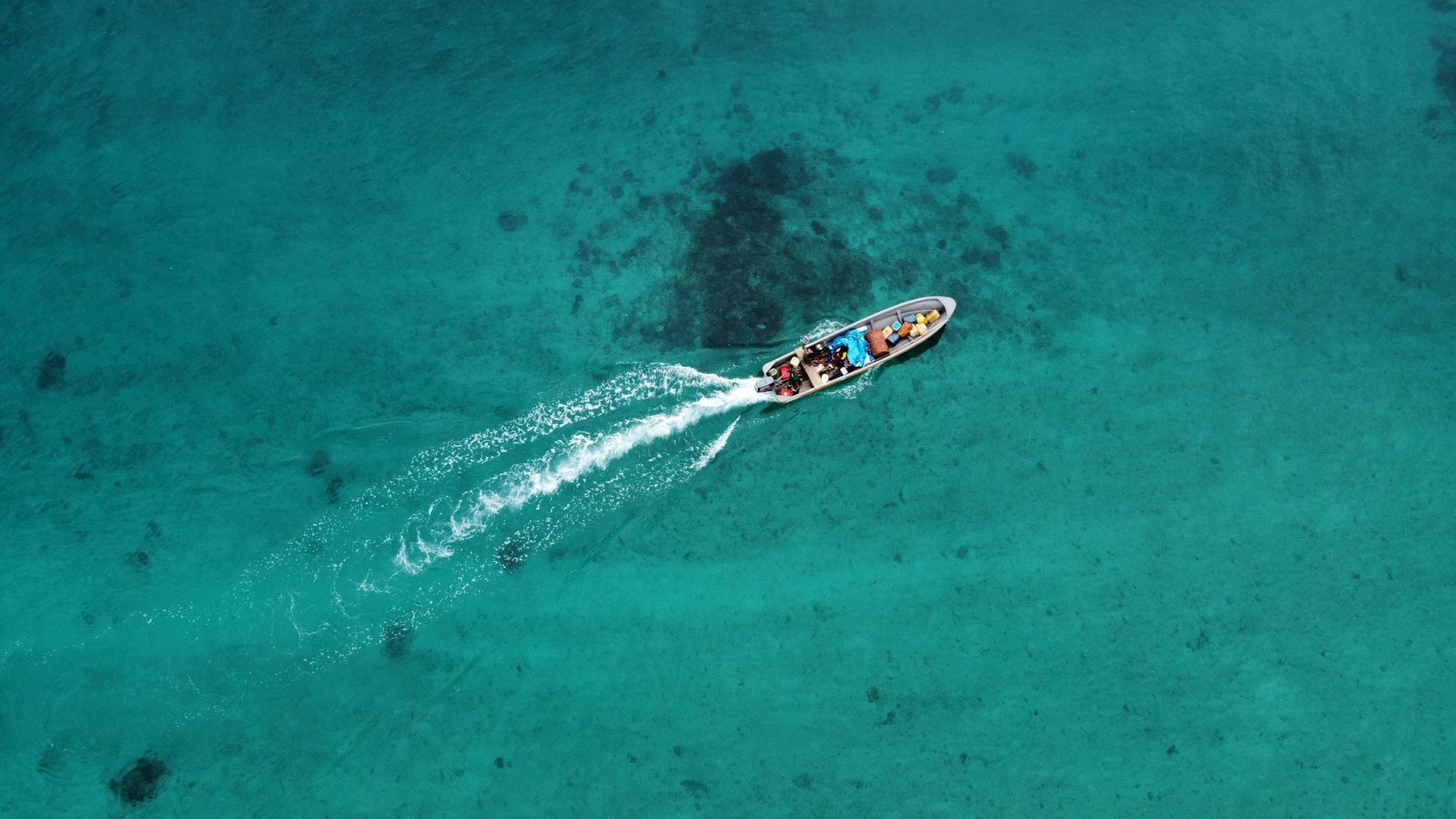
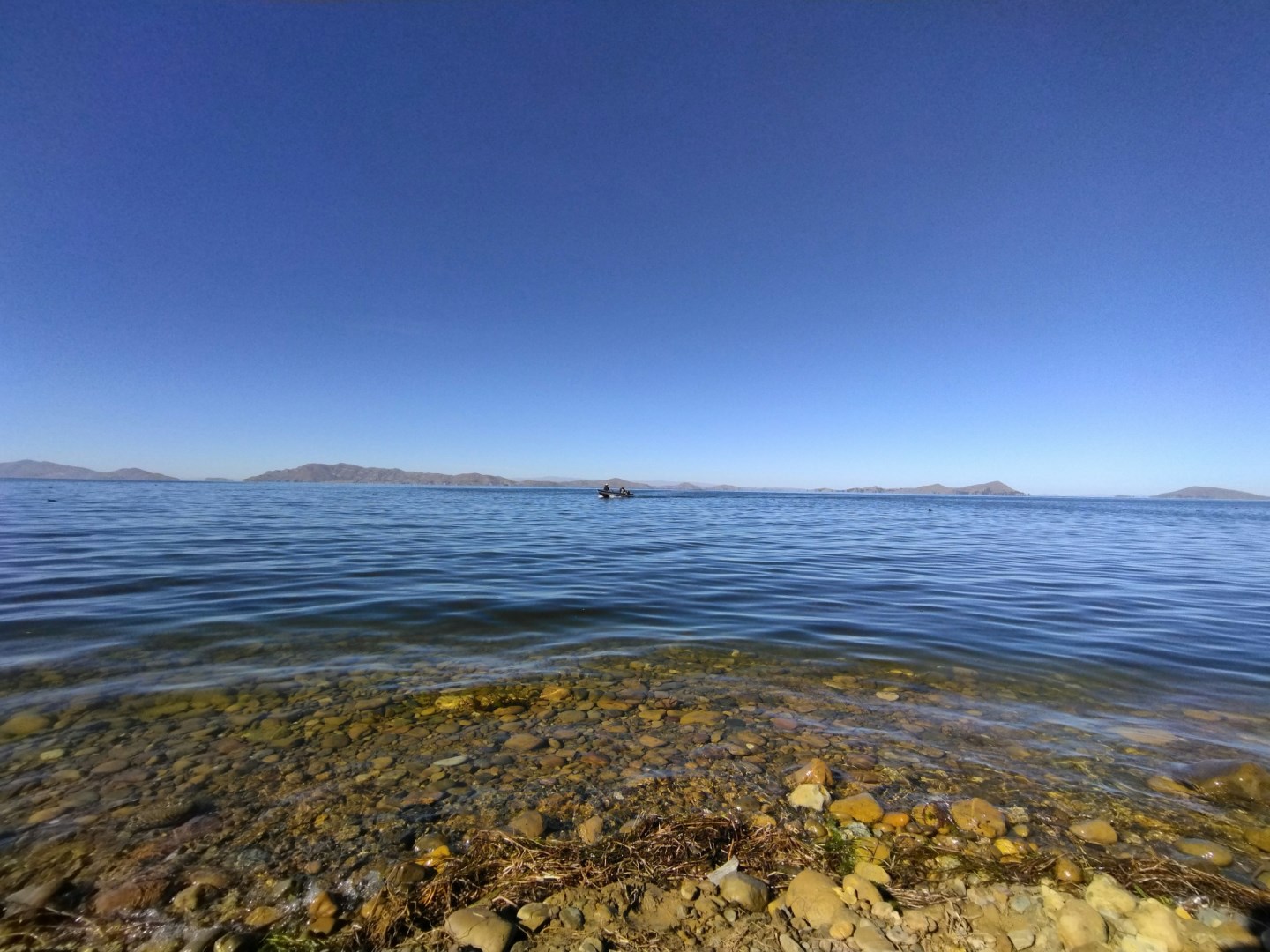
Milne Bay is a large, island-dotted body of water in southeastern Papua New Guinea and the center of a province with one of the country’s most complex coastal landscapes. The bay extends around the southeastern tip of New Guinea and includes numerous islands, reefs, channels, and sheltered coves. Alotau, the provincial capital, sits on its northern shore and provides the main administrative and commercial base for the region. Tropical forests reach the coast, while offshore waters support coral reefs and mangroves. Much of Milne Bay remains rural, with communities spread across the mainland and islands.
Milne Bay has remarkable cultural diversity, with many communities speaking different languages and maintaining their own customs. Traditional canoe building, carving, weaving, dancing, and fishing remain important parts of local life. The region forms part of the Massim cultural area, which is known for the Kula exchange network linking communities across the islands through ceremonial exchanges of shell valuables. Customary relationships and communal activities continue to shape village life, while Christianity is widely practiced. The province’s cultural traditions are particularly visible during community gatherings, where traditional dress, music, dance, and food may be shared.
The geography of Milne Bay provides a wide range of natural attractions. The D’Entrecasteaux Islands include mountainous islands such as Goodenough, Fergusson, and Normanby, while the Louisiade Archipelago extends far to the southeast with coral islands and atolls. Reefs throughout the province support tropical fish, giant clams, sea turtles, and extensive coral communities. Diving and snorkeling are important activities in several areas, while beaches, rainforest, mangroves, and volcanic landscapes create varied coastal environments. Wartime history is also significant, particularly around Alotau and the nearby islands associated with the Battle of Milne Bay.
Milne Bay’s cuisine reflects the resources of its tropical gardens and surrounding waters. Fish and other seafood are commonly eaten with sweet potato, taro, yam, cassava, banana, coconut, and leafy vegetables. Sago is another traditional staple in parts of the province. Villages often rely on fishing, gardening, and small-scale exchange to provide food for their communities. The province is also notable for its traditional outrigger canoes, which remain practical vessels for fishing and travel between islands. With hundreds of islands and numerous distinct communities, Milne Bay is one of Papua New Guinea’s most culturally and geographically varied coastal regions.
Other Popular Destinations in Papua New Guinea