


Central America | Costa Rica | Osa Peninsula
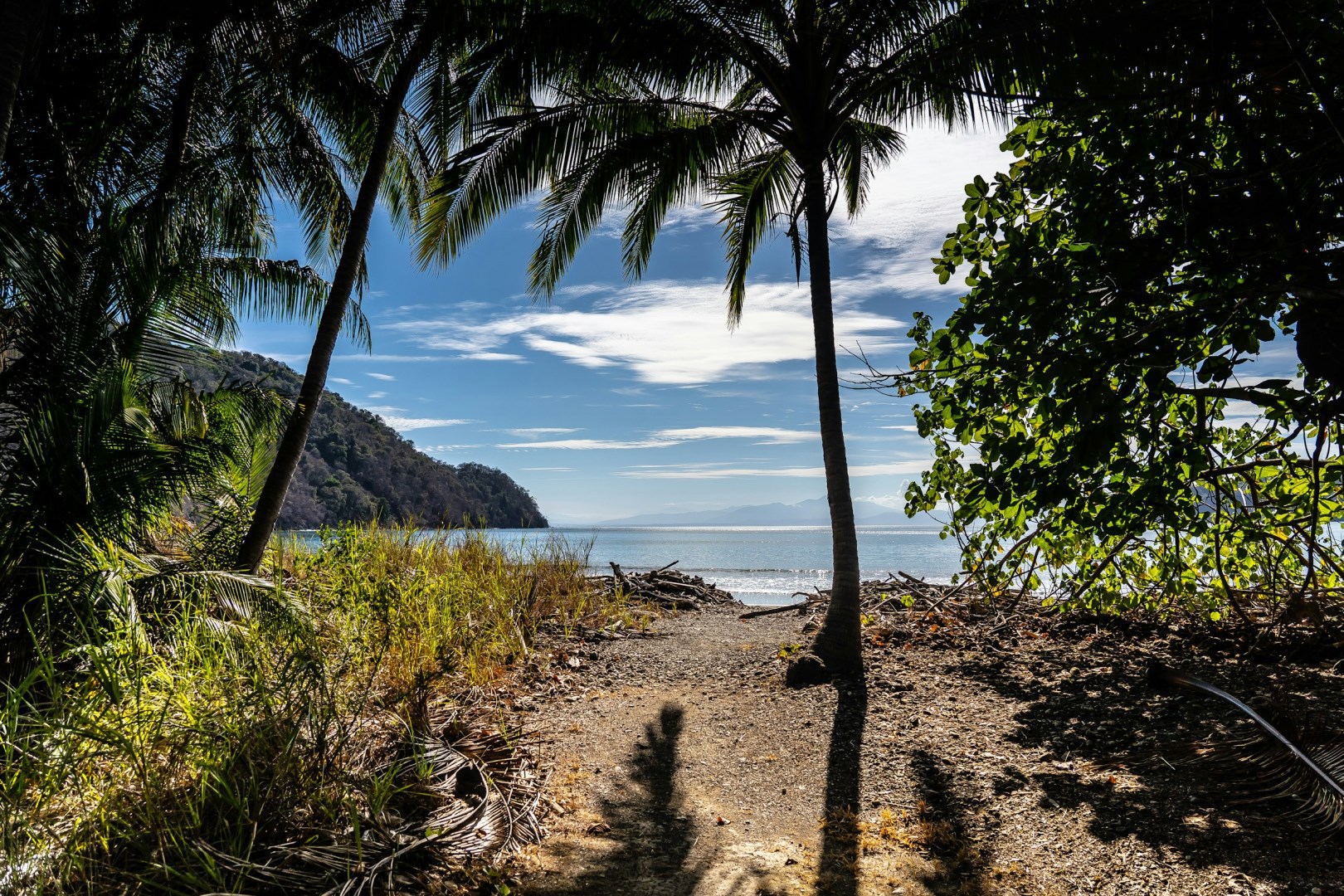
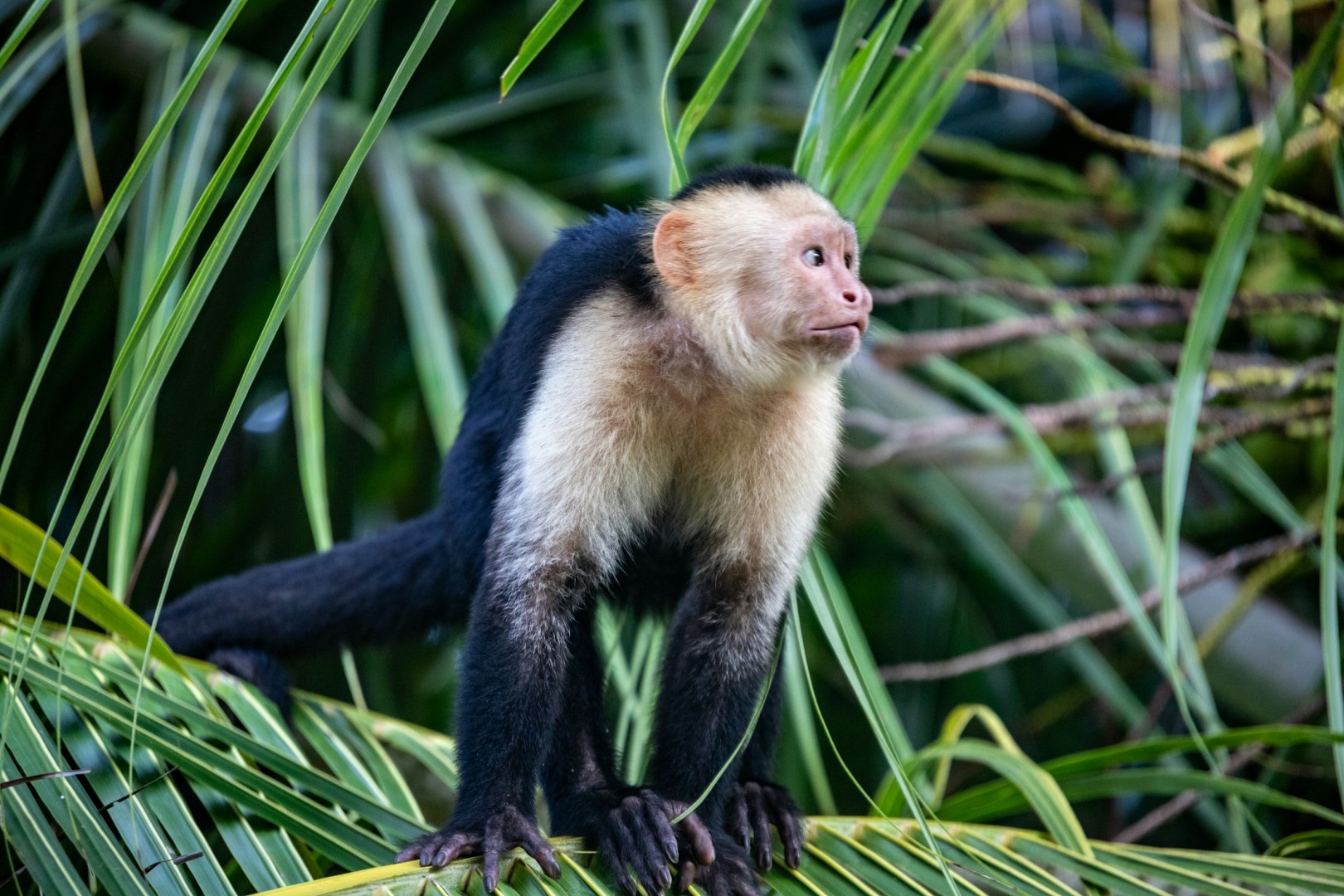
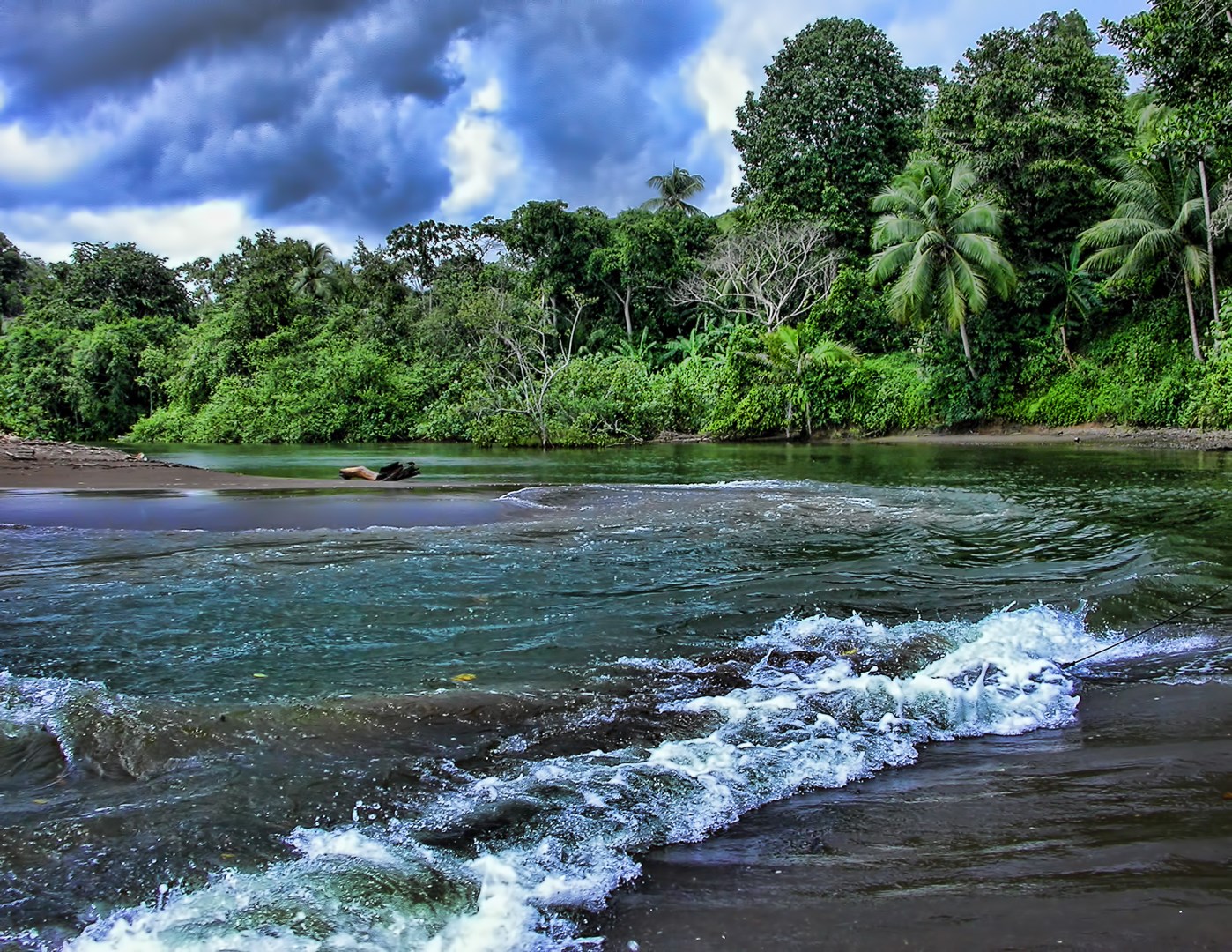
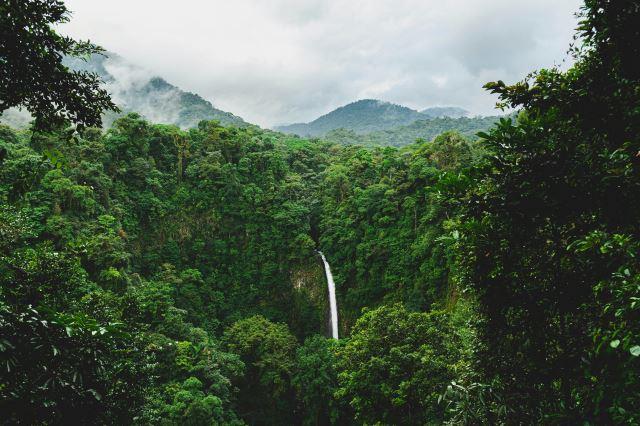
The Osa Peninsula extends into the Pacific Ocean from southern Costa Rica's Puntarenas Province, forming a remote region of rainforest, rivers, beaches, mangroves, and coastal waters. Much of the peninsula remains forested, with small communities such as Puerto Jiménez, Drake Bay, and Carate providing access to the surrounding landscape. The peninsula is closely associated with Corcovado National Park and the Golfo Dulce, two protected areas that help preserve its terrestrial and marine ecosystems. Rural properties, farms, conservation projects, and small tourism businesses are interspersed with extensive forest, creating a landscape where communities and protected habitats exist side by side.
The Osa Peninsula has a history shaped by farming, fishing, logging, gold mining, and small coastal settlements. Communities such as Puerto Jiménez and Drake Bay retain connections to fishing and agriculture, while conservation has become increasingly important to the local economy and identity. The peninsula also has connections to Indigenous peoples of southern Costa Rica, including the Ngäbe and Boruca. Today, local guides, researchers, conservation organizations, and community businesses contribute to protecting forests and wildlife while providing visitors with opportunities to learn about the region. This community involvement is an important part of the peninsula's conservation landscape.
Corcovado National Park is the peninsula's best-known protected area, covering lowland rainforest, mangroves, marshes, lagoons, rivers, and Pacific beaches. The park provides habitat for species including scarlet macaws, tapirs, monkeys, sloths, crocodiles, and numerous birds, amphibians, and reptiles. Caño Island Biological Reserve, located offshore, protects marine habitats and coral reefs, while the Golfo Dulce supports dolphins, whales, sea turtles, fish, and other marine life. Hiking, birdwatching, boat trips, snorkeling, diving, and wildlife observation are common activities, with authorized guides required for entry into Corcovado National Park.
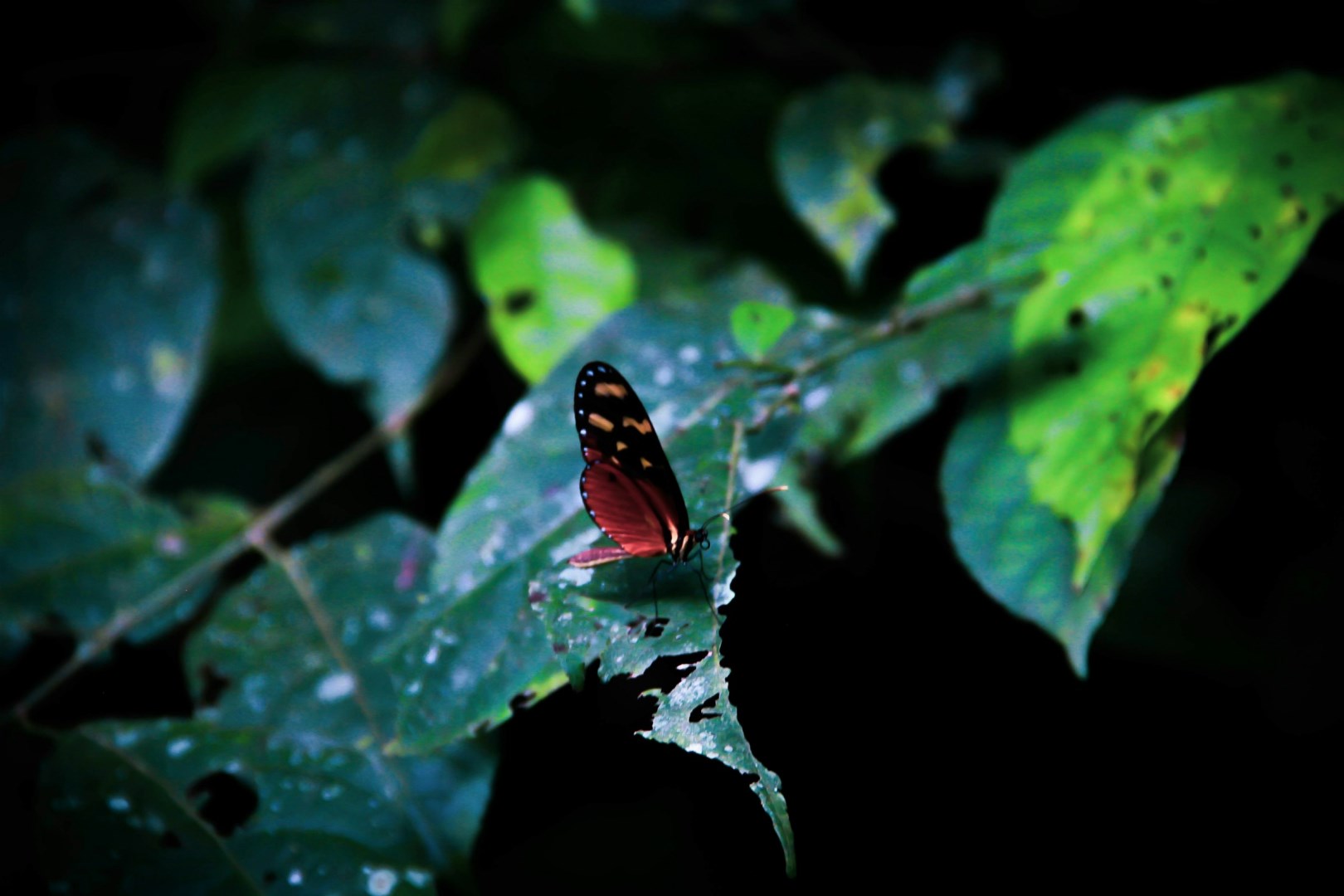
Food on the Osa Peninsula reflects Costa Rican Pacific cuisine, with fresh fish and seafood appearing alongside rice and beans, plantains, ceviche, casado, and tropical fruit. Small restaurants, lodges, and community businesses often use locally available ingredients, while farms contribute produce to the regional food supply. One distinctive feature of the peninsula is its exceptional biological diversity within a relatively small area: Osa Conservation records more than 400 bird species, 140 mammals, and hundreds of tree species on the peninsula. The close relationship between rainforest, freshwater systems, and the Pacific coast is central to both its ecology and local way of life.
Other Popular Destinations in Costa Rica