
Africa | South Africa | Cape Peninsula
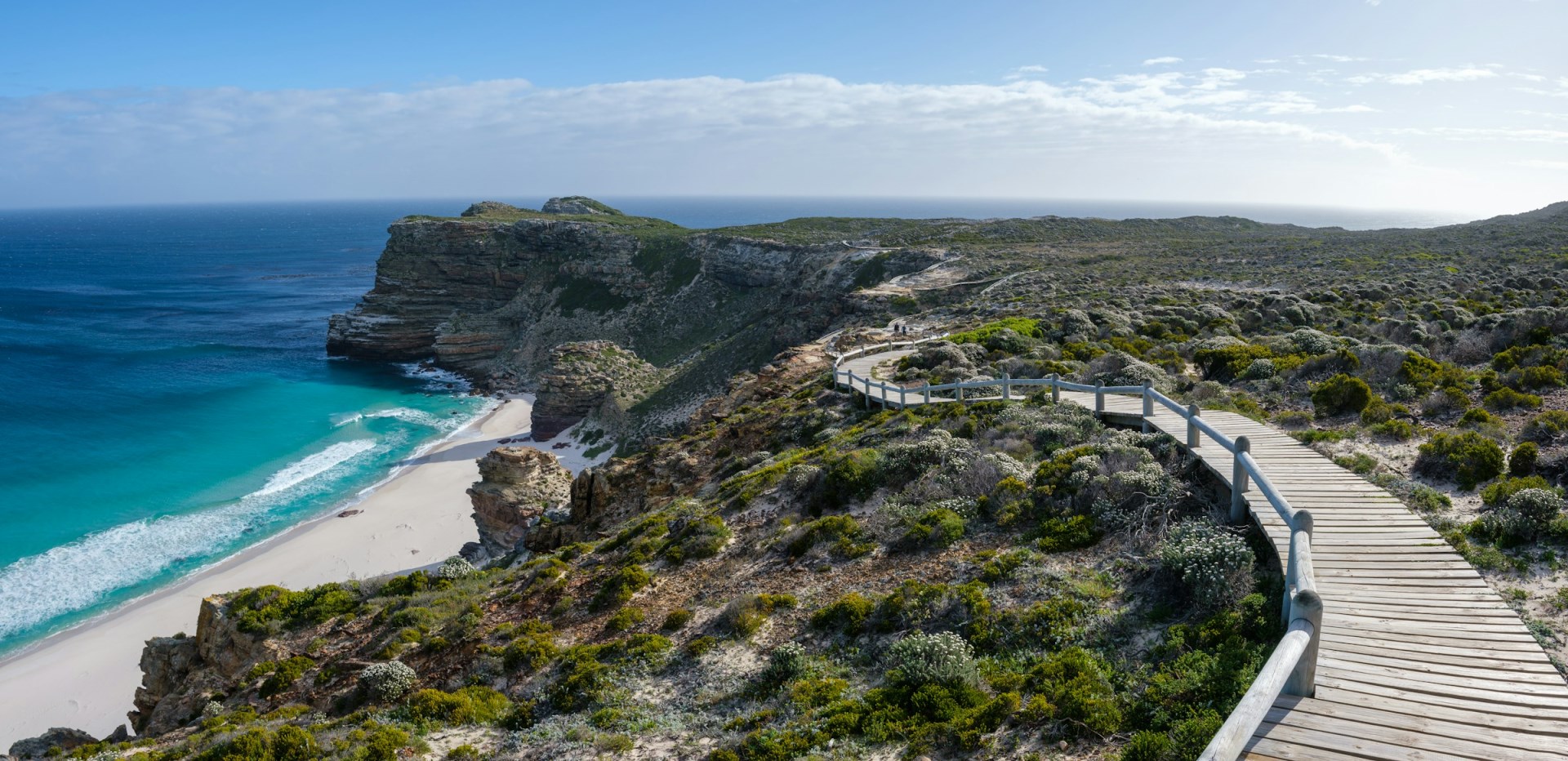
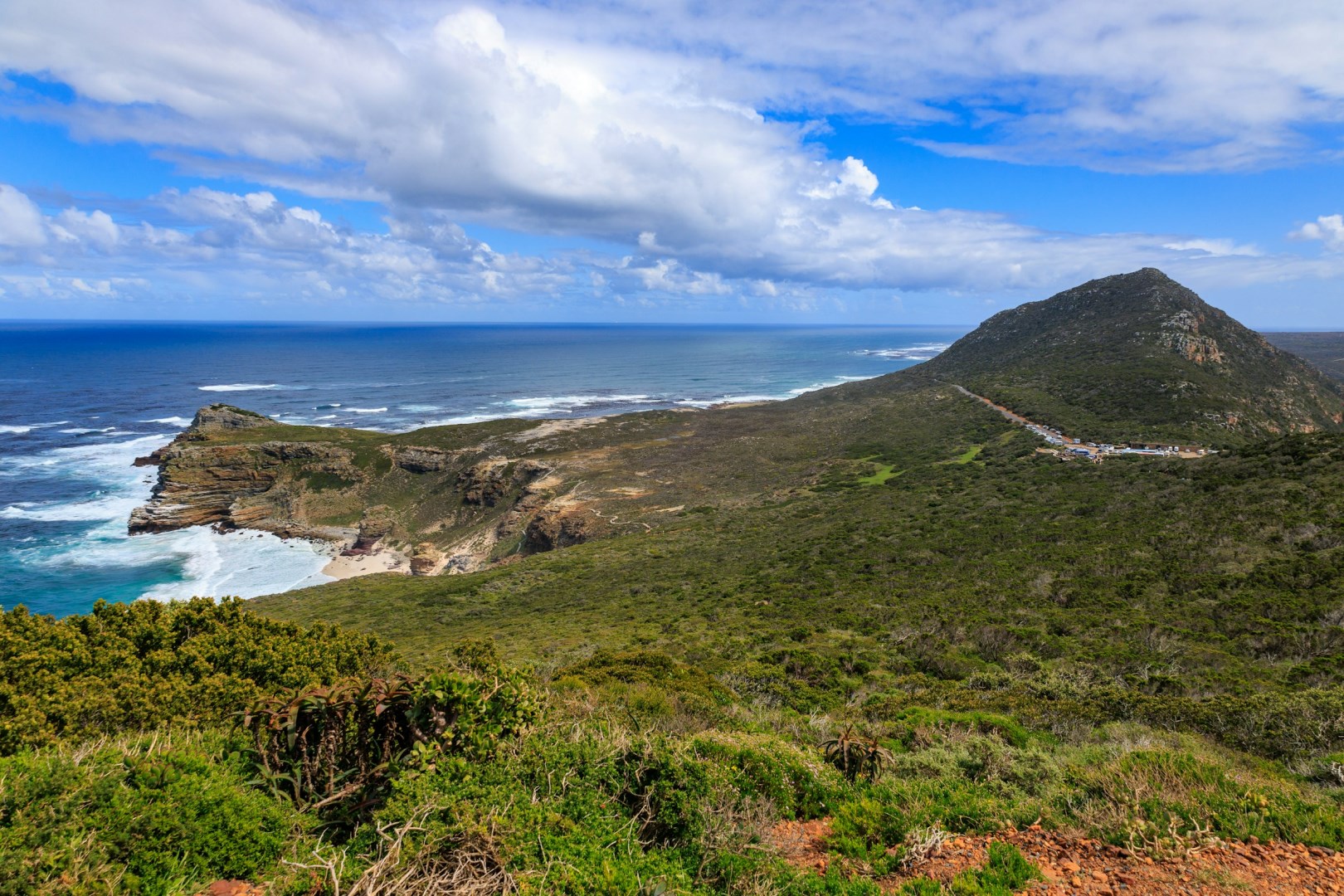
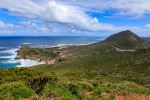
Cape Peninsula is the mountainous, coastal region extending south from Cape Town into the Atlantic Ocean and False Bay. Its landscape combines Table Mountain, rocky headlands, sandy beaches, forests, and open fynbos-covered slopes. Table Mountain National Park runs along much of the peninsula, protecting the mountain chain and coastline from Signal Hill to Cape Point. Towns and suburbs including Hout Bay, Simon’s Town, and Noordhoek sit among these natural areas, creating a region where urban communities are closely connected with beaches, mountains, and marine environments.
The Cape Peninsula has a layered cultural heritage shaped by Indigenous communities, European settlement, maritime activity, and the development of Cape Town. The Khoisan peoples have longstanding connections with the peninsula, while places such as Simon’s Town preserve important naval and maritime heritage. Cape Point and the Cape of Good Hope also feature prominently in the region’s history of seafaring. The historic village of Simon’s Town contains buildings and museums associated with its naval past, while Robben Island, visible across the bay from parts of the peninsula, provides an important connection to South Africa’s political and social history.
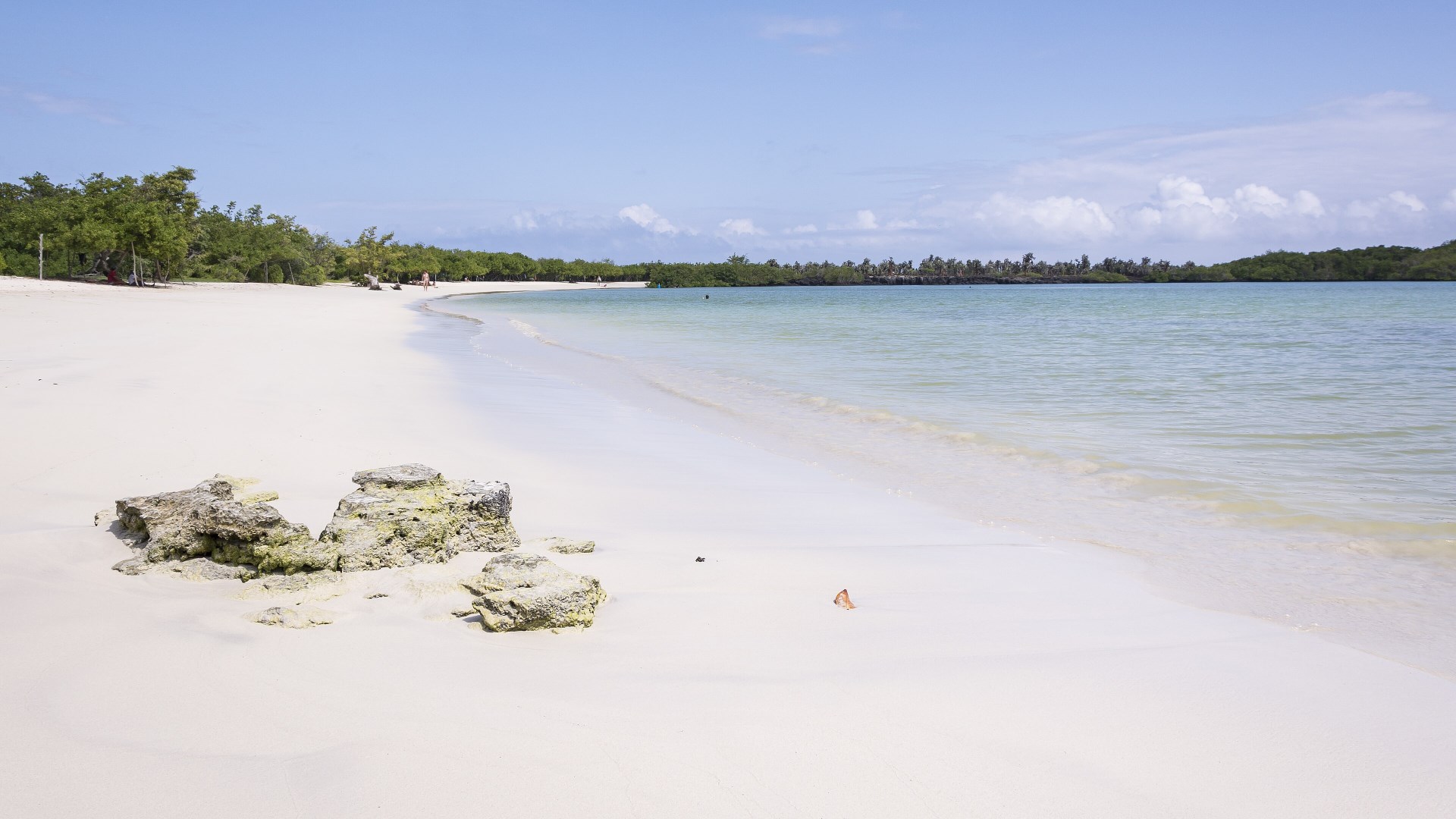
Table Mountain is the peninsula’s most recognizable landmark, while Cape Point marks the southern end of the peninsula within Table Mountain National Park. The park contains numerous walking routes and protects a rich variety of fynbos, with thousands of plant species recorded across the area. Boulders Beach near Simon’s Town is home to an endangered African Penguin colony, with boardwalks providing designated viewing areas. Beaches such as Camps Bay, Clifton, Noordhoek, and Scarborough offer different coastal settings, while the peninsula’s marine environment supports seals, dolphins, seabirds, and migrating whales.
Food across the Cape Peninsula reflects its coastal setting and the wider culinary traditions of the Western Cape. Seafood is widely available in communities such as Hout Bay and Kalk Bay, while restaurants and cafés throughout the peninsula serve dishes influenced by Cape Malay, South African, and international cooking. Kalk Bay is particularly known for its fishing harbour, independent food businesses, and connection with the sea. One distinctive natural feature is the meeting of the cold Benguela and warmer Agulhas marine systems around Cape Point, contributing to the area’s diverse marine life. This combination of mountains, ocean, wildlife, and cultural heritage defines the peninsula.
Other Popular Destinations in South Africa