


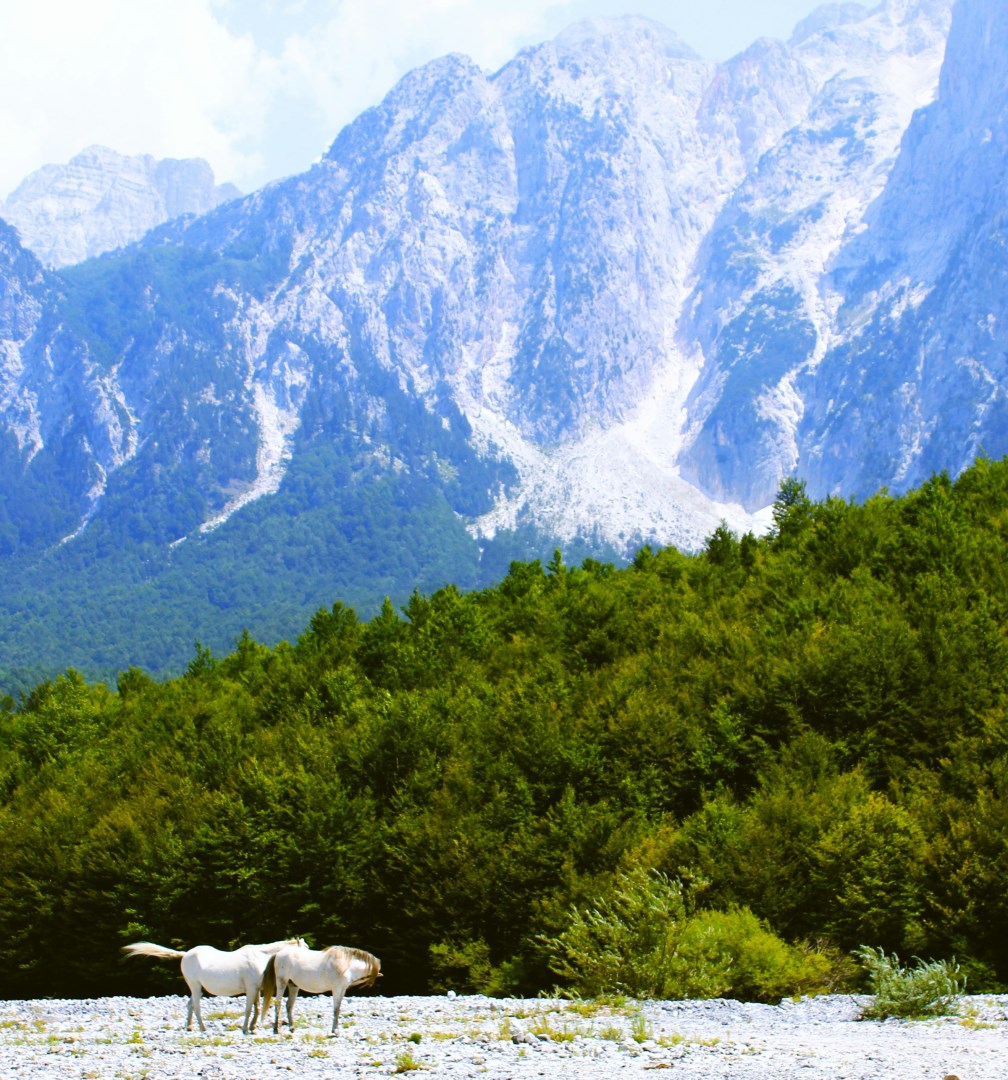
Valbona is a mountain valley in northern Albania, located within the Albanian Alps and surrounded by steep limestone peaks, forested slopes, and open meadows. The valley forms part of Valbona Valley National Park and follows the course of the Valbona River through a long, narrow landscape. Small villages and scattered guesthouses occupy sections of the valley, where traditional stone and wood buildings stand among farms and mountain vegetation. Valbona is also an important starting point for exploring the northern Albanian Alps, with hiking routes extending toward mountain passes, forests, and neighboring valleys.
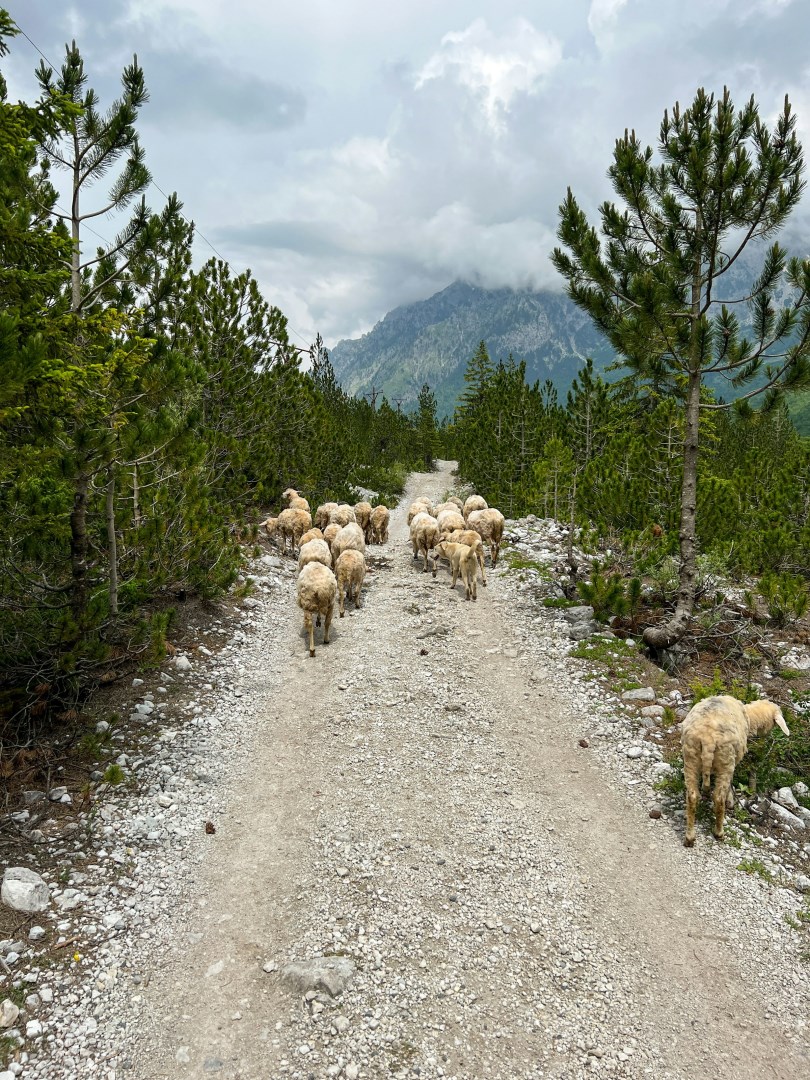
Life in Valbona has traditionally been shaped by highland agriculture, livestock keeping, and seasonal movement through the mountains. Traditional stone houses, wooden barns, hay meadows, and family farms remain visible throughout the valley. Local hospitality is an important part of village life, with many visitors staying in family-run guesthouses and eating meals prepared from locally sourced ingredients. The surrounding mountains are also connected to the customs and oral traditions of northern Albania, including the cultural practices associated with the Kanun and the broader Gheg highland heritage.
Valbona Valley National Park protects a landscape of rugged peaks, beech and pine forests, alpine meadows, and clear mountain streams. The Valbona River runs through the valley, fed by springs and tributaries descending from the surrounding mountains. Hiking trails lead deeper into the valley and toward mountain passes, including the route over Valbona Pass to Theth. Other paths reach waterfalls, forested slopes, and remote mountain areas. The peaks surrounding the valley include Maja e Kollatës and Maja e Rosit, both forming part of the dramatic limestone landscape that defines the Albanian Alps.
Food in Valbona reflects the agricultural traditions of northern Albania, with guesthouses commonly serving homemade bread, mountain cheeses, yogurt, potatoes, beans, vegetables, and locally raised meat. Flija, a layered dish traditionally cooked over an open fire, is a well-known specialty of the northern highlands and may be served with dairy products or honey. Freshly gathered herbs and preserves also feature in local meals. The valley's remote setting has helped preserve a close connection between food and household production, while guesthouses provide an important link between traditional mountain cooking and contemporary visitors.
