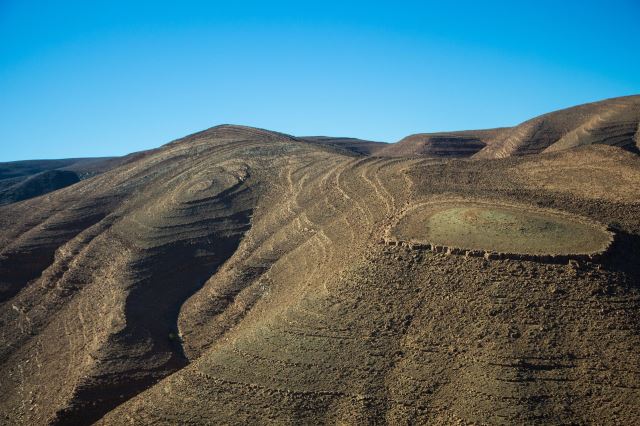

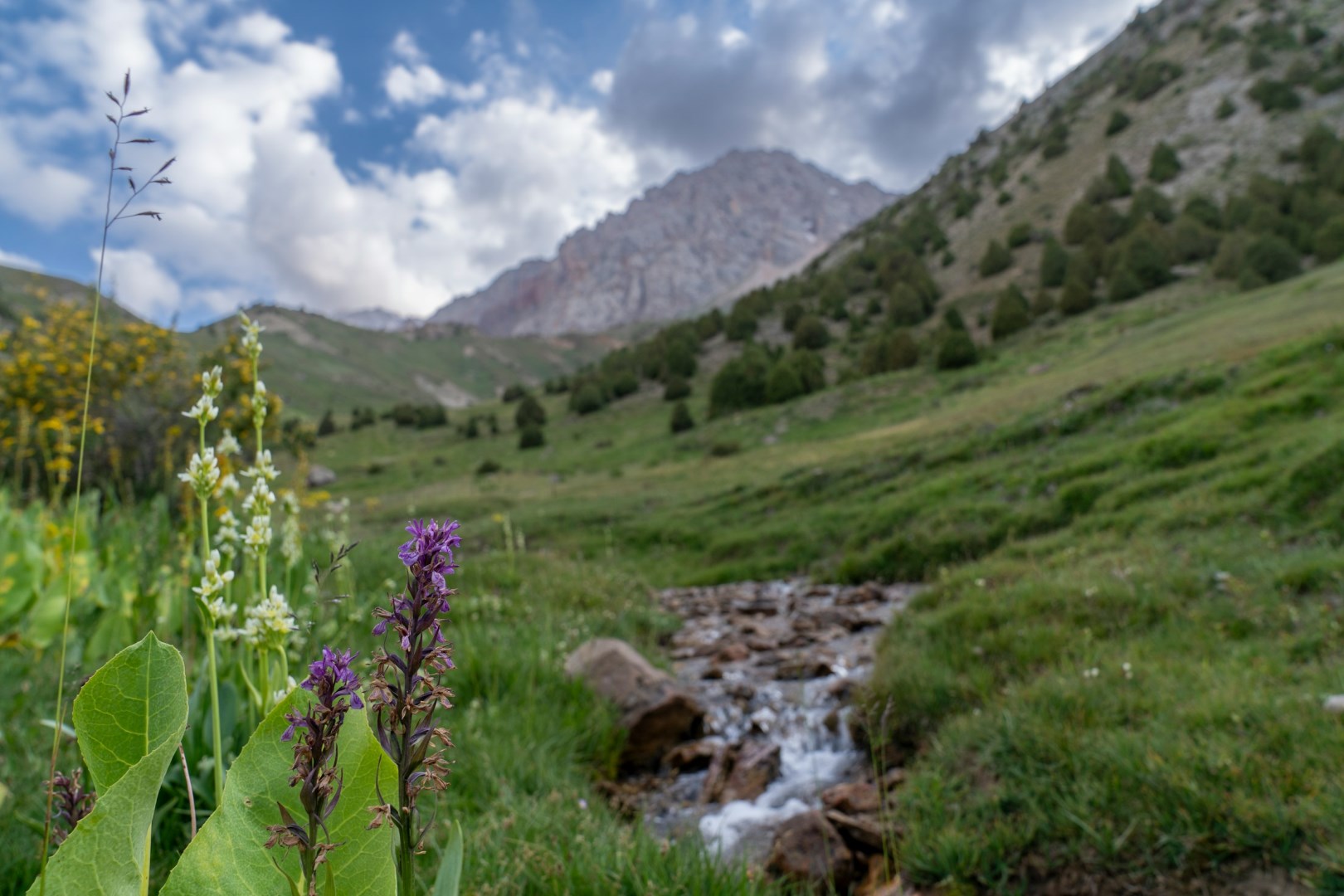
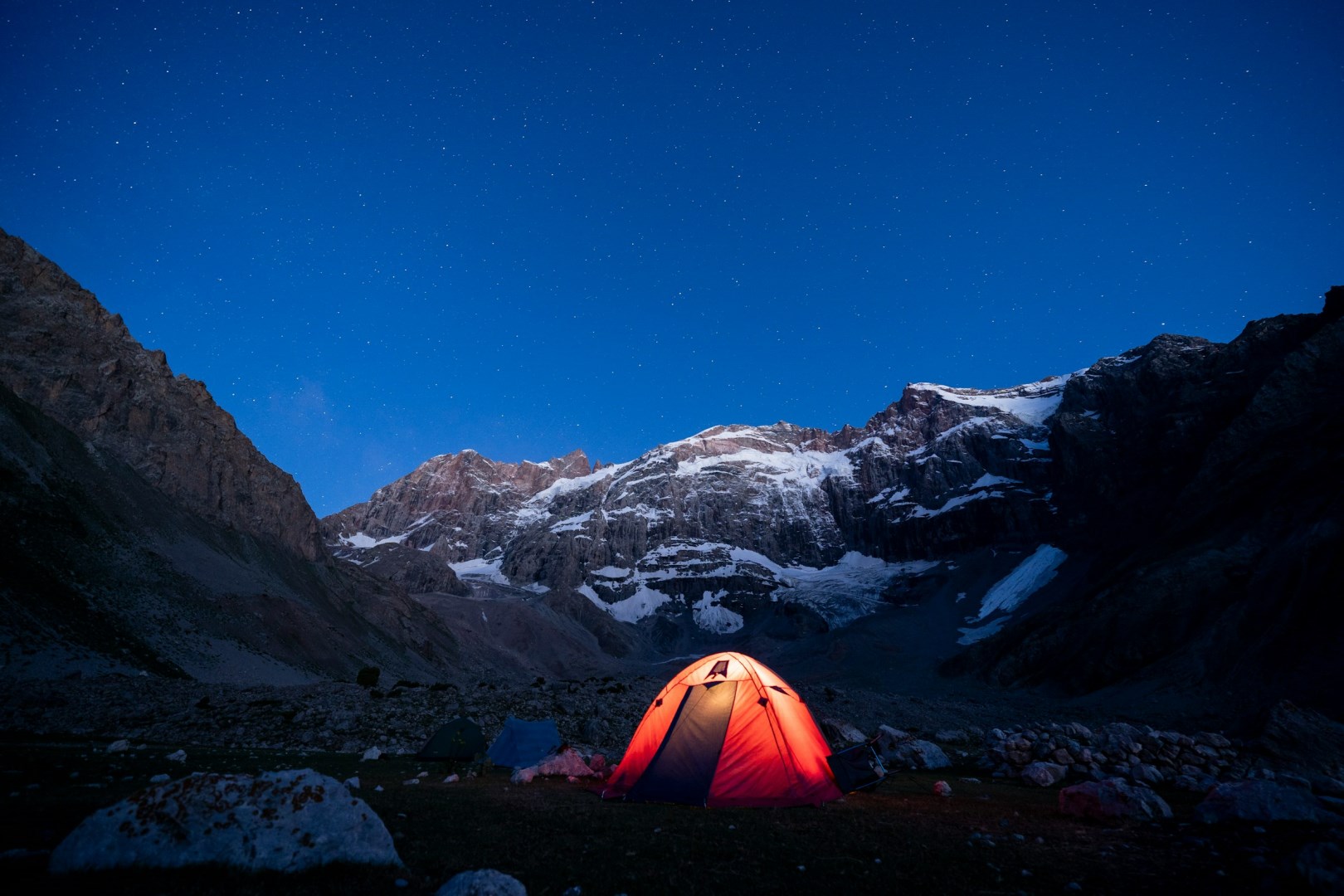

The Fann Mountains are a high mountain range in western Tajikistan, forming part of the Pamir-Alai system between the Zeravshan and Hisor ranges. The region is known for steep peaks, deep valleys, glaciers, alpine lakes, and juniper-covered slopes. Several summits rise above 5,000 meters, including Chimtarga, the highest peak in the Fann Mountains. The range is accessible from settlements such as Ayni and Panjakent and contains some of Tajikistan's most recognized mountain landscapes. The Fann Mountains are also included on Tajikistan's UNESCO World Heritage Tentative List for their natural and cultural significance.
The Fann Mountains have long been connected with pastoral communities living in the surrounding valleys. Seasonal livestock grazing remains part of rural life, with sheep, goats, cattle, and other animals taken to mountain pastures during warmer months. Villages in the region reflect Tajik traditions of farming, hospitality, and mountain life, while historic routes through the valleys have connected communities across the Zeravshan and Hisor ranges. The mountains also lie near important cultural sites, including the ancient settlement of Panjakent, linking the natural landscape with the wider history of the Zeravshan Valley.
The range contains numerous alpine lakes, many surrounded by rocky peaks and glacial terrain. Iskanderkul is one of the best-known, while the Seven Lakes occupy a chain of valleys in the western Fann Mountains. Lakes such as Alaudin, Kulikalon, and Chapdara are also important destinations for trekking. The landscape changes with elevation from river valleys and juniper woodland to open alpine meadows, glaciers, and barren high mountain slopes. Wildlife recorded in the region includes snow leopards, Asian mouflon, golden eagles, bearded vultures, and Himalayan snowcocks, while several rare plant species grow in the mountain valleys.
Food in communities around the Fann Mountains reflects Tajik mountain and Central Asian cooking, with dishes such as plov, qurutob, mantu, sambusa, and fresh bread commonly served in homes and guesthouses. Dairy products and meat from locally raised livestock are also important in rural diets. Mountain villages provide access to simple meals and hospitality for trekkers traveling through the region. One distinctive feature of the Fann Mountains is the close concentration of high peaks and lakes within a relatively compact area, allowing hiking routes to connect valleys, mountain passes, forests, glaciers, and alpine lakes across a varied landscape.
Other Popular Destinations in Mountains