
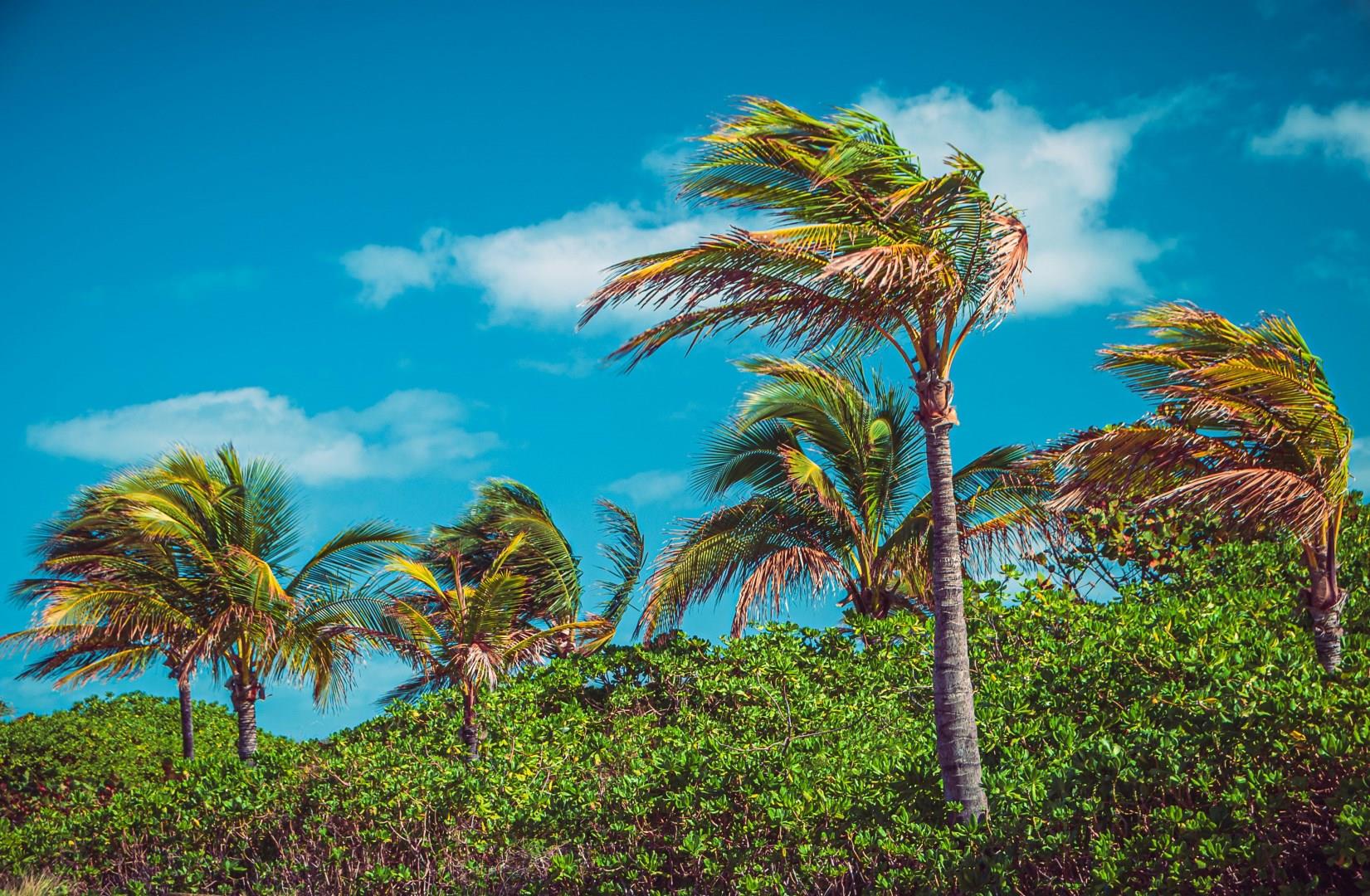
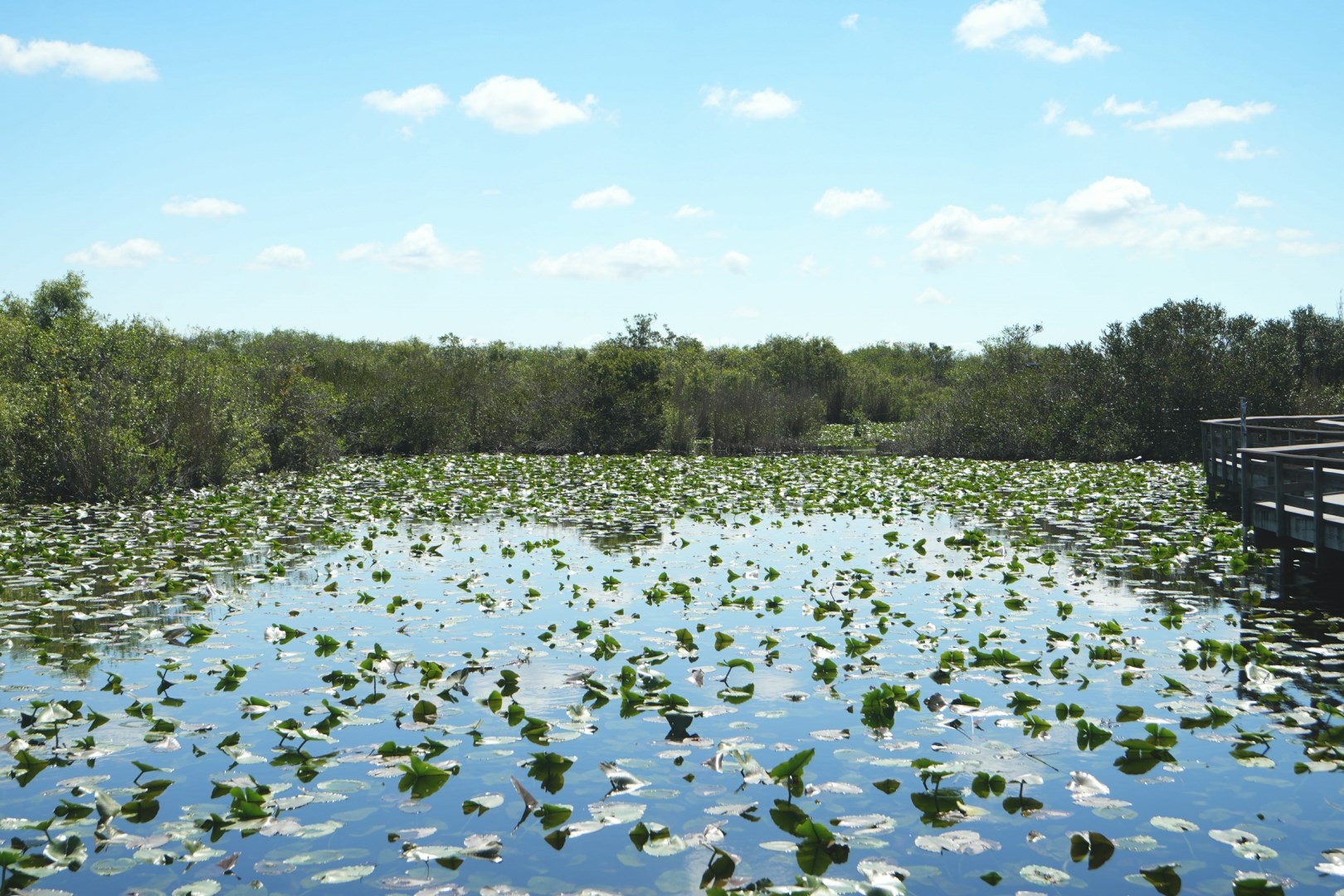
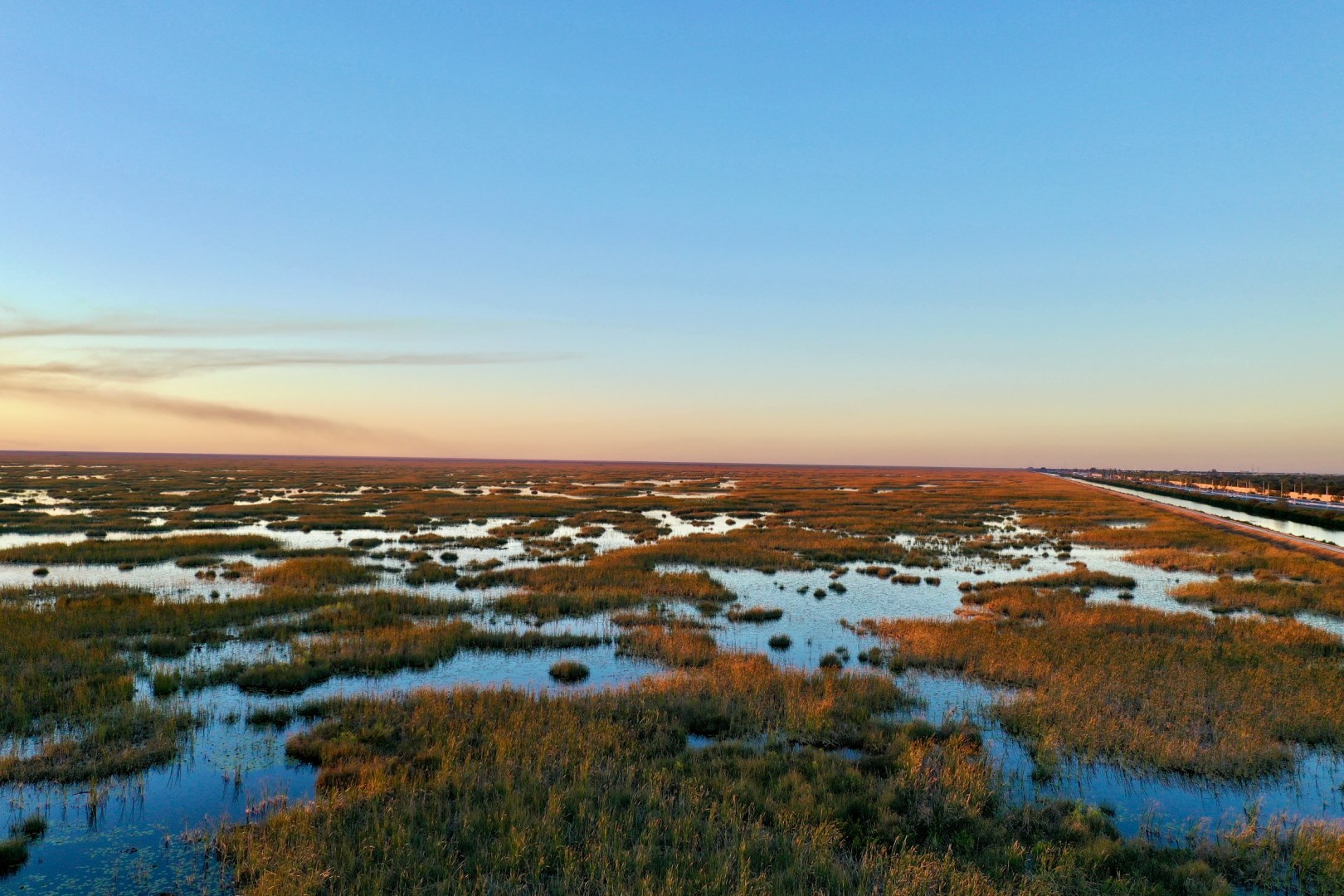

Everglades National Park protects a vast subtropical wetland at the southern tip of Florida, where freshwater moves slowly through sawgrass marshes, mangrove forests, hardwood hammocks, and coastal lagoons toward Florida Bay. Covering more than 1.5 million acres, it is the largest subtropical wilderness in the United States. The park is part of a much larger ecosystem whose waters originate in central and southern Florida and eventually reach the Gulf of Mexico and Florida Bay. Its landscape is defined less by dramatic elevation changes than by shallow water, seasonal flooding, and a complex network of wetlands.
The Everglades has deep connections to Indigenous peoples, particularly the Miccosukee and Seminole communities, whose cultures developed around the wetlands and their resources. Archaeological sites, historic trails, and other cultural resources document long-standing human use of the region. The park also preserves places associated with later settlement, including former fishing camps and other structures that illustrate changing relationships with the wetlands. The Miccosukee and Seminole peoples continue to maintain cultural connections with the Everglades today. Their knowledge and traditions are an important part of understanding the landscape beyond its ecological significance.
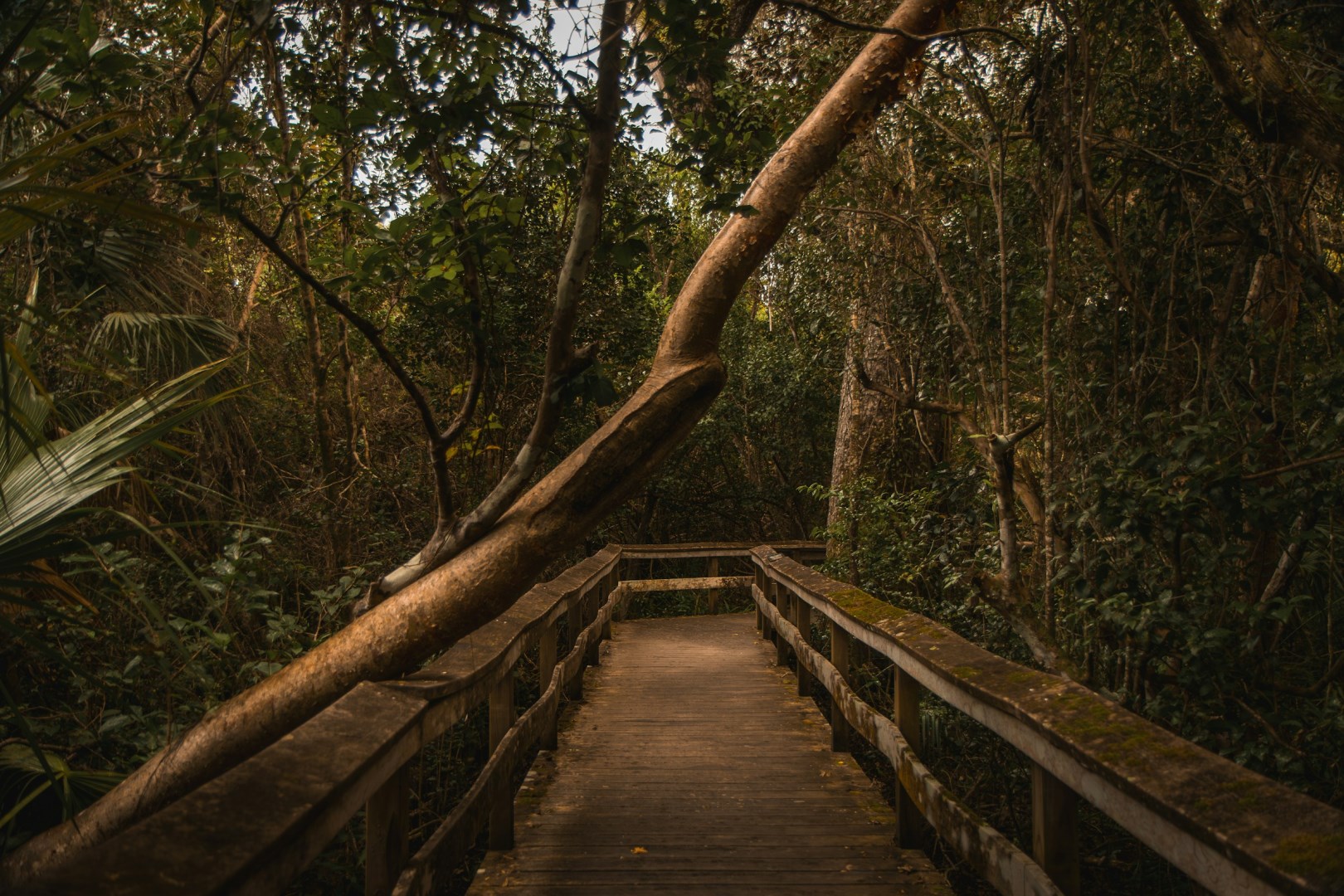
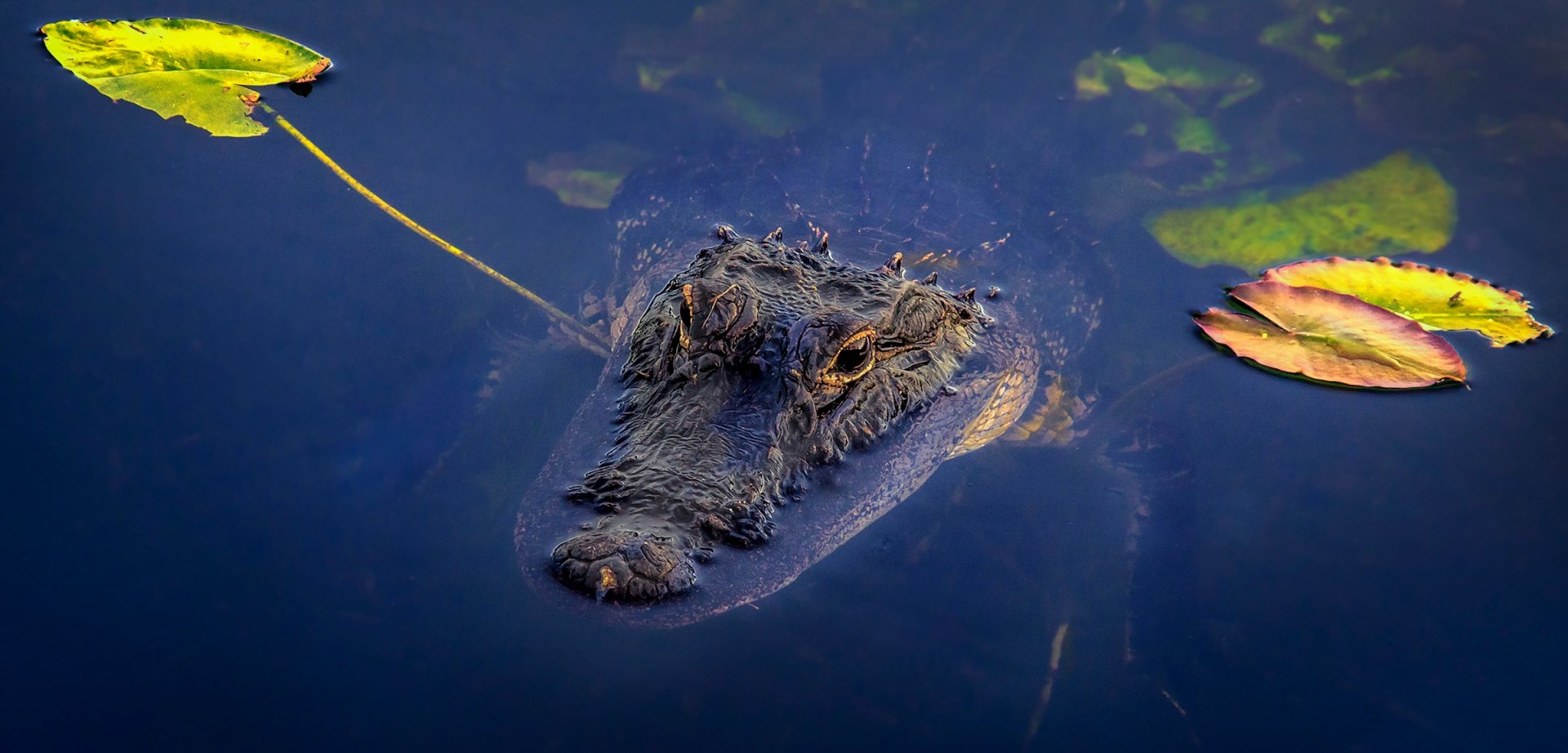
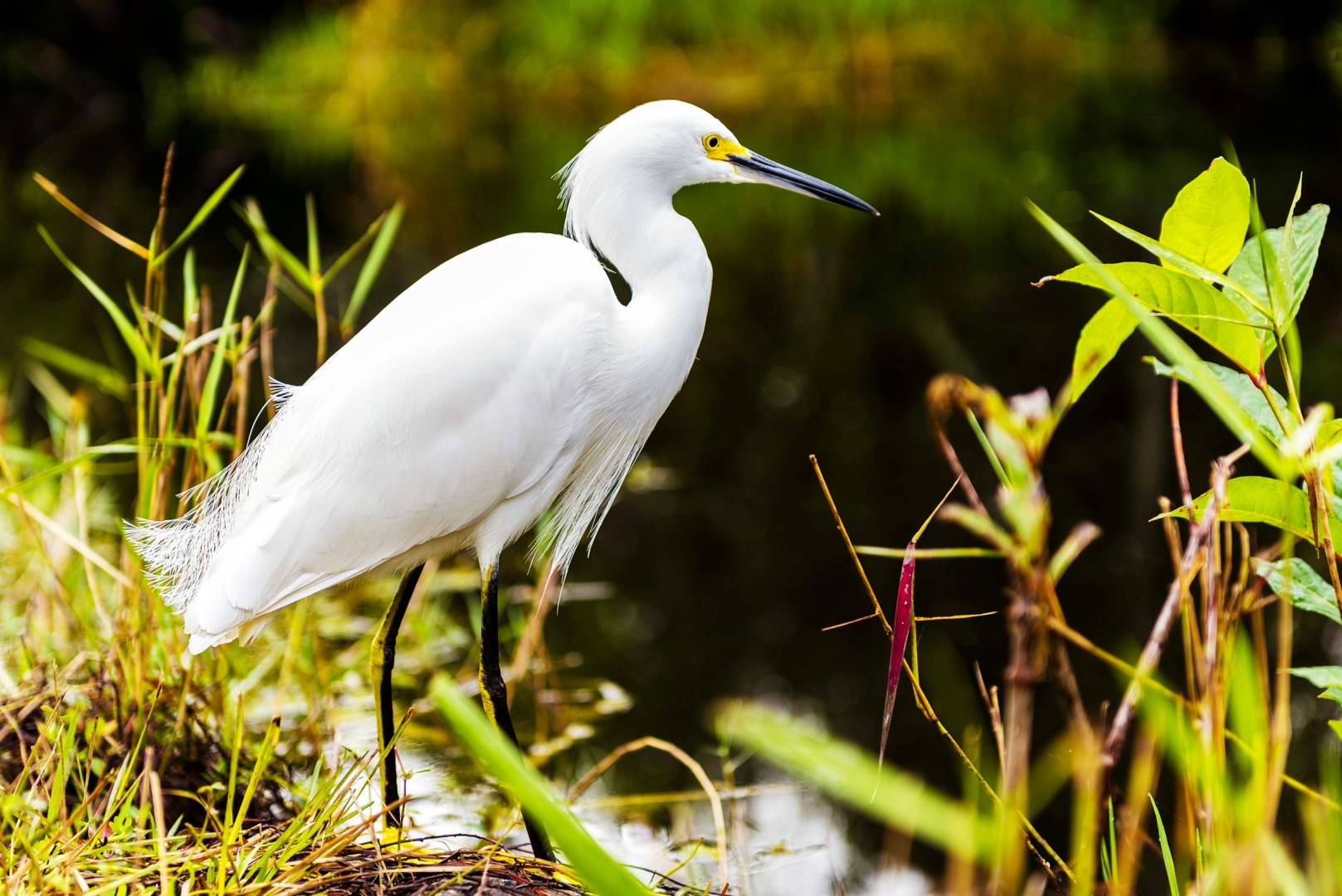
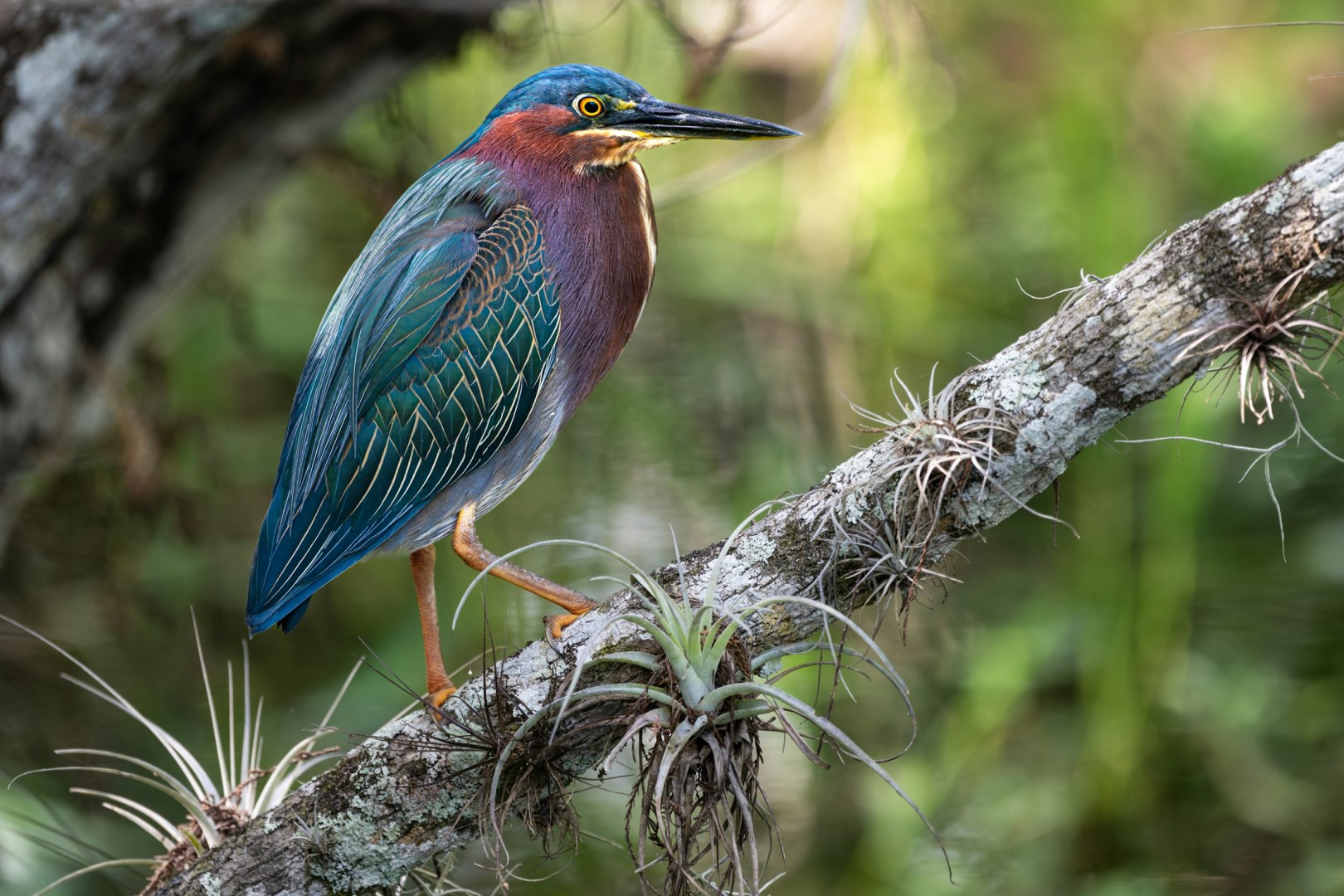
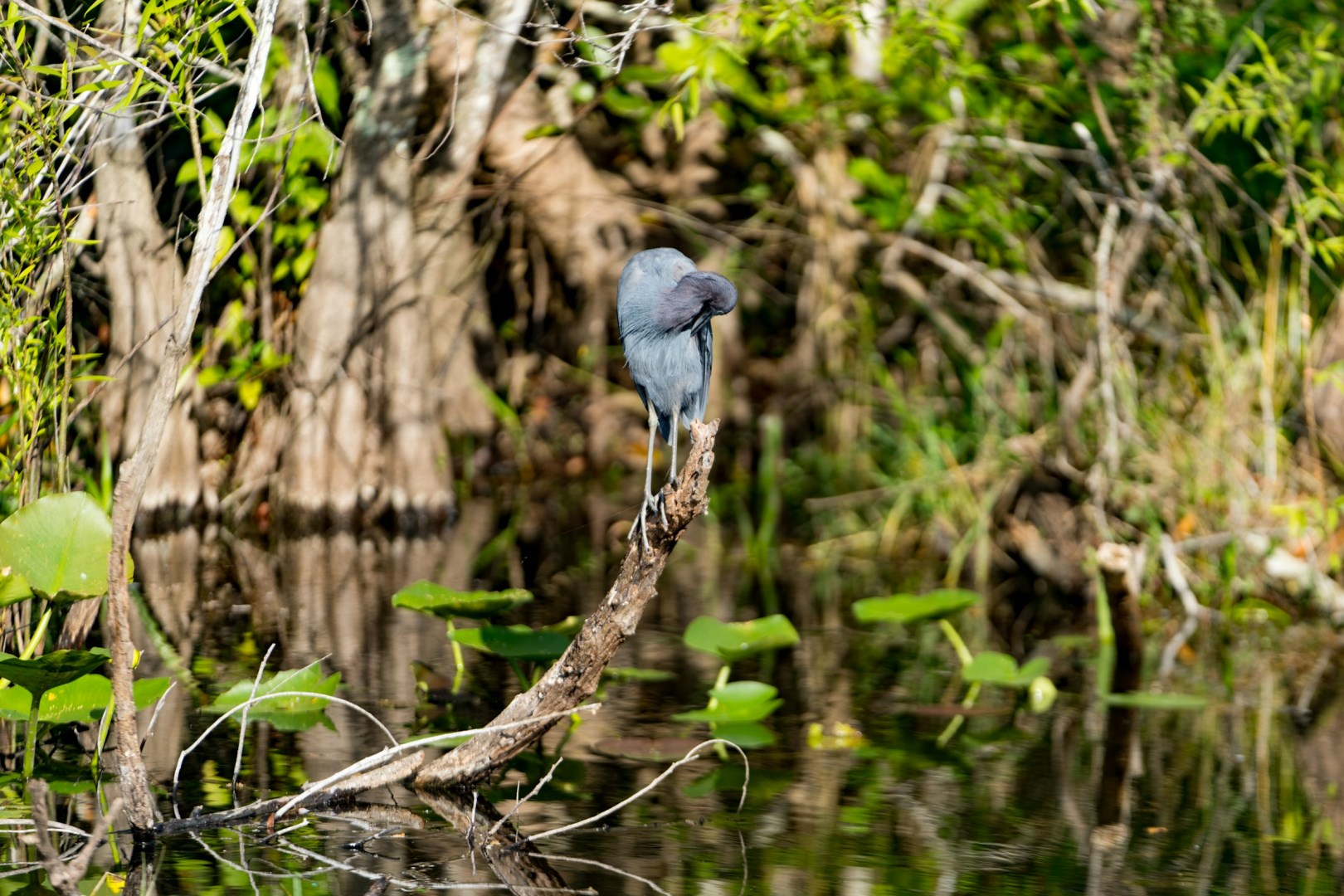
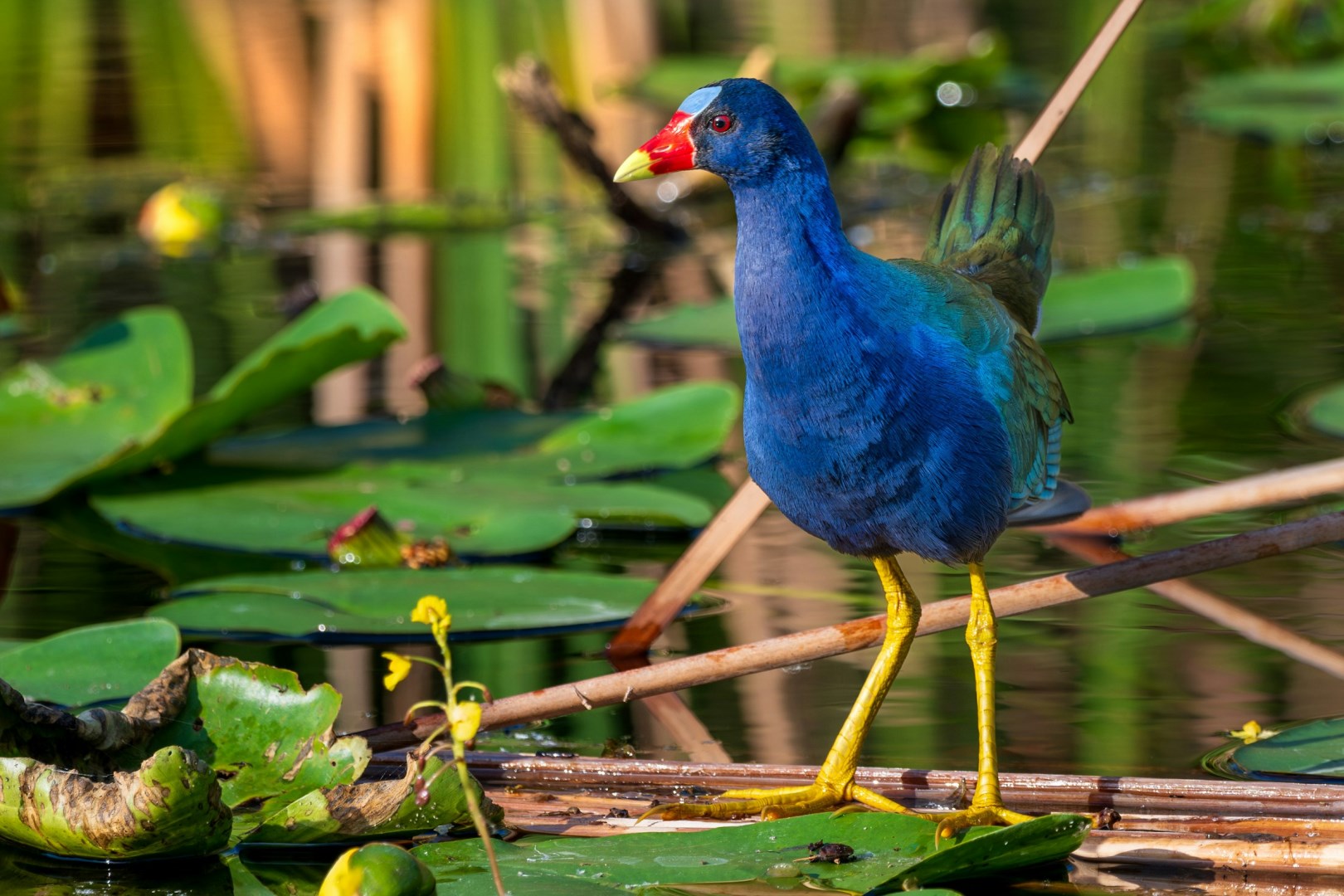
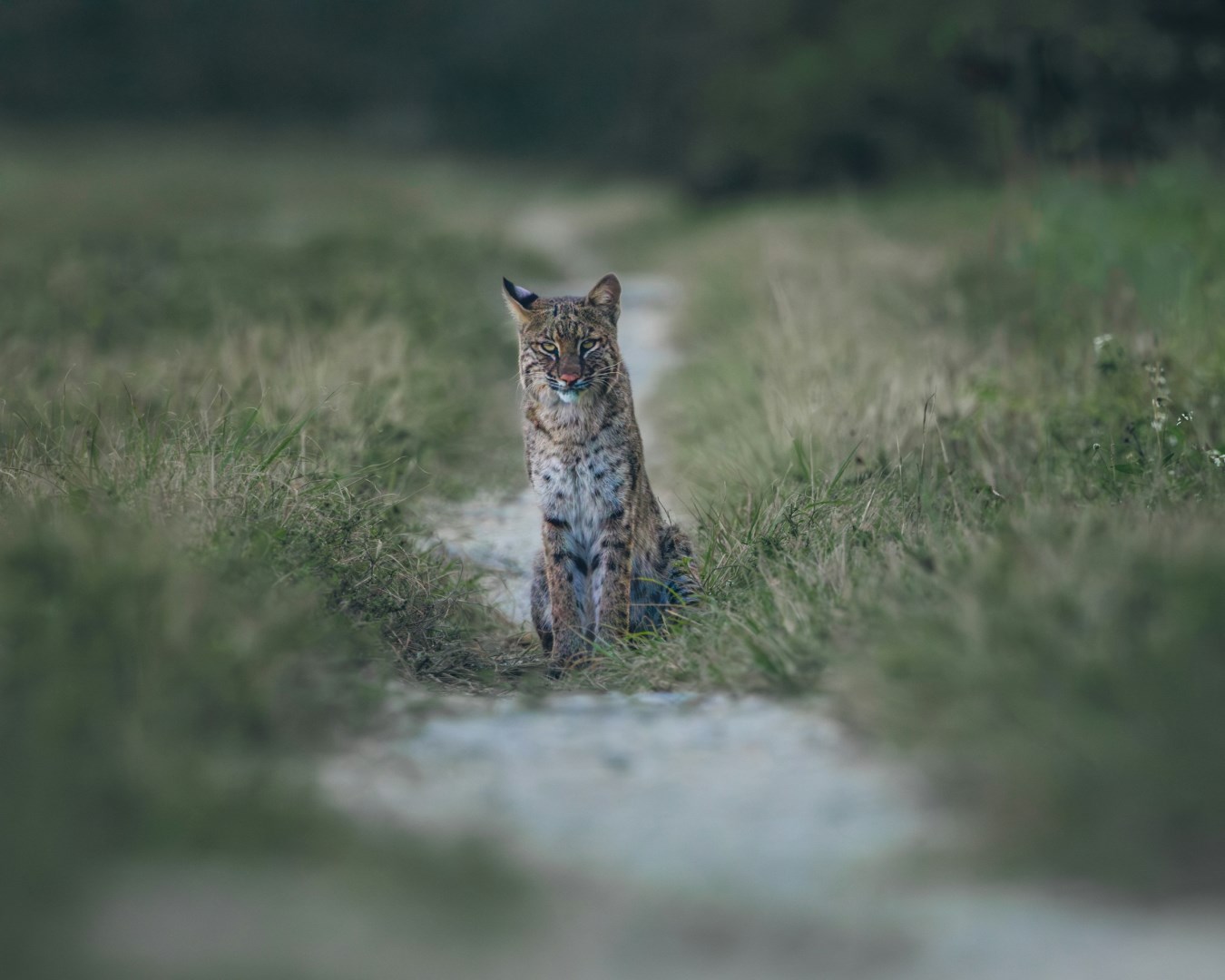
The park provides habitat for an exceptional range of wildlife, including American alligators, American crocodiles, manatees, West Indian manatees, Florida panthers, wood storks, roseate spoonbills, and numerous wading birds. Shark Valley offers a paved 15-mile loop through sawgrass prairie, with a raised observation tower providing views across the wetlands. The Anhinga Trail near Royal Palm follows boardwalks through freshwater marshes where alligators, turtles, herons, and anhingas are frequently observed. Along the Gulf Coast, mangrove islands and waterways can be explored by boat or kayak, while Flamingo serves as a major access point to Florida Bay.
Food within the national park is limited, so visitors generally bring supplies or use the facilities available at major visitor areas such as Flamingo. The surrounding South Florida communities provide a much wider selection of seafood, Caribbean, Latin American, and other regional cuisines. One of the Everglades' most distinctive features is its unusual combination of freshwater and saltwater habitats within the same ecosystem. Mangroves grow along the coast, while sawgrass dominates the inland marshes. The park is also one of the few places in the world where American alligators and American crocodiles occur in the same habitat, reflecting the Everglades' position between temperate and tropical environments.
